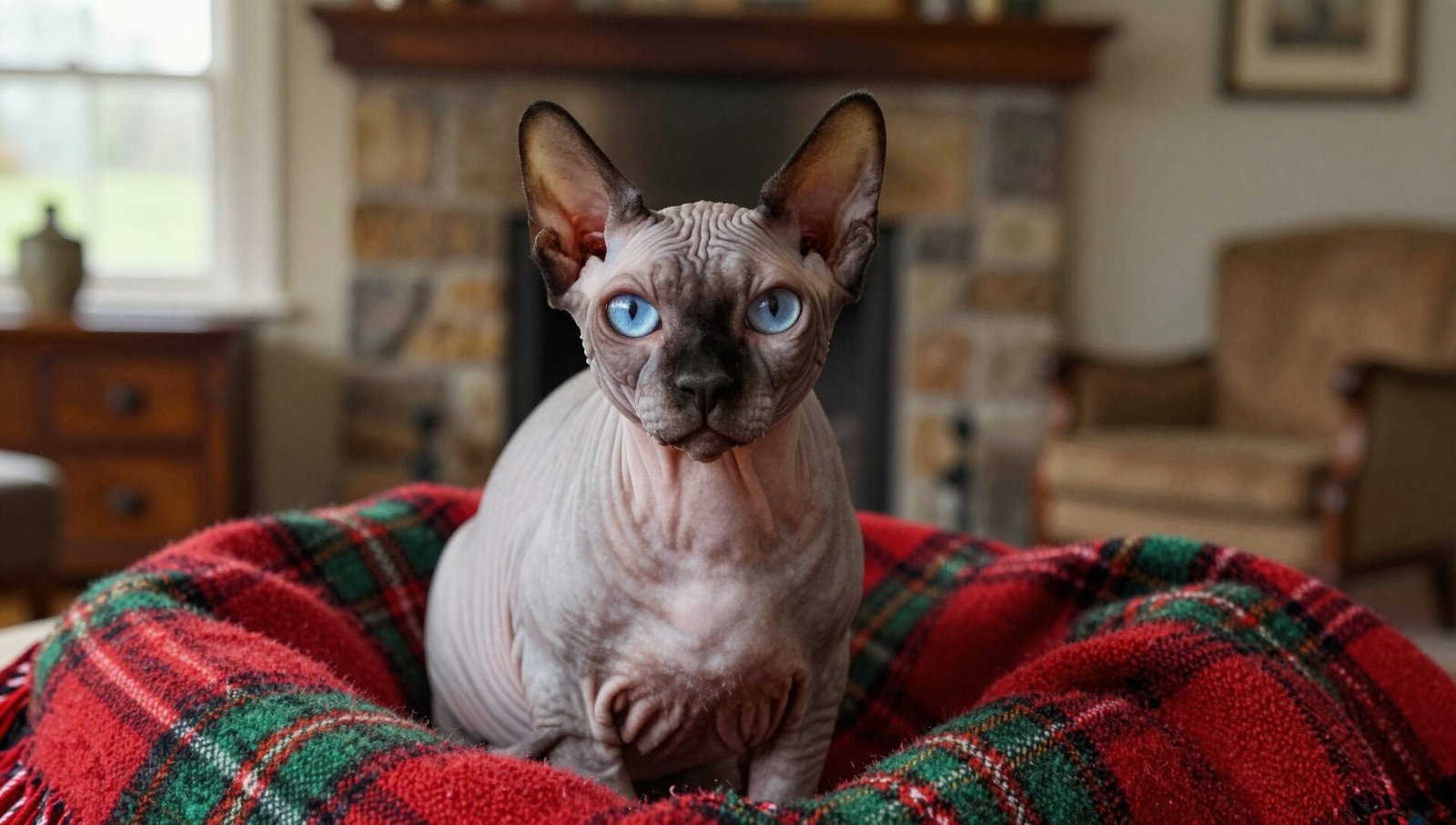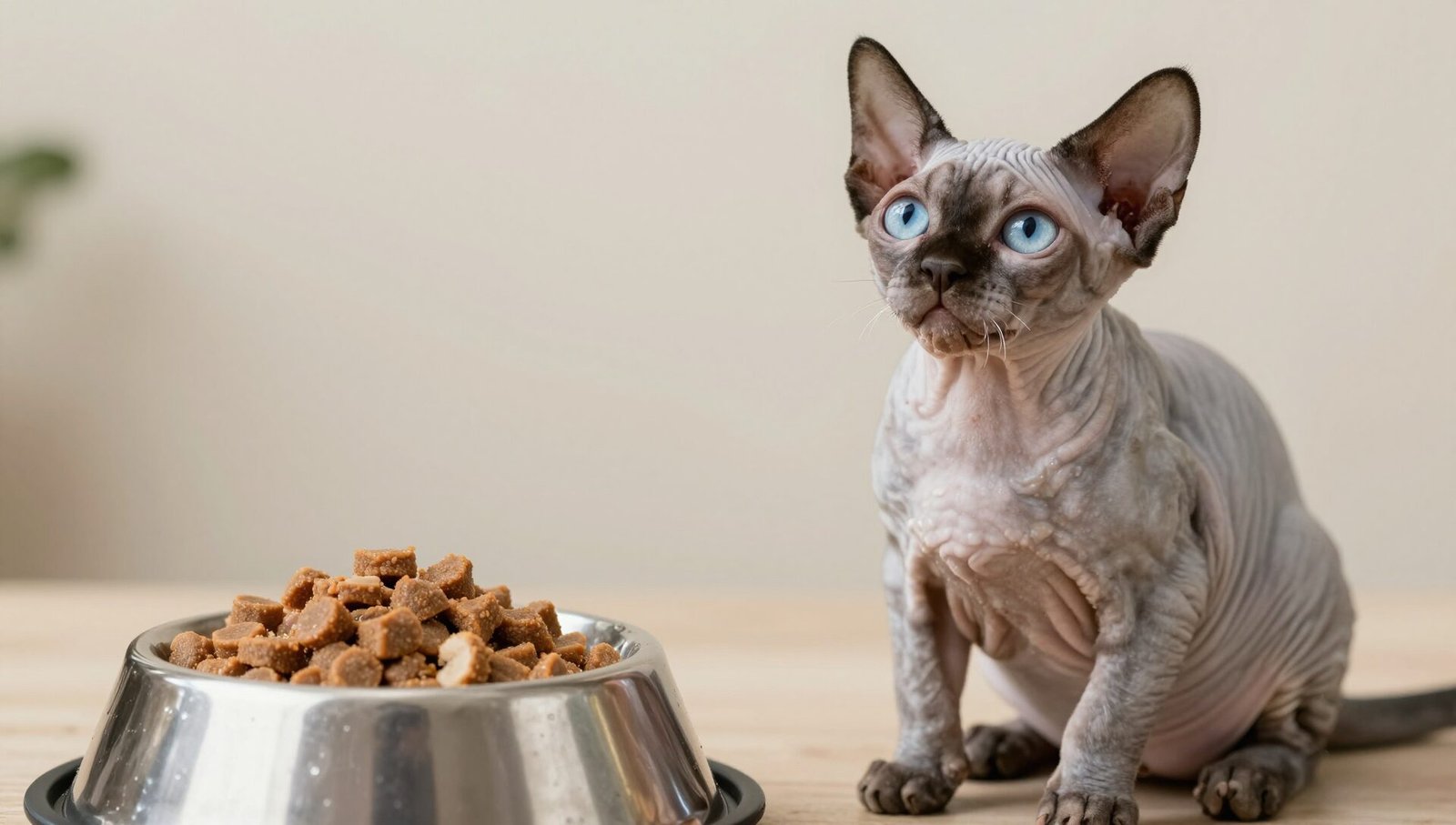
Let’s be honest—nothing quite prepares you for the first time you lay eyes on a Sphynx kitten. They look like tiny, sentient potatoes with ears the size of satellite dishes. If you’ve just welcomed one of these aliens—I mean, cats—into your home, congratulations! You are now the servant of one of the most affectionate, energetic, and frankly bonkers breeds on the planet.
But owning a Sphynx isn’t just about buying stock in lint rollers for your velvet sofa. These cats are biologically distinct from your average moggie, and because they lack that luxurious fur coat, their internal workings operate at a different speed. This means standard cat food simply won’t cut it. You need the best sphynx kitten food available to fuel their hyperactive lifestyle and maintain that wrinkly, leather-like skin.
In this guide, we’re diving deep into the pantry. We will look at why your Sphynx burns calories like a Formula 1 car burns fuel, what ingredients you absolutely must look for, and which commercial brands actually deliver on their promises. Whether you are dealing with a picky eater or trying to navigate the confusing world of feline nutrition, I’ve got you covered.
Why the Sphynx is Different: Not Just a Naked Cat
Before we get into the nitty-gritty of sphynx kitten food, you have to understand what’s going on under the surface. Many people think, “It’s a cat, I’ll just buy some kibble.” Wrong. The Sphynx is a high-performance machine that requires premium fuel.
The Furnace Effect: Elevated Metabolism
You know how you crank up the heating in winter? Your Sphynx does the same thing biologically. Because they lack insulating fur, their body temperature runs about 4° Celsius higher than a furry cat. To maintain that internal radiator, their metabolism works overtime.
This means two things:
- They are always hungry. I have seen Sphynx kittens inhale a bowl of food, look at me with those giant eyes, and meow as if they haven’t eaten in weeks.
- They need calorie-dense food. A standard diet will leave them lethargic or cause them to lose weight, which is dangerous for a growing kitten.
Skin Deep: The Need for Good Fats
Without fur to hide a multitude of sins, a Sphynx’s skin is their billboard. If their diet is poor, you won’t see a dull coat; you’ll see greasy skin, blackheads, and rashes. High-quality fats, specifically Omega-3 and Omega-6 fatty acids, are non-negotiable for this breed. It keeps their skin supple rather than dry and flaky, reducing the amount of oil staining on your favourite white t-shirt.
The 7 Best Sphynx Kitten Food Choices
I have scoured the shelves, read the labels, and consulted with fellow feline fanatics to bring you a list of the top contenders. When selecting these, I focused on high animal protein content, the absence of nasty fillers, and palatability.
1. Untamed Chocka Chicken
- Type: Wet (Jelly/Gravy)
- Why it’s great: As seen in our source material, Untamed is a heavy hitter. They use human-grade meat—real chunks, not “meat derivatives.”
- The Verdict: Excellent for the picky eater. The protein content is sky-high, matching the biological value (BV) cats need.
2. Applaws Kitten Chicken Breast
- Type: Wet (Pouches/Tins)
- Why it’s great: 100% natural, limited ingredients. It’s essentially chicken and rice.
- The Verdict: Great for supplementary feeding, but may need to be paired with a complete dry food to ensure all vitamin bases are covered.
3. Royal Canin Kitten Instinctive
- Type: Wet (Gravy/Jelly)
- Why it’s great: Formulated specifically for the growth phase.
- The Verdict: A safe bet. The texture is usually a hit with Sphynx kittens who tend to prefer wet food.
4. Orijen Cat & Kitten
- Type: Dry (Biologically Appropriate)
- Why it’s great: It’s grain-free and packed with fresh, raw, or dehydrated animal ingredients.
- The Verdict: Excellent for dental health and high energy. It’s expensive, but for a Sphynx, quality pays off in fewer vet bills.
5. Lily’s Kitchen Kitten
- Type: Wet
- Why it’s great: Organic, ethically sourced, and smells rather nice (for cat food).
- The Verdict: Good for the eco-conscious owner. It offers a balanced diet without artificial nasties.
6. Blink! Kitten Food
- Type: Wet
- Why it’s great: Gently cooked to lock in nutrients.
- The Verdict: Very high meat content. It is grain-free and hypoallergenic, which is a bonus for Sphynxes with sensitive digestion.
7. Thrive Complete Kitten
- Type: Wet
- Why it’s great: No fillers, no sugars, no artificial colours.
- The Verdict: Simple, honest food. It’s essentially just meat and vitamins.
Table 1: Comparison of Top Sphynx Kitten Foods
| Brand | Protein Source | Grain-Free? | Texture | Best For |
|---|---|---|---|---|
| Untamed | Tuna/Chicken | Yes | Chunks in Jelly | Picky Eaters |
| Orijen | Turkey/Chicken | Yes | Kibble | High Energy Kittens |
| Applaws | Chicken | Yes | Shreds | Supplementary Feeding |
| Lily’s Kitchen | Organic Chicken | Yes | Pâté/Mousse | Eco-Conscious Owners |
Key Nutritional Needs for Your Sphynx Kitten
Understanding the label is half the battle. When you are hunting for the perfect sphynx kitten food, you need to know exactly what you are looking for. Cats are obligate carnivores—they literally cannot survive without meat.
Animal Protein (The Building Blocks)
You want to see specific meats listed first: Chicken, Salmon, Tuna, Beef. Avoid vague terms like “animal derivatives.”
- Biological Value (BV): As mentioned in the study content, animal protein has a BV of 88%–98%, compared to vegetable protein at 45%–68%. Your Sphynx can’t process peas and wheat as well as a cow can. Stick to meat.
Taurine (The Heart Protector)
This is the most critical amino acid for cats. A deficiency in taurine can lead to heart failure (dilated cardiomyopathy) and blindness. High-quality meat naturally contains taurine, but always check that it is listed as a supplement in the ingredients list.
Fats (The Skin Saver)
Don’t fear the fat! For a Sphynx, fat is energy. Look for “Animal Fat” or “Fish Oil.” These provide the essential fatty acids mentioned earlier (linoleic acid, arachidonic acid) that keep their skin healthy and their metabolism firing on all cylinders.
Homemade vs. Store-Bought: What’s Best?
I get this question a lot: “Can I just cook chicken for my cat?” The short answer is: yes, but it’s complicated.
The Case for Homemade
- Pros: Total control over ingredients. You know exactly what is going into that little tummy. No preservatives.
- Cons: It is incredibly difficult to get the calcium-to-phosphorus ratio right without adding supplements. You might miss crucial vitamins like A or D.
The Case for Commercial Food
- Pros: “Complete and Balanced.” This phrase is legally protected—it means the food meets all feline nutritional requirements.
- Cons: Quality varies wildly. Cheap food is full of corn and wheat, which is essentially filler for a carnivore.
My Take: Unless you are prepared to consult a veterinary nutritionist, stick to high-quality commercial sphynx kitten food or a raw diet specifically formulated for cats (like Natural Instinct).
The Transition Guide: Switching Foods Without the Drama
You’ve bought the fancy new food. Your kitten takes one sniff, looks at you as if you’ve betrayed their ancestors, and walks away. Sound familiar?
The 7-Day Rule
Never switch food cold turkey. It’s a recipe for diarrhoea and an upset stomach—something Sphynxes are prone to.
- Days 1-2: 75% old food, 25% new food.
- Days 3-4: 50% old food, 50% new food.
- Days 5-6: 25% old food, 75% new food.
- Day 7: 100% new food.
Dealing with a Picky Eater
If your kitten refuses the new mix, try warming the wet food slightly. This releases the aroma and makes it more appealing. You can also sprinkle a bit of crushed dry food on top for texture. Be patient. Sphynxes are intelligent and stubborn—they won’t starve themselves, but they will try to guilt-trip you into offering the old stuff.
Common Health Pitfalls in Sphynx Diet
The Sphynx is generally a robust breed, but their unique physiology makes them susceptible to specific diet-related issues.
Skin Conditions
As mentioned, the skin is an organ. If you feed your Sphynx low-quality food filled with vegetable oils, their skin will become oily, leading to blackheads (comedones) and bacterial infections. High-quality animal fats actually help regulate the oil production on their skin.
Hypertrophic Cardiomyopathy (HCM)
This is a heart condition prevalent in Sphynxes. While genetics play a role, nutrition is a key mitigator. Adequate levels of Taurine and Omega-3 fatty acids (found in fish oils) are proven to support heart health. Never skimp on the good stuff.
Obesity
Because they burn so much energy keeping warm, Sphynxes are rarely fat as kittens. However, as they mature and become indoor cats, they can pack on the pounds if you keep feeding them kitten-level calories. Transition to adult food around 12 months of age.
Feeding Schedules & Portions
“Free feeding” (leaving a bowl out all day) is generally discouraged for Sphynx kittens. It makes it hard to track intake and can lead to overeating or food going stale.
The Grazing Approach
Instead of two large meals, aim for 3-4 smaller meals a day. This mimics their natural hunting cycle—cats in the wild eat small prey (mice, birds) multiple times a day. Small, frequent meals are easier on a Sphynx’s sensitive digestive system.
How Much is Enough?
Check the back of the packet, but use it as a guideline. A Sphynx kitten needs roughly 200-250 calories a day, but this varies based on activity. If you can feel their ribs easily but not see them, the weight is perfect.
Enrichment at Mealtime
Feeding isn’t just about nutrition; it’s about mental health. A bored Sphynx is a destructive Sphynx.
Puzzle Feeders
Invest in a puzzle feeder. These make the kitten work for their kibble. It stimulates their brain, slows down their eating (preventing vomiting), and satisfies their hunting instinct. It turns a 2-minute meal into a 20-minute game.
The “Hunt” Simulation
Try hiding small portions of dry food around the house. Let them “hunt” for their dinner. It keeps them active and burns off some of that endless kitten energy.
Frequently Asked Questions (FAQs)
How often should I feed my Sphynx kitten?
You should feed a Sphynx kitten 3 to 4 times a day. Their high metabolism means they digest food quickly and need frequent refuelling to maintain their body temperature and growth.
Is raw food safe for a Sphynx kitten?
Yes, many owners swear by raw diets for Sphynxes. However, you must ensure it is a “complete” raw meal with added taurine and vitamins. Never just give them plain raw chicken mince.
Why is my Sphynx kitten always hungry?
This is normal! Sphynxes have a higher metabolic rate than other cats because they generate their own body heat. They need more calories per kilogram of body weight than a fluffy Persian.
Can Sphynx cats eat normal cat food?
While they can, they shouldn’t eat low-quality standard food long-term. They benefit immensely from high-protein, grain-free options to support their skin and energy levels.
How long do Sphynx cats live?
With proper nutrition and care, a Sphynx cat can live between 12 to 15 years. High-quality food contributes significantly to a long, healthy life.
Do Sphynx cats drink a lot of water?
Yes, especially if fed dry food. Ensure fresh water is always available. Some owners add a water fountain to encourage drinking, which is excellent for kidney health.
Conclusion
Choosing the right sphynx kitten food isn’t just a chore; it’s an investment in your cat’s future. These majestic, wrinkly creatures rely on us to provide the fuel they need to grow, play, and keep their complex systems running smoothly. From high-quality commercial brands like Untamed and Orijen to understanding the crucial role of protein and fats, being a Sphynx parent requires a bit of homework.
Remember, every kitten is an individual. What works for one might not work for another. Watch your cat, monitor their skin condition, check their energy levels, and don’t be afraid to tweak their diet. By feeding them well today, you’re ensuring many years of purrs, head-butts, and unconditional love tomorrow.