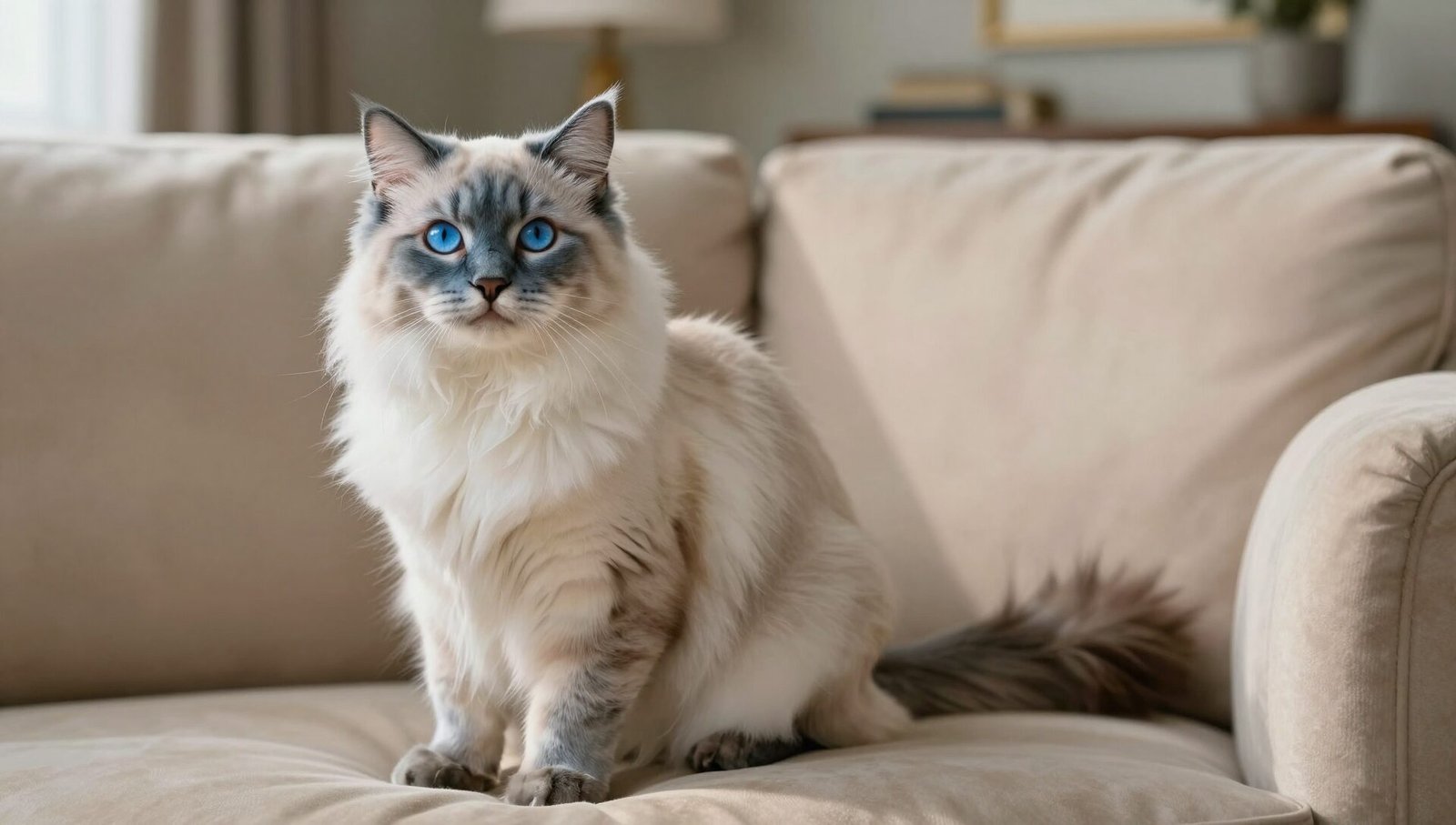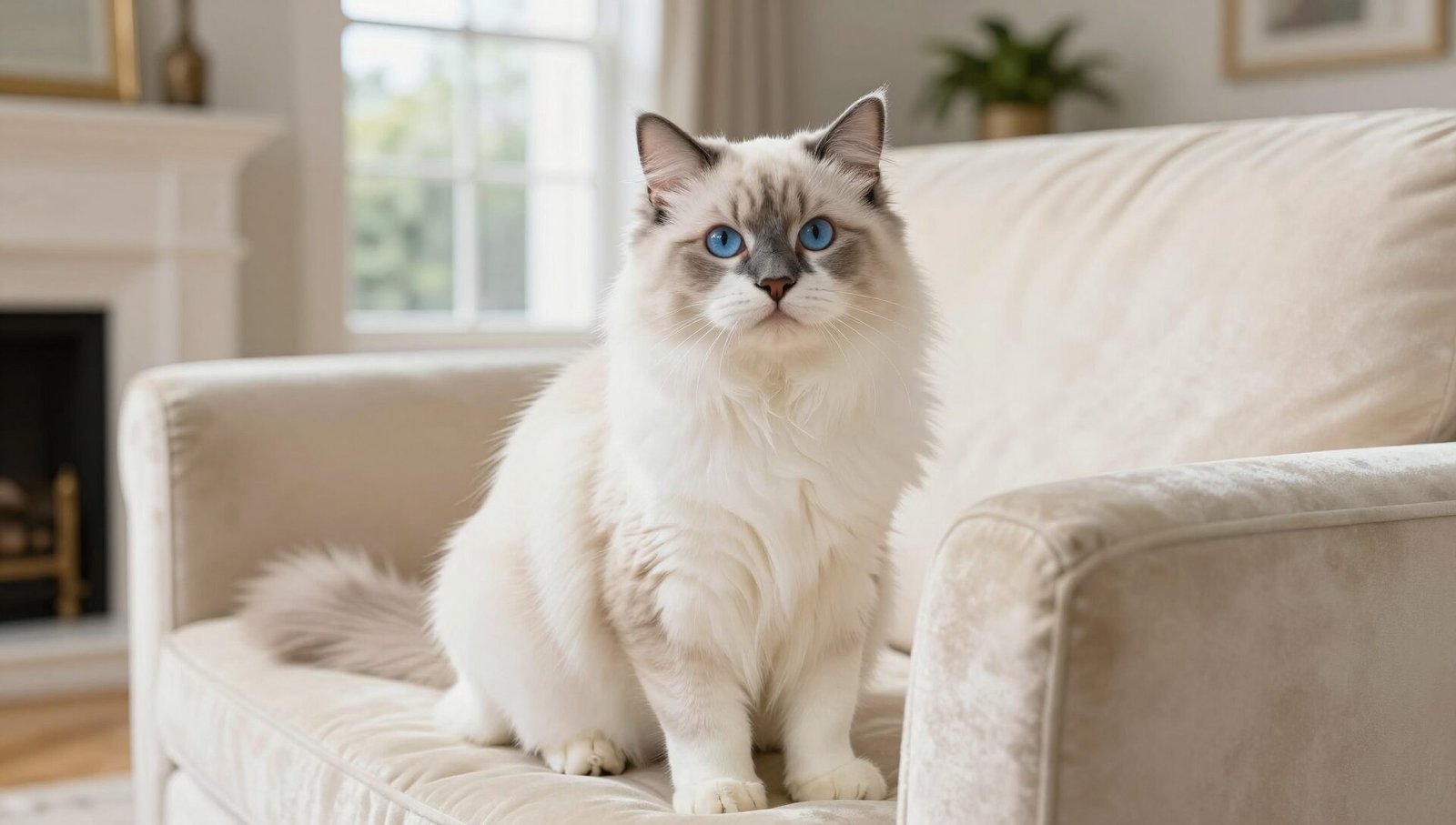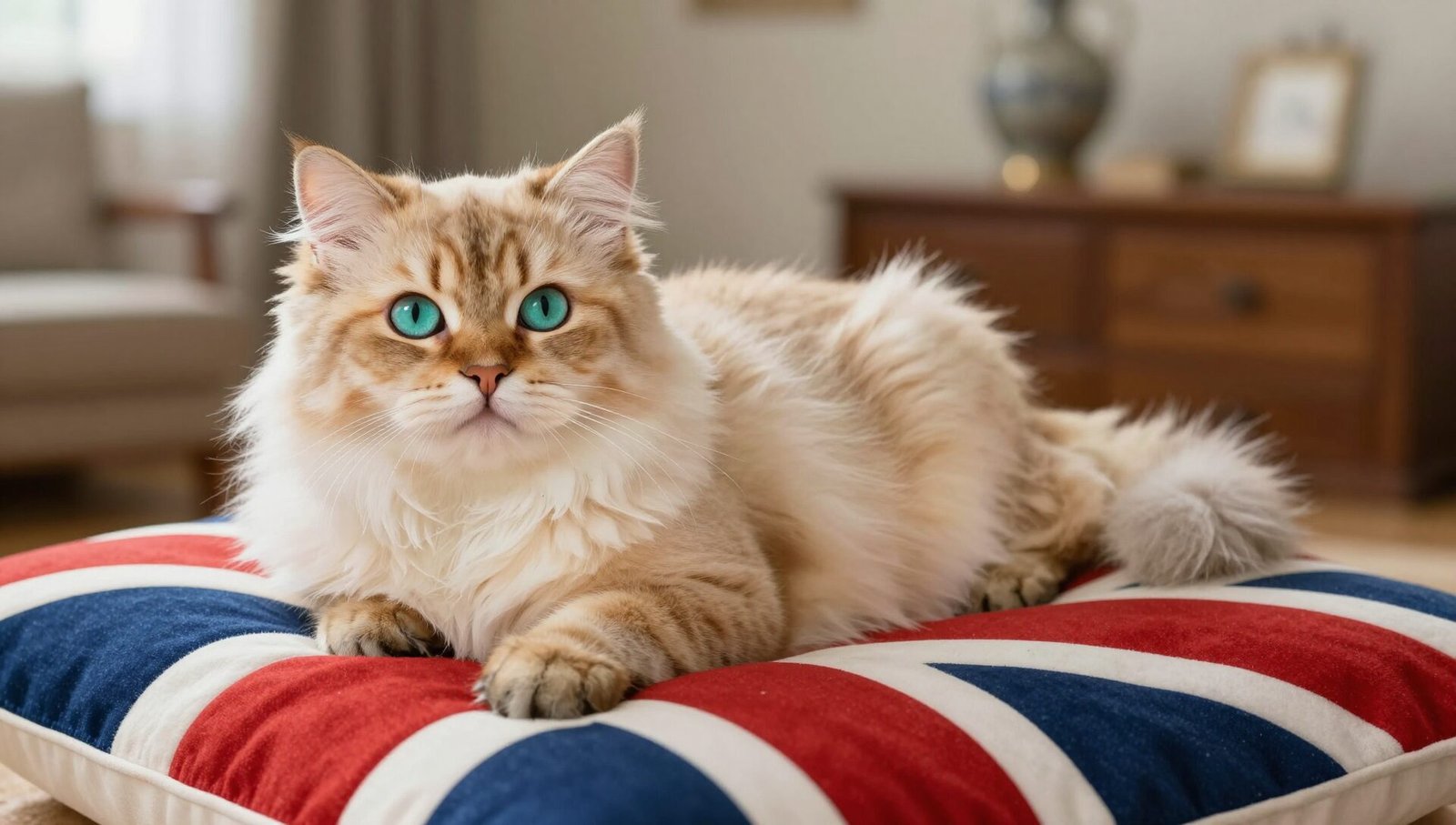
If you’ve ever dreamed of owning a cat that looks like a cloud of warm toffee and acts like a devoted shadow, then you’re in for a treat. The cinnamon ragdoll cat is arguably one of the most visually striking variations of the breed, boasting a coat that shimmers with rich, warm undertones. While traditional Ragdolls are famous for their seal and blue points, the cinnamon variant is a rare find that turns heads and steals hearts.
As someone who has spent years navigating the joys and tribulations of cat ownership, I can tell you that finding a specific colour variant like this involves more than just luck—it requires patience and knowledge. In this comprehensive guide, we’ll dive deep into everything you need to know about this magnificent feline. From their unique genetics to their dietary needs and the very specific grooming regime required to keep that luxurious coat in tip-top shape, consider this your bible for raising a happy and healthy cat in the UK.
What Exactly is a Cinnamon Ragdoll Cat?
Let’s get the science bit out of the way, shall we? When we talk about a cinnamon ragdoll cat, we aren’t just describing a shade; we are talking about specific genetic mutations. In the feline world, colour is controlled by pigment. The standard colours are derived from the gene responsible for black fur. However, the cinnamon gene is a recessive mutation of that very same gene.
Think of it like this: you have the standard black (dominant), chocolate (recessive to black), and cinnamon (the most recessive of them all). For a cat to be phenotypically cinnamon, it must inherit the gene from both parents. This makes them incredibly rare. If a kitten gets the black gene from one parent, it’s instantly out of the running for that cinnamon glory.
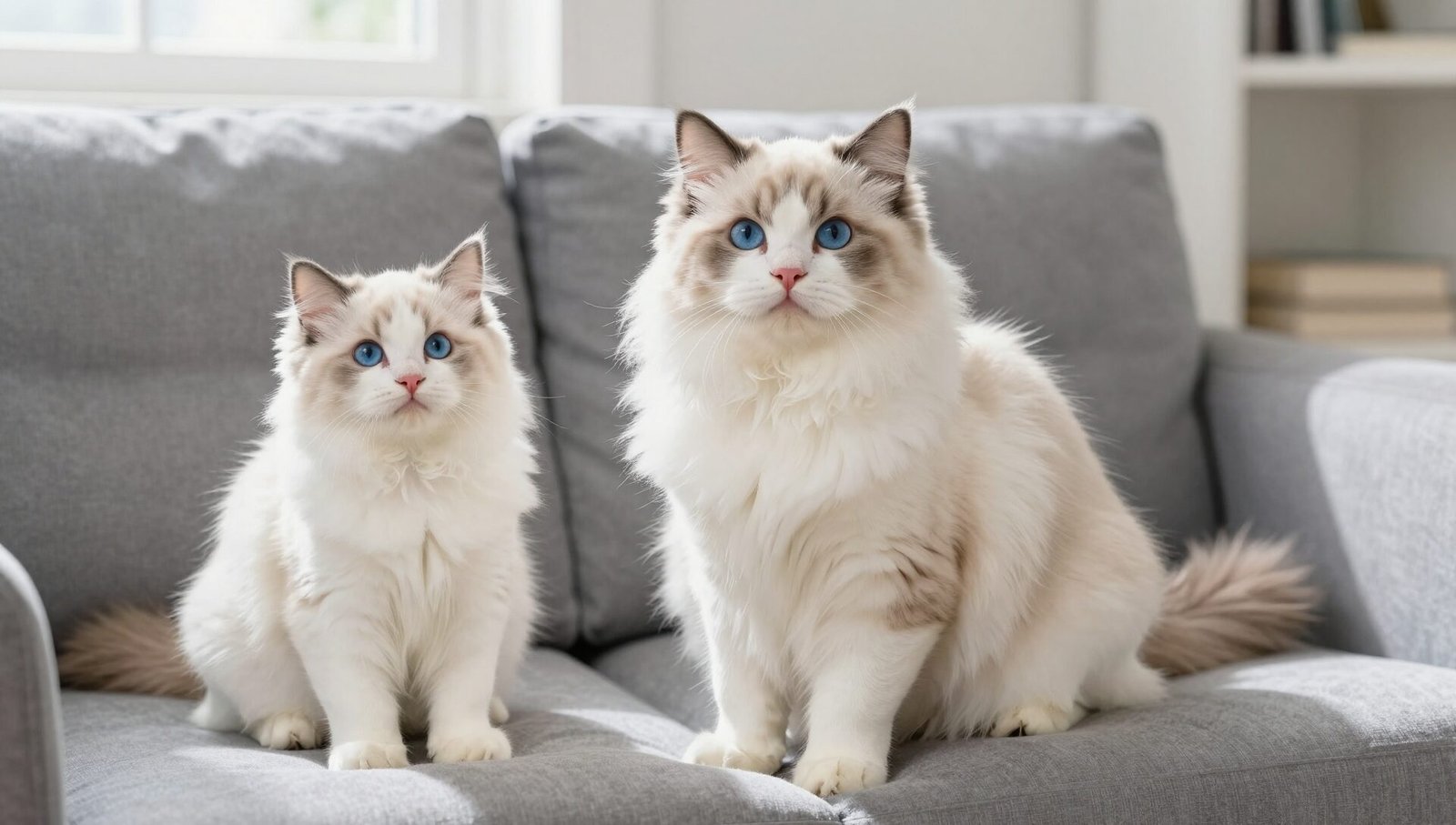
These cats are not a separate breed; they are 100% Ragdoll. They are registered as SBT (Stud Book Tradition) just like their blue-eyed cousins. However, unlike the traditional pointed Ragdolls who are born white and darken with age, mink and solid cinnamon variants are often born with their colour visible from day one. It’s like getting a preview of the masterpiece they will become. Their eyes are also distinct; while traditional Ragdolls have deep blue eyes, cinnamon variants often sport stunning aqua, aqua-green, or sometimes the rare blue, depending on their specific genetic background (whether they are mink, sepia, or solid).
Temperament & Personality: The Ultimate “Puppy Cat”
If you are looking for a guard dog but your landlord says “no pets,” a Ragdoll is the next best thing. The temperament of a cinnamon ragdoll cat is identical to its pointed siblings—it is the definition of a “puppy cat.”
I remember my first Ragdoll; he would greet me at the door, follow me to the loo, and wait outside the shower like a concerned lifeguard. These cats are intensely social and crave human interaction. They are not the type of cat to hide under the bed when guests arrive; they want to be the centre of attention.
- Affectionate: They love being held and cuddled.
- Gentle: They rarely extend their claws during play.
- Social: They get along well with children and other pets.
However, this affection comes with a clause: separation anxiety. Because they are so attached to their owners, leaving a Ragdoll alone for long periods can lead to behavioural issues or depression. If you work long hours, consider getting two so they have company. They are placid and quiet, making them perfect for flat living in busy UK cities, but they need interaction. A bored Ragdoll is a mischievous Ragdoll.
Diet & Nutrition: Fueling the Fluff
Proper feline nutrition is the cornerstone of health. A cinnamon ragdoll cat can grow quite large—males can reach 6-9kg—so their diet needs to support their size without leading to obesity. It’s a fine balance; you want them majestic, not waddling.
I always recommend a mix of high-quality wet food and dry biscuits. Wet food is essential for hydration, as cats are notoriously bad drinkers. I’ve learned the hard way that cheap dry food leads to urinary tract issues down the line.
Dietary Tips:
- High Protein: Look for foods where meat is the first ingredient.
- Hydration: A cat water fountain is a game-changer. My cats ignored their bowl until I plugged in a fountain.
- Treats: Use them sparingly. Ragdolls are foodies and will beg.
| Food Type | Pros | Cons |
|---|---|---|
| Dry Food (Kibble) | Good for teeth, convenient. | Low moisture, can be high carb. |
| Wet Food (Pouches) | High moisture, palatable. | Spoils quickly, bad for teeth if used alone. |
| Raw Diet | Natural, high protein. | Risk of bacteria, requires prep. |
Grooming & Coat Care: The Fluff Factor
Ragdolls are known for their silky, non-matting coats, but let’s be real—they still shed. A lot. Grooming a cinnamon ragdoll cat is less about preventing tangles (though that’s part of it) and more about managing the sheer volume of fluff that seems to defy the laws of physics.
I once found a clump of Ragdoll fur under my sofa that I initially mistook for a missing slipper. You need a good routine.
Grooming Routine:
- Brushing: Aim for 2-3 times a week with a steel comb.
- Bathing: Occasionally necessary, especially if they have a litter tray mishap.
- Claws: Trim every few weeks.
Unlike long-haired Persians, Ragdolls don’t have a dense undercoat, which makes brushing easier. However, the fur around their trousers (back legs) and tummy can get messy. Keep a pet-safe wet wipe handy for post-litter box cleaning. A clean cat is a happy cat.
Health & Lifespan: Longevity and Care
This breed is generally robust, but like many purebreds, they have predispositions. A healthy cinnamon ragdoll cat can live anywhere from 12 to 17 years, sometimes longer with great care.
The main concern in the breed is Hypertrophic Cardiomyopathy (HCM). This is a heart condition where the walls of the heart thicken. Reputable breeders in the UK will screen for this. If you are buying a kitten, ask for the parents’ HCM scans.
Other issues include:
- Polycystic Kidney Disease (PKD)
- Urinary Tract Issues
- Obesity (due to their laid-back nature)
Keep up with annual vet visits. In the UK, vaccinations for Cat Flu and Feline Leukaemia are standard. Insurance is highly recommended; vet bills can skyrocket faster than a kitten chasing a laser pointer.
Indoor vs Outdoor Living: The Great Debate
In the UK, many owners debate whether cats should roam free. For a cinnamon ragdoll cat, I strongly advocate for an indoor lifestyle or a secure “catio.”
Why? Because they are terrible at defending themselves. Their docile nature means they won’t fight back if confronted by a fox or a neighbourhood bully cat. They also have no “street smarts” and can easily get lost or stolen due to their value.
Enrichment for Indoor Cats:
- Cat Trees: Essential for climbing and scratching.
- Window Perches: Bird watching is Cat TV.
- Interactive Toys: Feather wands keep them agile.
If you have a secure garden, you can train them to walk on a harness. It sounds daft, but it works. It gives them the fresh air they crave without the risk of them legging it after a squirrel.
Training & Enrichment: Keeping Them Sharp
Don’t let the sleepy exterior fool you; Ragdolls are intelligent. Training a cinnamon ragdoll cat is actually quite rewarding because they are so food-motivated.
- Litter Training: Usually a breeze. Most breeders start this before you even pick them up.
- Clicker Training: You can teach them to sit, high-five, or come when called.
- Scratching: Provide specific scratching posts (sisal rope is best) to save your sofa.
I once taught my Ragdoll to ring a bell to go out into the catio. It was cute for the first week, then annoying for the rest of eternity. Be careful what you teach them!
Pros and Cons of Ownership
Before you commit, let’s look at the reality.
Pros:
- Stunning Appearance: The cinnamon coat is unique and eye-catching.
- Gentle Nature: Perfect for families with children.
- Quiet: They don’t vocalize excessively.
- Sociable: They love other pets.
Cons:
- High Maintenance Grooming: Requires regular brushing.
- Cost: Vet care and high-quality food are expensive.
- Fragile Ego: They don’t like being alone.
- Shedding: Your black trousers will never be the same.
FAQs
How much does a cinnamon ragdoll cat cost in the UK? They are rare, so expect to pay a premium. Prices can range from £800 to £1,500+ depending on the breeder and lineage. Always check that the breeder is GCCF or TICA registered.
Are cinnamon ragdoll cats hypoallergenic? No cat is truly hypoallergenic. While Ragdolls lack an undercoat, they still produce the Fel d 1 protein that causes allergies. Always spend time with the breed before committing if you have sensitivities.
Do cinnamon ragdolls get along with dogs? Absolutely. Their placid nature makes them excellent companions for cat-friendly dogs. Proper introductions are key.
How big does a cinnamon ragdoll cat get? Males can reach 6-9kg and females 4-6kg. They are slow growers, not reaching full physical maturity until they are around 3-4 years old.
What is the difference between a mink and a cinnamon ragdoll? Mink refers to the texture and depth of the coat (richer and softer), while cinnamon refers to the specific colour pigment. A cat can be both a mink and a cinnamon.
Do they need special food? They don’t need a special “colour-specific” diet, but they do need high-quality, protein-rich food to support their muscle mass and coat health.
Conclusion
Owning a cinnamon ragdoll cat is a rewarding experience that brings a unique blend of beauty and companionship into your home. They are more than just a pretty face; they are family members who will demand your lap and reward you with unconditional love.
While they require commitment in terms of grooming, diet, and emotional availability, the payoff is a loyal friend who will be by your side for years. If you are prepared for the fur-storm and the vet visits, this rare, warm-toned beauty might just be the purr-fect addition to your life. 🐾