As cat owners, we often focus on the fun stuff—the zoomies at 3 a.m., the inexplicable love for cardboard boxes, and the eternal struggle to find a food they’ll actually eat. But there’s one crucial aspect of cat care that often gets swept under the rug: cat teeth cleaning. I’ll admit, the first time I tried to brush my cat’s teeth, I ended up with a scratch on my arm and a look of pure betrayal from my furry friend. But trust me, it’s a battle worth fighting.
Dental disease is incredibly common in cats. Studies suggest that by the age of three, most cats have some form of dental disease. Left unchecked, plaque and tartar can lead to gingivitis, tooth loss, and even organ damage. It’s not just about fresh breath; it’s about your cat’s overall health and lifespan.
In this guide, I’ll share practical, real-world advice on how to master cat teeth cleaning without losing your sanity (or your skin). We’ll cover everything from choosing the right tools to using diet and enrichment to support dental health. Let’s dive in!
The Importance of Cat Dental Health
You might think that because cats are independent creatures, they can handle their own dental care. Unfortunately, that’s a myth. In the wild, cats might chew on bones to help clean their teeth, but our domesticated felines—especially those on soft, wet diets—don’t get that natural cleaning action.
Poor dental health isn’t just about stinky breath. It can lead to serious, painful conditions:
- Gingivitis: Inflammation of the gums.
- Periodontal Disease: Infection and inflammation of the structures around the teeth.
- Tooth Resorption: A painful condition where the tooth structure breaks down.
- Systemic Health Issues: Bacteria from the mouth can enter the bloodstream and affect the heart, kidneys, and liver.
Regular dental care can add years to your cat’s life. It’s one of the most impactful things you can do for their long-term well-being.
Signs Your Cat Has Dental Problems
Cats are masters of hiding pain. By the time they show obvious signs of discomfort, the problem is often advanced. That’s why regular checks are so important.
What to look for:
- Bad Breath: One of the first signs. If your cat’s breath could peel paint, it’s time for a check-up.
- Difficulty Eating: Dropping food, chewing on one side, or avoiding hard food altogether.
- Drooling: Excessive drooling can indicate oral pain.
- Red or Swollen Gums: Healthy gums should be pink, not angry red.
- Pawing at the Mouth: A clear sign of discomfort.
- Behavioural Changes: Hiding, irritability, or reluctance to be touched around the head.
If you notice any of these signs, book a vet appointment immediately. Early intervention is key.
How to Clean Your Cat’s Teeth at Home
This is where the rubber meets the road. Here’s a step-by-step guide to brushing your cat’s teeth at home, based on my own trial-and-error experiences.
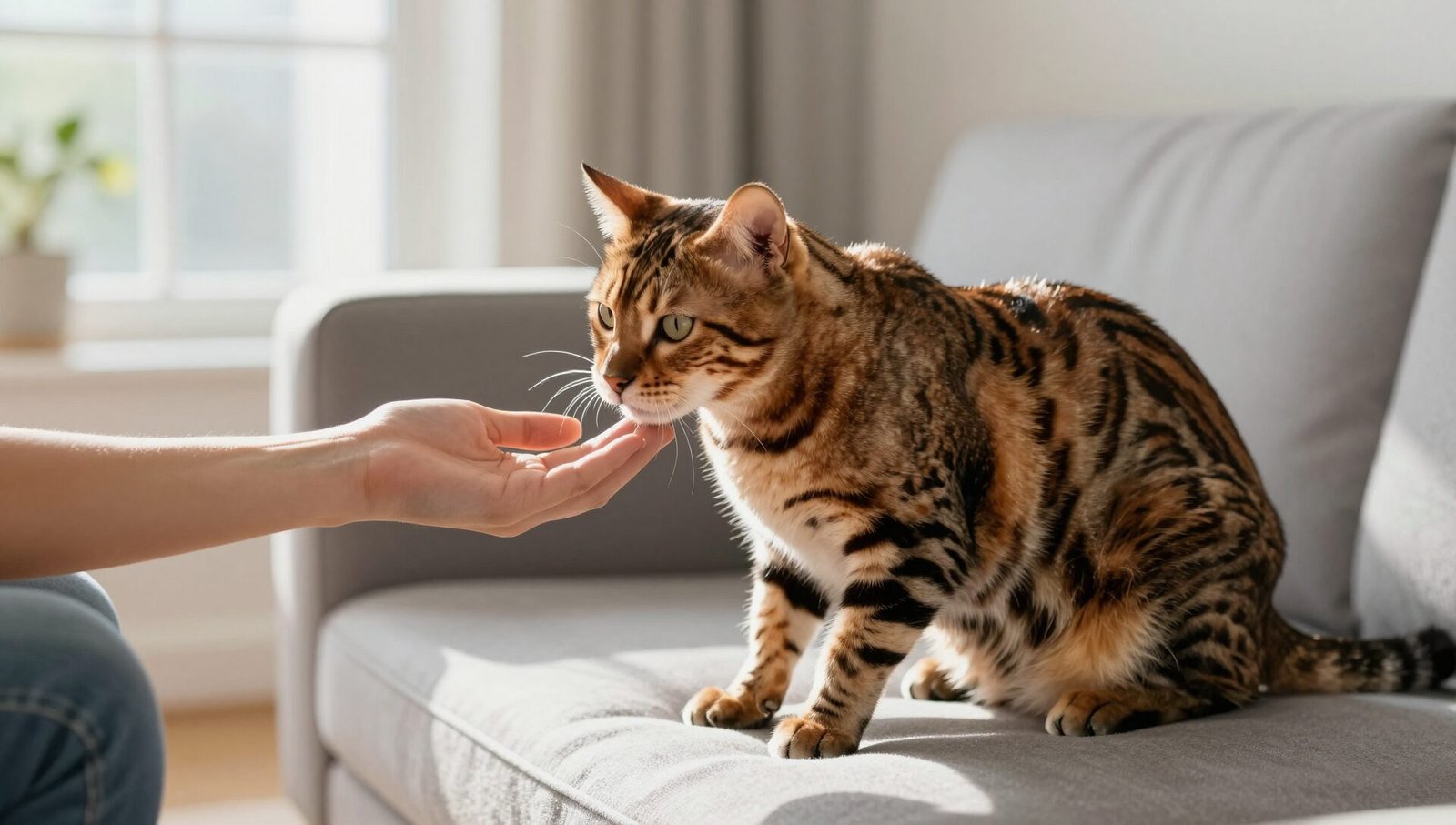
Step 1: Get Them Used to Touch Start by gently lifting your cat’s lips and touching their gums with your finger. Do this for a few seconds daily, rewarding them with a treat afterwards.
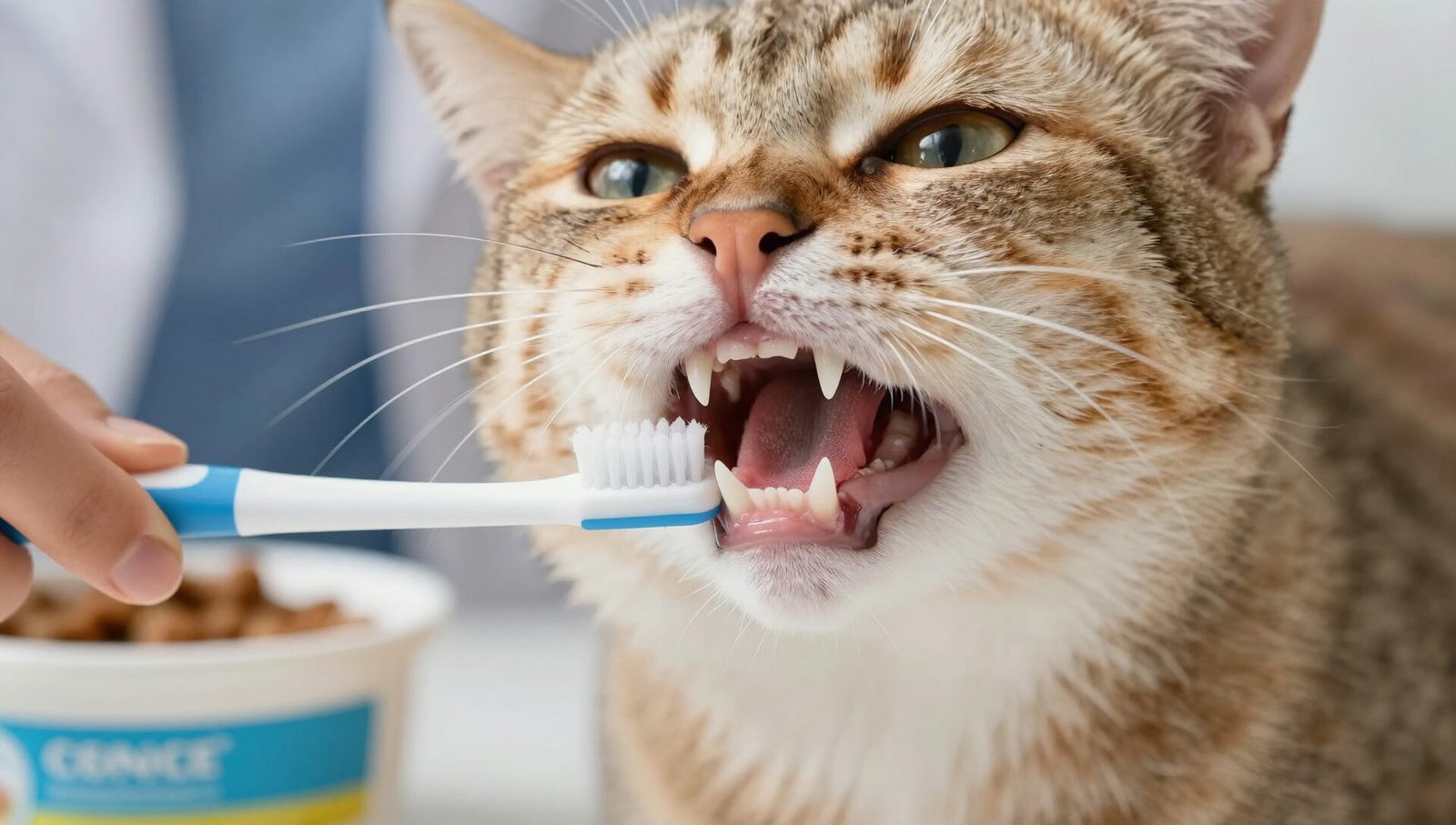
Step 2: Introduce the Toothbrush Once they’re comfortable with touch, let them sniff and lick the toothbrush (with pet-safe toothpaste).
Step 3: Start Brushing Use gentle, circular motions on the outer surfaces of the teeth. Focus on the gum line where plaque accumulates. Start with just a few teeth and gradually work up to a full session.
Step 4: Keep it Short and Positive Aim for 30 seconds to one minute per session. Always end on a positive note with praise, play, or a treat.
Pro Tip: If your cat absolutely refuses a toothbrush, dental gels or wipes can be a good alternative, though they may be less effective.
Choosing the Right Toothbrush and Toothpaste
You can’t use human toothpaste—it contains fluoride and foaming agents that are toxic to cats. You’ll need cat-specific tools.
| Tool | Pros | Cons |
|---|---|---|
| Finger Brush | Easy to use, good for beginners. | Less effective for back teeth. |
| Cat Toothbrush | Designed for a cat’s mouth, more effective. | Can be harder to introduce. |
| Pet Toothpaste | Flavoured (poultry, malt) to appeal to cats. | Some cats dislike the taste. |
| Dental Gel/Wipe | No brush needed, easy application. | Less mechanical cleaning action. |
Look for products with the VOHC (Veterinary Oral Health Council) seal of approval—this means they’ve been proven effective.
Making Cat Teeth Cleaning Stress-Free
Let’s be honest: most cats don’t exactly roll out the red carpet for a toothbrushing session. But with patience and the right approach, you can make it a positive experience.
Tips for a stress-free routine:
- Choose the Right Time: Brush when your cat is calm and relaxed—after a play session or a meal.
- Create a Safe Space: Use a quiet room with no distractions.
- Use Positive Reinforcement: Reward with treats, praise, or play immediately after.
- Start Slow: Don’t rush the process. It might take weeks before they’re comfortable.
- Stay Calm: Your cat can sense your anxiety. If you’re stressed, they’ll be stressed.
- Stop if They’re Upset: If your cat becomes agitated, stop and try again later. Forcing it will create negative associations.
Remember, consistency is more important than perfection. Even a quick swipe with a dental wipe is better than nothing.
The Role of Diet in Feline Dental Health
What you feed your cat plays a huge role in their dental health. While diet alone can’t replace brushing, it can significantly support it.
Dry vs. Wet Food: There’s a common misconception that dry food cleans teeth. In reality, most kibble shatters on contact and doesn’t provide much abrasive action. However, some specially formulated dental diets have larger kibble designed to clean teeth as the cat bites into them.
Dental Treats and Chews: These can help reduce plaque and tartar buildup. Look for products with the VOHC seal. My cat goes absolutely bonkers for dental treats—they think they’re getting a snack, and I know I’m helping their teeth. It’s a win-win!
Water Additives: These are flavourless liquids you add to your cat’s water bowl. They can help reduce bacteria in the mouth. They’re a great option for cats who won’t tolerate brushing.
| Dietary Option | Effectiveness | Ease of Use |
|---|---|---|
| Dental Diet Kibble | Moderate | High |
| Dental Treats | Low to Moderate | High |
| Water Additives | Low | Very High |
Indoor vs Outdoor Cats: Dental Considerations
Does your cat’s lifestyle affect their dental health? In some ways, yes.
Indoor Cats:
- Often on a more consistent, controlled diet.
- May have less opportunity for natural chewing (e.g., on bones or prey).
- Can benefit greatly from regular brushing and dental enrichment toys.
Outdoor Cats:
- May chew on grass, bones, or prey, which can provide some natural cleaning.
- However, they’re also at higher risk for dental injuries (e.g., from fights or accidents).
- May be harder to establish a consistent dental routine with.
Regardless of lifestyle, all cats benefit from regular dental checks and, ideally, some form of home dental care.
Pros and Cons of Regular Cat Teeth Cleaning
Let’s weigh up the benefits and challenges.
Pros:
- Prevents Painful Disease: Reduces risk of gingivitis, periodontal disease, and tooth resorption.
- Saves Money Long-Term: Preventative care is far cheaper than professional cleanings and extractions.
- Improves Quality of Life: A cat with healthy teeth eats better, plays more, and is generally happier.
- Freshens Breath: No more stinky kisses!
- Strengthens Your Bond: The handling involved can increase trust between you and your cat.
Cons:
- Time and Effort: It requires daily commitment.
- Potential for Resistance: Some cats simply won’t tolerate it.
- Initial Costs: You’ll need to buy toothbrush and toothpaste.
- Stress for Cat (Initially): The learning curve can be stressful for both of you.
In my experience, the pros far outweigh the cons. Once you establish a routine, it becomes just another part of your day—like feeding or litter training.
When to See a Vet for Dental Issues
Home care is essential, but it’s not a substitute for professional veterinary care.
When to book a vet visit:
- If you notice any of the signs mentioned earlier (bad breath, difficulty eating, etc.).
- For annual dental check-ups (often part of their yearly wellness exam).
- If your cat needs a professional dental cleaning under anaesthesia.
- If you suspect a broken or loose tooth.
Professional Dental Cleaning: This involves scaling (removing tartar) and polishing, often under general anaesthesia. It’s the gold standard for treating existing dental disease. It can be expensive (£200-£500+), so having pet insurance that covers dental treatment is a smart move.
Pet Insurance: Check your policy carefully. Many policies cover dental illness (like gingivitis) but not routine dental care. Everypaw, for example, includes dental cover in their vet fee cover, provided you keep up with regular check-ups and follow vet advice.
Frequently Asked Questions
How often should I brush my cat’s teeth?
Ideally, daily. However, even 3-4 times a week can make a significant difference. The key is consistency. If daily brushing isn’t realistic for you, aim for as often as you can manage and supplement with dental treats or water additives.
What kind of toothpaste should I use for my cat?
Always use toothpaste specifically formulated for cats. Human toothpaste contains fluoride and foaming agents that are harmful if swallowed. Cat toothpaste comes in flavours like poultry or malt, which most cats find palatable. Never use human toothpaste.
My cat hates having their teeth brushed. What should I do?
Start by getting them used to having their mouth touched. Lift their lips and touch their gums with your finger for a few seconds, then reward them. Gradually introduce a finger brush or gauze. If they still resist, try dental gels, wipes, or water additives. The goal is to find a method they’ll tolerate.
Is dry food better for my cat’s teeth than wet food?
This is a common myth. Most dry kibble shatters on contact and doesn’t provide much abrasive cleaning action. However, some specially formulated dental diets have larger kibble designed to clean teeth. The best approach is a combination of good nutrition and regular brushing.
How much does professional cat teeth cleaning cost in the UK?
Costs vary depending on your location and the extent of the work needed. A basic scale and polish under anaesthesia can cost anywhere from £200 to £500 or more. Extractions and other procedures will add to the cost. This is why pet insurance and preventative care are so important.
Are dental treats effective for cat teeth cleaning?
They can help, but they shouldn’t be your only method. Dental treats are a great supplement to brushing, but they’re not a replacement. Look for products with the VOHC (Veterinary Oral Health Council) seal, which means they’ve been proven effective at reducing plaque and tartar.
Conclusion
Cat teeth cleaning might not be the most glamorous part of cat ownership, but it’s one of the most important. By incorporating regular brushing into your routine, choosing the right diet, and staying vigilant for signs of dental disease, you can save your cat from pain and yourself from expensive vet bills.
Remember, start slow, be patient, and use positive reinforcement. Even if your cat looks at you like you’ve betrayed them the first time, they’ll eventually (grudgingly) accept it as part of the routine. Your cat’s healthy smile—and fresh breath—will be worth it.
Image Metadata:
- Image Prompt: A fluffy ginger cat sitting on a bathroom counter, looking curiously at a small cat toothbrush with chicken-flavoured toothpaste, soft natural light, for an article on cat teeth cleaning.
- Image Alt Text: A ginger cat examining a toothbrush for cat teeth cleaning.
- Image Title: Cat Teeth Cleaning at Home.
- Image Caption: Getting your cat used to the toothbrush is the first step in a successful cat teeth cleaning routine.
- Image Description: A domestic ginger cat on a bathroom counter, inspecting a cat-sized toothbrush and toothpaste, illustrating the process of cat teeth cleaning at home.
- Tags: Cat Teeth Cleaning, feline dental care, cat grooming, cat health, pet dental hygiene