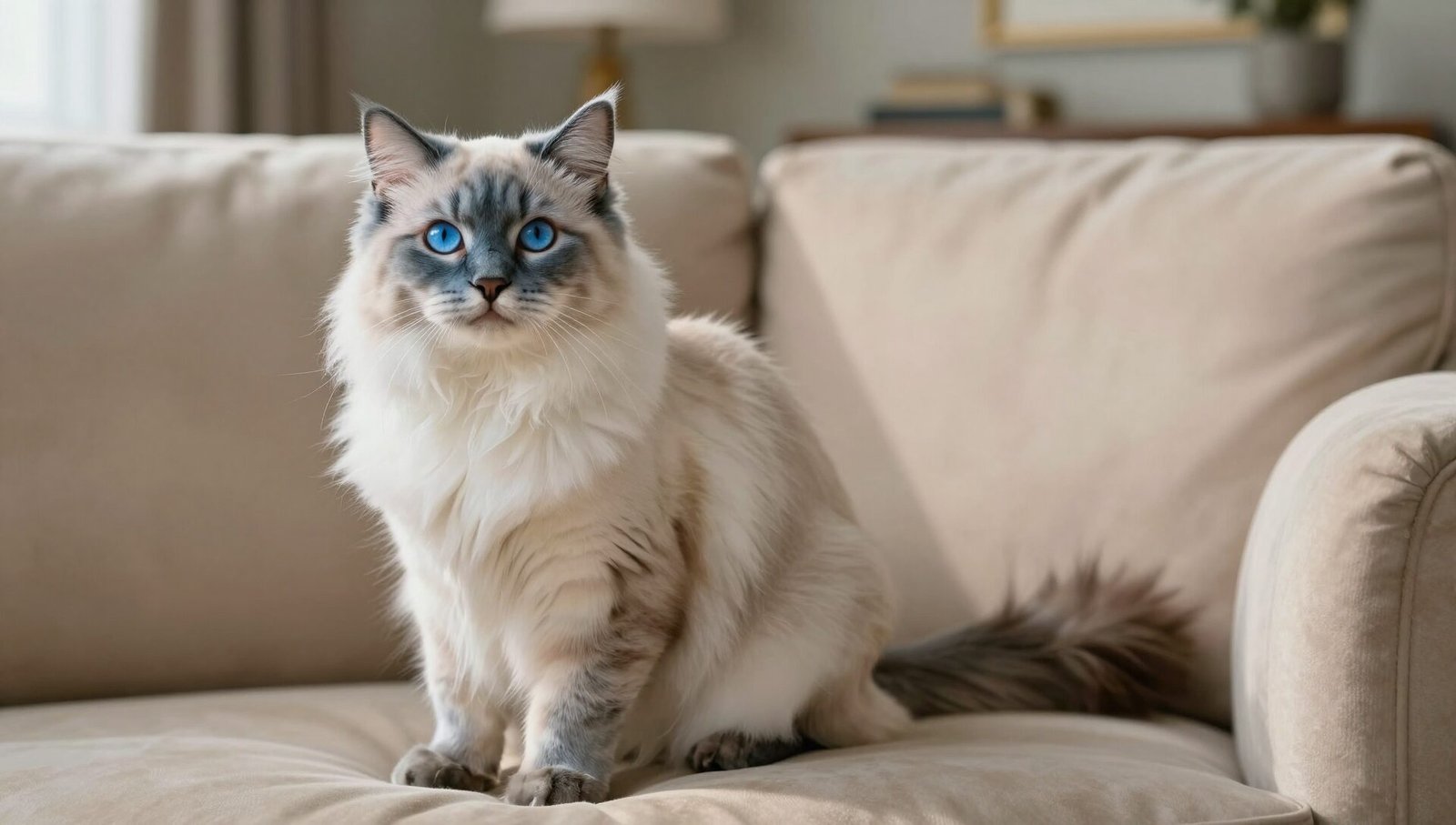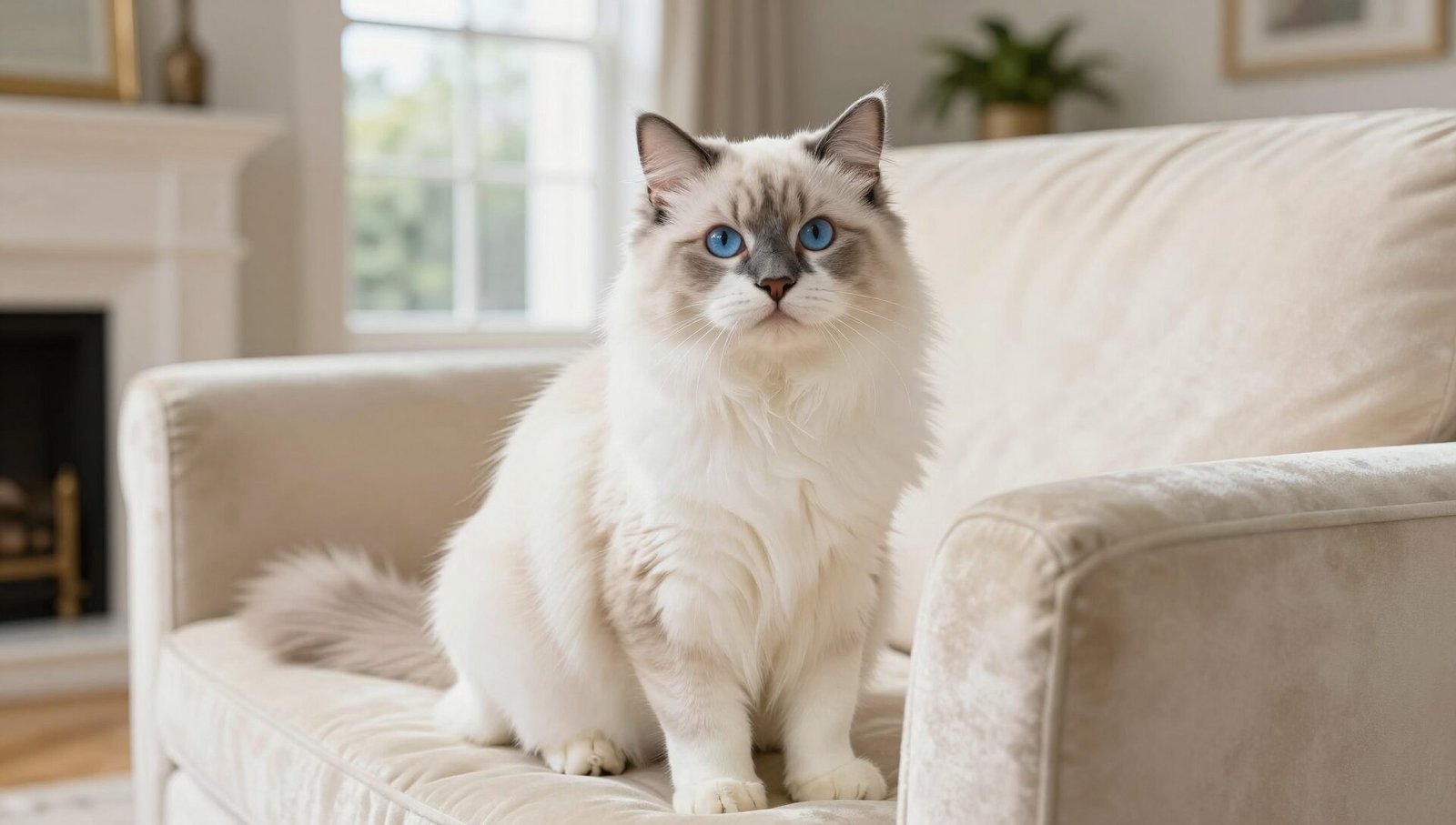
When I first laid eyes on a Ragdoll at a local cat show in London, I thought it was a stuffed toy. It was just too perfect, flopping lazily in the judge’s arms like a plush cushion. It wasn’t until it blinked those piercing blue eyes that I realised I was looking at one of the most unique felines on the planet. If you are researching ragdoll facts, you are likely smitten by their beauty, but there is so much more to these cats than just a pretty face.
As someone who has spent years navigating the ups and downs of cat ownership, I can tell you that the Ragdoll is a breed that defies feline stereotypes. They are often called “dog-like” cats, but that barely scratches the surface. In this guide, we will delve deep into the breed’s history, their specific dietary needs, and the reality of living with a giant, floppy furball. Whether you are a first-time owner or a seasoned cat enthusiast, understanding these details is crucial for providing the best possible life for your new companion.
The Origins of the Ragdoll
You cannot fully appreciate the breed without looking at its relatively recent history. The Ragdoll is a distinctly American invention, originating in Riverside, California, during the 1960s. The breed was founded by a breeder named Ann Baker. The story goes that her domestic longhaired white cat, named Josephine, was involved in a car accident. After recovering, Josephine apparently produced kittens with uniquely docile temperaments and a tendency to go limp when picked up—hence the name “Ragdoll.”
While some of the early history is shrouded in mystery and arguably eccentric breeding claims (Ann Baker famously claimed they had human genes or alien connections, which is certainly not on the list of verified ragdoll facts!), the result was undeniable. Baker bred Josephine with other cats, including a Burmese and a Birman, to lock in the traits we love today.
The breed arrived in the UK in the early 1980s and quickly gained a loyal following. Unlike many breeds that evolved naturally over centuries, the Ragdoll was meticulously engineered for companionship. This history explains their lack of aggression and their overwhelming desire to be near humans. They weren’t bred to hunt mice in barns; they were bred to sit on sofas and be adored.
Uncovering Essential Ragdoll Facts: Size and Looks
One of the first things you need to know is that these cats are massive. If you are coming from owning a standard domestic shorthair, prepare yourself for a shock. Male Ragdolls can weigh between 6 and 9 kg (sometimes even more), while females are slightly smaller, typically ranging from 4 to 7 kg. They are slow growers, often not reaching their full physical maturity until they are four years old.
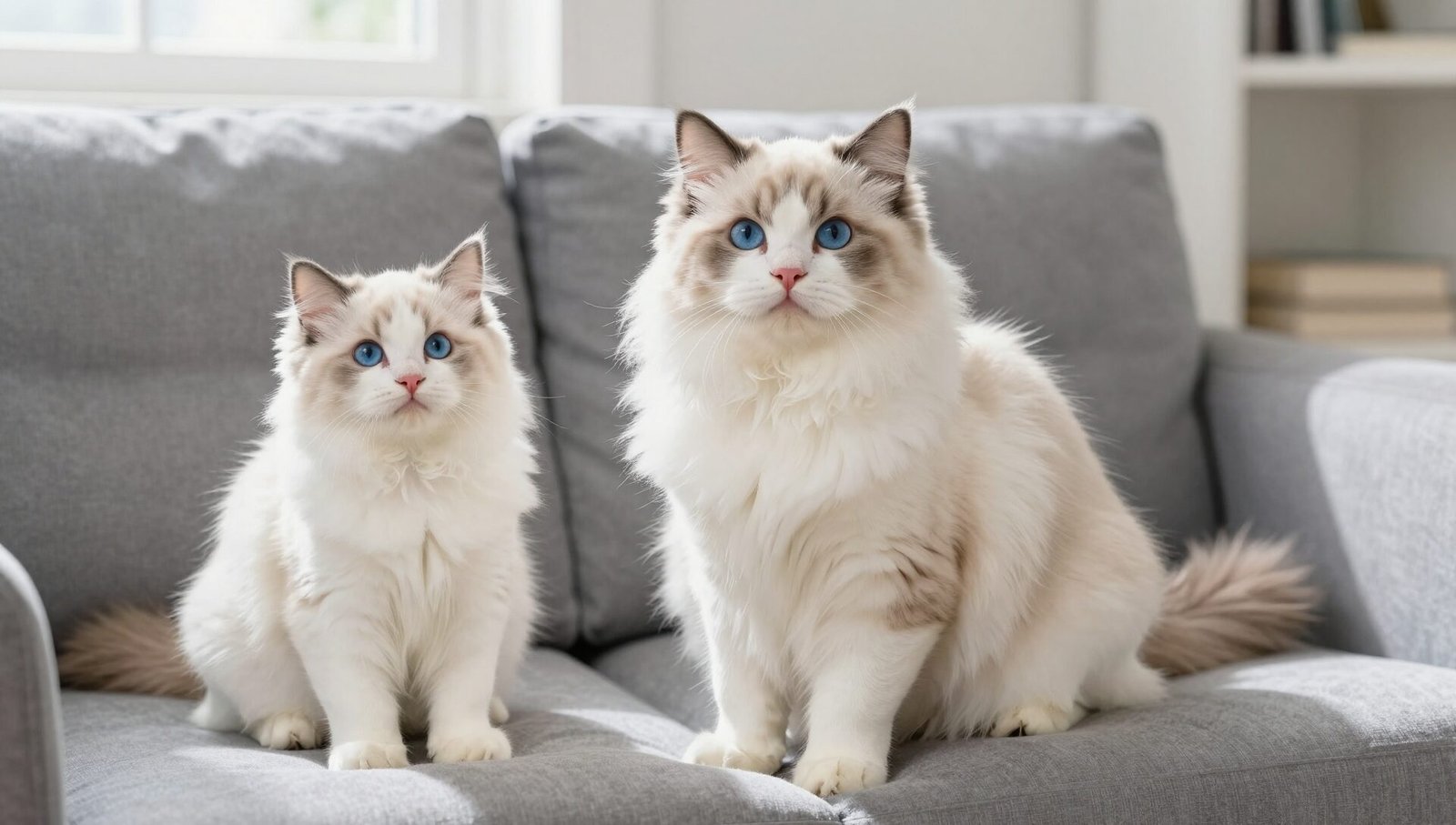
Their physical appearance is governed by strict breed standards. They possess a semi-long, silky coat that is distinctively soft—often compared to rabbit fur because it lacks the dense undercoat found in most longhaired breeds. This lack of undercoat is a vital piece of information, as it changes the grooming dynamics entirely.
The coat always features colourpoint patterns (darker extremities) and they must have blue eyes to be considered a true Ragdoll. There are three main patterns:
- Colourpoint: Darker ears, face, paws, and tail.
- Mitted: Similar to colourpoint but with white “mittens” on the paws and a white chin.
- Bicolour: An inverted ‘V’ on the face, white legs, and a white abdomen.
| Feature | Details |
|---|---|
| Size | Large to Giant |
| Coat Texture | Silky, rabbit-like, low matting |
| Eye Colour | Always Blue |
| Growth Rate | Slow (4 years to full size) |
Temperament and Behaviour
The personality of a Ragdoll is arguably their most selling point. If you want a aloof, independent cat that treats you like staff, look elsewhere. The Ragdoll wants to be involved in everything you do. I often joke that mine doesn’t have a personal space bubble; she is physically incapable of being in a different room from me.
They are frequently described as “puppy-like.” This isn’t just marketing fluff. Many Ragdolls will greet you at the door when you come home from work and follow you from room to room. They are known for “flopping”—when you pick them up or when they relax, their muscles seemingly turn to jelly, and they go limp in your arms.
However, this trusting nature means they have essentially zero street smarts. This is one of the most critical ragdoll facts for safety: they should be indoor cats. They lack the survival instincts of a Bengal or a Maine Coon. A Ragdoll encountering a fox or a car is a disaster waiting to happen. They are simply too trusting and slow to react to threats.
Feline Nutrition for the Gentle Giant
Feeding a Ragdoll requires a bit of thought because of their size and their susceptibility to weight gain. Because they are not particularly high-energy hunters, they can easily become obese if you free-feed them kibble without supervision.
Dietary needs change as they grow. A Ragdoll kitten is essentially growing for four years, so they require high-calorie, protein-rich food for much longer than the average kitten. Once they hit adulthood, you need to balance maintaining muscle mass without adding excess fat.
Key Nutritional Guidelines:
- High Animal Protein: Look for foods where meat (chicken, turkey, fish) is the first ingredient.
- Wet vs. Dry: I highly recommend a mix. Wet food helps with hydration, which is vital for preventing urinary tract issues—a common problem in this breed.
- Watch the Treats: They are charming, and they know it. It is easy to over-treat them.
Regarding hydration, many Ragdolls are notoriously picky drinkers. I have had success with water fountains. The moving water entices them to drink more, which flushes out the kidneys.
| Life Stage | Diet Focus | Feeding Frequency |
|---|---|---|
| Kitten (0-1 yr) | High-calorie, growth formula | 3-4 times a day |
| Junior (1-4 yrs) | High protein, moderate fat | 2-3 times a day |
| Adult (4+ yrs) | Weight management, lean protein | 2 times a day |
Coat Care and Grooming Needs
One of the great ragdoll facts that surprises people is that they are relatively low maintenance for a long-haired cat. Because they lack that woolly undercoat, their fur does not mat as easily as a Persian’s. That said, “low maintenance” does not mean “no maintenance.”
You should aim to brush them at least twice a week to remove loose hair and distribute skin oils. During the spring and autumn shedding seasons, you might find tumbleweeds of fur under the sofa, so daily brushing becomes necessary.
Another quirk of the breed is that they can be fastidious self-groomers, sometimes too fastidious. This leads to hairballs. Because their fur is fine and silky, it slides down the throat easily and forms clumps in the stomach. A diet with high fibre content or specialised hairball control food is often necessary to keep the plumbing moving, so to speak.
Don’t forget the basics, either. Regular ear checks are important as they can be prone to wax build-up, and keeping those claws trimmed will save your sofa from the inevitable “Ragdoll flop and scratch” manoeuvre.
Health and Lifespan
No discussion of ragdoll facts is complete without a serious look at health. They are generally robust cats with a lifespan of 12 to 15 years, sometimes longer. However, they are genetically predisposed to certain conditions that prospective owners must be aware of.
The most significant concern is Hypertrophic Cardiomyopathy (HCM). This is a thickening of the heart muscle, which can lead to heart failure. Reputable breeders in the UK screen for the specific gene mutation (MYBPC3) associated with HCM in Ragdolls. Always ask for proof of screening.
Another issue is Polycystic Kidney Disease (PKD) and bladder stones. Because they are prone to urinary issues, monitoring their water intake and diet is not just about weight—it’s about preventing painful blockages.
- Hypertrophic Cardiomyopathy (HCM): Genetic heart condition.
- Bladder Stones: Due to concentrated urine.
- Obesity: Due to sedentary indoor lifestyle.
Regular vet check-ups are non-negotiable. I recommend twice-yearly visits for seniors to catch any silent issues early.
Indoor Living and Enrichment
Given their lack of survival instincts, keeping a Ragdoll indoors is the standard advice in the UK. While some owners invest in “catios” (enclosed patios) or harness train them, the average Ragdoll is perfectly happy inside—as long as the inside is interesting.
A bored Ragdoll is a destructive Ragdoll. They are intelligent and need mental stimulation.
Enrichment Ideas:
- Vertical Space: They may not be the most agile climbers, but they enjoy high vantage points. Sturdy cat trees are a must.
- Interactive Toys: Puzzle feeders keep their brains sharp.
- Window Perches: “Cat TV” is essential. Watching birds through the window provides hours of entertainment.
I learned the hard way that you cannot skimp on scratching posts. They are large cats with strong paws. A flimsy cardboard scratcher will be destroyed in minutes. Invest in heavy, sisal-wrapped posts that won’t tip over when they put their weight into a good stretch.
Training and Litter Habits
Here is a fun fact: Ragdolls are highly trainable. Because they are so food-motivated and eager to please, you can teach them tricks. I have successfully taught a Ragdoll to “high five” and play fetch. It takes patience and positive reinforcement, but it is a great way to bond.
Litter Training: Generally, Ragdolls take to litter boxes like ducks to water. However, their size can be a challenge. A standard kitten-sized box will feel cramped for a 9kg tomcat. You need a large, high-sided box to accommodate their size and prevent litter from being kicked everywhere.
They can be sensitive to litter texture. If your Ragdoll starts refusing the box, try switching to a finer, sand-like clumping litter before assuming it’s a behavioural issue. It might just be that their soft paws are sensitive to coarse pellets.
Is a Ragdoll Right for You?
So, you have absorbed the ragdoll facts. You know they are big, beautiful, and affectionate. But is the reality of living with them all sunshine and roses? Let’s weigh the pros and cons.
Pros:
- Temperament: Unbeatable. They are gentle, great with kids, and get along with other pets.
- Noise: They have soft, quiet voices. They don’t “yowl” like a Siamese.
- Look: They are stunningly beautiful.
Cons:
- Cost: They are expensive to buy and expensive to insure due to potential heart issues.
- Neediness: If you work 12-hour days, this cat will be miserable. They need company.
- Shedding: Your black trousers are no longer safe.
If you have the time, the space, and the budget for high-quality food and vet care, the Ragdoll is one of the most rewarding companions you will ever have.
Frequently Asked Questions (FAQs)
Are Ragdoll cats hypoallergenic?
No, they are not. While they lack an undercoat, which can reduce the amount of dander compared to some breeds, they still produce the Fel d 1 protein that causes allergic reactions. Always spend time with the breed before committing if you have allergies.
Do Ragdoll cats like water?
Interestingly, yes! Many owners report that their Ragdolls are fascinated by running taps and will play in water bowls. However, this doesn’t mean they want a bath. They are curious, not masochistic.
Why do Ragdoll cats go limp?
This is a genetic trait from their founding stock. It is a sign of extreme relaxation and trust. It is essentially a “flop” response, showing they feel safe in your arms.
Can Ragdoll cats go outside in the UK?
It is highly discouraged. The UK has busy roads and natural predators (like foxes) that pose a threat to this trusting breed. Catios or supervised harness walks are the safest alternatives.
How much do Ragdoll cats cost in the UK?
Prices vary, but from a reputable breeder with health screening, expect to pay between £500 and £1,200. Kittens with show potential can cost significantly more.
Are Ragdoll cats lazy?
They are certainly placid, but “lazy” might be unfair. They enjoy bursts of play and energy, followed by long naps. They have a moderate energy level—more active than a Persian, less manic than a Bengal.
Conclusion
Living with a Ragdoll is a unique experience. They are not just pets; they become integral members of the family, often acting as the furry peacekeeper or the resident clown. By understanding these ragdoll facts, you are better equipped to provide a loving, healthy, and stimulating environment for them. From choosing the right high-protein diet to investing in sturdy scratching posts, every little detail contributes to their quality of life. If you decide to welcome one into your home, prepare for a life of soft fur, blue eyes, and unconditional love.