Introduction
Bringing a cat into your home is a decision filled with excitement, but for those of us who suffer from allergies, it can also be a bit of a minefield. I’ve been there—sniffling through visits to friends’ houses, wondering if I’d ever be able to share my sofa with a furry companion. If you’ve found yourself asking, are Balinese cats hypoallergenic, you’re in the right place.
These elegant felines are often touted as the saviour for allergy-prone cat lovers, but we need to look beyond the marketing fluff. In this guide, I’ll walk you through everything you need to know about this stunning breed, from their unique coat to their chatty personality, and give you the honest truth about living with them when you have sensitivities. Let’s get stuck in.
The Big Question: Are Balinese Cats Hypoallergenic?
Right, let’s cut to the chase. If you’re hoping for a 100% allergy-free cat, I have to be the bearer of bad news: no cat breed is truly hypoallergenic. The allergen that causes us to sneeze and itch is a protein called Fel d 1, found primarily in a cat’s saliva and sebaceous glands.
When a cat grooms itself, this protein is transferred to their fur and dries into microscopic particles that float around your home. It’s not the fur itself that triggers the reaction, but this sticky protein.
However, here is the good news that answers the question of are Balinese cats hypoallergenic in a more positive light. The Balinese produces significantly less Fel d 1 than many other breeds. While their Siamese ancestors are known for being lower-allergen, the Balinese has a distinct advantage: their coat. They possess a single, silky layer with virtually no undercoat.
This lack of undercoat means they shed far less dander-filled fur than a Maine Coon or a British Shorthair. Less shedding means less Fel d 1 floating about your living room. For many mild-to-moderate allergy sufferers, this makes a massive difference. I always recommend spending a few hours with a Balinese before committing—your sinuses will tell you if you’re a match.
Balinese vs Siamese: What’s the Difference?
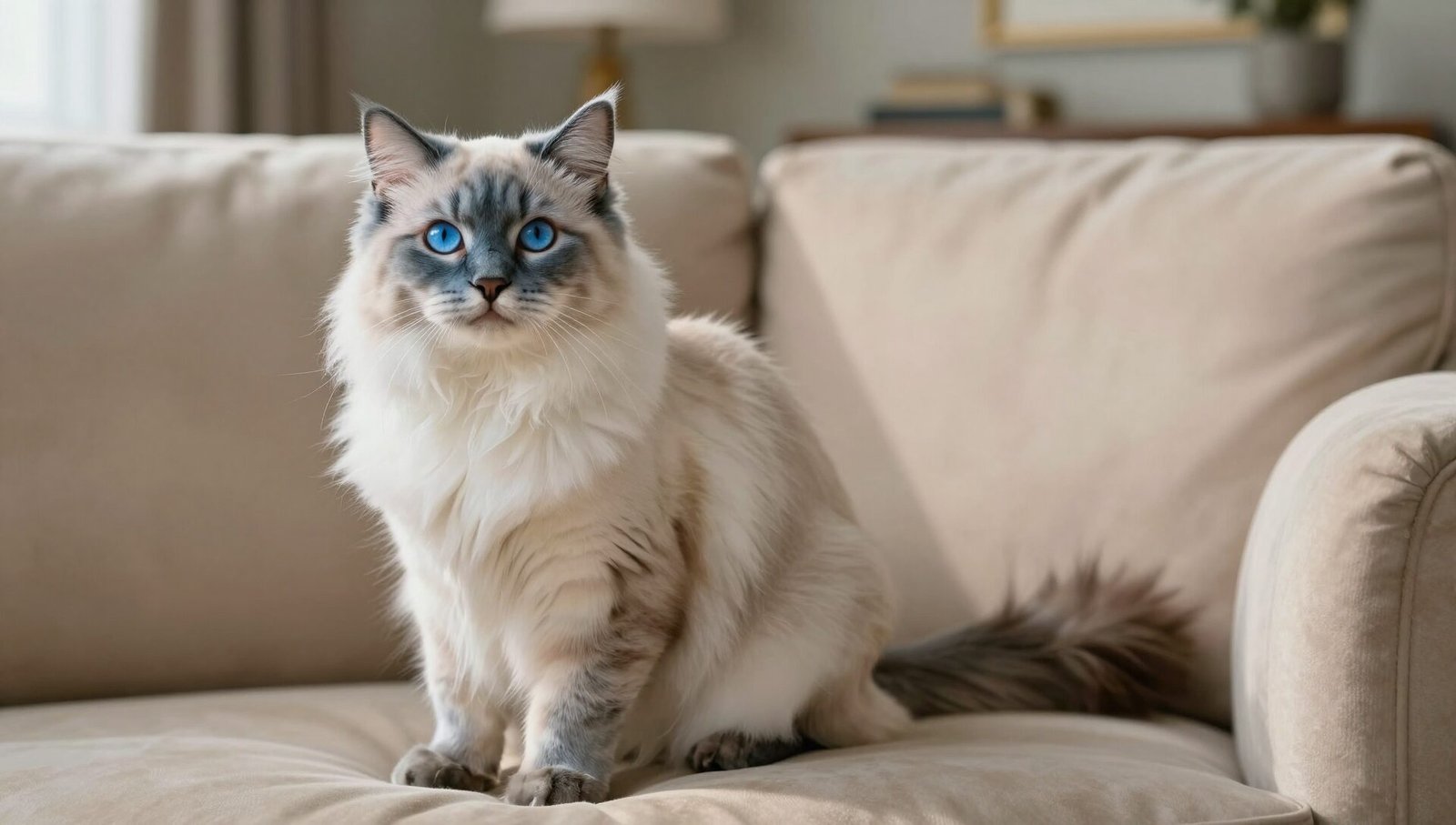
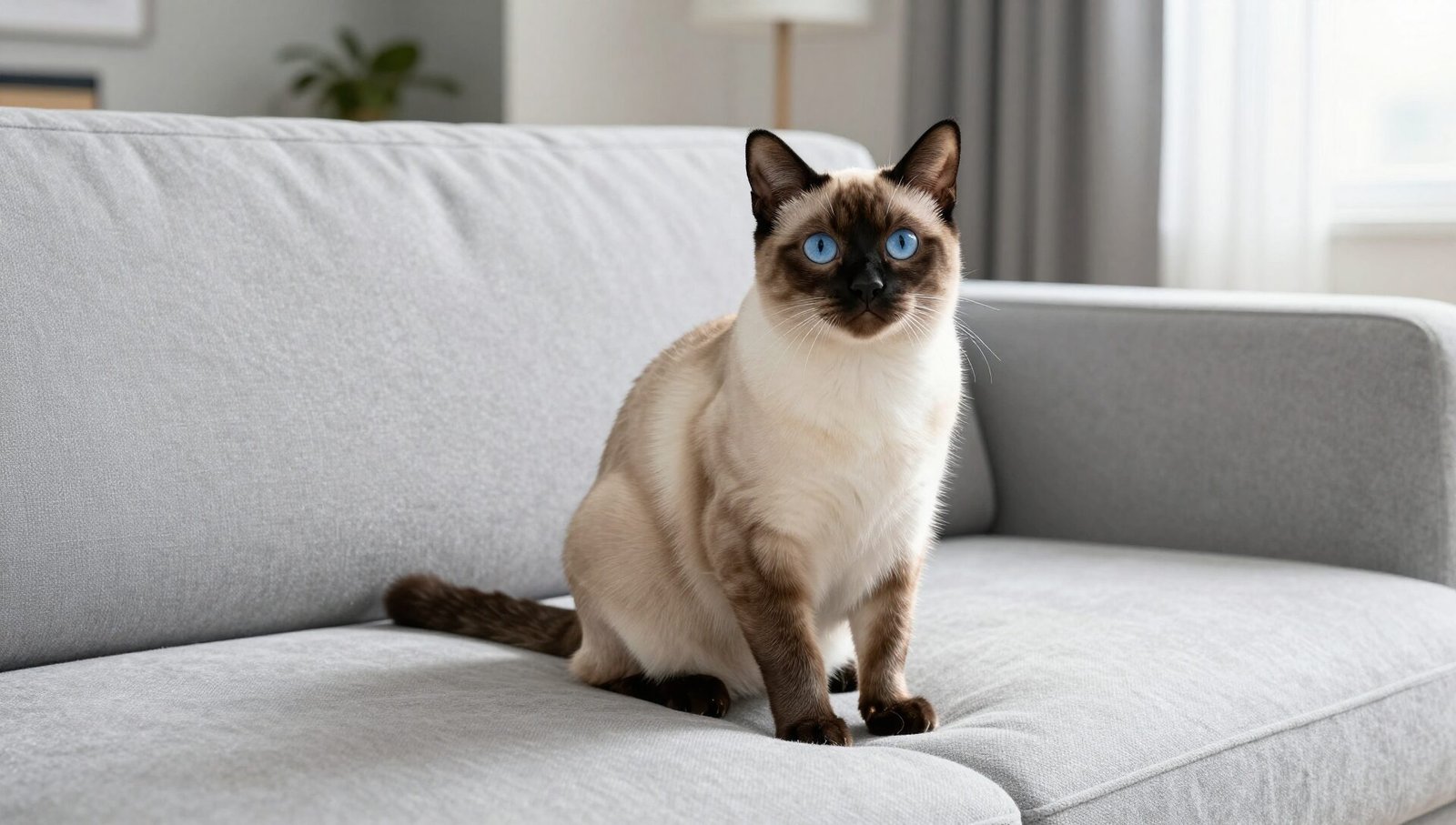
If you look at a Balinese, you might think you’re looking at a long-haired Siamese. You wouldn’t be entirely wrong! The breed originated from a spontaneous genetic mutation in Siamese litters that produced longer fur.
While they share the same striking colour points—seal, chocolate, blue, and lilac—and those piercing blue almond-shaped eyes, they are distinct breeds. The CFA officially recognised the Balinese in 1970.
| Feature | Siamese | Balinese |
|---|---|---|
| Coat Length | Short, fine, close-lying | Semi-long, silky, plumed tail |
| Undercoat | None | None |
| Body Type | Svelte, tubular | Svelte, tubular |
| Vocalisation | Very loud and frequent | Loud, but slightly softer |
| Allergen Level | Low (reported) | Low (reported) |
In my experience, both breeds are incredibly vocal. If you want a quiet night in, you might be out of luck unless you provide ample entertainment. The key difference is aesthetic and the slight edge the Balinese has in trapping dander within that silky coat rather than letting it fly off immediately.
Temperament: The ‘Dog-Like’ Companion
One of the joys of owning a Balinese is their personality. They are often described as “dog-like,” and for good reason. These cats will follow you from room to room, supervising your every move—whether you’re making a cuppa or hanging out the washing.
They are incredibly intelligent and social. Leaving a Balinese alone for long periods is a recipe for a bored, potentially destructive cat. I’ve heard stories from owners coming home to unraveled toilet rolls and knocked-over plants because their Balinese was left to their own devices for too long.
Key Personality Traits:
- Affectionate: They crave human interaction and love a cuddle.
- Vocal: They will “talk” to you about their day.
- Playful: They retain a kitten-like energy well into adulthood.
- Intelligent: They can be trained to play fetch or walk on a lead.
If you work long hours, consider getting a pair so they can keep each other company. They generally get along well with other pets and children, making them excellent family cats.
Grooming the Balinese Coat
You might think a long-haired cat means hours of grooming, but the Balinese is surprisingly low-maintenance. Because they lack that dense, woolly undercoat that traps tangles, their fur is silky and lies flat.
A weekly brush with a stainless steel comb is usually sufficient to keep their coat in top condition. I like to do this while watching telly—it’s a great bonding activity. They rarely need bathing, as they are meticulous self-groomers.
Grooming Tips:
- Brush Weekly: Use a soft slicker brush to remove loose hair.
- Check Ears: Their large ears can accumulate wax; check them fortnightly.
- Dental Care: Like many purebreds, they can be prone to dental issues, so brush their teeth regularly.
This low-shedding trait is a major win for allergy sufferers. Less hair on your black trousers and less dander in the air makes for a happier household.
Diet and Feline Nutrition
Proper feline nutrition is vital for keeping your Balinese’s coat glossy and their energy levels up. These are active cats, so they need a high-protein diet.
I’ve dealt with picky eaters in my time, and cats can be notoriously fussy. The Balinese is no exception. I find that a mix of high-quality wet food and some dry kibble works best. Wet food helps with hydration—crucial for kidney health—while dry food helps keep their teeth clean.
Feeding Advice:
- Protein First: Look for foods where meat is the first ingredient.
- Age Appropriate: Kittens, adults, and seniors have different nutritional needs.
- Fresh Water: Always ensure a fresh supply of water. A cat fountain can encourage them to drink more.
If you notice your cat turning their nose up at dinner, don’t panic. Sometimes warming the food slightly can release the aroma and make it more appealing. It’s all about trial and error!
Health and Lifespan
The Balinese is generally a healthy breed, with a lifespan of 15 to 20 years. That’s a wonderful, long time to share with a companion. However, like all purebreds, they can be prone to certain genetic conditions.
Because they are genetically linked to the Siamese, they share some of the same health predispositions.
Potential Health Issues:
- Progressive Retinal Atrophy (PRA): An eye condition that can lead to blindness.
- Amyloidosis: A condition where a protein called amyloid is deposited in organs, often the liver.
- Respiratory Issues: Some may be prone to asthma or bronchial disease.
- Crossed Eyes: A cosmetic trait common in Siamese lines, though less desirable in show cats.
Regular vet check-ups are non-negotiable. I always say, “prevention is better than cure.” Ensure your breeder provides health screening certificates for the parents.
Indoor vs Outdoor Care
Here in the UK, the debate over indoor vs outdoor cats is ongoing. The Balinese is an intelligent, active breed that loves to explore. However, their trusting nature and high value make them a target for theft.
I recommend keeping them as indoor cats or providing a secure “catio” (cat patio). This keeps them safe from traffic, predators, and diseases like FIV.
Enrichment for Indoor Cats:
- Cat Trees: They love to climb and survey their kingdom.
- Puzzle Feeders: Keeps their intelligent minds busy.
- Window Perches: Birds are excellent entertainment!
- Interactive Play: Wand toys and laser pointers are great for bonding.
If you do let them out, ensure they are microchipped and vaccinated. A GPS tracker collar is also a wise investment for peace of mind.
Litter Training and Scratching Behaviour
Good news for new owners: the Balinese is generally easy to litter train. They are clean animals and instinctively look for a place to bury their waste.
However, litter box issues can arise if the box isn’t up to their standards. Cats are fastidious creatures. I once had a cat who refused to use a covered box—turns out, she felt claustrophobic!
Litter Training Tips:
- Cleanliness: Scoop daily. No one likes a dirty loo.
- Placement: Keep the box in a quiet, accessible spot away from their food.
- Substrate: Try different litters to see their preference.
Scratching Behaviour: Scratching is natural—it’s how they stretch their muscles and mark territory. Don’t punish them; redirect them. Invest in a sturdy scratching post (sisal rope is a favourite) and sprinkle some catnip on it to attract them. Place it near the sofa if they’ve taken a liking to your upholstery!
Pros and Cons of Ownership
Let’s weigh up the realities of owning this breed.
| Pros | Cons |
|---|---|
| Lower Allergen Levels: Less Fel d 1 production. | Vocal: They can be very “chatty.” |
| Intelligent: Can be trained easily. | Social Needs: Dislike being left alone. |
| Beautiful Coat: Low shedding and silky. | Health Issues: Prone to genetic conditions. |
| Long Lifespan: 15-20 years of companionship. | Cost: Purebred kittens can be expensive. |
| Affectionate: They bond deeply with owners. | Activity: Need plenty of mental stimulation. |
For allergy sufferers asking are Balinese cats hypoallergenic, the pros often outweigh the cons. They offer the beauty of a long-haired cat with fewer allergen-related headaches.
Frequently Asked Questions
Are Balinese cats good for people with severe allergies?
While they produce less Fel d 1, no cat is completely safe for severe allergy sufferers. It is vital to spend time with the breed before adopting. Some severe sufferers may still react, so consult your allergist.
Do Balinese cats shed a lot?
No, they shed minimally. Their lack of an undercoat means they don’t have the heavy seasonal shedding that plagues other long-haired breeds. A weekly brush is usually enough to manage loose hairs.
Are Balinese cats high maintenance?
They are low maintenance in terms of grooming but high maintenance in terms of social interaction. They need lots of attention, play, and mental stimulation to stay happy.
How much does a Balinese kitten cost in the UK?
Prices vary, but expect to pay anywhere from £500 to £1,200 for a kitten from a reputable breeder. Always check for health screening and avoid “bargain” kittens from unverified sources.
Can Balinese cats be left alone?
They tolerate short periods alone but can become lonely and destructive if left for long hours. If you work full-time, consider getting a second cat for company.
What is the difference between a Balinese and a Javanese?
The Javanese was historically a colour variant of the Balinese (non-traditional colours). In many registries, they are now grouped together as one breed.
Conclusion
So, are Balinese cats hypoallergenic? They are as close as you can get to a hypoallergenic cat without the allergens disappearing entirely. With their low-shedding silky coat, lower production of Fel d 1, and stunning good looks, they are a top choice for allergy-prone cat lovers.
But beyond the allergy question, the Balinese is a fantastic companion—intelligent, affectionate, and endlessly entertaining. If you can handle the chat and provide the love and attention they crave, you’ll find a loyal friend for life. Do your research, spend time with the breed, and prepare your home. You might just find your perfect match.