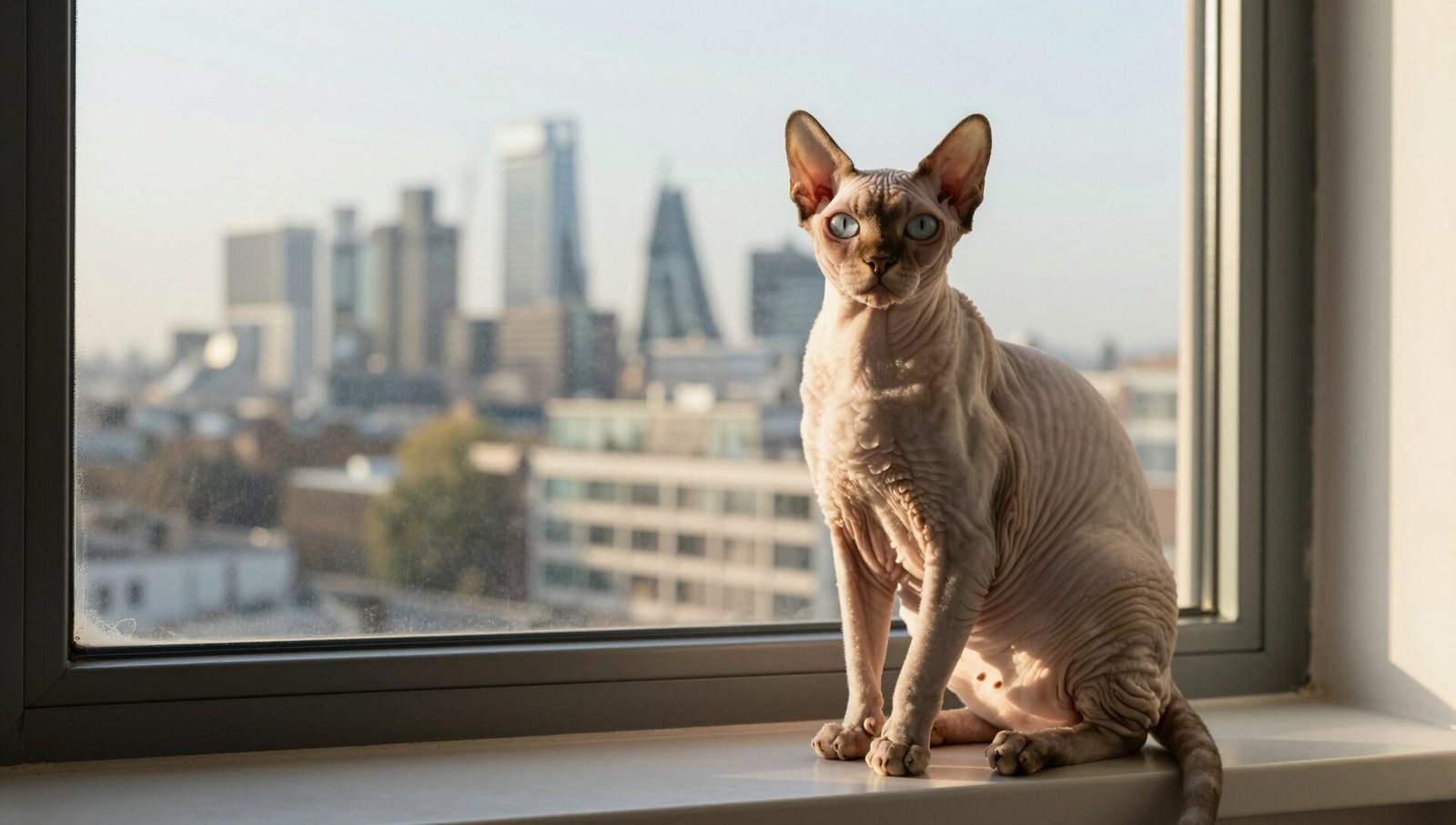
If you’ve ever scrolled through listings wondering where to buy a Sphynx cat in London, you’re not alone. I remember the first time I laid eyes on a Sphynx — I thought, “Is that a tiny alien or the most adorable creature I’ve ever seen?” Turns out, it was both. These hairless wonders have stolen hearts across the UK, and London is no exception.
But here’s the thing: buying a Sphynx isn’t like grabbing a takeaway on a Friday night. It requires research, patience, and a genuine understanding of what this breed needs. From finding a reputable breeder to understanding their quirky grooming demands, there’s a lot to unpack before you bring one of these wrinkly charmers home.
In this guide, I’ll walk you through everything you need to know — from breed characteristics and temperament to costs, health concerns, and where to find ethical Sphynx breeders in London. Whether you’re a first-time cat owner or a seasoned feline enthusiast, this article will help you make an informed, confident decision. Let’s dive in! 😺
Understanding the Sphynx Breed: More Than Just a Hairless Cat
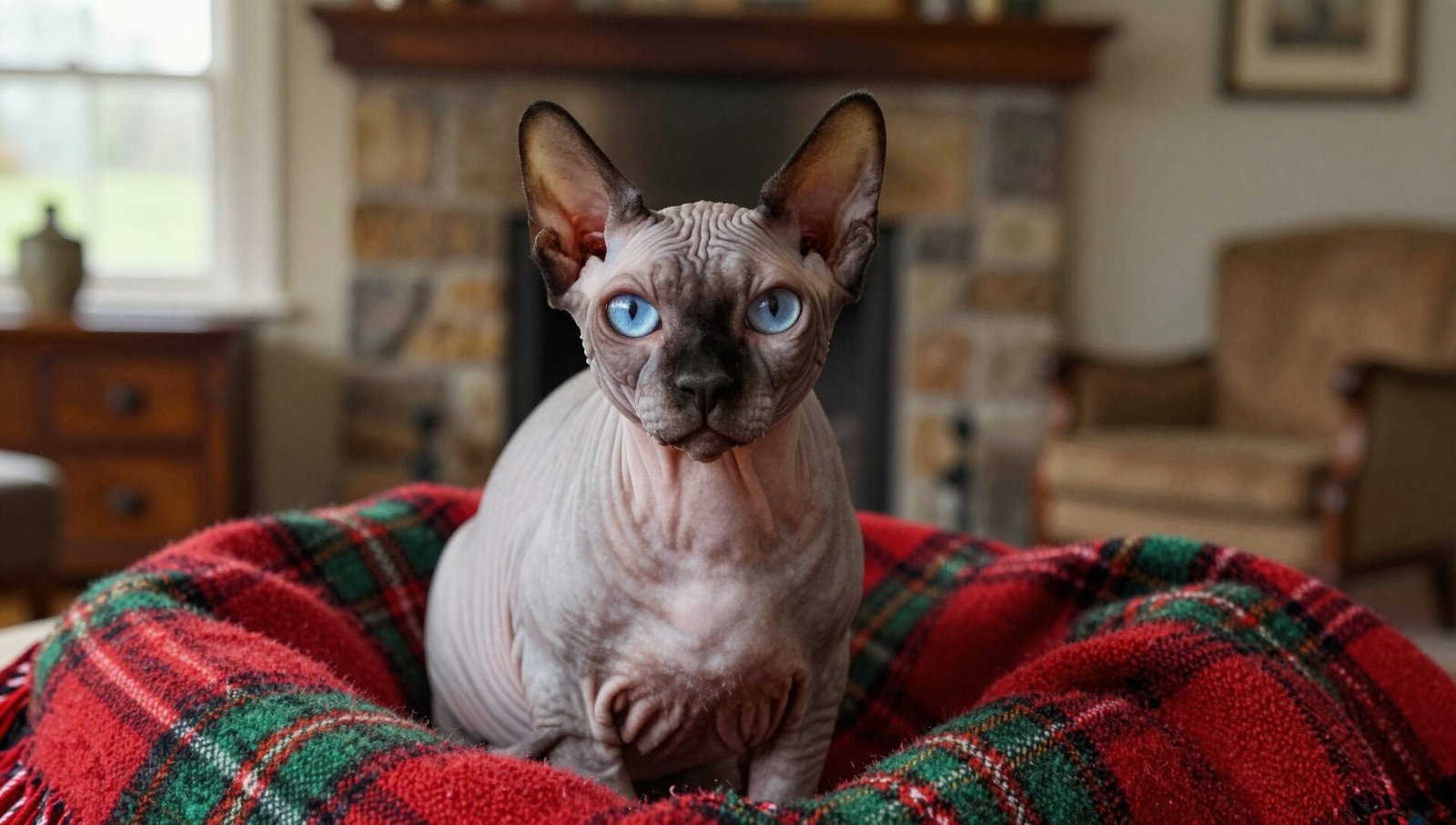
The Sphynx is one of the most recognisable cat breeds in the world, and it’s easy to see why. With their wrinkled skin, enormous ears, and whip-like tail, they look like they’ve just stepped off a spaceship. But despite their unusual appearance, Sphynx cats have a fascinating history rooted right here on Earth.
The breed originated in Toronto, Canada, in 1966 when a domestic cat gave birth to a hairless kitten named Prune. Through careful selective breeding with Devon Rex and other breeds, the modern Sphynx was developed. Today, they’re recognised by all major cat registries, including TICA (The International Cat Association) and GCCF (Governing Council of the Cat Fancy) in the UK.
Key breed characteristics include:
- Appearance: Hairless or with a fine peach-fuzz coat, large lemon-shaped eyes, prominent cheekbones, and a muscular body
- Size: Medium-sized, typically 3–5 kg when fully grown
- Colours: Every colour and pattern you can imagine — from solid white to tortoiseshell, tabby, and pointed
- Lifespan: Generally 12–15 years with proper care
What surprises most people is that Sphynx cats aren’t truly “hairless.” They have a delicate layer of downy fuzz that feels like warm suede. I often tell people that petting a Sphynx is like stroking a warm peach — odd at first, then utterly addictive.
One important note for London buyers: because the breed is relatively rare and highly sought after, waiting lists of 3–6 months are common. Patience truly is a virtue when it comes to finding a healthy, ethically bred kitten.
Sphynx Cat Temperament: The Velcro Cat Experience
If you’re looking for an independent cat that ignores you from across the room, the Sphynx is absolutely not the breed for you. These cats are famously clingy — and I mean that in the best possible way. Owners affectionately call them “Velcro cats” because they will stick to you like glue.
Sphynx cats are:
- Extremely affectionate — they crave human contact and will follow you from room to room
- Highly social — they get along well with children, other cats, and even dogs
- Playful and energetic — they retain kitten-like enthusiasm well into adulthood
- Intelligent — they can learn tricks, respond to their names, and figure out puzzle feeders quickly
I once visited a friend in Hackney who owned two Sphynx cats. Within minutes of arriving, one was perched on my shoulder like a parrot, and the other was nuzzling into my neck. It was simultaneously hilarious and heartwarming.
However, this sociability comes with a catch: Sphynx cats do not do well when left alone for long periods. If you work long hours in the city and are rarely home, this breed may develop separation anxiety, leading to destructive behaviour or depression. They thrive in households where someone is around most of the time, or where they have a feline companion to keep them company.
Their temperament makes them excellent therapy cats and wonderful companions for families, couples, and individuals alike. Just be prepared for a cat that demands more attention than your average London flatmate! 😄
Sphynx Cat Health and Lifespan: What Every Owner Should Know
One of the most important considerations before you buy a Sphynx cat in London is understanding their health needs. While generally robust, the breed is predisposed to certain conditions that responsible owners should be aware of.
Common health concerns include:
| Condition | Description | Prevention/Management |
|---|---|---|
| Hypertrophic Cardiomyopathy (HCM) | Thickening of the heart muscle — the most common cardiac disease in cats | Regular cardiac screening; choose breeders who test parents |
| Skin conditions | Oil buildup, acne, and sunburn due to lack of fur | Regular bathing and sun protection |
| Dental disease | Prone to gum disease and tooth decay | Regular dental checks and teeth cleaning |
| Hereditary myopathy | Muscle weakness affecting movement | Genetic testing of breeding cats |
| Respiratory infections | More susceptible in kittens | Vaccinations and good hygiene |
A healthy Sphynx typically lives between 12 and 15 years, though some have been known to reach 17 or 18 with excellent care.
My advice: Always ask breeders for proof of genetic health testing, particularly for HCM. Reputable breeders will have cardiac Doppler examination certificates and will be transparent about their breeding lines. In my experience, the upfront cost of a well-bred kitten from a health-tested lineage saves thousands in potential vet bills down the line.
Regular vet check-ups — at least annually, and twice yearly for senior cats — are essential. London has some of the best feline-specialist veterinary practices in the UK, so you’ll be in good hands.
Diet and Nutrition for Your Sphynx Cat
Here’s something many new Sphynx owners don’t expect: these cats have a faster metabolism than most breeds. Because they lack fur, their bodies work harder to regulate temperature, which means they need more calories relative to their size.
Feeding guidelines to keep in mind:
- Kittens (up to 12 months): Feed 3–4 times daily with high-quality kitten food rich in protein and fat
- Adults (1–10 years): Feed twice daily with a balanced, protein-rich diet — look for foods where meat is the first ingredient
- Seniors (10+ years): Adjust portions and consider senior-specific formulas with joint and heart support
Wet vs Dry Food:
| Type | Pros | Cons |
|---|---|---|
| Wet food | Higher moisture content, more palatable, good for hydration | Shorter shelf life once opened, can be pricier |
| Dry food | Convenient, good for dental health, cost-effective | Lower moisture, can lead to weight gain if overfed |
| Raw/natural diet | Mimics natural feline diet, high protein | Requires careful preparation, risk of bacterial contamination |
I always recommend a combination of wet and dry food. My own experience with picky eaters has taught me that variety is key — rotate proteins (chicken, turkey, fish) to keep meals interesting and nutritionally balanced.
Pro tip: Because Sphynx cats produce more earwax and skin oil than furred breeds, a diet supplemented with omega-3 and omega-6 fatty acids can significantly improve skin health. Ask your vet about appropriate supplements.
Fresh water should always be available. Many Sphynx cats prefer running water, so investing in a cat water fountain is a game-changer — especially in hard-water London! 💧
Grooming a Sphynx Cat: The Surprising Truth
“But they’re hairless — surely they don’t need grooming?” I hear this all the time, and it’s one of the biggest misconceptions about the breed. In reality, Sphynx cats require more grooming than most furred cats.
Without fur to absorb natural skin oils, those oils accumulate on the skin’s surface, leading to a sticky, greasy residue that can stain furniture and clothing. Regular bathing — typically once a week to once a fortnight — is essential.
Grooming routine essentials:
- Bathing: Use a gentle, hypoallergenic cat shampoo. Lukewarm water, calm environment, and a soft towel are your best friends
- Ear cleaning: Their large ears produce significant wax buildup. Clean weekly with a vet-approved ear solution and cotton pad
- Nail care: Trim claws every 1–2 weeks and clean beneath them, as oil can accumulate in the nail bed
- Skin checks: Look for rashes, blackheads, or irritation during each grooming session
- Sun protection: If your cat enjoys sitting by the window (and they will — London sunbathers, these ones!), apply pet-safe sunscreen to prevent sunburn
I’ll be honest — my first attempt at bathing a Sphynx kitten was… chaotic. Picture water everywhere, a very offended kitten, and me looking like I’d lost a wrestling match. But with patience and positive reinforcement (treats are magic), most Sphynx cats learn to tolerate — and sometimes even enjoy — bath time.
Key tip: Start grooming routines early. Kittens who are accustomed to handling and bathing from a young age grow into much more cooperative adults.
Indoor Living, Enrichment, and Training
If you’re planning to buy a Sphynx cat in London, it’s worth noting that this breed is best suited to indoor living. Their lack of fur makes them vulnerable to cold temperatures, sunburn, and skin injuries. The busy London streets, unpredictable weather, and urban wildlife aren’t ideal for a hairless cat.
But indoor living doesn’t have to mean boring living. Enrichment is absolutely crucial for a happy, healthy Sphynx.
Enrichment ideas for indoor Sphynx cats:
- Cat trees and climbing shelves — Sphynx cats love heights and will happily scale a tall cat tree
- Puzzle feeders — engages their sharp minds and slows down fast eaters
- Interactive toys — feather wands, laser pointers (used responsibly), and crinkle balls
- Window perches — give them a front-row seat to London’s pigeons and passing buses
- Companion animals — a second cat or cat-friendly dog can provide invaluable social stimulation
Litter training is typically straightforward with Sphynx cats — they’re intelligent and fast learners. Use a high-quality, dust-free litter and clean the tray daily. I recommend having one litter tray per cat, plus one extra, placed in quiet, accessible locations.
Scratching behaviour is natural and necessary. Provide both vertical and horizontal scratching posts. Sisal and cardboard are popular materials. If your Sphynx targets the sofa, try applying double-sided tape or a citrus-scented spray to deter them — cats generally dislike both.
Training a Sphynx with positive reinforcement (treats, praise, clicker training) can yield impressive results. I’ve seen Sphynx cats learn to sit, high-five, and even use a toilet. They’re basically the Border Collies of the cat world. 🐱
Where to Buy a Sphynx Cat in London Safely
This is perhaps the most critical section for anyone looking to buy a Sphynx cat in London. The UK has seen a surge in irresponsible breeding and kitten scams, so doing your due diligence is non-negotiable.
How to find a reputable breeder:
- Check registrations — Look for breeders registered with TICA, GCCF, or the Feline Advisory Bureau
- Visit in person — Always meet the kittens and their mother in the breeding environment
- Ask for health certificates — HCM screening, genetic testing, vaccination records, and microchipping details
- Read reviews — Check independent review sites and ask for references from previous buyers
- Avoid red flags — Breeders who won’t let you visit, pressure you to pay immediately, or offer kittens younger than 13 weeks
Alternatives to breeders:
- Sphynx-specific rescues — Organisations like the Sphynx Cat Club sometimes have rescue cats available
- General cat rescues — Battersea Dogs & Cats Home and Cats Protection occasionally have Sphynx or Sphynx-cross cats
Based on the current market (as seen on platforms like Petify), Sphynx kittens in and around London range from approximately $600 to $1,500, depending on the breeder, colouring, and whether the kitten is sold as a pet or for breeding.
Pro tip: Be wary of prices that seem too good to be true. A cheap Sphynx kitten from an unlicensed breeder may come with hidden health problems and heartbreak. Invest in quality — your future cat will thank you.
How Much Does a Sphynx Cat Cost in the UK?
Let’s talk numbers. The initial purchase price is just the beginning. Here’s a realistic breakdown of what it costs to own a Sphynx in London:
| Expense | Estimated Cost |
|---|---|
| Kitten purchase | $600 – $1,500 |
| Initial vet check, vaccinations, microchipping | $100 – $200 |
| Neutering/spaying | $50 – $150 |
| Cat tree, bed, litter tray, toys | $100 – $250 |
| Monthly food | $40 – $70 |
| Monthly pet insurance | $20 – $50 |
| Annual vet check-ups | $50 – $100 |
| Grooming supplies | $30 – $50 (initial) |
First-year total (approximate): $1,200 – $2,500+ Annual ongoing costs: $800 – $1,500
London prices tend to be on the higher end, particularly for veterinary care. I strongly recommend pet insurance — Sphynx cats can be prone to conditions like HCM, and treatment costs can escalate quickly. Compare policies carefully, looking for coverage that includes hereditary and chronic conditions.
Budgeting for a Sphynx isn’t just about affordability — it’s about providing the best possible life for your new companion. If the numbers feel daunting, it’s worth saving for a few more months before committing.
Pros and Cons of Owning a Sphynx Cat
Every breed has its strengths and challenges. Here’s an honest, balanced look:
Pros:
- ✅ Incredibly affectionate and loyal — the ultimate companion cat
- ✅ Hypoallergenic — produces fewer allergens than furred breeds (though not completely allergen-free)
- ✅ Intelligent and trainable — can learn tricks and respond to commands
- ✅ Great with children, other cats, and dogs
- ✅ Unique, striking appearance — guaranteed conversation starter
- ✅ Minimal shedding — your black trousers are safe
Cons:
- ❌ Higher grooming demands than expected — regular bathing and ear cleaning required
- ❌ Prone to certain health conditions (HCM, skin issues)
- ❌ Cannot tolerate cold — needs warm indoor environments and possibly clothing in winter
- ❌ Expensive to purchase and maintain
- ❌ Doesn’t tolerate being left alone — separation anxiety is common
- ❌ Can be prone to weight gain due to increased appetite
In my experience, the pros far outweigh the cons — if you’re prepared for the commitment. These cats bring an extraordinary amount of joy, laughter, and warmth (literally — they’re like little hot water bottles) into any home.
Conclusion: Is a Sphynx Cat Right for You?
Deciding to buy a Sphynx cat in London is not a decision to take lightly — but it can be one of the most rewarding choices you’ll ever make. These hairless, wrinkly, endlessly loving creatures have a way of burrowing into your heart (and under your duvet) like no other breed.
Before you commit, make sure you’ve considered the full picture: the grooming routine, the health needs, the financial commitment, and the emotional investment. Find a reputable breeder who prioritises health and temperament, prepare your home for an indoor cat that needs enrichment and warmth, and get ready for a companion that will follow you everywhere — including the bathroom.
If you’re ready for a cat that’s equal parts affectionate, entertaining, and utterly unique, the Sphynx might just be your perfect match. And if you’re in London? Well, you’ve got some of the best breeders, vets, and cat-loving communities right on your doorstep.
Good luck on your Sphynx journey — I promise, it’s worth every penny and every bath time wrestle. 😺
Frequently Asked Questions
Are Sphynx cats truly hypoallergenic?
No cat is 100% hypoallergenic, but Sphynx cats produce significantly fewer allergens than furred breeds because they don’t shed. Allergies are typically triggered by a protein (Fel d 1) found in cat saliva, skin, and urine — not fur itself. Many allergy sufferers find they tolerate Sphynx cats well, but it’s always wise to spend time with the breed before committing. If you have severe allergies, consult your GP and arrange a trial visit with a breeder.
How often do Sphynx cats need bathing?
Most Sphynx cats need a bath every one to two weeks. Because they lack fur, natural skin oils accumulate on the surface, leaving a greasy residue. Use a gentle, hypoallergenic cat shampoo and lukewarm water. Starting bathing routines from kittenhood helps them become comfortable with the process. Between baths, you can wipe them down with a damp cloth or pet-safe grooming wipes.
Can Sphynx cats go outside in London?
It’s strongly recommended to keep Sphynx cats indoors only. Their lack of fur makes them vulnerable to cold weather, sunburn, skin injuries, and parasites. London’s urban environment — with traffic, foxes, and unpredictable weather — poses additional risks. If you want to offer outdoor access, consider a secure “catio” (cat patio) or harness training for supervised garden visits.
What is the average price to buy a Sphynx cat in London?
Prices typically range from $600 to $1,500 depending on the breeder’s reputation, the kitten’s colouring, pedigree, and whether it’s sold as a pet or breeding prospect. Rare colours (blue, lilac, cream) and blue-eyed cats tend to command higher prices. Always prioritise health testing and ethical breeding practices over bargain prices.
Do Sphynx cats get along with other pets?
Yes! Sphynx cats are known for their sociable, easy-going nature and typically get along very well with other cats, dogs, and even small pets when properly introduced. Their playful and non-aggressive temperament makes them excellent multi-pet household members. Early socialisation is key — kittens raised around other animals adapt more easily.
How long do Sphynx cats live?
The average lifespan of a Sphynx cat is 12 to 15 years, though many live longer with excellent care. Factors influencing longevity include genetics, diet, regular veterinary care, and living conditions. Choosing a kitten from health-tested parents (particularly HCM-screened) and maintaining consistent vet check-ups gives your Sphynx the best chance of a long, healthy life.
Thank you for reading! If you found this guide helpful, share it with fellow London cat lovers who are considering adding a Sphynx to their family. 🐾