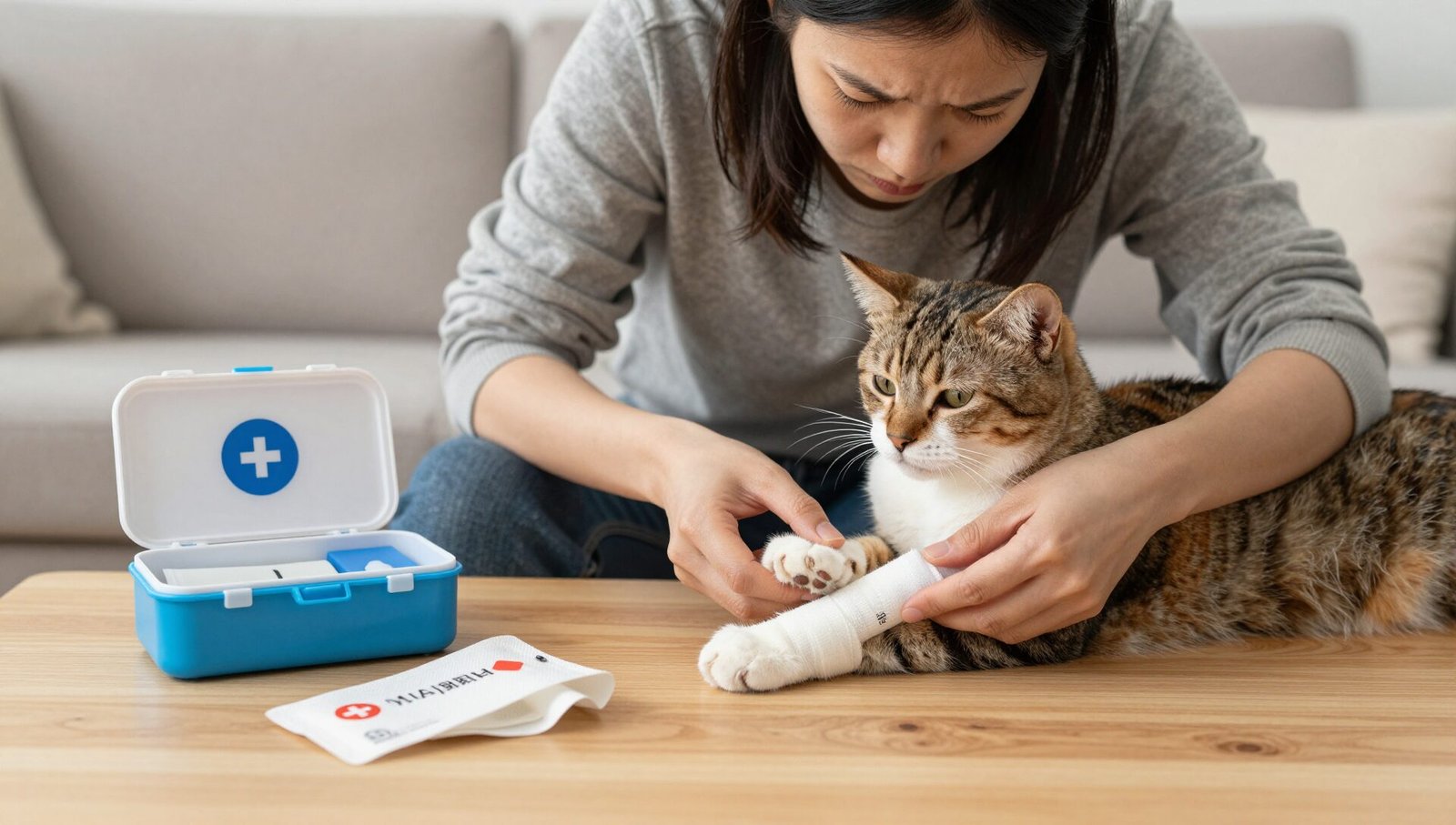
We all know the feeling: it’s the dead of night, the rain is hammering against the windows (typical British weather!), and you hear that ominous yowl from the garden. Or perhaps your usually graceful feline has misjudged a leap from the bookshelf. In those heart-pounding moments, knowing Your Guide to Cat First Aid isn’t just useful—it’s vital.
As a cat owner myself, I’ve seen my fair share of scrapes, sniffles, and “what on earth did you just eat?” moments. Cats are notorious for hiding their pain; by the time they actually show you they’re hurt, things might be worse than they look. That’s why I’ve put together this comprehensive resource. We’re going to walk through everything from the bandages you need in your cupboard to how to handle a terrified moggy without losing an eye.
Whether you live in a busy city flat with an indoor cat or out in the countryside with a fearless explorer, accidents happen. Being prepared is the best gift you can give your furry companion. So, grab a cuppa, and let’s dive into the essentials of feline first aid.
Assembling the Ultimate Cat First Aid Kit
You wouldn’t attempt to fix a leaky tap without a wrench, so don’t wait for a crisis to hunt for bandages! Having a dedicated first aid kit for your cat is step one. It doesn’t need to be a professional medical bag, but it does need the right gear.
I keep my kit in a bright orange box so I can spot it immediately in a panic. It’s amazing how quickly you forget where things are when adrenaline kicks in. Here is a checklist of what you should have on hand in the UK:
- Sterile absorbent gauze: Essential for cleaning wounds or applying pressure.
- Non-stick absorbent dressing: Crucial so you don’t rip off healing skin when changing the dressing.
- Bandaging materials and surgical tape: To hold everything in place. Tip: Don’t use human sticking plasters on fur—it’s a nightmare to remove!
- Cotton wool: For gentle cleaning around (not inside) the wound.
- Sterile saline solution: The gold standard for flushing dirt out of a cut.
- Scissors and sterile gloves: Protect yourself and your cat.
- Thick towel: Your best friend for restraint. More on this later!
- Elizabethan collar (The Cone of Shame): Stops them from licking their wounds and making things worse.
- Cat carrier: A must-have for getting to the vet safely.
Keep your vet’s number and your nearest out-of-hours emergency vet number taped to the lid of the box. In a panic, you don’t want to be Googling numbers while your cat is bleeding.
Dealing with Cuts and Scrapes: The Basics
If your cat comes limping home with a cut—usually from a tussle with the neighbour’s tabby—don’t panic. Most superficial wounds can be managed at home if you follow the right steps. However, cat mouths and claws are full of bacteria, so infection is a real risk.
First things first: restrain your cat. Even the gentlest cat can bite when they are in pain. Wrap them in that thick towel I mentioned, exposing only the wound.
How to clean a wound safely:
- Flush the wound: Use your sterile saline solution or cold, boiled water. Do not use human antiseptics like Dettol, TCP, or Savlon. I cannot stress this enough! These products can be toxic to cats or cause severe irritation.
- Keep it clean and dry: After flushing, gently pat the area dry.
- The “No Cream” Rule: Do not apply human ointments (like Sudocrem or antiseptic creams). Cats will inevitably lick it off, which can cause vomiting or worse.
- Monitor: Leave the wound uncovered if possible (cats hate bandages) and watch closely.
If the wound is small, it should start to scab over within a day. However, if you see redness, swelling, or pus, or if it starts smelling foul, that’s your cue to get to the vet. Don’t wait for it to get better on its own—cat infections can escalate rapidly.
Emergency Scenarios: When to Rush to the Vet
Sometimes, a cut is the least of your worries. There are situations where home care is not an option, and you need professional help immediately. Recognizing these emergencies is a key part of Your Guide to Cat First Aid.
Call the vet immediately if:
- Road Traffic Accidents (RTAs): Even if your cat seems fine and runs off after being clipped by a car, they could have internal bleeding. Never attempt to splint a broken leg yourself; you can cause more harm than good.
- Poisoning: If you see them eat something toxic (lilies are a big one in the UK, along with antifreeze), time is of the essence.
- Eye Injuries: Eyes are delicate. If a claw has scratched an eye, do not touch it.
- Snake Bites: Adder bites are rare but can happen. Keep the cat calm and get to the vet.
- Profuse Bleeding: If blood is spurting or soaking through gauze quickly, apply pressure with a clean cloth and go now.
Burns and Scalds: If your cat knocks over a hot cup of tea or touches a hot stove, run cool (not freezing) water over the area for a few minutes to cool the skin, but do not delay the trip to the vet. Do not apply butter or toothpaste—old wives’ tales do more harm than good!
Seizures: Seeing your cat seize is terrifying. If this happens, do not touch them. They may thrash and hurt you or themselves. Dim the lights, keep the room quiet, clear the area of furniture they might hit, and call the vet.
The Art of Restraint: Handling an Injured Cat
I once tried to check a scratch on my cat, Jasper’s, ear without wrapping him up first. I still have the scar! A frightened, injured cat is a defensive cat. They don’t understand you are trying to help; they just know they are in pain and scared.
The Towel Burrito Method: This is the safest way to handle a cat for first aid.
- Lay a thick towel flat.
- Place the cat in the centre.
- Wrap one side over, tucking it under the body, then the other side.
- Secure gently but firmly. This prevents scratching and gives you control.
Hold the cat against your body with one arm supporting their weight, and use your free hand to treat the injury. If you are alone and the cat is fighting you, it’s better to stop and take them to the vet than to stress them out further. Stress can make heart conditions worse in cats.
CPR and Choking: The Last Resort
This is the section of Your Guide to Cat First Aid that I hope you never have to use. Cat CPR (Cardiopulmonary Resuscitation) is difficult, requires training, and is often unsuccessful without veterinary equipment. However, knowing the basics is better than freezing.
Choking: If your cat is pawing at their mouth or making choking sounds:
- Open the mouth carefully (use the towel method!).
- Look for a foreign object.
- If you can see it clearly and can hook it out with a finger, do so.
- If you can’t see it or can’t reach it, do not perform the Heimlich maneuver incorrectly. Hold the cat upside down briefly by the hips to let gravity help, but get to the vet immediately.
CPR: Only attempt this if the cat has stopped breathing and the heart has stopped. If you haven’t taken a first aid course, your attempts might cause rib fractures, which is why I strongly recommend asking your local vet about courses for pet owners.
Post-Injury Care: The Recovery Phase
Getting through the initial injury is just half the battle. The recovery phase is where your patience (and that Elizabethan collar) comes in.
Preventing Licking: Cats are obsessed with cleaning wounds, but their tongues are abrasive and their mouths are full of bacteria. A dirty mouth on an open wound is a recipe for an abscess. The “cone of shame” is necessary. Modern alternatives include soft fabric cones or recovery suits (baby grows can work in a pinch!), but ensure the cat can’t access the injury.
Monitoring the Wound: Check the wound twice a day. You are looking for:
- Healing: Scab formation, reduction in redness.
- Infection: Increased redness, swelling, heat, discharge (especially green or yellow), or a foul smell.
If you notice infection signs, don’t try to treat it at home with leftover antibiotics (never use human antibiotics on cats!). Go back to the vet.
Indoor vs Outdoor Cats: Different Risks
Your approach to first aid might differ slightly depending on your cat’s lifestyle.
The Outdoor Adventurer: These cats face fights, traffic, and exposure to toxins. Their kits should focus heavily on wound care and bleeding control. They are also more likely to pick up parasites, though that’s preventative care rather than first aid.
The Indoor Lounger: Don’t be fooled—indoor cats get into plenty of scrapes. They suffer from window falls (high-rise syndrome), swallowing foreign objects (hair ties, string), and household chemical exposure. For them, your kit should be near the kitchen or living areas where accidents happen.
| Feature | Outdoor Cat Risks | Indoor Cat Risks |
|---|---|---|
| Primary Injury | Cat bites, RTAs, burns | Falls, ingestion of foreign bodies |
| Toxin Exposure | Antifreeze, slug pellets | Lilies, cleaning products, human meds |
| First Aid Priority | Wound cleaning, stopping bleeding | Airway management, inducing vomiting (ONLY on vet advice) |
Prevention is Better Than Cure
While knowing how to handle injuries is great, preventing them is even better.
- Vaccinations & Microchipping: Keep your cat’s vaccines up to date to prevent diseases if they get into a fight. Microchipping helps them get home if they wander off while injured.
- Home Safety: Secure windows (especially in high-rise flats), keep toxic plants out of reach, and store chemicals safely.
- Regular Vet Checks: A healthy cat recovers faster than a sick one.
Pros and Cons of Home Treatment
Sometimes you can treat at home, sometimes you can’t. Here’s a quick breakdown:
Pros of Home First Aid:
- Saves money for minor issues.
- Less stressful for the cat (no car ride).
- Immediate intervention can prevent escalation.
Cons of Home First Aid:
- Risk of misdiagnosis (what looks minor might be deep).
- Infection risk if not done properly.
- You might cause the cat more pain/stress.
Rule of Thumb: If you are in doubt, or if the wound is larger than a 10p coin, deep, or bleeding heavily, go to the vet.
Conclusion
Being a cat owner comes with the territory of occasional mishaps. Knowing Your Guide to Cat First Aid | Everypaw empowers you to act calmly and effectively when your furry friend needs you most. Remember: keep your kit stocked, stay calm, and know when to call the professionals. A little preparation goes a long way in keeping your cat purring for years to come.
FAQs
Can I use human antiseptic on my cat?
No. Many human antiseptics like Dettol, TCP, and Savlon are toxic to cats or can cause severe skin reactions. Stick to sterile saline solution or plain cooled boiled water for cleaning wounds.
How do I know if my cat’s wound is infected?
Signs of infection include redness, swelling, heat around the wound, pus (yellow or green discharge), and a foul smell. The cat may also become lethargic or stop eating.
Is it safe to give my cat human painkillers?
Absolutely not. Human painkillers like paracetamol (Calpol) or ibuprofen are fatal to cats. Never administer medication without specific instruction from your vet.
My cat has been in a fight but seems fine. Should I still see a vet?
Yes. Cat bites are puncture wounds that seal over quickly on the surface but trap bacteria underneath, leading to painful abscesses. It is always wise to have a post-fight check-up.
How do I transport an injured cat safely?
Use a secure cat carrier lined with a towel. If you don’t have a carrier, a sturdy cardboard box with air holes works. Wrap the cat in a towel to prevent struggling and keep the environment as calm as possible.
Where can I learn pet CPR?
Many organizations in the UK, including the Red Cross and various veterinary charities, offer pet first aid courses. Ask your local vet for recommendations in your area.
Comparison: First Aid Supplies
| Supply | Purpose | Why it’s Essential |
|---|---|---|
| Sterile Saline | Cleaning | Irritates less than water; perfect for eyes. |
| Non-Stick Pad | Covering | Won’t stick to fur or rip scabs. |
| Thick Towel | Restraint | Prevents bites; comforts the cat. |
| Surgical Tape | Bandaging | Holds well but removes easily from fur. |
| Elizabethan Collar | Prevention | Stops licking which causes infection. |
Additional Resources
- Vetstream Felis: The world’s largest peer-reviewed online clinical reference for cats.
- PDSA: Offers advice on pet health and has hospitals across the UK.
- Your Local Vet: Always your first point of contact for advice.