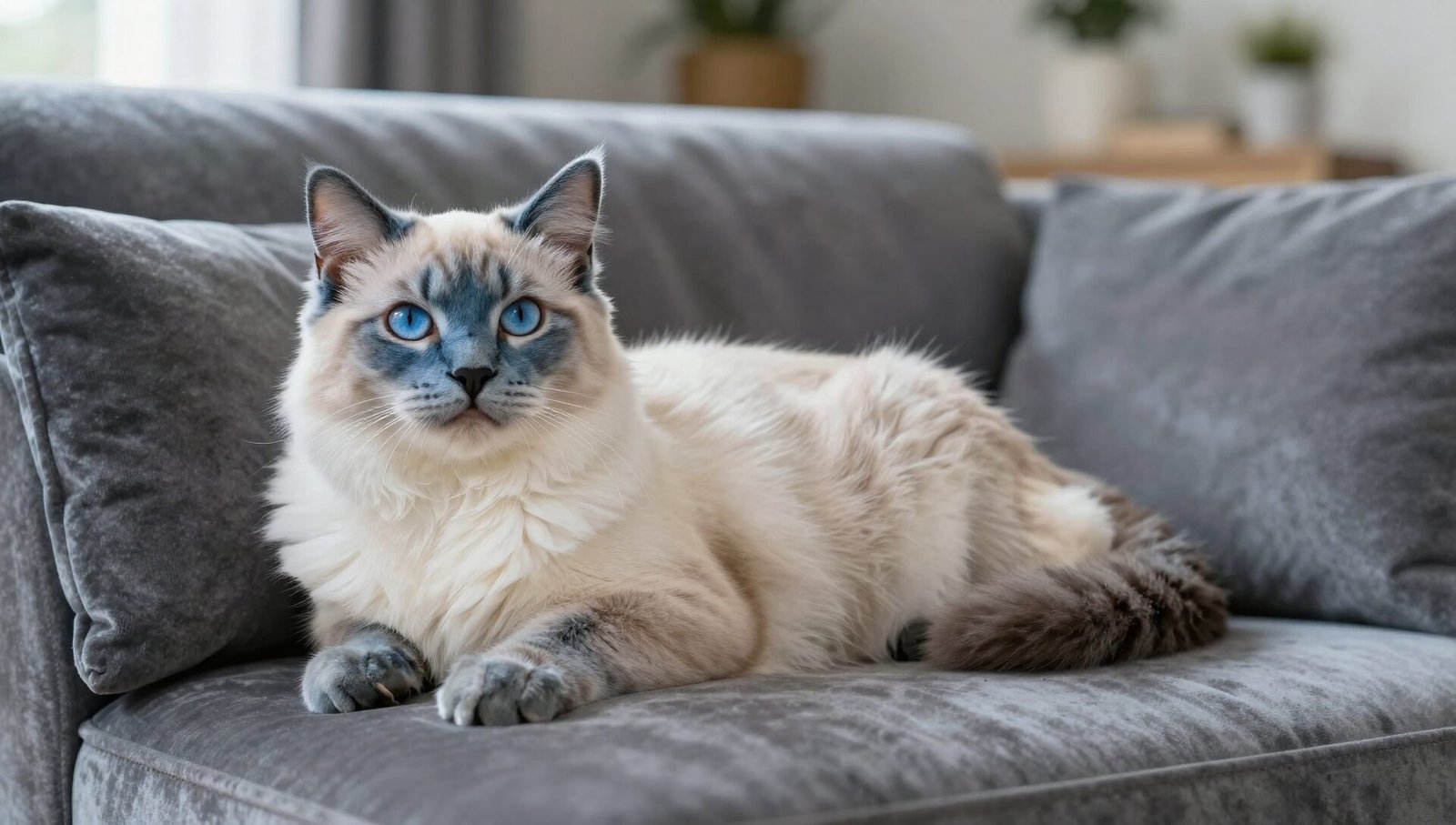
If you’ve been searching for a cat that acts more like a loyal dog than a standoffish feline, look no further. I’ve had the pleasure of sharing my home with cats for over two decades, and few breeds capture the heart quite like the blue lynx colorpoint ragdoll. These cats are the gentle giants of the feline world, combining a breathtaking, wild-looking coat with a personality so sweet it should probably come with a warning label for diabetics.
For UK cat lovers, finding the right companion is about more than just looks—it’s about temperament, care needs, and how well they fit into our often chaotic family lives. In this comprehensive guide, I’m going to walk you through everything you need to know about this specific colour variant. From their unique “lynx” markings to their dietary needs and that famously floppy ragdoll temperament, we will cover the A to Z of cat care for this magnificent breed. Whether you are a first-time owner or a seasoned feline enthusiast, prepare to fall head over paws.
Unravelling the Mystery: What is a Lynx Point?
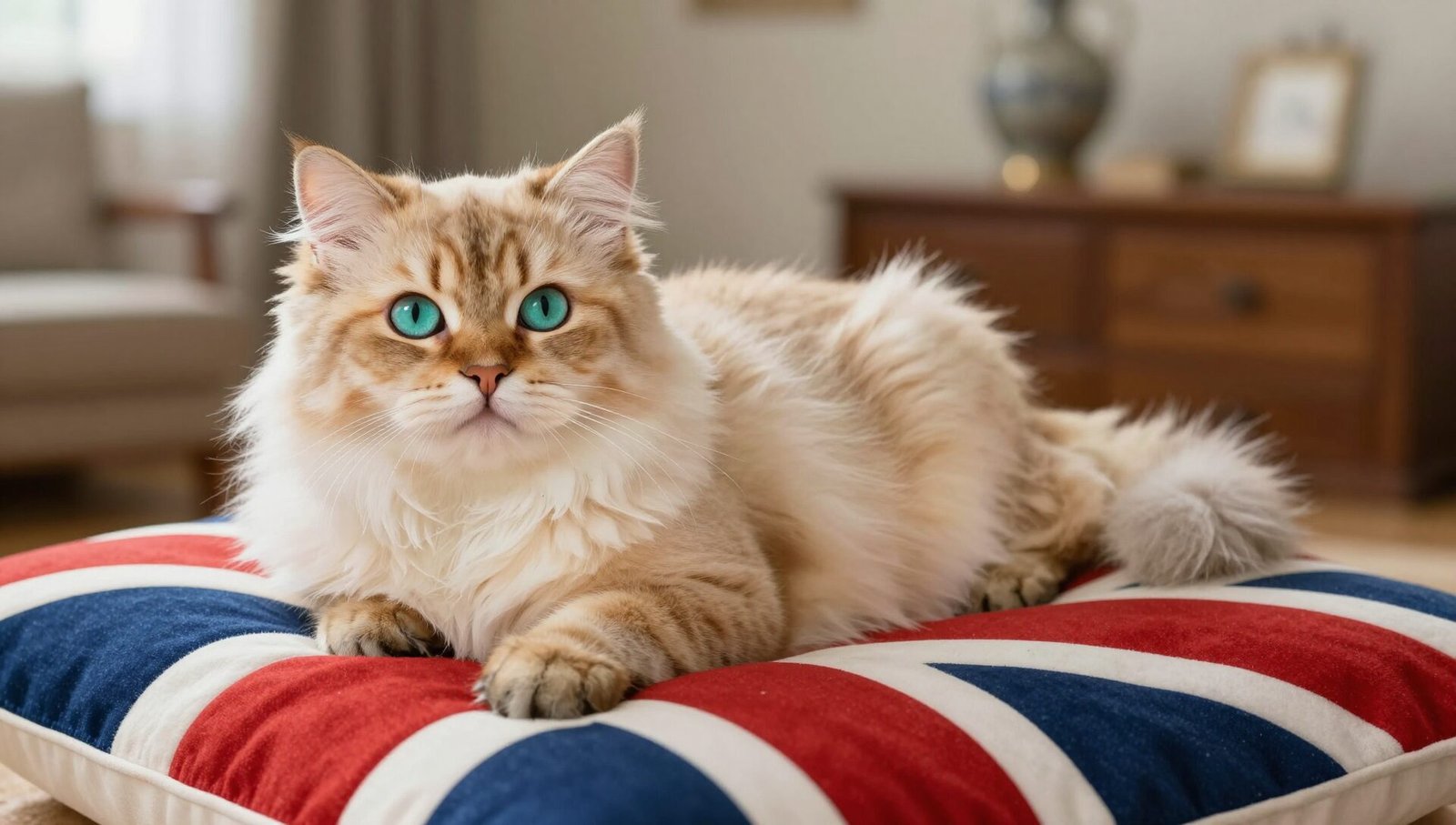
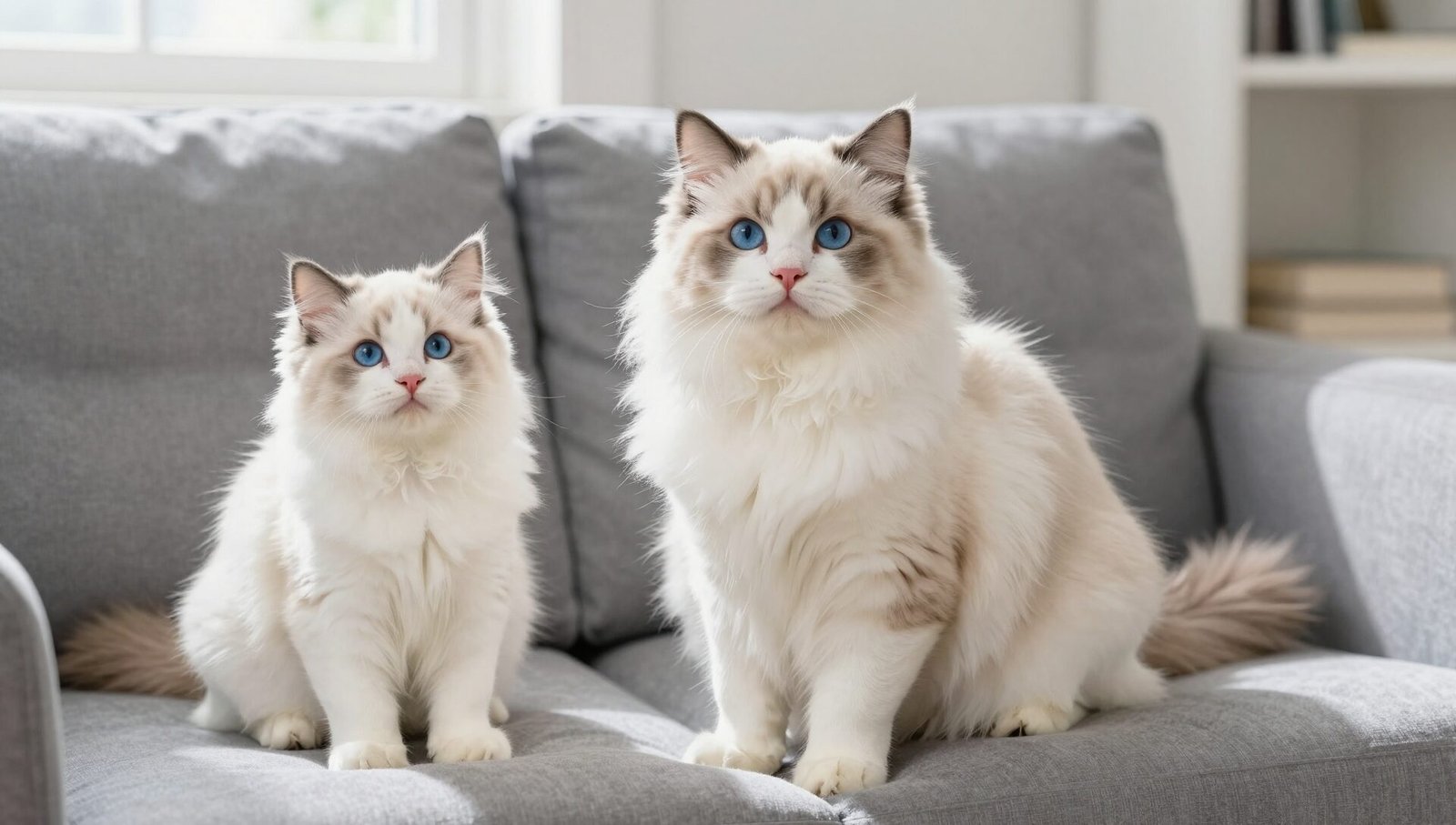
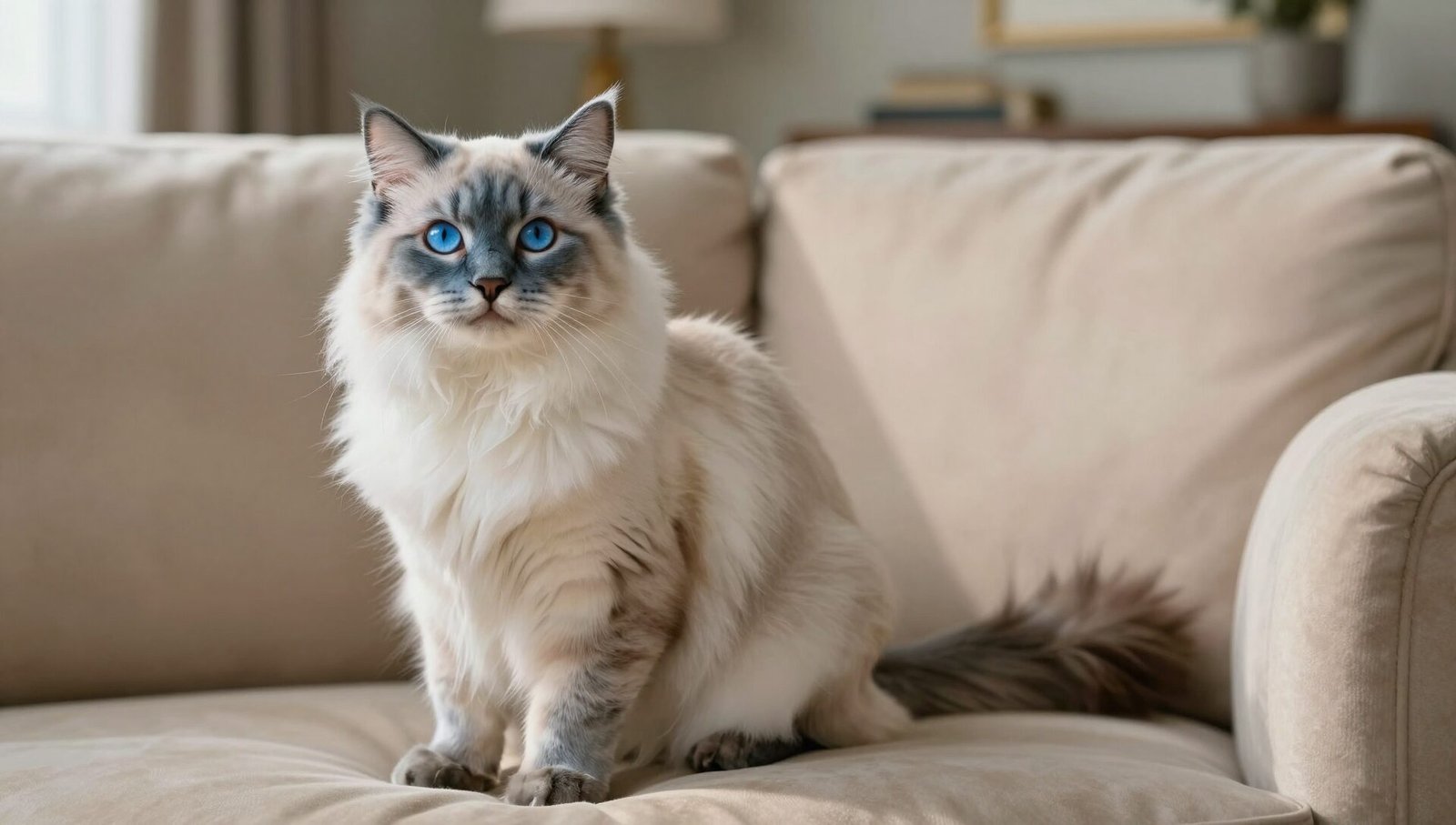
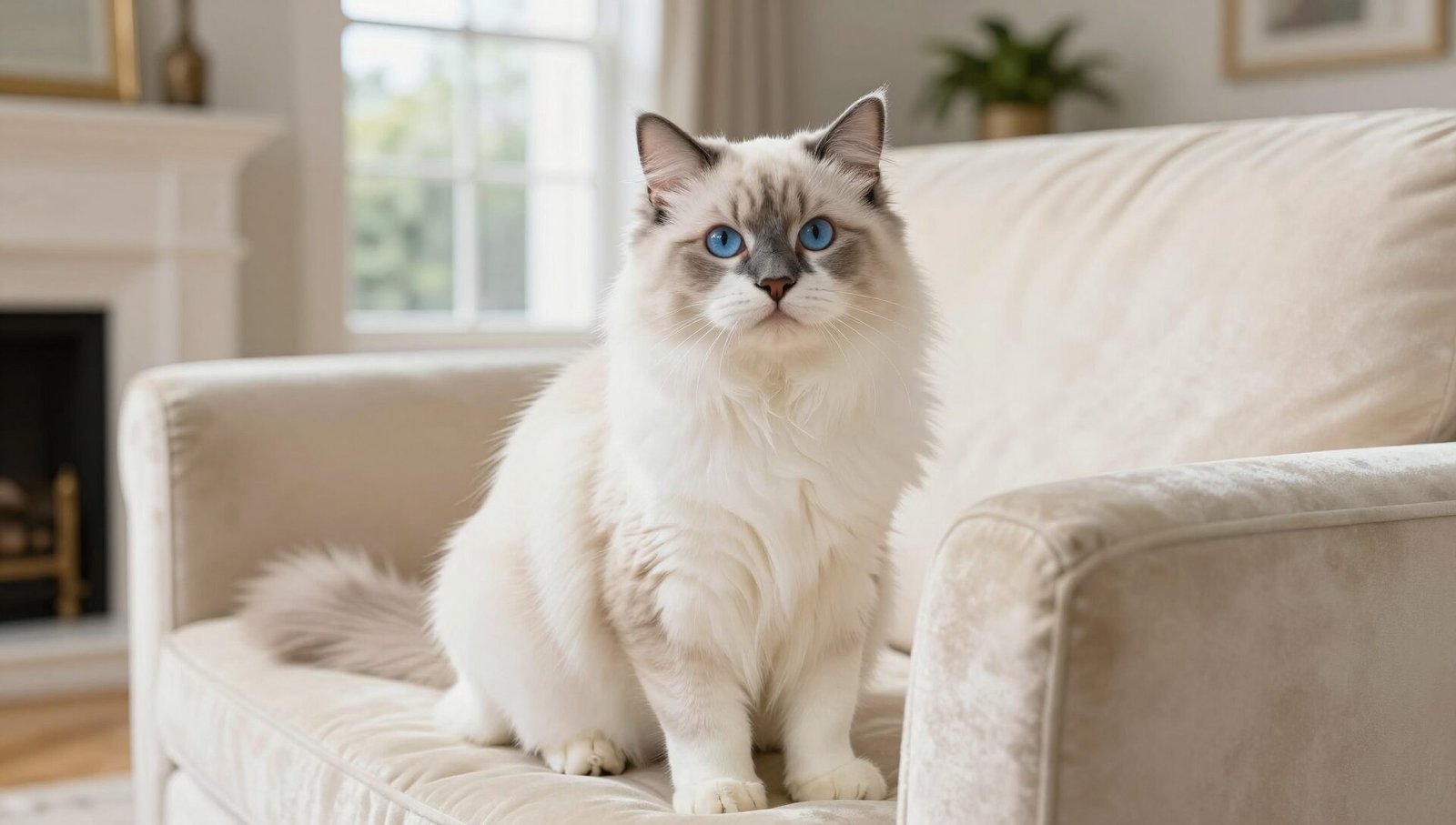
When you hear “lynx,” you might imagine a wild bobcat, but in the feline fancy world, it refers to a specific and beautiful pattern. A blue lynx colorpoint ragdoll is essentially a colourpoint cat (where the face, ears, paws, and tail are darker) with the addition of tabby stripes, known technically as “ghost markings” or barring.
The “blue” in their name isn’t actually electric blue, which often confuses first-time buyers. In cat genetics, blue is a diluted black, resulting in a beautiful, cool-toned grey. When you combine this grey base with the sepia points and faint tabby stripes, you get a cat that looks like a piece of living art. I remember the first time I saw one at a cat show in Birmingham; I was mesmerised by the contrast between the icy blue body and the warm, striped points on the face.
These markings are most prominent on the forehead, often forming an “M” shape, which is a classic tabby trait. Their paw pads are usually a slate grey or pink, and their nose leather is often outlined in the point colour. It’s this intricate patterning that makes them stand out from a standard Seal Point Ragdoll. Understanding this breed standard is vital if you plan on showing your cat, as judges look for crisp, distinct markings that contrast beautifully with the body colour.
The Personality: Why They Are the “Puppy-Cats”
Let’s talk temperament, because this is where the blue lynx colorpoint ragdoll truly steals the show. If you are expecting the typical “I own you, human” cat attitude, you are in for a shock. Ragdolls are famous for going limp—like a rag doll—when you pick them up. It’s not a sign of illness; it’s pure trust. They are the ultimate lap cats.
I’ve found that Ragdolls are incredibly social creatures. They aren’t the type to hide under the bed when guests arrive. My own experiences have shown me that they want to be in the thick of the action, whether that’s “helping” me unpack the shopping or sitting on my laptop while I try to work. They are often described as dog-like because they tend to follow their owners from room to room.
However, this intense affection means they don’t do well with solitude. If you work long hours outside the home, a Ragdoll might get lonely and develop behavioural issues. They thrive on companionship, making them perfect for families with children or other pet-friendly animals. Their patience is legendary; they rarely extend their claws during play, making them a safe choice for households with toddlers. But remember, every cat is an individual—while the breed is known for being docile, early socialisation is key to ensuring your kitten grows into a confident, friendly adult.
Grooming the Blue Beauty: Coat Care Essentials
You might think a cat with such a magnificent coat would be a grooming nightmare, but you’d be surprised. The blue lynx colorpoint ragdoll has a semi-long, silky coat that lacks the dense undercoat found in many other long-haired breeds like the Persian. This means they are significantly less prone to matting, which is a massive win for busy owners.
That said, “low maintenance” doesn’t mean “no maintenance.” I recommend brushing your Ragdoll at least two to three times a week. This keeps their fur silky, removes loose hair (saving your sofa from becoming a fur-coated fixture), and reduces hairballs. During the spring and autumn moulting seasons, you might need to up the brushing frequency to daily sessions.
Here are my top grooming tips for maintaining that show-ready look:
- The Right Tools: Use a wide-toothed comb or a slicker brush. Avoid wire brushes that can scratch their sensitive skin.
- Bathing: While cats are self-cleaning, Ragdolls can occasionally get a bit greasy near the tail. A gentle cat shampoo every few months can keep them fresh.
- Eye Care: Because they have slightly flat faces (brachycephalic features), you might notice tear staining. A damp cotton pad is all you need to keep those blue eyes sparkling.
- Nail Trimming: Don’t forget the claws! Trim them every two weeks to prevent them from getting snagged on carpets or furniture.
Keeping their coat in top shape isn’t just about vanity; it’s a great opportunity to bond and check for any lumps, bumps, or parasites.
Feeding Your Gentle Giant: Feline Nutrition Guide
Ragdolls are one of the largest domesticated cat breeds, and your blue lynx colorpoint ragdoll will likely grow to be a hefty, muscular cat. Males can weigh between 12 to 20 pounds! With that big frame comes a big appetite, but it’s crucial to get their feline nutrition right to prevent obesity, which can lead to joint problems and diabetes.
I always advocate for a balanced diet consisting of high-quality protein. As obligate carnivores, cats thrive on meat. In the UK market, you’ll find a mix of wet and dry foods. I’ve had great success with a combination of both—wet food for hydration (essential for kidney health) and dry food for dental health.
Avoid these common dietary mistakes:
- Free-feeding: Leaving a full bowl of kibble out all day is a recipe for an overweight Ragdoll. Stick to scheduled meal times.
- Cheap fillers: Check the ingredients. Avoid foods high in corn, wheat, or soya. Look for “meat and animal derivatives” to be listed as the first ingredient.
- Milk: Despite the cartoons, most cats are lactose intolerant. Give them fresh water instead!
A quirky trait I’ve noticed in Ragdolls is that they can be picky eaters. If your kitten turns their nose up at a new food, try warming it slightly to release the aroma. A healthy diet is the foundation of a long life, so take the time to find what works best for your furry friend.
Health and Lifespan: What to Watch For
One of the most bittersweet aspects of owning a cat is knowing that their time with us is finite. However, the blue lynx colorpoint ragdoll is generally a hardy breed with a lifespan of 12 to 17 years. That said, there are specific health issues prevalent in the breed that you need to be aware of.
The most significant genetic concern is Hypertrophic Cardiomyopathy (HCM), a heart condition where the heart muscle thickens. Reputable breeders will screen their cats for this, but it’s something to keep on your radar. Another condition to watch for is Polycystic Kidney Disease (PKD). Regular vet visits are non-negotiable; I recommend a check-up at least once a year, and twice a year for seniors.
Vaccinations are also vital to protect against common UK threats like Feline Leukaemia and Cat Flu. Furthermore, because Ragdolls are so trusting and often allowed as indoor cats, they aren’t great at defending themselves. Microchipping is a legal requirement in England as of June 2024, so ensure your kitten is chipped and registered to you.
Here is a quick table of common health checks:
| Health Aspect | Frequency | Why it Matters |
|---|---|---|
| Vet Check-up | Annually (Bi-annually for 7+) | Early detection of HCM, dental issues. |
| Vaccinations | Annually (after initial course) | Prevents fatal diseases like Flu/Enteritis. |
| Dental Cleaning | Daily/Weekly brushing | Prevents gingivitis and tooth decay. |
| Parasite Control | Monthly (Flea/Worm) | Essential, even for indoor cats. |
Indoor vs Outdoor: Creating the Perfect Environment
There is a fierce debate in the UK about whether cats should be free-roaming. However, for a blue lynx colorpoint ragdoll, the consensus is clear: they are safest as indoor cats. Their docile nature and lack of street smarts make them easy targets for traffic, theft, or fights with neighbourhood strays.
Keeping them indoors doesn’t mean they should be bored. You need to create an enriching environment that stimulates their hunting instincts. I’ve transformed my living room into a “catification” paradise with tall cat trees, window perches, and plenty of hiding spots.
Tips for happy indoor cats:
- Vertical Space: Ragdolls love to climb, despite their size. Sturdy cat trees are a must.
- Window TV: Place a bird feeder outside a window. My cat spends hours “chirping” at the blue tits—it’s the best free entertainment.
- Litter Training: Indoor cats rely entirely on their litter tray. The rule of thumb is one tray per cat, plus one extra. Keep them in quiet, accessible areas. I’ve learned the hard way that placing a tray near a noisy washing machine results in “accidents” elsewhere!
- Catios: If you have a garden, consider building a secure “catio” (cat patio). It allows them to enjoy the fresh air and grass without the risks.
Training and Enrichment: More Than Just Naps
Contrary to the belief that cats can’t be trained, Ragdolls are incredibly intelligent and eager to please. Clicker training is a fantastic way to bond with your blue lynx colorpoint ragdoll and provide mental stimulation. I’ve taught my cats to high-five and sit on command using positive reinforcement.
Scratching behaviour is natural and necessary for cats to shed their claw sheaths and mark territory. The key is directing it to the right places. If your cat is shredding the corner of your sofa, they aren’t being naughty—they just prefer that texture. Provide a mix of scratching posts (sisal, cardboard, carpet) and praise them when they use them.
Enrichment toys are also essential. Puzzle feeders slow down greedy eaters and make them work for their food, mimicking the hunt. Rotate toys regularly; a toy that was fascinating last week might be boring today. Simple DIY options, like a crumpled piece of paper or a cardboard box, can often be just as effective as expensive gadgets. Remember, a tired cat is a happy cat—and a cat that won’t wake you up at 3 AM!
Pros and Cons of Ownership
To help you decide if this breed is right for you, let’s weigh up the good with the potential challenges.
Pros:
- Incredible Temperament: Gentle, affectionate, and great with kids/pets.
- Stunning Appearance: The blue lynx colorpoint ragdoll is a head-turner.
- Low Matting Coat: Easier to groom than other long-hairs.
- Indoor Adaptability: Very happy living exclusively indoors.
Cons:
- High Maintenance Needs: They crave human attention and can get lonely.
- Size: They eat more food and need larger litter trays/carriers.
- Health Risks: Prone to HCM and other genetic issues.
- Cost: High-quality Ragdoll kittens in the UK can cost anywhere from £800 to £2,000+.
FAQs
How much does a blue lynx colorpoint ragdoll cost in the UK? Prices vary significantly based on the breeder’s reputation, the kitten’s lineage, and location. Generally, you can expect to pay between £800 and £2,000 for a pet-quality kitten. Always ensure you buy from a breeder who health tests for HCM and PKD.
Are blue lynx colorpoint ragdoll cats hypoallergenic? No, Ragdolls are not considered hypoallergenic. While they lack a dense undercoat, they still produce the Fel d 1 protein in their saliva and skin, which causes allergies in humans. Always spend time with the breed before committing if you have sensitivities.
Do Ragdolls like being picked up? Yes! The breed is named “Ragdoll” because they tend to go limp and relax completely when held. They are one of the few cat breeds that generally enjoy being carried around like a baby.
How big do blue lynx colorpoint ragdolls get? They are large cats. Males typically weigh between 12-20 lbs (5.4-9 kg), while females are slightly smaller at 8-15 lbs (3.6-6.8 kg). They don’t reach full physical maturity until they are about four years old.
What is the difference between a blue point and a blue lynx point? A blue point has solid grey points on the ears, face, paws, and tail. A blue lynx point has the same grey points but with added tabby stripes (barring) and a lighter background colour, giving them a more “wild” appearance.
Are they suitable for first-time cat owners? Absolutely. Their docile nature and love for human interaction make them excellent companions for novices. However, be prepared for the grooming and attention requirements.
Conclusion
Owning a blue lynx colorpoint ragdoll is truly a rewarding experience. They bring a unique blend of beauty, grace, and affectionate personality that few other breeds can match. While they require dedicated care regarding grooming, diet, and mental stimulation, the love they return is immeasurable.
If you are looking for a loyal companion who will greet you at the door, supervise your gardening from the window, and keep your lap warm on cold UK evenings, the Ragdoll might just be your perfect match. Just be prepared to never have personal space again—they take “velcro cat” to a whole new level!