Introduction
Let me paint you a picture. You’ve just bought a gorgeous new sofa — the kind you saved up for months to afford. You bring it home, position it perfectly, and within ten minutes, your beloved tabby, Mr Whiskers, is sharpening his claws on the armrest like he’s preparing for the World Claw Championships. Sound familiar? 😺
I’ve been there more times than I care to admit. As someone who’s spent years living with, caring for, and yes, occasionally negotiating with cats, I’ve learned that understanding feline behaviour is half the battle. The other half? Finding solutions that work without turning your home into a chemical warfare zone.
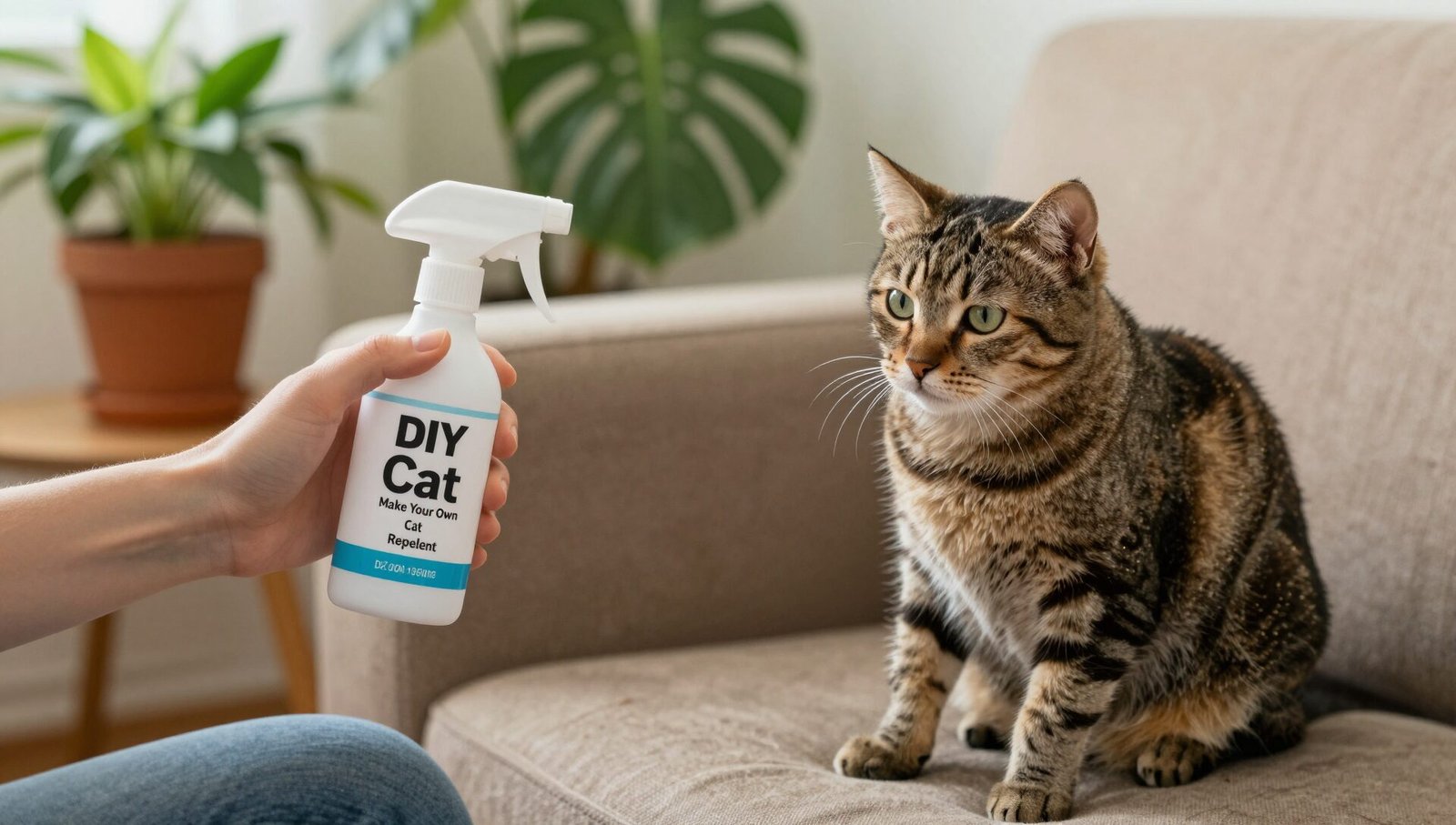
That’s exactly why I’m writing this guide on DIY Make Your Own Cat Repellent Spray. Whether you’re dealing with a furniture-scratching fiend, a plant-digging menace, or a cat who’s decided your flower bed is their personal litter box, I’ve got you covered with natural, safe, and effective recipes.
The best part? These sprays use ingredients you probably already have in your kitchen cupboard. No harsh chemicals, no expensive pet store products, and no need to rehome your furry friend (even when they give you that look after spraying their favourite scratching spot).
Let’s dive into the wonderful world of DIY cat repellents, shall we?
Why Do Cats Scratch and Mark Territory Anyway?
Before we start mixing potions, let’s understand why our feline friends behave the way they do. Cats aren’t being naughty for the sake of it — they’re following instincts that have been hardwired for thousands of years.
Scratching serves several purposes. First, it helps cats shed the outer layers of their claws, keeping them sharp and healthy. Second, it’s a form of exercise that stretches their back and shoulder muscles. Third — and this is the big one — scratching leaves both visual marks and scent marks from glands in their paws. It’s essentially a “Kilroy was here” message for other cats.
Your cat isn’t trying to destroy your furniture. They’re trying to tell the neighbourhood that this is their territory. Unfortunately, your £800 sofa makes an excellent message board.
Common scratching targets include:
- Sofa arms and corners
- Bedposts
- Carpet edges near doors
- Curtains
- Cardboard boxes (because of course)
The same territorial instinct applies to spraying urine, though this is more common in unneutered males. Females and neutered cats may still do it if they feel stressed or threatened.
Understanding this behaviour is crucial because fighting against instinct never works. Instead, we need to redirect that energy. That’s where DIY Make Your Own Cat Repellent Spray comes in — it creates an unpleasant association with the area without causing harm or fear.
Understanding Your Cat’s Incredible Sense of Smell
Here’s something that amazed me when I first learned it: a cat’s sense of smell is approximately 40 times more sensitive than a human’s. Forty times! That means while you might think your lavender-scented spray smells lovely, your cat could be finding it utterly overwhelming.
This incredible olfactory ability is why scent-based repellents can be so effective. Cats use smell to understand their environment, identify friends and foes, and mark their territory. When we introduce a smell they find unpleasant, they naturally avoid the area.
What smells do cats typically dislike?
- Citrus (lemon, orange, grapefruit)
- Vinegar
- Rosemary
- Citronella
- Lavender (controversial — some cats hate it, others love it)
- Strong herbal scents like rue and eucalyptus
However — and this is crucial — every cat is an individual. I once had a cat who adored the smell of lemon and would roll around in lemon zest. Another would flee the room if I so much as peeled an orange. You’ll need to experiment to find what works for your particular feline.
This sensitivity also means you need to be careful with essential oils. What’s a pleasant aroma to you could be overwhelming or even harmful to your cat. Always dilute properly and never spray directly onto your cat’s fur or bedding.
When you DIY Make Your Own Cat Repellent Spray, you have complete control over the ingredients and concentrations. That’s a big advantage over commercial products that may contain unknown chemicals.
Essential Safety Tips Before You Start Mixing
I cannot stress this enough: safety first. While natural ingredients are generally safer than chemical alternatives, they’re not without risks. Your cat’s health and wellbeing should always come first.
Ingredients to avoid completely:
- Tea tree oil – highly toxic to cats, even in small amounts
- Eucalyptus oil – can cause drooling, vomiting, and seizures if ingested
- Pine oils – toxic to cats
- Cinnamon essential oil – can irritate skin and respiratory system
- Peppermint oil (undiluted) – can cause liver damage
- Pennyroyal oil – extremely toxic
Safe practices when making and using repellent sprays:
- Always dilute essential oils – a few drops per cup of water is plenty
- Test on a small area first – check for staining on fabrics
- Never spray directly on your cat – this creates fear and distrust
- Avoid spraying food areas – keep repellents away from feeding bowls
- Keep spray bottles labelled – you don’t want to grab the wrong bottle
- Store out of reach – curious cats can knock bottles over
I learned these lessons the hard way when I once used a lavender-infused spray near my cat’s bed. She refused to sleep there for a week. Now I always test new recipes in areas I’m happy for my cat to avoid.
Remember: the goal is to deter, not to distress. If your cat seems genuinely upset or stressed by a particular scent, stop using it immediately. DIY Make Your Own Cat Repellent Spray should be a gentle deterrent, not a punishment.
Recipe 1: The Classic Vinegar and Soap Spray
This is the recipe I always recommend to first-timers because it’s cheap, effective, and uses ingredients everyone has at home. It’s also the safest option if you have multiple pets or young children around.
What you’ll need:
- 1 part white vinegar
- 1 part liquid hand soap (preferably clear and unscented)
- 2 parts water
- A clean spray bottle
Instructions:
- Mix the vinegar and water in your spray bottle
- Add the liquid soap and shake gently
- Spray lightly on the areas you want to protect
Why it works:
Vinegar has a sharp, acidic smell that most cats find unpleasant. The soap helps the mixture stick to surfaces and breaks down any residual oils from your cat’s paws. It’s particularly effective on hard surfaces like window sills, door frames, and plant pots.
Where to use it:
- Around flower beds and garden borders
- On window sills where cats like to sit
- Near doors and entry points
- On plastic or metal surfaces
What to avoid:
- Test on fabrics first – vinegar can stain some materials
- Don’t use on leather or unfinished wood
- Avoid spraying on cat trees or scratching posts (you want them to use those!)
I’ve used this recipe for years on my garden borders to keep neighbourhood cats from digging up my tulips. It needs reapplying after rain, but it’s so cheap to make that this isn’t a problem.
Pro tip: If you find the vinegar smell too strong for indoor use, reduce the vinegar to 1 part and increase water to 3 parts. It still works, just with a milder scent that fades quickly.
Recipe 2: Citrus and Garlic Power Blend
When the vinegar spray isn’t cutting it, it’s time to bring out the big guns. This recipe combines multiple deterrents for maximum effect.
What you’ll need:
- 2 cloves of garlic, crushed
- Juice of 1 lemon
- 1 tablespoon of black pepper
- 500ml water
- A saucepan and a spray bottle
Instructions:
- Crush the garlic cloves thoroughly
- Combine garlic, lemon juice, pepper, and water in a saucepan
- Bring to a gentle boil, then simmer for 5 minutes
- Remove from heat and let it cool completely
- Strain through a fine sieve or cheesecloth
- Pour into your spray bottle
Why it works:
Cats have an intense dislike for citrus scents, and garlic adds an extra layer of deterrent. The pepper provides a mild irritation if your cat sniffs too closely (though it won’t cause harm).
Where to use it:
- Outdoor garden areas and flower beds
- Garage and shed entrances
- Under decks and porches
- Around rubbish bins
Important caveats:
- This mixture has a strong smell that humans also find unpleasant
- Don’t use on fabrics or upholstery (it can stain)
- Avoid spraying near vegetable gardens (garlic can affect growth)
I’ll be honest – this recipe stinks. My kitchen smelled like a garlic festival for hours after making it. But it works brilliantly for outdoor areas. Just keep in mind that this is a deterrent, not a one-time solution. You’ll need to reapply every few days or after heavy rain.
Recipe 3: Rosemary and Herb Garden Solution
Now here’s a recipe that works double duty – it deters cats while also smelling pleasant to humans. Rosemary is one of the few strong-scented herbs that cats tend to dislike but people find delightful.
What you’ll need:
- A handful of fresh rosemary sprigs (or 2 tablespoons dried rosemary)
- 500ml boiling water
- A spray bottle
- Optional: 5 drops of rosemary essential oil
Instructions:
- Place the rosemary in a heatproof bowl
- Pour boiling water over the rosemary
- Let it steep for at least 2 hours (overnight is better)
- Strain the liquid into your spray bottle
- Add rosemary essential oil if using
- Shake well before each use
Why it works:
Rosemary contains compounds that are aromatic to humans but repellent to many cats. The longer you let it steep, the stronger the solution becomes.
Where to use it:
- Indoor plants and potted herbs
- Bookshelves and window ledges
- Near electrical cables and wires
- Around delicate decorative items
Bonus benefit:
This spray is perfectly safe for plants, so you can use it directly on soil and leaves. It also adds a pleasant herbal scent to your home.
I keep a spray bottle of rosemary solution on my bookshelf to stop my cat from jumping onto my collection of antique books. It works about 80% of the time, which is good enough for me. Plus, my house smells like a Mediterranean garden!
Recipe 4: Herbal Garden Defence (Citronella, Rue, and More)
If you have space for a garden or even a few large pots, you can create a living cat repellent. Certain herbs naturally deter cats while looking attractive and being useful in the kitchen.
Cat-deterrent plants to grow:
| Plant | Growing Conditions | Cat Deterrent Rating | Human Uses |
|---|---|---|---|
| Citronella | Full sun, well-drained soil | ⭐⭐⭐⭐⭐ | Mosquito repellent |
| Rue | Full sun, dry conditions | ⭐⭐⭐⭐ | Medicinal herb |
| Rosemary | Full sun, well-drained | ⭐⭐⭐⭐ | Culinary herb |
| Lavender | Full sun, dry soil | ⭐⭐⭐ | Calming scent, culinary |
| Catmint | Full sun, any soil | ⭐ (attracts cats!) | Relaxing tea |
Important warning about rue:
Rue can cause skin irritation in some people (it’s known to cause photosensitivity). Wear gloves when handling it, and don’t plant it near children’s play areas.
How to use living deterrents:
- Plant rosemary and lavender around flower beds you want to protect
- Place pots of citronella near doors and windows
- Create a border of rue along garden edges
- Intersperse deterrent plants with your regular flowers
The beauty of this approach is that it’s completely maintenance-free once established. No mixing, no spraying, no reapplying after rain. Your plants do all the work.
Just one word of caution: double-check before adding catmint to your garden. Despite the name, it actually attracts cats rather than repelling them. I learned this the hard way when my “cat-free” herb garden became the neighbourhood cat hangout!
Recipe 5: Citrus and Cranberry Cocktail
This recipe is particularly effective for indoor use because it smells pleasant to humans while being effective against cats. It’s also very gentle on fabrics.
What you’ll need:
- Juice of 1 lemon
- Juice of 1 orange
- 100ml cranberry juice (unsweetened)
- 1 teaspoon rosemary extract (or 5 drops rosemary oil)
- 400ml water
- A spray bottle
Instructions:
- Combine all liquid ingredients in your spray bottle
- Add rosemary extract or oil
- Shake well before each use
- Spray lightly on target areas
Why it works:
The combination of citrus and herbal scents is overwhelming to cats’ sensitive noses, while the sweetness appeals to humans. The cranberry juice helps the mixture cling to surfaces.
Where to use it:
- Sofa and chair arms
- Curtains and drapes
- Carpet edges
- Bed skirts and valances
- Any fabric surface
What to expect:
This mixture needs to be reapplied every 2–3 days for indoor use. It’s less potent than vinegar-based sprays but much more pleasant to have in your home.
I use this spray on my living room sofa, and my cat now avoids the left armrest where she used to scratch. The only downside? I now crave orange juice every time I walk past the sofa!
Recipe 6: Coffee and Green Orange Fusion
This unusual combination might sound strange, but it’s surprisingly effective. The bitterness of coffee combined with citrus creates a scent profile that most cats find deeply unappealing.
What you’ll need:
- 1 green orange (or unripe regular orange)
- 2 tablespoons of strong brewed coffee
- 200ml water
- A spray bottle
Instructions:
- Juice the green orange into a bowl
- Add the coffee and water
- Mix thoroughly
- Pour into your spray bottle
- Shake before each use
Why it works:
Green oranges contain higher levels of bitter compounds than ripe oranges. Combined with coffee’s strong aroma, this creates a potent deterrent.
Alternative method:
If you can’t find green oranges, you can use orange or lemon rinds steeped in hot water with coffee grounds. Let it sit overnight, strain, and use the liquid.
Where to use it:
- Outdoor garden beds and borders
- Around compost bins
- Near bird feeders (to keep cats from ambushing birds)
- On soil in potted plants
I find this recipe particularly useful for protecting my herb garden from neighbourhood cats. The coffee grounds also add nutrients to the soil, so I’ve stopped throwing them away and started saving them specifically for this purpose.
Recipe 7: The Ultimate Essential Oil Cocktail
This is the recipe that the blog Mom4Real swears by, and I’ve found it to be the most consistently effective among all the options I’ve tried. It’s the closest you’ll get to a “one size fits all” solution.
What you’ll need:
- A clean spray bottle
- Water (fill bottle 3/4 full)
- Clear liquid dish soap (a few drops)
- 10 drops eucalyptus essential oil
- 10 drops lemon essential oil
Instructions:
- Fill your spray bottle 3/4 full with water
- Add a few drops of clear dish soap (this acts as an emulsifier)
- Add the eucalyptus and lemon essential oils
- Replace the lid and shake well
- Spray on target areas as needed
Why it works:
The combination of eucalyptus and lemon creates a strong, sharp scent that cats actively avoid. The dish soap helps the oils mix with water and adhere to surfaces.
Important safety notes:
- Eucalyptus can be toxic if ingested – avoid spraying areas where your cat might lick or groom
- Use high-quality essential oils – cheap oils may contain additives
- Never spray directly on your cat
- Keep away from cat bedding and feeding areas
Where to use it:
- Indoor furniture and upholstery
- Carpets and rugs
- Curtains and blinds
- Walls and baseboards
- Door frames and window sills
My experience:
This is the only recipe that my particularly stubborn cat actually avoids. She used to scratch my bedroom door every morning at 5am. One spray of this mixture on the door frame, and she hasn’t touched it since. It’s honestly been a game-changer for my sleep schedule!
However, I only use it sparingly because eucalyptus can be strong. A little goes a long way. I’d suggest starting with 5 drops of each oil and increasing if needed.
How to Clean and Restore Cat-Damaged Areas
Sometimes, despite your best efforts, damage happens. Maybe you caught it too late, or your cat was particularly determined. Either way, knowing how to clean and restore affected areas is essential.
For fabric and upholstery:
- Fresh urine stains: Blot immediately with paper towels, then apply a mixture of equal parts white vinegar and water. Let it sit for 10 minutes, then blot again. Follow with a sprinkle of baking soda and let it dry completely before vacuuming.
- Dried urine stains: Use an enzymatic cleaner specifically designed for pet stains. These break down the proteins in urine and eliminate odours that attract repeat marking.
- Scratched fabric: For minor scratches, use a fabric shaver or careful trimming. For deeper damage, consider professional upholstery repair services like Color Glo.
For carpets:
- Regular maintenance: Vacuum twice weekly to remove dander and hair
- Stain treatment: Same vinegar-baking soda method as above
- Deep cleaning: Steam clean every 6–12 months, or hire professional carpet cleaners
For wooden furniture:
- Scratches: Use a walnut to rub into light scratches (the oils help disguise them)
- Deep gouges: Wood filler, sanding, and refinishing may be needed
- Urine damage: This can be serious – wood absorbs urine and may need professional treatment
When to call professionals:
If your cat has caused extensive damage to carpets, area rugs, or upholstery, it’s worth contacting a specialist restoration company. Companies like Color Glo and National Dusters specialise in pet stain cleanup and fabric restoration.
Frequently Asked Questions
Is DIY Make Your Own Cat Repellent Spray safe for all cats?
Most natural recipes are safe when used correctly, but always consider your individual cat’s health. Avoid essential oils if your cat has respiratory issues, and never spray near kittens, pregnant cats, or elderly cats. If in doubt, stick with the vinegar and water recipe – it’s the safest option.
How often should I reapply homemade cat repellent spray?
Indoor applications typically last 2–3 days before needing reapplication. Outdoor sprays need reapplication after rain or every 3–4 days. Humidity and temperature affect longevity, so observe your cat’s behaviour to gauge effectiveness.
Can I use these sprays on my indoor plants?
Rosemary and vinegar-based sprays are safe for most plants. Citrus-based sprays can affect soil pH if used excessively. Always test on one leaf first and wait 24 hours before full application. Avoid spraying directly on flowers or edible herbs.
My cat doesn’t seem bothered by any of these recipes. What now?
Some cats are simply stubborn! Try combining methods – use a spray deterrent alongside physical barriers like double-sided tape on furniture. Also consider environmental enrichment like new scratching posts, puzzle feeders, and play sessions to reduce stress-induced behaviours.
Will DIY Make Your Own Cat Repellent Spray stain my furniture?
Light-coloured fabrics may show temporary dampness, but most recipes won’t cause permanent staining. Always test on an inconspicuous area first. Avoid using coloured ingredients like berry juices on light fabrics. The clear soap and essential oil recipe is least likely to stain.
Can I use these sprays to stop my cat from scratching me?
While these sprays can be used on surfaces, never spray them directly on your cat or yourself. For scratching behaviour directed at people, focus on positive reinforcement and appropriate play alternatives. Trim your cat’s claws regularly and provide scratching posts near areas where they like to scratch.
What’s the most effective recipe for outdoor use?
The vinegar and garlic blend tends to work best outdoors because it holds up better against rain and sun. However, you’ll still need to reapply regularly. For a more permanent solution, plant rosemary and lavender around garden borders you want to protect.
Are commercial cat repellents better than homemade ones?
Commercial products undergo safety testing but often contain synthetic chemicals. Homemade sprays give you control over ingredients and are generally cheaper. However, commercial products may be more consistent in their effectiveness. Try homemade first, then consider commercial options if needed.
Conclusion
Living with cats is a wonderful experience, but it comes with challenges. The key is to work with your cat’s natural instincts rather than against them. DIY Make Your Own Cat Repellent Spray is a fantastic tool in your feline management toolkit because it’s safe, affordable, and effective.
Here’s what I want you to remember:
- Start with the simplest recipes – vinegar and water works for most situations
- Test before committing – every cat is different
- Be consistent – regular application is key to success
- Combine with positive reinforcement – provide attractive alternatives like scratching posts
- Safety first – avoid toxic ingredients and never spray directly on your cat
I’ve been using homemade cat repellents for years, and they’ve saved my furniture, my garden, and my sanity. My cat still scratches – she’s a cat, after all – but she scratches her designated posts instead of my sofa. That’s a win in my book.
Give these recipes a try. Experiment to find what works for your particular feline. And remember: your cat isn’t being naughty. They’re just being a cat. With a little understanding and a lot of patience (and maybe some citrus spray), you can live together in harmony.
Your furniture will thank you. Your plants will thank you. And honestly? Your cat will probably thank you too – even if they never admit it. 😺
Have you tried any of these recipes? I’d love to hear what works for your cat. Drop a comment below or share your own DIY solutions – we’re all in this together!