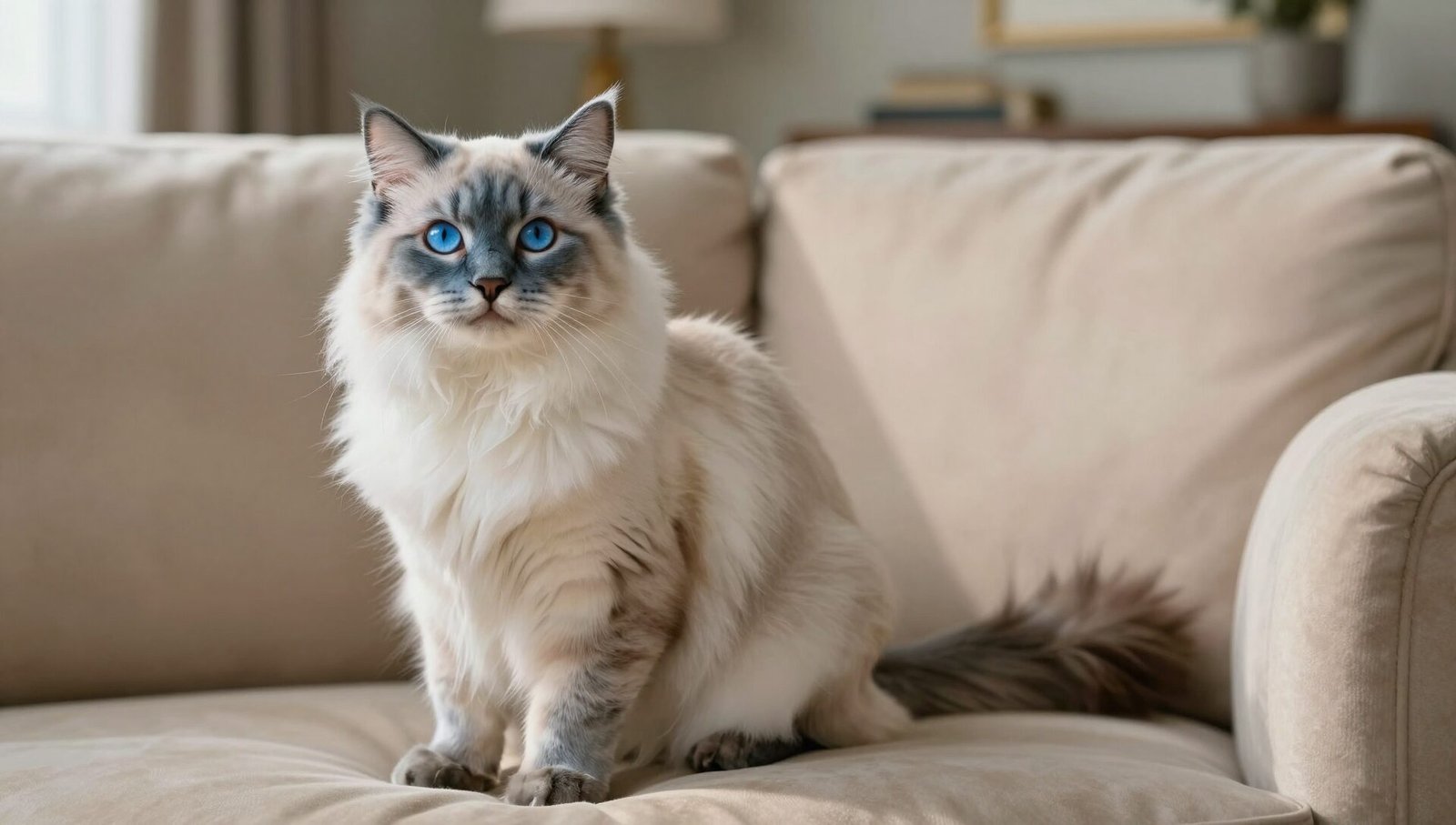
Let me paint you a picture. You’ve spent weeks browsing breeder websites, swooning over those piercing blue eyes and that impossibly soft, bunny-like coat. You’ve mentally named your future Ragdoll, picked out the perfect cat tree from Pets at Home, and imagined lazy Sunday cuddles on the sofa. Then, during a visit to a friend’s cat, you start sneezing. Your eyes water. Your chest tightens. The dream seems to shatter.
If you’re one of the millions of Brits who adore cats but dread the sniffles, you’ve probably Googled “Do Ragdoll Cats Cause Allergies?” at 2 AM. I’ve been in that exact position. The internet is full of conflicting information—some sites claim Ragdolls are hypoallergenic, others say they’re just as bad as any other breed. It’s enough to make your head spin (and not just from the congestion).
In this comprehensive guide, we’re going to cut through the noise. We’ll explore the science behind cat allergies, why Ragdolls might be a better option for sensitive owners, and—most importantly—give you real-world, actionable advice on how to manage allergies if you do decide to welcome one of these magnificent felines into your home.
Are Ragdoll Cats Hypoallergenic? The Honest Answer
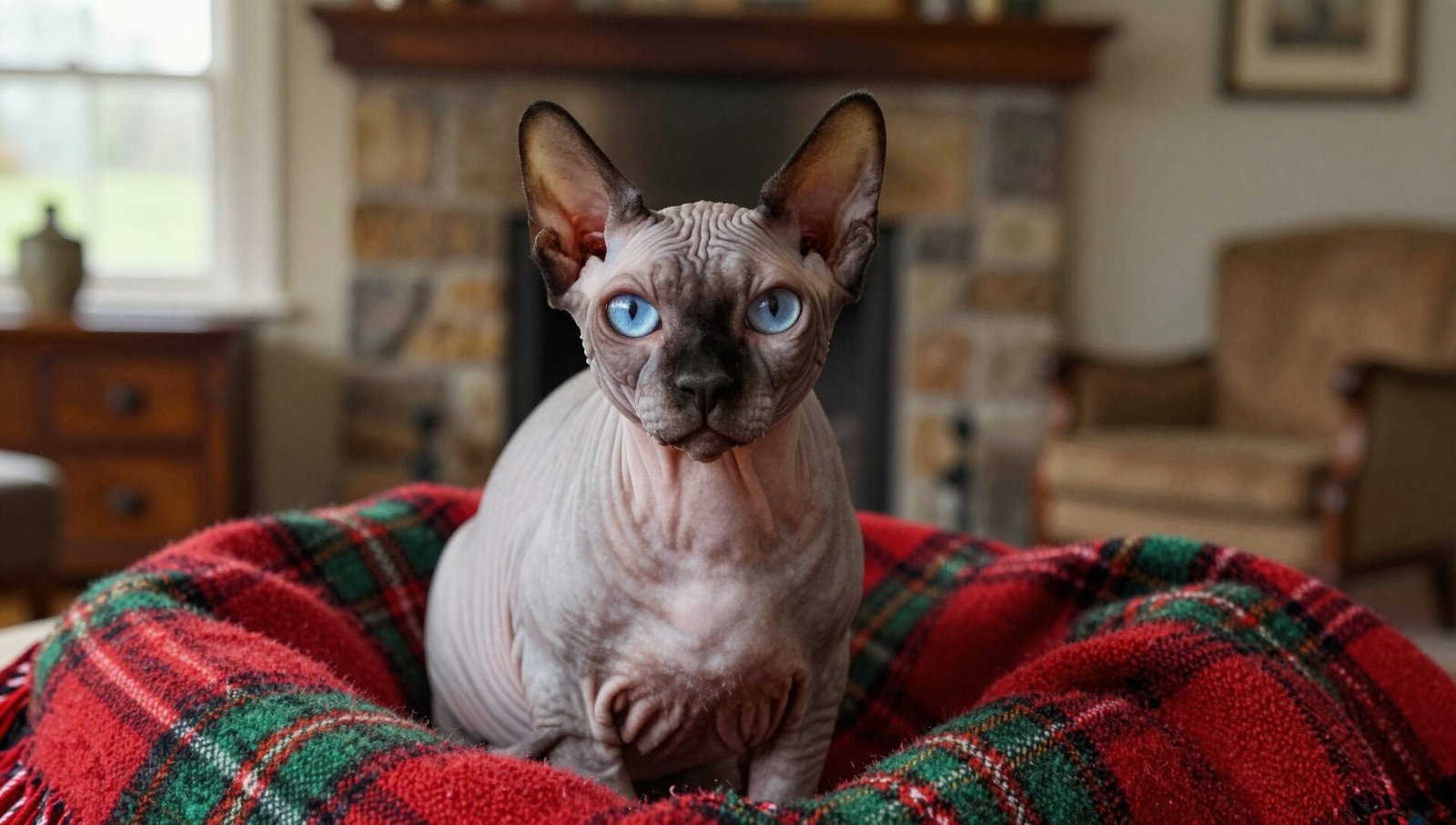
Let’s get straight to the point. No, Ragdoll cats are not hypoallergenic. No cat breed is. Even the hairless Sphynx produces the proteins that trigger allergic reactions. So, if a breeder ever tells you their Ragdolls are 100% safe for allergy sufferers, I’d politely suggest they need to do a bit more homework.
However—and this is a big however—that doesn’t mean Ragdolls are off the table. The term “hypoallergenic” is often misunderstood. It doesn’t mean “allergen-free.” It means “relatively low likelihood of causing an allergic reaction.” And in that regard, Ragdolls actually perform quite well compared to many other breeds.
Here’s why: Ragdolls have a unique coat. Unlike most long-haired cats, they lack a dense, woolly undercoat. This is a game-changer. That fluffy undercoat is where dander—tiny flecks of skin—gets trapped and then shed into your home. Less undercoat means less shedding, and less shedding means fewer allergens floating around your living room. So, whilst they aren’t hypoallergenic in the true scientific sense, they are often better tolerated by allergy sufferers than breeds like Persians or Maine Coons.
Understanding the Science: What Exactly is Fel d 1?
To truly understand whether Ragdoll cats cause allergies, we need to talk about the invisible culprit: Fel d 1. This is a tiny protein produced primarily in a cat’s sebaceous glands (found in their skin), saliva, and urine. It’s the main allergen responsible for those miserable symptoms—sneezing, itchy eyes, and congestion.
Here’s how it works. Cats are fastidious groomers. They lick their fur, transferring saliva containing Fel d 1 onto their coat. As the saliva dries, the protein becomes airborne on microscopic particles of dander. When you breathe in, or when these particles land on your eyes, your immune system—mistaking this harmless protein for a dangerous invader—launches an attack. It releases histamines, causing the classic allergy symptoms we all know and loathe.
Key facts about Fel d 1:
- It’s not the fur itself that causes allergies; it’s the protein hitchhiking on the fur.
- Male cats typically produce more Fel d 1 than females.
- Neutered males produce significantly less than un-neutered males.
- The protein can linger in a home for months, even after a cat has gone.
So, when we ask “do Ragdoll cats cause allergies?”, we’re really asking: how much Fel d 1 do they produce? The answer varies from cat to cat, but Ragdolls are generally thought to produce slightly less of this protein than many other breeds. It’s one of the reasons they’ve earned their reputation as a “better” choice for allergy sufferers.
Do Ragdoll Cats Cause Allergies? Factors That Matter
Now we’re getting to the heart of the matter. The answer to whether Ragdoll cats cause allergies isn’t a simple yes or no—it depends on several factors. Let me break them down for you.
The Individual Cat: Just like humans, cats are individuals. One Ragdoll might produce very low levels of Fel d 1, whilst another of the same litter might produce more. There’s no way to know for certain until you spend time with the specific cat you’re considering.
The Individual Human: Allergies exist on a spectrum. Some people experience mild sniffles; others have severe asthma attacks. If you have a mild cat allergy, a Ragdoll might be perfectly manageable. If your allergy is severe, no amount of vacuuming or air purifiers will make living with any cat comfortable.
Shedding and Dander Levels: As we’ve discussed, Ragdolls lack a dense undercoat, which means they shed less than many breeds. Less shedding = less dander in the air = fewer allergens to trigger your symptoms. This is a significant advantage.
Gender and Neutering Status: If you’re particularly sensitive, consider a spayed female Ragdoll. Females generally produce less Fel d 1 than males, and neutering reduces production further. It’s worth discussing this with your breeder.
| Factor | Impact on Allergies | Recommendation |
|---|---|---|
| Cat’s Gender | Females produce less Fel d 1 | Consider a spayed female |
| Neutering Status | Neutered cats produce less Fel d 1 | Always neuter/spay |
| Coat Type | Ragdolls lack undercoat = less shedding | Advantage for allergy sufferers |
| Individual Variation | Fel d 1 levels vary cat to cat | Spend time with the cat before committing |
| Owner’s Sensitivity | Mild vs severe allergies | Consult an allergist first |
My advice? Before you commit to a kitten, spend time with the breeding cats if possible. Visit the breeder, cuddle the mum, and see how your body reacts. It’s not a foolproof test, but it’s better than finding out on day one at home that you can’t breathe.
Ragdoll Temperament: A Calmer Cat Means Fewer Allergens
This might sound odd, but a cat’s personality actually plays a role in allergy management. Think about it: a hyperactive cat tearing around the house at 3 AM, launching itself off furniture and scrambling up curtains, is going to stir up a lot more dander and dust than a calm, docile one.
Enter the Ragdoll. These cats are famously relaxed. They’re often described as “puppy-like” because they tend to follow their owners from room to room, enjoy being held, and are generally happy to lounge about. They’re not the type to scale your bookshelf or parkour across the kitchen counter (well, mostly).
This laid-back temperament means:
- Less physical activity = less dander stirred into the air.
- Less frantic grooming = fewer opportunities for Fel d 1 to spread.
- More predictable routines = easier to manage cleaning schedules.
Ragdolls are also known for their quiet, gentle nature. They communicate with soft chirps and trills rather than loud, demanding meows. This calm demeanour makes them excellent indoor cats, which is another plus for allergy sufferers—more on that shortly.
Practical Tips for Allergy Sufferers Living with a Ragdoll
So, you’ve decided to take the plunge. You’ve spent time with the breeder’s cats, your allergies were manageable, and you’re ready to bring your Ragdoll kitten home. Congratulations! Now, let’s make sure you can actually enjoy living together.
Here are my tried-and-tested tips for managing allergies with a Ragdoll in the house:
Create Cat-Free Zones: Your bedroom should be a sanctuary. Keep the door shut at all times. This ensures you have 8 hours of breathing space to recover from the day’s exposure. Trust me, it makes a massive difference.
Invest in HEPA Air Purifiers: A High-Efficiency Particulate Air (HEPA) purifier is non-negotiable. Place one in the living room (where your Ragdoll will spend most of their time) and one in your bedroom if possible. These filters trap the microscopic particles that carry Fel d 1.
Vacuum Religiously: I vacuum at least three times a week—sometimes more during shedding season. Use a vacuum with a HEPA filter built-in so you’re not just blowing allergens back into the room. Don’t forget soft furnishings, curtains, and cat beds.
Wash Bedding Frequently: Cat beds, blankets, and any fabric your Ragdoll lounges on should be washed weekly on a hot cycle. This kills bacteria and removes accumulated dander.
Wash Your Hands After Cuddles: It sounds simple, but it’s easy to forget. After a cuddle session, wash your hands immediately. Never touch your face or eyes after stroking your cat until you’ve washed up.
Consider Allergen-Reducing Sprays: Products like Pacagen can be sprayed on your cat’s fur to neutralise Fel d 1 proteins. I was sceptical at first, but many owners swear by them.
Grooming Your Ragdoll to Reduce Allergens
Regular grooming is one of the most effective ways to manage allergens. Here’s my routine:
Daily Brushing: I brush my Ragdoll every day. It removes loose fur and dander before it has a chance to settle on the sofa. Do this outside or in a well-ventilated area if possible.
Regular Bathing: A bath every 4–6 weeks washes away accumulated saliva and dander. Ragdolls are often more tolerant of water than other breeds, which is a bonus. If a full bath is too dramatic (and believe me, I’ve had some epic bathroom battles), try wiping them down with a damp cloth or pet-safe grooming wipes.
Damp Cloth Wipe-Downs: Between baths, a quick wipe-down with a damp microfibre cloth can work wonders. It removes surface-level dander and saliva without the stress of a full bath.
Diet and Feline Nutrition for Allergy Management
What your cat eats can actually affect how much dander they produce. A healthy cat produces healthy skin, and healthy skin sheds less.
Omega Fatty Acids: Look for foods rich in Omega-3 and Omega-6 fatty acids. These promote a glossy coat and a healthy skin barrier, reducing flaking and dander. Fish-based foods are often a good source.
Specialised Allergy-Reducing Food: Purina Pro Plan LiveClear is a game-changer. It contains antibodies that bind to Fel d 1 in the cat’s mouth, neutralising it before it ever reaches their fur. Studies have shown it can reduce allergens by up to 47%. I was genuinely impressed when I first learned about this.
Hydration: Ensure your Ragdoll drinks plenty of water. Dehydrated skin = more dander. Consider a cat water fountain—cats are often more inclined to drink from running water.
Ragdoll Cat Care Essentials for UK Owners
Beyond allergy management, owning a Ragdoll is a joy. But like any breed, they have specific care needs you should be aware of.
Lifespan and Health: Ragdolls typically live 12–15 years, sometimes longer with excellent care. They are prone to certain genetic conditions, most notably Hypertrophic Cardiomyopathy (HCM), a heart condition. Always buy from a breeder who screens for HCM. They can also be prone to bladder stones and obesity, so diet and regular vet check-ups are crucial.
Indoor Living: Ragdolls are best kept as indoor cats in the UK. Their trusting, docile nature makes them vulnerable outdoors—they’re not street-smart like a moggy. Plus, their value makes them a target for theft. Ensure your home is enriched with cat trees, window perches, scratching posts, and interactive toys.
Litter Training: Ragdolls are generally easy to litter train. Most kittens take to it naturally. However, keep the litter tray clean—Ragdolls are fastidious and may refuse to use a dirty tray. I learned this the hard way when my kitten decided my laundry basket was a better option. 😅
Enrichment and Scratching Behaviour: Despite their calm nature, Ragdolls still need mental and physical stimulation. Provide a variety of scratching posts (both vertical and horizontal), puzzle feeders, and interactive toys. Rotate toys regularly to keep things interesting. A bored Ragdoll is a destructive Ragdoll.
Pros and Cons of Owning a Ragdoll with Allergies
| Pros | Cons |
|---|---|
| Lack of undercoat means less shedding | Not hypoallergenic—they still produce Fel d 1 |
| Calm temperament stirs up fewer allergens | Daily grooming is essential to manage dander |
| Often better tolerated by mild allergy sufferers | Severe allergy sufferers may still react badly |
| Affectionate, dog-like personality | Prone to HCM and other genetic conditions |
| Quiet, gentle nature suits indoor living | Can be expensive to purchase from a reputable breeder |
| Can be bathed more easily than most cats | Require significant time investment for grooming and cleaning |
Frequently Asked Questions
Do Ragdoll cats cause allergies more than other breeds?
Generally, no. Ragdolls are often better tolerated by allergy sufferers than many other breeds because they lack a dense undercoat and shed less dander. However, they are not allergen-free, and individual reactions will vary.
Can I build up immunity to my Ragdoll over time?
It’s possible. Some people find their symptoms reduce after several months of living with a cat as their immune system adapts. However, this isn’t guaranteed, and if you have severe asthma, it’s risky to rely on this. Consult an allergist before making any commitments.
Are male or female Ragdolls better for allergy sufferers?
Females generally produce less Fel d 1 protein than males. Additionally, neutered males produce significantly less than un-neutered males. If allergies are a concern, a spayed female Ragdoll is your safest bet.
How often should I groom my Ragdoll to reduce allergens?
Daily brushing is ideal. Bathing every 4–6 weeks also helps. Between baths, wipe your cat down with a damp cloth to remove surface dander and saliva.
Will an air purifier completely eliminate my allergies?
No, but it will significantly reduce airborne allergens. A HEPA air purifier, combined with regular vacuuming and grooming, can make a substantial difference to your symptoms.
Is there special cat food that reduces allergens?
Yes. Purina Pro Plan LiveClear is formulated with antibodies that bind to Fel d 1 in the cat’s mouth, neutralising it before it reaches their fur. Studies suggest it can reduce allergen levels by up to 47%.
Should I see an allergist before getting a Ragdoll?
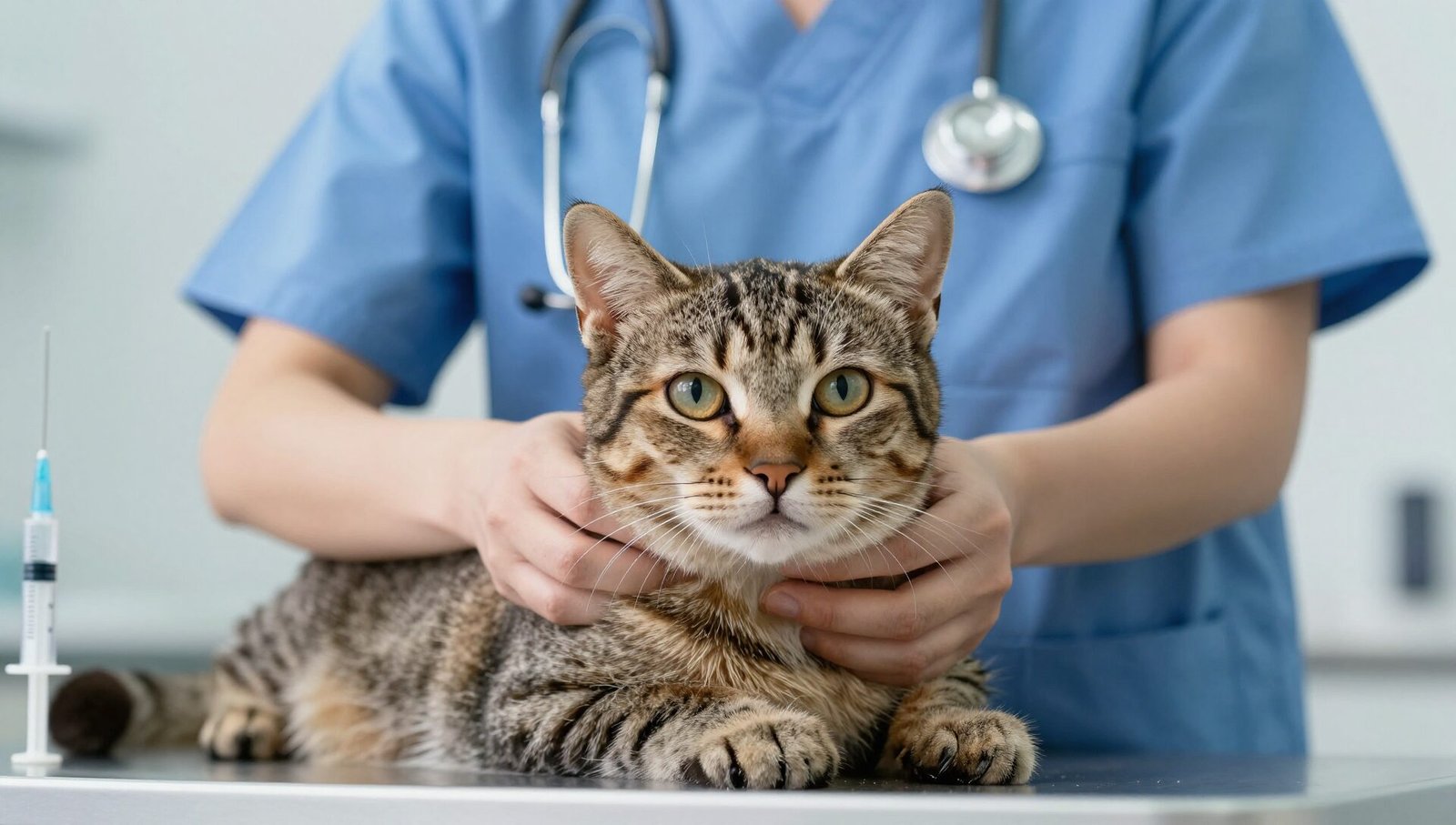
Absolutely. If you have any history of allergies or asthma, consult an allergist before bringing a cat home. They can assess your sensitivity and may recommend antihistamines, nasal sprays, or even immunotherapy (allergy shots) to help you build tolerance.
Final Thoughts
So, do Ragdoll cats cause allergies? Yes, they can—but for many people, they’re manageable. If you suffer from severe, debilitating allergies, sadly, no amount of love for those stunning blue eyes will change your immune system’s response. In that case, a non-feline pet might be the wiser choice.
However, if your allergies are mild to moderate, a Ragdoll could genuinely be the best cat breed for you. Their reduced shedding, lower Fel d 1 production, calm temperament, and compatibility with indoor living make them one of the more allergy-friendly options in the feline world.
The key is preparation. Invest in HEPA purifiers, establish a rigorous grooming routine, create cat-free zones, and consult an allergist. With the right management, you might just find that those lazy Sunday cuddles on the sofa are absolutely worth a box of tissues on the side table. 🐱