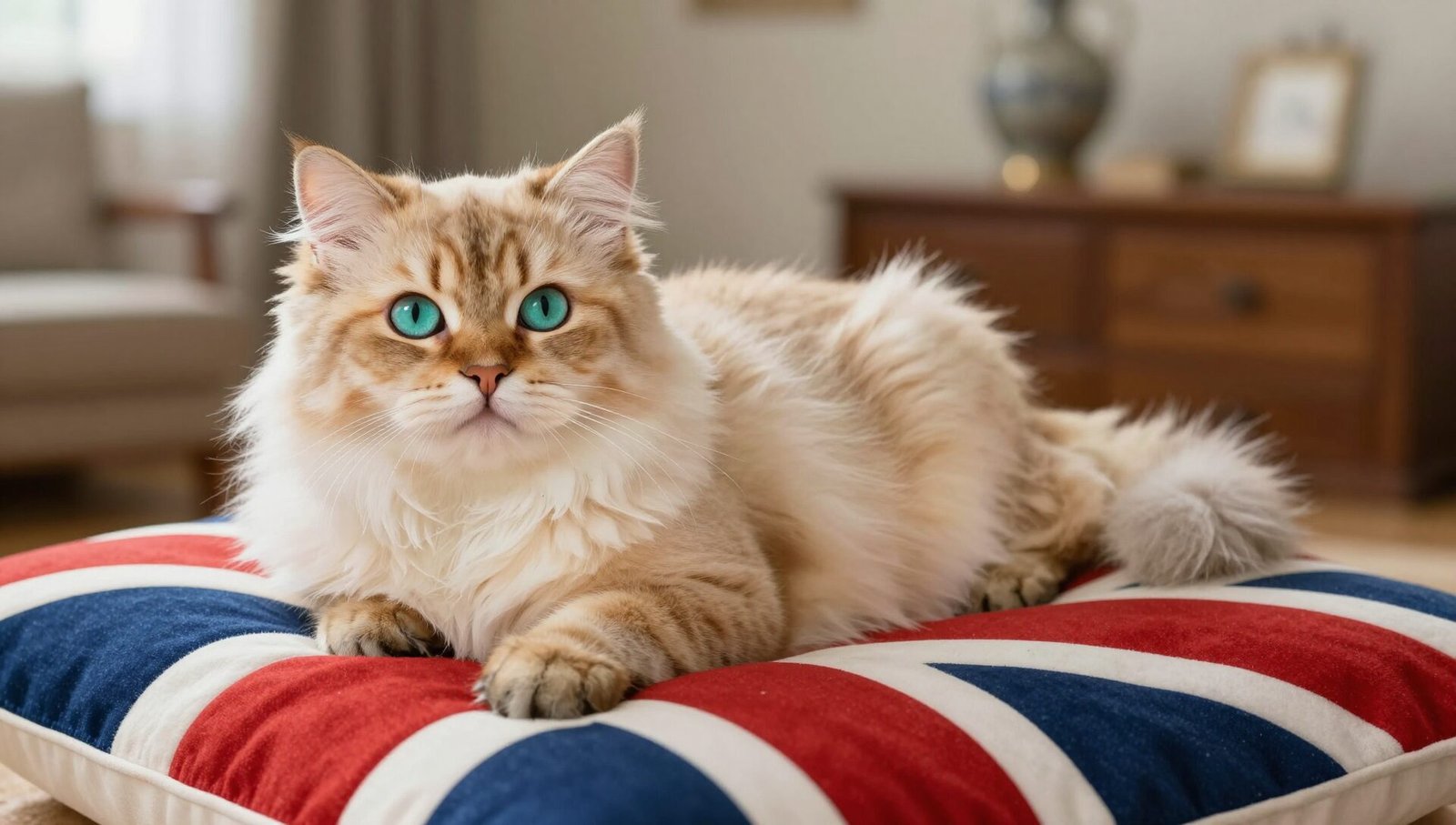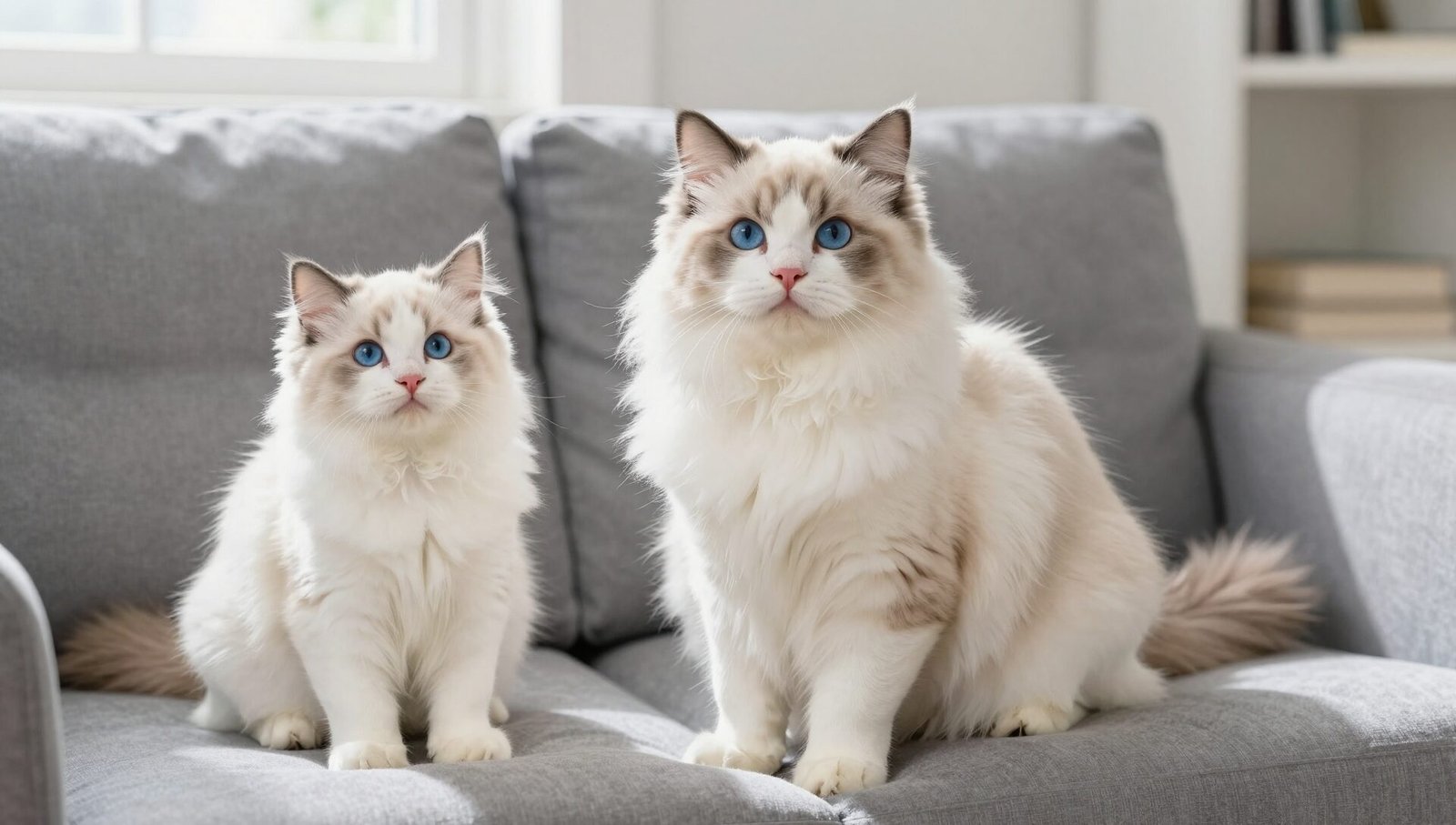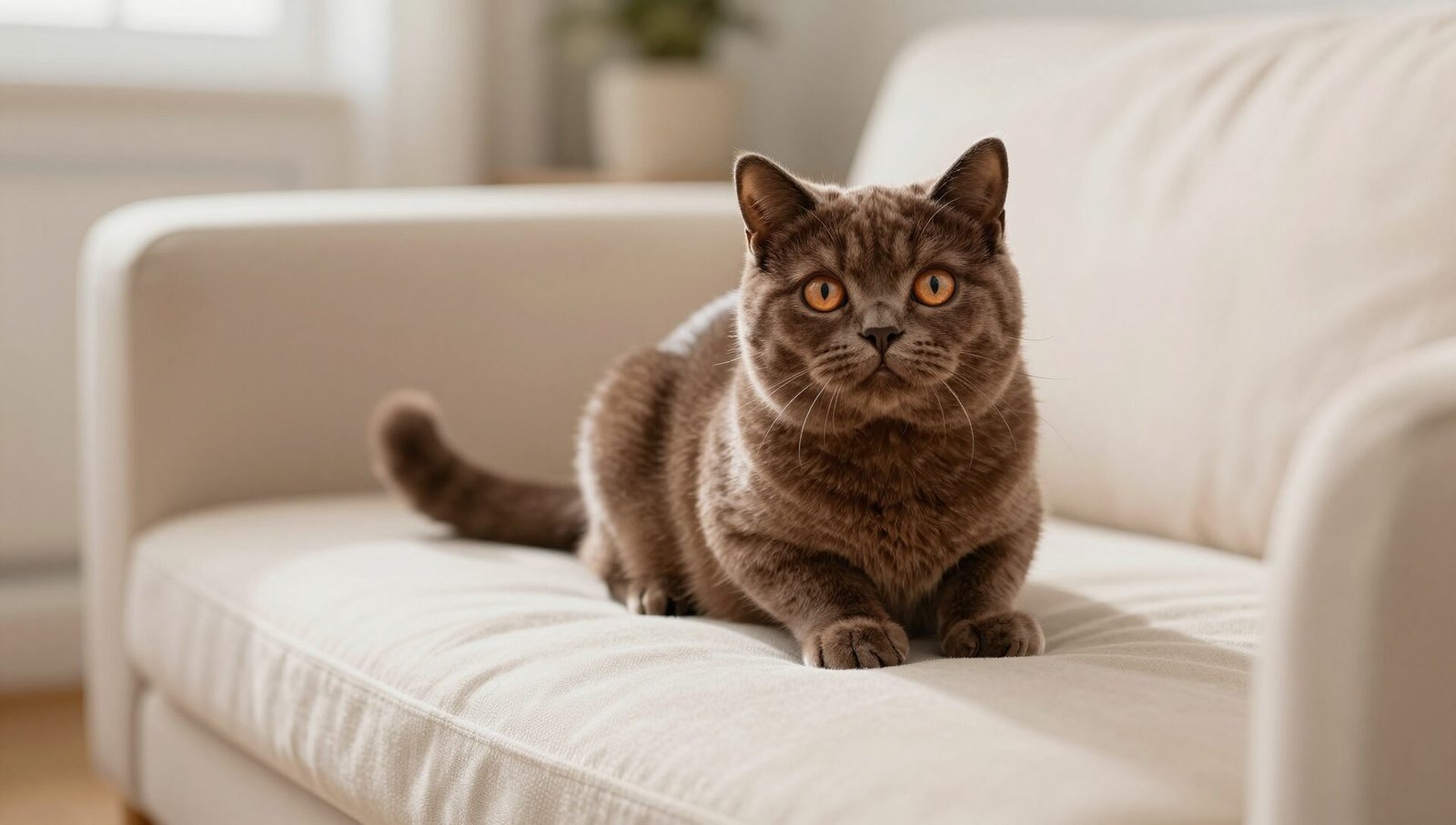
Bringing home a chocolate british shorthair kitten is one of the most rewarding decisions a cat lover can make. With their plush cocoa coats, round copper eyes, and teddy-bear faces, these kittens are impossible to resist. I still remember the first time I held one — it was like cuddling a warm, purring hot water bottle that happened to look like a stuffed animal.
But let’s be honest. Those gorgeous looks are only half the story. Behind those big amber eyes is a calm, steady, and affectionate companion who will quietly take over your sofa, your heart, and probably your side of the bed. Whether you are a first-time cat owner or a seasoned feline enthusiast, understanding what this breed truly needs — from diet and grooming to enrichment and health — will make all the difference.
In this guide, I will walk you through everything I have learned about raising a chocolate British Shorthair kitten in the UK. We will cover temperament, nutrition, coat care, litter training, indoor living, and the honest pros and cons nobody tells you about. If you are considering adding one of these beautiful brown-coated kittens to your family, this article is your starting point.
What Makes a Chocolate British Shorthair Kitten So Special?
The British Shorthair is one of the oldest and most beloved cat breeds in the United Kingdom. The chocolate variety, however, adds something extra — a warm, rich cocoa coat that stands apart from the classic blue most people picture when they think of the breed.
Chocolate British Shorthairs owe their distinctive colour to the recessive b/b gene at the B locus. Both parents must carry this gene for a kitten to express the chocolate colouring. This is not a mix, a trend, or a novelty — it is a fully recognised solid colour accepted by TICA, CFA, GCCF, ACFA, and FIFe.
Physically, a chocolate british shorthair kitten has all the hallmark features of the breed:
- Round, full cheeks that give that iconic teddy-bear look
- Dense, plush double coat with a crisp texture
- Copper, gold, or deep amber eyes that warm with age
- Cobby, muscular body with thick bone structure
- Short, strong neck and wide-set head
The chocolate coat appears even from kittenhood. Unlike some colourpoint breeds that darken over time, a chocolate BSH kitten is recognisably brown from the day you bring it home. The colour deepens and becomes richer as the kitten matures, but that warm cocoa tone is present from the start.
One thing I always tell people: if you see a “brown British Shorthair kitten with blue eyes” marketed as an adult, that is almost certainly not a purebred. Solid chocolate British Shorthairs develop copper or gold eyes — blue eyes in adulthood signal a cross with a pointed breed.
Temperament and Personality
If there is one word that sums up the British Shorthair temperament, it is steady. These cats are not hyperactive, clingy, or destructive. They are the feline equivalent of a favourite armchair — always there, always comfortable, and never demanding attention you are not ready to give.
A chocolate british shorthair kitten will grow into a calm, affectionate, and observant adult. They enjoy being near their humans without being underfoot. Mine follows me from room to room, settling into whatever spot offers the best view of the action — usually the windowsill or the top of the cat tree.
Key personality traits include:
- Affectionate but not needy — they enjoy cuddles on their terms
- Patient and tolerant — excellent with children and other pets
- Quiet — they are not known for excessive vocalisation
- Independent — perfectly content during a working day
- Observant — they watch everything with calm curiosity
This temperament makes them ideal for busy households, professionals who work full-time, and families with young children. They do not punish you for leaving the house, but they will greet you at the door with a slow blink and a head bump when you return.
One word of caution: their laid-back nature means they can be prone to weight gain if overfed and under-exercised. We will cover that in the diet section, but it is worth noting now — a chubby British Shorthair might look adorable, but obesity leads to real health problems.
Diet and Nutrition for Your Kitten
Getting feline nutrition right during kittenhood sets the foundation for a healthy adult cat. A chocolate british shorthair kitten needs a high-protein, balanced diet that supports their muscular build, dense coat, and steady growth.
I always recommend a combination of wet and dry food. Wet food provides hydration (crucial for urinary health) and tends to be more palatable, while dry food supports dental health and is convenient for free-feeding during the day.
Here is a practical feeding framework:
| Age | Meals Per Day | Food Type | Notes |
|---|---|---|---|
| 8–12 weeks | 4 small meals | Wet kitten food + soaked kibble | Tiny stomachs, frequent feeding |
| 3–6 months | 3 meals | Wet + dry kitten food | Introduce variety early |
| 6–12 months | 2–3 meals | High-quality kitten food | Transition to adult food around 12 months |
| 12 months+ | 2 meals | Adult cat food | Monitor weight closely |
Tips from my own experience:
- British Shorthairs can be notoriously picky. If your kitten turns their nose up at a new food, try warming it slightly — it releases aroma and makes it more appealing.
- Look for foods where meat or fish is the first ingredient. Avoid excessive fillers like corn or wheat.
- Add omega-3 and omega-6 fatty acids through diet or supplements to keep that gorgeous chocolate coat shiny and healthy.
- Always provide fresh water. A cat water fountain can encourage drinking, especially if your kitten prefers running water.
Avoid feeding cow’s milk — most cats are lactose intolerant, and the resulting tummy upset is not something you want to clean up at 2 a.m. Trust me on that one.
Grooming and Coat Care
The chocolate British Shorthair’s coat is one of its defining features — dense, plush, and velvety, with a crisp texture that feels like stroking a luxurious carpet. Maintaining that coat does not require professional grooming, but it does need consistent care.
Recommended grooming routine:
- Brush two to three times per week using a wide-tooth metal comb or slicker brush
- Increase brushing during shedding seasons (spring and autumn) to manage loose fur
- Avoid overbathing — British Shorthairs do not need regular baths, and excessive washing strips natural oils from their double coat
- Check ears weekly for wax build-up or irritation
- Trim nails every two to three weeks
I learned the hard way that skipping brushing for even a week during a heavy moult results in tumbleweed-sized fur balls rolling across the kitchen floor. A consistent routine takes five minutes and saves your sofa.
The chocolate colour tends to stay rich and even when the coat is well-maintained. A neglected coat can look dull and patchy, which is a shame given how beautiful a well-groomed chocolate British Shorthair looks in natural light.
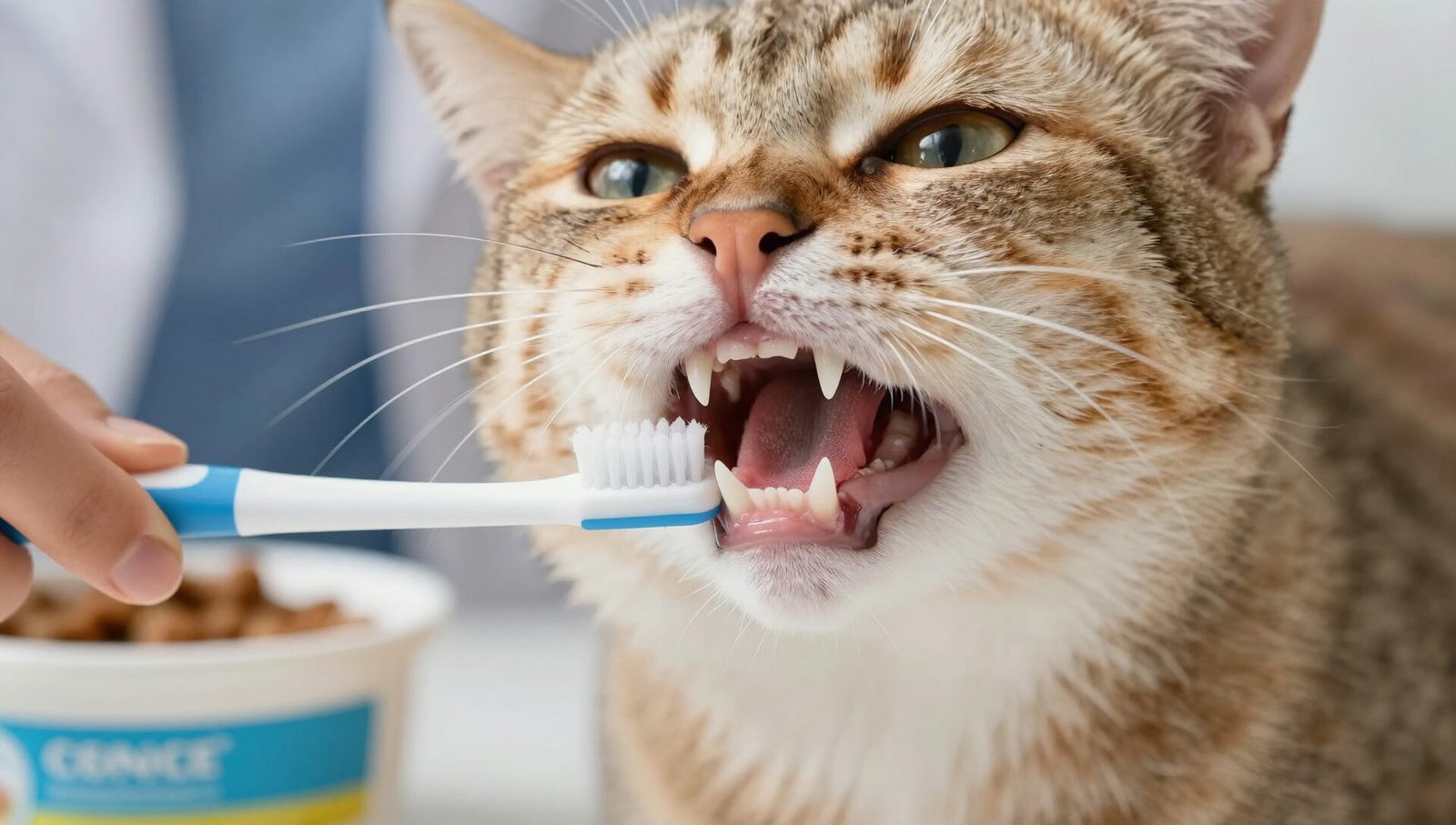
Pro tip: Start grooming your kitten early so they associate brushing with positive experiences. Pair it with treats and gentle praise. My cat now purrs through every session because he learned early that the brush means snack time is coming.
Health, Lifespan, and Common Concerns
A well-bred chocolate british shorthair kitten can expect a lifespan of 12 to 20 years with proper care. British Shorthairs are generally robust, but like all pedigree breeds, they have predispositions worth knowing about.
Common health concerns:
- Hypertrophic cardiomyopathy (HCM) — a heart condition; responsible breeders screen for this
- Polycystic kidney disease (PKD) — genetic; testing is available
- Obesity — their laid-back nature and love of food make weight management essential
- Dental disease — regular dental checks and appropriate food help prevent this
Essential vet care schedule:
| Age | Veterinary Action |
|---|---|
| 8–9 weeks | First vaccination |
| 12 weeks | Second vaccination |
| 16 weeks | Third vaccination (if needed) |
| 6 months | Spay/neuter discussion |
| Annually | Health check, booster vaccinations, dental review |
Always ask your breeder for health testing documentation for both parents. A responsible breeder will provide evidence of HCM screening, PKD testing, and registration with TICA, CFA, or GCCF.
One thing I wish someone had told me earlier: British Shorthairs mature slowly. They do not reach full physical maturity until three to five years of age. Do not panic if your kitten seems smaller than expected at 12 months — they have plenty of growing left to do.
Indoor Living and Enrichment
Chocolate British Shorthairs are excellent indoor cats. Their calm temperament, low activity level, and contentment with indoor life make them perfectly suited to apartment living or homes without garden access.
However, “low maintenance” does not mean “no maintenance.” Indoor cats need enrichment to stay mentally stimulated and physically healthy. A bored British Shorthair may not tear your curtains down like a Bengal might, but they can develop stress-related behaviours or gain unwanted weight.
Enrichment essentials:
- Cat tree or climbing shelf — British Shorthairs love observing from height
- Scratching posts — both vertical and horizontal options to satisfy scratching behaviour
- Interactive toys — feather wands, puzzle feeders, and laser pointers (in short sessions)
- Window perch — birdwatching is prime entertainment for indoor cats
- Rotating toy selection — swap toys weekly to maintain novelty
I invested in a sturdy cat tree early on, and it remains the single best purchase I have made. It gives my cat a territory of his own, a scratching outlet, and a high vantage point to judge everyone in the household from.
Scratching behaviour is natural and necessary — never punish it. Instead, redirect it to appropriate surfaces. Place scratching posts near furniture your cat targets, and reward them for using the post.
Training and Litter Box Basics
Let us address the elephant in the room: you cannot train a cat the way you train a dog. But you absolutely can shape behaviour through positive reinforcement, routine, and patience.
Litter training is usually straightforward with British Shorthairs. Most kittens are already partially trained by their breeder. To ensure success:
- Use a low-sided litter tray so your kitten can climb in easily
- Place the tray in a quiet, accessible location away from food and water
- Choose an unscented, clumping litter — many cats dislike perfumed options
- Clean the tray daily — British Shorthairs are fastidious and may refuse a dirty box
- Gradually transition to a larger, covered tray as your kitten grows
Training tips that actually work:
- Reward good behaviour with treats and praise rather than punishing bad behaviour
- Establish routines — cats thrive on predictability (feeding times, play sessions, quiet hours)
- Use clicker training for simple commands like “sit” or coming when called — British Shorthairs are intelligent and food-motivated
- Redirect unwanted behaviour — if your kitten scratches furniture, calmly move them to a post and reward them
The biggest mistake I made early on was moving the litter tray without gradual transition. My kitten was confused, and I spent a week cleaning up accidents. Lesson learned: cats dislike sudden changes. If you need to relocate the tray, move it a few inches per day.
Pros and Cons of Owning a Chocolate British Shorthair Kitten
Every breed has its strengths and challenges. Here is an honest, balanced look:
Pros:
- ✅ Stunning appearance — the rich chocolate coat and copper eyes are genuinely show-stopping
- ✅ Calm temperament — ideal for families, professionals, and quiet households
- ✅ Good with children and other pets — patient and tolerant
- ✅ Low grooming demands — regular brushing is sufficient
- ✅ Excellent indoor cats — content with apartment living
- ✅ Quiet — minimal vocalisation
- ✅ Predictable personality — what you see in kittenhood carries into adulthood
Cons:
- ❌ Prone to obesity — requires monitored diet and portion control
- ❌ Can be picky eaters — finding the right food may take experimentation
- ❌ Slow to mature — patience needed for full physical development
- ❌ Moderate shedding — seasonal moults require extra grooming
- ❌ Higher purchase price — chocolate is less common than blue, often priced accordingly
- ❌ Health screening costs — responsible breeders invest in testing, which affects price
- ❌ Not the most playful breed — if you want a high-energy companion, look elsewhere
In my experience, the pros vastly outweigh the cons. But going in with realistic expectations prevents disappointment. This is not a lap cat that will demand your attention — it is a dignified companion who chooses when and how to show affection, and somehow that makes it mean more.
Choosing a Reputable Breeder
This is arguably the most important section of this entire guide. Where you get your kitten matters enormously — for health, temperament, and ethical reasons.
What to look for:
- Registration with TICA, CFA, or GCCF — non-negotiable for pedigree assurance
- Health testing documentation for both parents (HCM, PKD)
- In-home raising — kittens socialised in a home environment adapt better
- Written health guarantee — a reputable breeder stands behind their kittens
- Willingness to answer questions — good breeders are transparent and proud of their programme
- Waitlist patience — responsible breeders do not have kittens available year-round
Red flags to avoid:
- 🚩 Kittens available immediately with no waitlist
- 🚩 No health testing or registration documents
- 🚩 Prices significantly below market rate
- 🚩 Multiple breeds available at the same time
- 🚩 Unwillingness to let you meet the parents or visit the home
- 🚩 Pressure to buy quickly
A chocolate british shorthair kitten from a responsible breeder in the UK typically costs between £1,200 and £2,500 depending on pedigree, colour clarity, and breeder reputation. If someone offers a “brown British Shorthair kitten” for £400 with no paperwork, walk away. That is almost certainly a mixed-breed kitten or an unregistered line.
Frequently Asked Questions
Are chocolate British Shorthair kittens rare?
They are less common than blue British Shorthairs but not considered rare. The chocolate colour requires both parents to carry the recessive b/b gene, so specific pairings are needed. Demand consistently outstrips supply, which contributes to higher prices and longer waitlists.
How big do chocolate British Shorthairs get?
Males typically reach 12–17 pounds (5.4–7.7 kg), while females range from 8–14 pounds (3.6–6.4 kg). Full maturity occurs between three and five years, so your kitten will continue filling out well past its first birthday.
Do chocolate British Shorthairs get along with dogs?
Yes, generally very well. Their confident, calm temperament means they adapt to multi-pet households when introductions are gradual and supervised. A calm, respectful dog and a well-socialised British Shorthair often become wonderful companions.
What eye colour do chocolate British Shorthairs have?
Solid chocolate British Shorthairs develop copper, gold, or deep amber eyes. Silver-based chocolate varieties may show green or hazel, but blue eyes in adulthood indicate a cross with a pointed breed and are not standard.
How often should I groom my chocolate British Shorthair?
Brush two to three times per week, increasing to daily during spring and autumn shedding seasons. Avoid overbathing — their coat maintains itself well with regular brushing and a quality diet.
Are chocolate British Shorthairs suitable for flats and apartments?
Absolutely. They are quiet, content with indoor life, and do not require outdoor access. Provide enrichment like cat trees, scratching posts, and interactive toys, and they will thrive in a smaller space.
Can I let my chocolate British Shorthair go outside?
While some owners do allow supervised garden access, British Shorthairs are generally safer and healthier as indoor cats. They are not street-savvy and can be targets for theft due to their value. Indoor living with proper enrichment is the recommended approach.
How can I tell if my kitten is a genuine chocolate British Shorthair?
Ask for TICA, CFA, or GCCF registration papers, pedigree lineage, and health testing for both parents. A genuine chocolate British Shorthair will have a round face, cobby body, dense double coat, and warm copper or gold eyes.
Final Thoughts
Bringing a chocolate british shorthair kitten into your home is a decision you are unlikely to regret. These cats offer the perfect blend of beauty, calm temperament, and low-maintenance companionship. They do not demand constant attention, they adapt well to indoor living, and they reward your care with years of quiet, loyal affection.
The key takeaways from this guide are simple:
- Choose a registered, reputable breeder — it protects your kitten’s health and your investment
- Invest in proper nutrition — high-protein food with omega fatty acids keeps your kitten healthy and their coat gorgeous
- Groom consistently — a few minutes a few times a week maintains that stunning chocolate coat
- Enrich their environment — even calm cats need mental stimulation
- Monitor their weight — British Shorthairs love food and will happily overeat
- Be patient — they mature slowly but reward you with a magnificent, steady companion
Whether you call them brown, cocoa, or chocolate, these kittens are a genuinely special addition to any household. Take your time, do your research, and when the right kitten comes along — enjoy every moment. They grow up faster than you think, even if they take their sweet time reaching full size. 😺