Introduction
I remember the morning I stepped barefoot into a cold, wet patch on my living room rug. My heart sank. My beautiful tabby, Marmalade, sat on the armchair giving me that “what?” look as if she hadn’t just committed a crime against my flooring. If you’re reading this, chances are you’ve had a similar moment — or twenty. Let’s face it: cleaning up cat pee is nobody’s idea of a good time.
But here’s the thing I’ve learned after years of feline care: cats don’t do this to be spiteful. They’re not “getting back at you” for working late or forgetting to refill their treat bowl. When your cat suddenly starts ignoring their litter box, there’s always an underlying reason. And most of the time, it’s fixable.
In this article, I’ll walk you through seven common reasons your cat is peeing outside the litter box and how to stop it. We’ll cover everything from medical emergencies to simple environmental tweaks. By the end, you’ll have a clear action plan — and hopefully, dry floors.
Understanding Why Your Cat Is Peeing Outside the Litter Box and How To Stop It
Before we dive into specific causes, let’s get one thing straight: the reasons your cat is peeing outside the litter box and how to stop it isn’t a mystery you can solve overnight. It takes patience, observation, and sometimes a bit of detective work. But trust me, it’s worth it.
Cats are creatures of habit. When something changes — their health, their environment, or even the type of litter you’re using — they react. And unfortunately for us, that reaction often involves our favourite rug. The good news? Once you identify the trigger, you can address it.
I always tell fellow cat owners to think of inappropriate peeing as a message. Your cat isn’t being difficult; they’re trying to tell you something. Maybe they’re in pain. Maybe they’re stressed. Maybe they just really hate that lavender-scented litter you thought was a great idea. (Spoiler: many cats do.)
So take a deep breath, grab a notepad, and let’s become cat detectives together. Your floors — and your feline friend — will thank you.
1. Medical Issues: The First Stop on Your Investigation
If your cat has suddenly started peeing outside the box, your first call should be to the vet. Full stop. I cannot stress this enough. In my experience, about 70% of sudden litter box problems have a medical root cause.
Urinary Tract Infections (UTIs) are incredibly common in cats. The inflammation makes them feel like they need to pee constantly, and sometimes they don’t make it to the box in time. Watch for straining, tiny amounts of urine, or blood in the pee.
Crystalluria — those nasty crystals in the urine — can cause intense discomfort. I once had a foster cat who spent hours sitting in the litter box looking miserable. Turns out, his urine pH was off, and he needed a special diet.
Kidney disease and diabetes both cause increased thirst and urination. An older cat with kidney issues might drink more water and then struggle to hold it long enough to reach the box.
Arthritis is another culprit, especially in senior cats. If your elderly cat has to climb stairs or jump into a high-sided box, they might simply decide it’s not worth the pain.
Feline Idiopathic Cystitis (FIC) is a tricky one. It’s stress-induced bladder inflammation, and it’s more common than you’d think. I’ve seen perfectly healthy cats develop FIC after a house move or a new baby arrival.
Bottom line: rule out medical problems first. Your vet can run urine and blood tests to check for most of these conditions. Don’t skip this step — treating the underlying illness often solves the peeing problem immediately.
| Medical Condition | Key Symptoms | Treatment |
|---|---|---|
| UTI | Straining, blood in urine | Antibiotics |
| Crystalluria | Frequent small amounts | Diet change |
| Kidney Disease | Increased thirst, weight loss | Medication, diet |
| Arthritis | Reluctance to jump | Pain relief, joint supplements |
| FIC | Stress-related, blood in urine | Stress reduction, medication |
2. Litter Box Location: Out of Sight, Out of Mind
I once visited a friend whose cat was peeing on her bed every single day. She was at her wit’s end. When I asked where the litter box was, she pointed to the basement. Down a creaky staircase. Past the washing machine that clanked like a freight train. No wonder the cat preferred her duvet.
Cats need their litter boxes to be in safe, accessible locations. Here are some common placement mistakes:
The basement trap: Basements are often dark, scary, and isolating. Your cat doesn’t want to trek down three flights of stairs when nature calls.
The noisy corner: Next to the washing machine, dryer, or boiler? Those vibrations and sounds can spook your cat. I had a cat who refused to use her box after I moved it next to the tumble dryer. Problem solved when I moved it back.
The dead-end hallway: If your cat has to pass through a narrow corridor where another cat might ambush them, they’ll avoid it. This is especially important in multi-cat households.
The hard-to-reach spot: For senior cats or those with arthritis, a box in an upstairs room or behind a baby gate is simply impractical.
The ideal location? A quiet corner of a room your cat uses regularly. Not too close to their food and water (cats are clean creatures), but not so far away that it’s a mission to get there. I keep one box in the hallway and another in the spare bedroom. My cats use both without drama.
3. Litter Type Preferences: Picky, Picky, Picky
Have you ever switched your cat’s litter only to find puddles on the floor the next day? Welcome to the world of feline food critics. I mean, litter critics.
Cats have surprisingly strong opinions about what they poop in. Here’s what I’ve learned from trial and (a lot of) error:
Texture matters. Some cats love fine, sandy litter. Others prefer larger pellets. My cat Morris absolutely refuses to use crystal litter — he’ll hold it in for hours rather than touch those tiny silica beads.
Scent sensitivity. Remember that lovely lavender-scented litter you bought? Your cat probably hates it. Cats have a sense of smell about 14 times stronger than ours. What smells like a pleasant meadow to you might be overwhelming to them. Unscented, clumping litter is usually the safest bet.
Depth preference. Some cats like deep litter (3-4 inches) for digging and covering. Others prefer a shallow layer. Watch your cat’s behaviour — if they’re scratching the sides of the box but not the litter, the depth might be wrong.
The material itself. Clay, pine, corn, walnut, paper — the options are endless. I recommend offering two different types in separate boxes and seeing which one your cat uses more. Call it a feline focus group.
Here’s a quick comparison table to help you choose:
| Litter Type | Pros | Cons | Best For |
|---|---|---|---|
| Clumping Clay | Good odour control, easy scooping | Dusty, heavy | Most cats |
| Silica Crystals | Absorbent, low dust | Some cats hate the texture | Low-maintenance owners |
| Pine Pellets | Natural, biodegradable | Can be messy | Eco-conscious owners |
| Corn/Wheat | Flushable options, natural | May attract bugs | Sensitive cats |
4. Cleanliness Standards: The Porta Potty Problem
Let’s be honest: nobody wants to use a dirty toilet. And your cat feels the same way — but their standards are much higher than yours.
One of the main reasons your cat is peeing outside the litter box and how to stop it involves simple cleanliness changes. I scoop my boxes twice a day — morning and evening — and I still catch my cats wrinkling their noses sometimes.
Here’s the thing: a litter box that smells “fine” to you might be absolutely rank to your cat. Their sense of smell is superpower-level. If you can smell it at all, imagine how they feel.
Deep cleaning schedule: I empty and scrub the entire box every two weeks. Hot water and mild dish soap — no harsh chemicals that might leave a residue. Vinegar works well too, but rinse thoroughly.
The box material matters. Plastic litter boxes absorb odours over time. If yours is scratched or stained, it’s time for a replacement. I swap mine out every 6-12 months.
Multiple cats, multiple problems. If you have more than one cat, you need more frequent scooping. Some cats will refuse to use a box if another cat’s scent is still in there. It’s not personal — it’s just feline hygiene.
Pro tip: use a litter deodoriser that’s designed to be safe for cats. Avoid baking soda mixed with essential oils — some can be toxic.
5. Not Enough Litter Boxes: The +1 Rule
Here’s a golden rule I live by: one litter box per cat, plus one extra. So if you have two cats, you need three boxes. If you have three cats, you need four. And so on.
Why? Because cats are territorial little creatures. Some cats don’t like sharing. Some prefer to pee in one box and poop in another (yes, really). And in multi-cat households, a dominant cat might guard the only box, leaving the others nowhere to go.
I learned this the hard way when I brought home a second cat. My resident cat started peeing on my bed within 24 hours. I added a second box in a different room, and the problem vanished.
Placement matters. Don’t put all the boxes in the same corner. Spread them around your home — different rooms, different floors if possible. This gives each cat an escape route if they feel cornered.
Covered vs uncovered. Some cats feel trapped in covered boxes, especially if another cat might be waiting outside. I use uncovered boxes for my timid cats and offer a covered option for the one who likes privacy. Variety is key.
6. Stress and Anxiety: When Life Gets Too Much
Cats are masters of hiding their feelings — until they’re not. And when they’re not, they pee on your things.
The most common stressors I’ve seen in my years of cat care include:
New additions: A new baby, a new pet, even a houseguest can throw your cat off balance. My cat Bertie spent two weeks peeing in the plant pots after we adopted a rescue dog. It wasn’t malicious — he was terrified.
Moving house. Cats are territorial. A new home means new smells, new noises, and no familiar territory. Set up their litter box in a quiet room first, then gradually let them explore.
Changes in routine. Working from home? Started going back to the office? Cats notice. They’re creatures of habit, and any disruption can cause stress.
Feline Idiopathic Cystitis (FIC) is directly linked to stress. When cats get anxious, their bladder lining becomes inflamed, causing pain and urgency. It’s a vicious cycle: stress causes peeing, and peeing causes more stress (for everyone).
What you can do:
- Use synthetic pheromone diffusers (like Feliway)
- Provide hiding spots and high perches
- Maintain a consistent routine
- Offer enrichment like puzzle feeders and interactive toys
- Consider calming treats or supplements (vet-approved, of course)
7. Cat Breed Considerations
While any cat can develop litter box problems, some breeds have predispositions worth noting.
| Breed | Predisposition | What to Watch For |
|---|---|---|
| Persian | Kidney disease, UTIs | Increased thirst, weight changes |
| Siamese | Urinary crystals | Straining, blood in urine |
| Maine Coon | Arthritis (due to size) | Reluctance to jump |
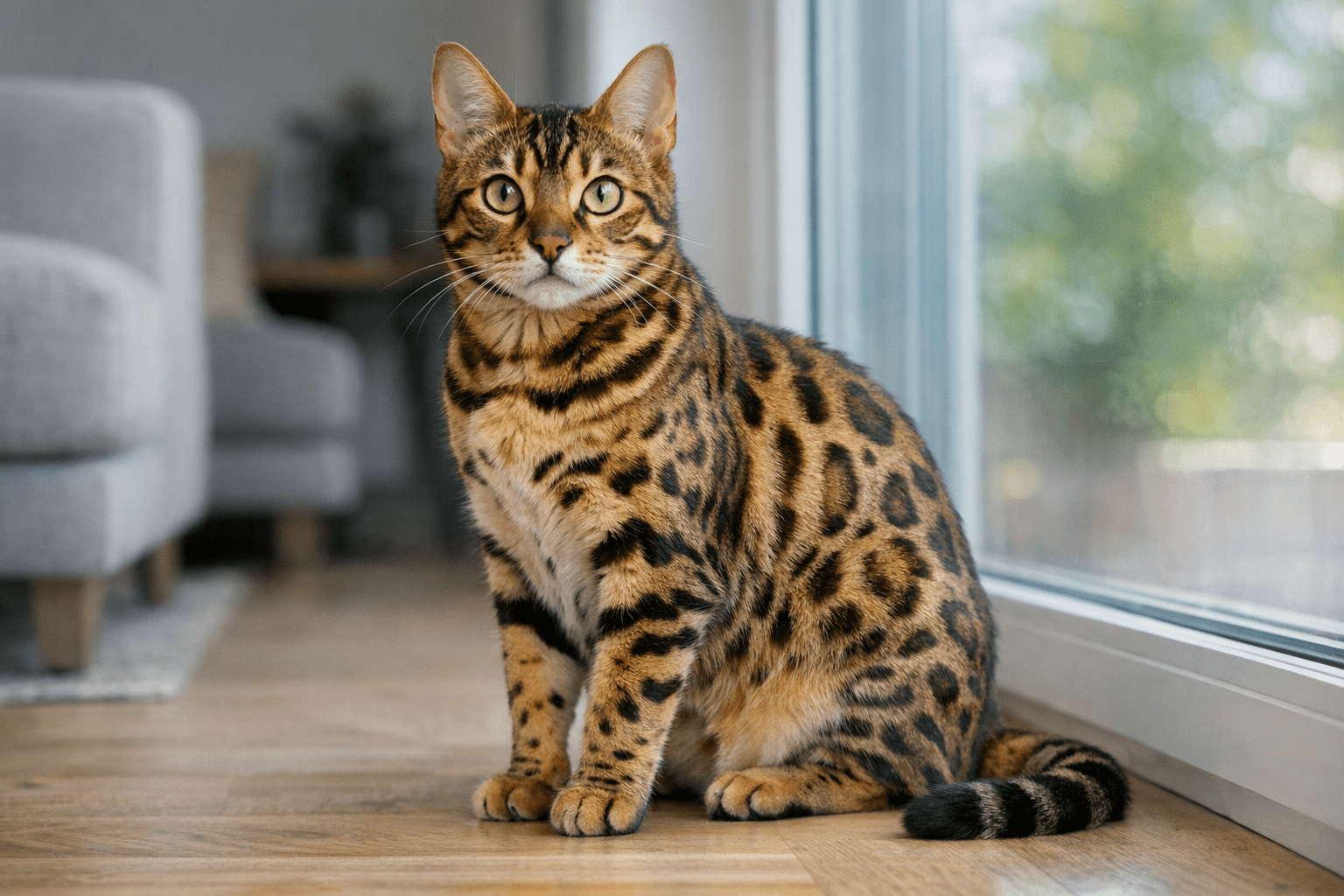
| Bengal | Stress-related issues | FIC, sensitivity to change |
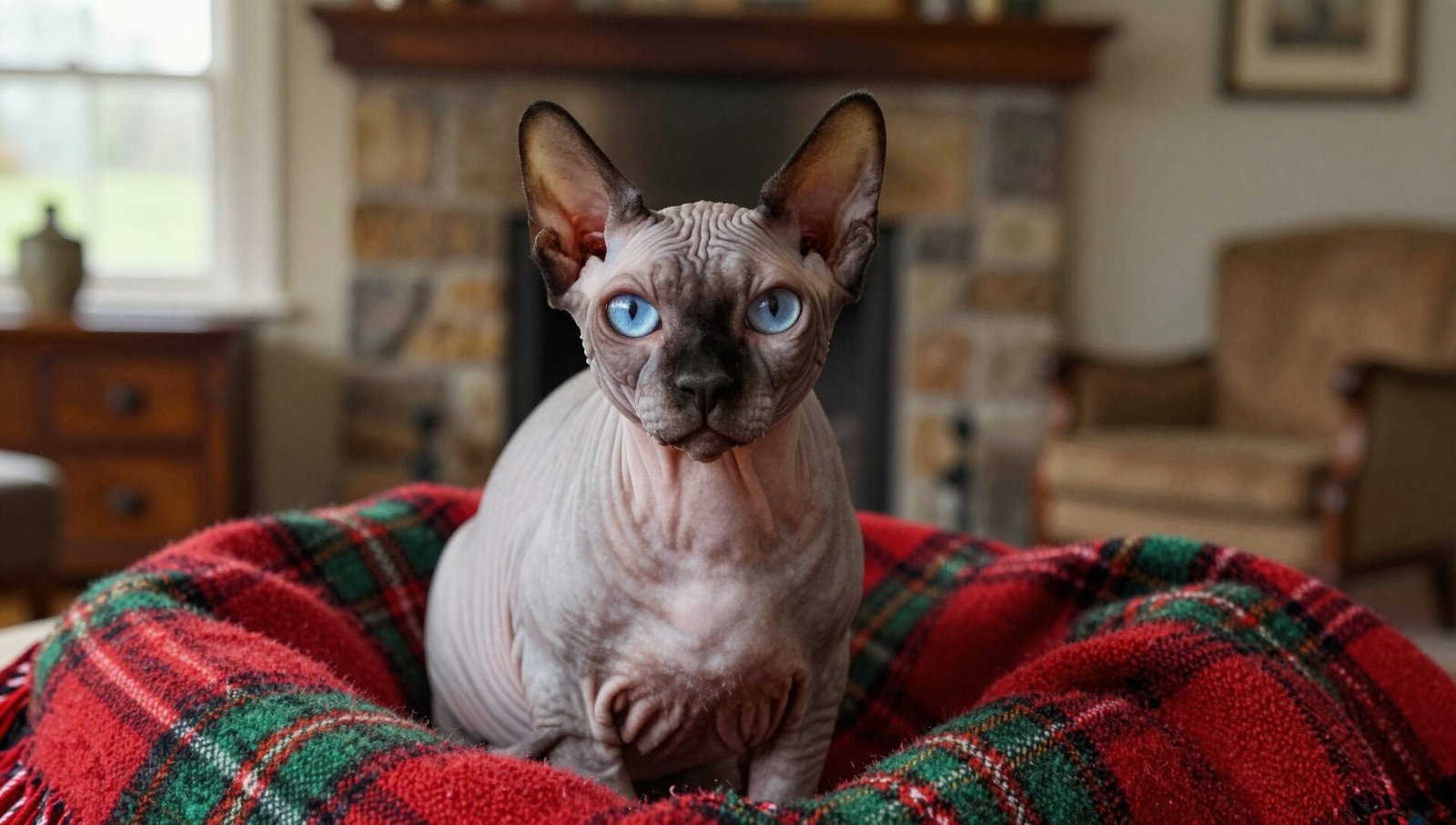
| Sphynx | Skin issues, urinary problems | Regular vet check-ups |
That said, breed is never a guarantee. I’ve known healthy Persians and anxious Bengals. The most important factor is knowing your individual cat’s personality and habits.
Training and Enrichment: Setting Your Cat Up for Success
Prevention is always better than cure. Here’s how to set your cat up for litter box success:
Litter training kittens: Most kittens learn from their mother, but if you’re bottle-feeding a rescue, you’ll need to step in. Place them in the box after meals and naps. Gently scratch their front paws in the litter. Be patient — accidents happen.
Positive reinforcement: When your cat uses the box, give them a treat or gentle praise. Never punish accidents — it only creates stress and makes the problem worse.
Enrichment matters: A bored cat is more likely to develop behavioural issues. Provide scratching posts, climbing trees, interactive toys, and window perches. A happy, stimulated cat is less likely to act out.
Cleaning accidents properly: Use an enzymatic cleaner (not ammonia-based, which smells like urine to cats). Regular household cleaners might mask the smell to you, but your cat can still detect it and might return to the spot.
| Enrichment Tool | Benefit | Price Range |
|---|---|---|
| Cat tree | Exercise, territory | £30-£150 |
| Puzzle feeder | Mental stimulation | £10-£30 |
| Interactive wand | Bonding, exercise | £5-£15 |
| Window perch | Entertainment | £15-£40 |
Pros and Cons of Cat Ownership
Let’s be real: owning a cat is wonderful, but it’s not all purrs and cuddles.
| Pros | Cons |
|---|---|
| Independent, low-maintenance pets | Can be expensive (vet bills, food, litter) |
| Great for small spaces | Litter box cleaning is never fun |
| Affectionate companionship | Hair everywhere, all the time |
| Pest control (if they’re inclined) | Scratching furniture is inevitable |
| Calming presence | Can be aloof and independent |
I’ve had days where I wanted to rehome my cats (I didn’t, obviously). The secret is managing expectations. Cats aren’t dogs. They won’t greet you at the door with a wagging tail. But the quiet comfort of a cat purring on your lap makes it all worthwhile.
Frequently Asked Questions
Why is my cat peeing on my bed specifically?
Your bed smells like you, so peeing there might be a sign of stress or a medical issue. Cats sometimes pee on their owner’s scent when they feel anxious or unwell. It could also be a territorial marking behaviour.
Can changing cat food cause litter box problems?
Absolutely. Sudden diet changes can upset your cat’s digestive system and cause diarrhoea or increased urination. Always transition to new food gradually over 7-10 days. Some foods also affect urine pH, which can lead to crystals.
How do I clean cat pee from carpet permanently?
Use an enzymatic cleaner specifically designed for pet urine. Blot up as much as possible first, then saturate the area with the cleaner. Let it sit for 10-15 minutes before blotting again. Avoid steam cleaners — heat sets the stain.
Is my cat peeing outside the box because they’re angry at me?
No. Cats don’t get “revenge” like humans do. If your cat is peeing outside the box, they’re either in pain, stressed, or unhappy with the litter box setup. Punishing them will only make things worse.
When should I worry about my cat peeing outside the box?
If it’s a one-off accident, don’t panic. But if it happens more than twice in a week, or if you notice straining, blood, or excessive thirst, see your vet immediately. Urinary blockages in male cats are life-threatening.
Can I train an older cat to use a litter box?
Yes, but it takes patience. For senior cats, consider a low-sided box for easy access. Place it in a convenient location. Use positive reinforcement. If they have arthritis or cognitive decline, medication might help.
Conclusion
If there’s one thing I’ve learned from years of living with cats, it’s this: inappropriate peeing is almost never personal. Your cat isn’t trying to ruin your rug, your furniture, or your sanity. They’re trying to tell you something.
Whether it’s a painful UTI, a litter box they find gross, or stress from a recent house move, the reasons your cat is peeing outside the litter box and how to stop it starts with listening to your cat. Observe their behaviour, work with your vet, and make small adjustments to their environment.
I won’t lie — it can be frustrating. I’ve scrubbed my fair share of carpets and questioned my life choices more than once. But the moment you figure out the cause and see your cat happily using their box again, it’s all worth it.
Remember: patience, observation, and a good enzymatic cleaner are your best friends. Your cat is worth the effort. And so are your floors.
Have you dealt with litter box problems? Drop your questions in the comments — I’m here to help!