Introduction
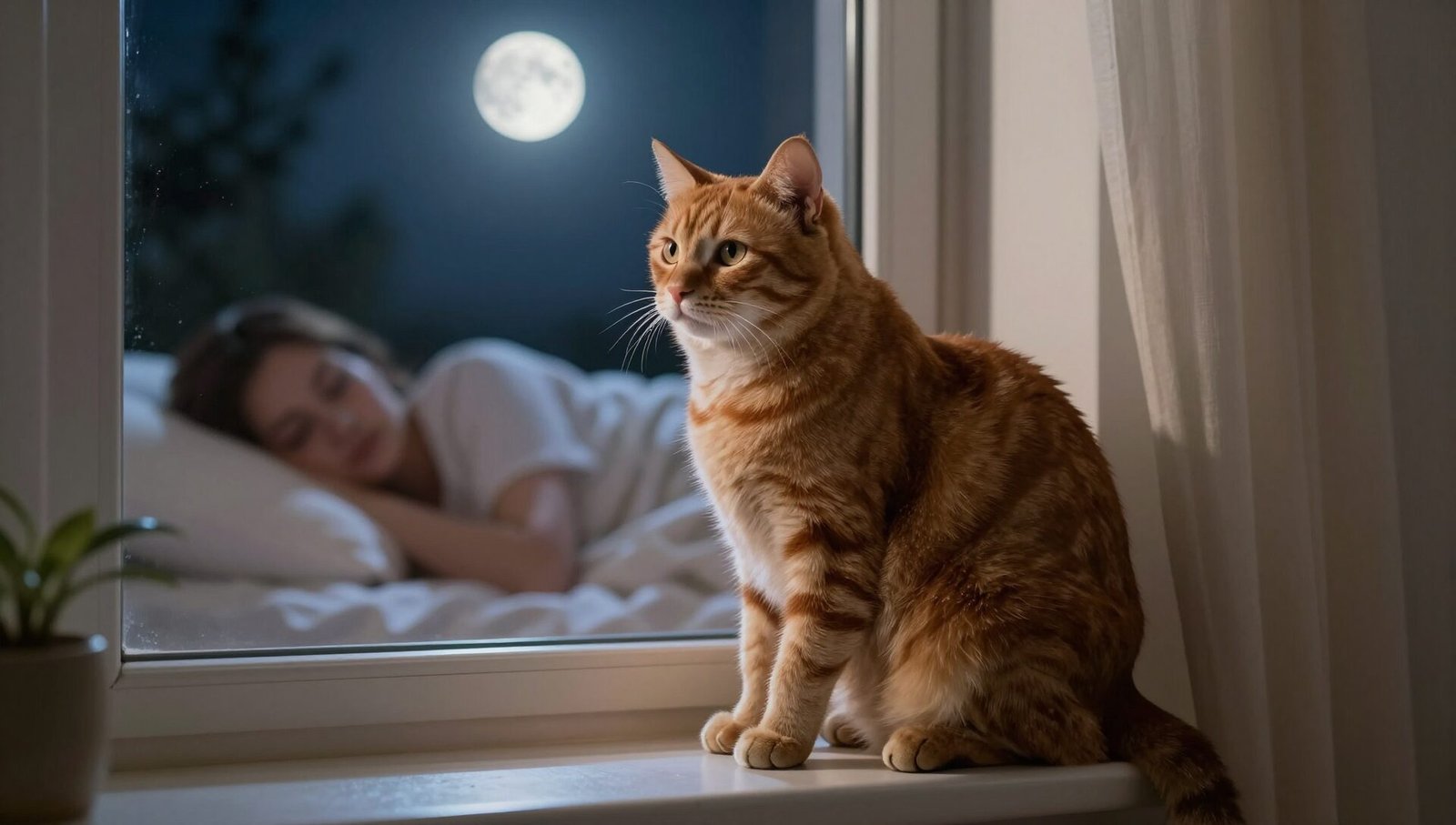
There’s something oddly comforting about feeling those two little eyes on you in the dark, isn’t there? You’re drifting off, and your cat is perched at the end of the bed, unblinking, watching the bedroom door like a furry sentinel. It makes you wonder: do cats protect you while you sleep, or are they just waiting for you to twitch so they can pounce on your toes?
I’ve owned cats for over fifteen years, and I’ve had my fair share of midnight moments – from being woken up by a paw on my face to discovering my cat staring intently at a blank wall (which was either a ghost or a spider, and frankly, I wasn’t sure which was worse). But beneath the humour lies a genuine question that fascinates cat owners across the UK.
In this article, I’m going to unpack the truth behind feline protection. You’ll learn about the science, the stories, and the practical steps you can take to feel safer with your cat by your side. Spoiler alert: it’s not quite as simple as “yes” or “no.”
The Instinctive Guardian: Why Cats Watch Over Us at Night
Let’s start with the basics. Do cats protect you while you sleep? In a word: sort of. But not for the reasons you might think.
Cats are crepuscular creatures – they’re most active at dawn and dusk. This means when you’re hitting your deepest sleep, your cat is just entering their alert window. Their wild ancestors needed to be vigilant during these hours to avoid predators and catch prey. That instinct hasn’t disappeared; it’s just been redirected toward you.
Your cat sees you as part of their territory. When they sit at the foot of your bed, they’re not necessarily plotting to save you from burglars. They’re monitoring their environment. Any unusual sound, smell, or movement gets their attention. If your cat perks up and stares at the door, they’re checking whether that noise warrants a response.
I remember one night my cat, Jasper, woke me up with a low growl – something he rarely does. I stumbled downstairs to find the back door had blown open in the wind. Was he protecting me? He certainly alerted me to something amiss. Did he understand the danger? Probably not. But the result was the same: I was safer because of him.
The Territorial Connection
Cats mark their territory through scent glands on their paws, cheeks, and forehead. When they rub against you, they’re literally claiming you. Sleeping next to you reinforces that bond. If they perceive a threat to their territory – including you – they’ll react.
The Science Behind Feline Senses: Can Cats Detect Danger While We Sleep?
One of the most compelling arguments for the question do cats protect you while you sleep lies in their extraordinary sensory abilities. Cats don’t just happen to notice things; they’re biologically wired to detect threats we can’t perceive.
Hearing: The Superpower
A cat’s hearing range spans from 45 Hz to 64,000 Hz. For comparison, humans top out at around 20,000 Hz. This means your cat can hear:
- A mouse scratching behind the wall
- The faint hiss of a gas leak
- Your neighbour’s cat sneezing three gardens away
When your cat flicks their ears at seemingly nothing, they’re processing sounds you’ll never register. This is why cats have historically been credited with alerting owners to house fires, gas leaks, and intruders.
Smell: The Silent Alarm
Cats have a Jacobson’s organ (vomeronasal organ) on the roof of their mouth, allowing them to “taste” scents. They can detect changes in your body chemistry – stress hormones, illness, even early signs of seizures or diabetic episodes.
Night Vision
Cats need only one-sixth of the light humans do to see. Their tapetum lucidum (that reflective layer in their eyes) amplifies available light, making them exceptional nighttime observers. While you’re fumbling for your glasses, your cat has already identified the shape moving in the hallway as the postman’s shadow, not an intruder.
Table: Cat Senses vs Human Senses
| Sense | Cat Ability | Human Ability | Protection Relevance |
|---|---|---|---|
| Hearing | Up to 64,000 Hz | Up to 20,000 Hz | Detects gas leaks, intruders |
| Night Vision | 6x better than humans | Poor in low light | Monitors dark environments |
| Smell | 14x more scent receptors | Moderate | Detects illness, stress, danger |
| Motion Detection | Exceptional peripheral | Good | Alerts to subtle movements |
Real-Life Heroes: When Cats Saved Their Owners at Night
If you’re still sceptical about whether do cats protect you while you sleep, let me share some remarkable true stories that might change your mind.
Gracie the Carbon Monoxide Detector
In 2007, Reedsburg, Wisconsin, a cat named Gracie saved her owners’ lives. She banged on the bedroom door persistently until Kevin Shanahan woke up. He found his wife, Annette, barely conscious in a chair. A malfunctioning water heater was filling their home with deadly carbon monoxide – an odourless, colourless gas. Gracie’s insistence led to their rescue and full recovery.
Charley the Diabetic Alert Cat
In the UK, a black-and-white cat named Charley pawed and meowed frantically at his sleeping owner. Confused, the man followed Charley – who led him directly to the bathroom, where his diabetic wife had collapsed from a hypoglycaemic attack. The cat’s intervention was credited with saving her life.
Sully the Fire Alarm
In Melbourne, Australia, a cat named Sully woke her owner, Craig Jeeves, by sitting on his chest and meowing directly in his face. Craig had fallen asleep on the couch, completely unaware of a raging fire upstairs. Sully’s alertness allowed him to escape unharmed.
These aren’t anomalies. The common thread isn’t training – it’s instinct combined with deep bonding. These cats detected something wrong and acted. The question do cats protect you while you sleep becomes less abstract when you read stories like these.
Signs Your Cat Is Guarding You (And Not Just Being Nosy)
So, how do you tell if your cat’s nighttime behaviour is protective versus purely curious? Here are seven signs I’ve observed over years of cat ownership.
- Positioning at the door or window – If your cat sits facing the entrance to your bedroom, they’re monitoring potential entry points.
- Ears swivelling toward sounds – A guarding cat will orient their ears toward noises, tracking them without moving.
- Alert posture – Tense muscles, dilated pupils, and a tail that’s either still or twitching slowly.
- Physical blocking – Some cats position themselves between you and a perceived threat (or a visitor they don’t trust).
- Growling or hissing at nothing – If your cat vocalises at a closed door or dark corner, trust their instincts.
- Following you to bed – Cats that consistently choose to sleep near you are reinforcing their protective bond.
- Purring while you sleep – Contrary to popular belief, purring isn’t always contentment; it can be a self-soothing mechanism during perceived stress.
Not all guarding behaviour is heroic. Sometimes, your cat is just hypervigilant because they’re anxious themselves. It’s important to read the full context.
Do Cats Protect You While You Sleep? The Honest Answer (No Fluff)
Let me give it to you straight. Do cats protect you while you sleep? The honest answer is: they can, but they don’t always, and it’s rarely intentional in the way we imagine.
Cats don’t sit there thinking, “I must protect my human from the burglar.” Their behaviour is driven by instinct, territoriality, and bonding. The protective outcomes we see are happy byproducts of their natural wiring.
What Cats Actually Do
- Monitor their environment – Because they’re wired to.
- Alert to unusual sounds – Because it’s part of their prey/predator instinct.
- Sleep near you – For warmth, comfort, and security (theirs, not yours).
- React to threats – If they perceive a danger to their territory.
What Cats Don’t Do
- Understand human concepts of “danger” – They don’t know what carbon monoxide is.
- Actively guard in the way dogs do – Dogs were bred for protection; cats were not.
- Risk their safety intentionally – A cat’s first instinct is self-preservation.
Does this mean your cat doesn’t care about you? Absolutely not. The bond is real. But expecting your cat to be a furry security system is unfair to both of you.
How to Strengthen Your Bond for Better Nighttime Security
If you want to encourage protective behaviours, focus on building trust. Here are practical tips that have worked for me.
Create a Safe Environment
Your cat needs to feel secure before they can offer security to you. Provide:
- A cosy bed or perch near your sleeping area
- Access to food, water, and a litter tray
- Hiding spots for when they feel overwhelmed
Play Before Bed
Vigilance comes naturally after a cat has expended energy. Spend 10–15 minutes playing with wand toys or laser pointers before you settle down. A tired cat is an alert cat.
Stick to a Routine
Cats thrive on predictability. Feeding, play, and bedtime at consistent times reduce anxiety and strengthen the bond. A secure cat is more likely to be an attentive one.
Respect Their Signals
If your cat wakes you up with unusual behaviour – pacing, meowing, or alert staring – pay attention. They might be sensing something you can’t.
Mutual Trust
Building trust means never forcing affection. Let your cat come to you. The more they choose to be near you, the stronger the protective bond becomes.
The Role of Breed in Protective Behaviour: Do Some Cats Guard More?
Not all cats are created equal when it comes to vigilance. While any cat can display protective behaviour, certain breeds are more inclined toward it based on their history and temperament.
Table: Cat Breeds and Protective Tendencies
| Breed | Protective Tendency | Why |
|---|---|---|
| Maine Coon | High | Loyal, dog-like, territorial |
| Siamese | High | Vocal, possessive, bonded |
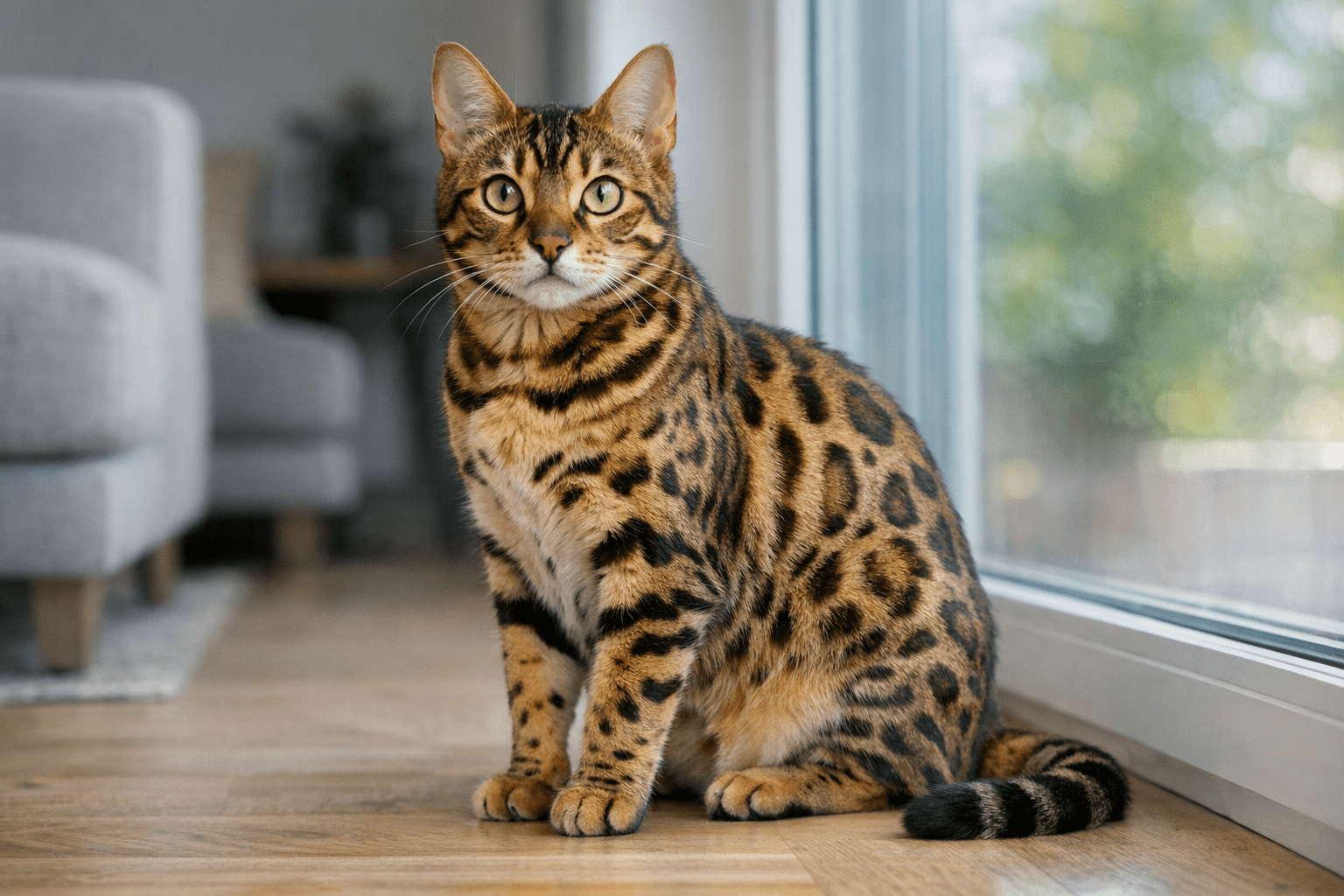
| Bengal | Medium | Highly alert, energetic |
| Persian | Low | Laid-back, less territorial |
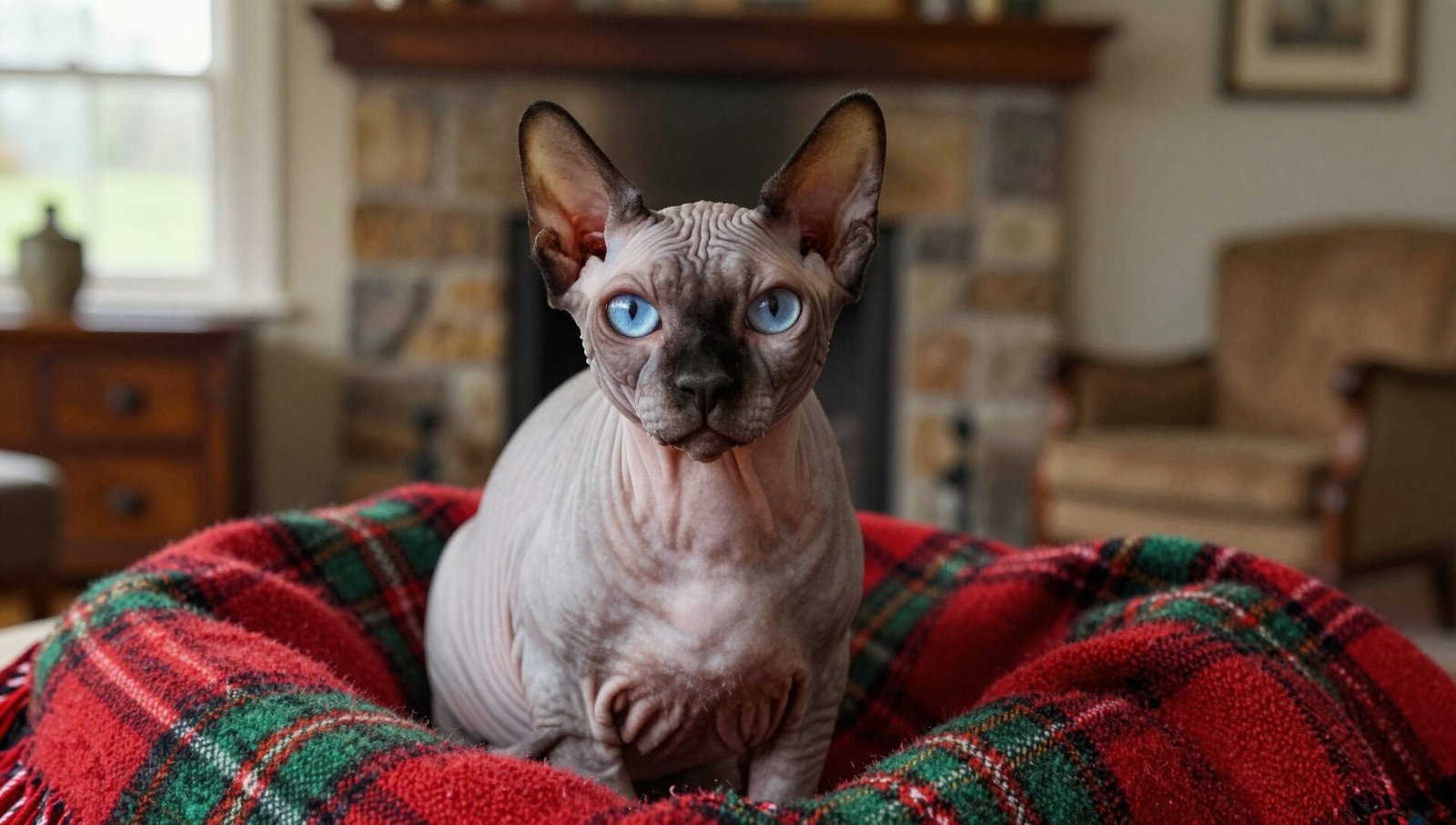
| Sphynx | Medium | Clingy, people-oriented |
| British Shorthair | Low | Independent, calm |
| Norwegian Forest Cat | High | Strong territorial instincts |
Mixed-breed cats can be just as protective. My own cat Jasper is a rescue with no discernible breed, yet his guardian instincts are strong. Breed is a factor, not a guarantee.
Indoor vs Outdoor Cats: Which Is More Likely to Protect You at Night?
This is a controversial topic among UK cat owners. The question do cats protect you while you sleep might have different answers depending on whether your cat goes outside.
Indoor Cats
- More bonded with owners (you’re their whole world)
- More likely to sleep in your bed
- Less distracted by outdoor stimuli at night
- More attuned to household sounds
Outdoor Cats
- More independent and self-reliant
- Often out at night, so not present to “guard”
- More accustomed to threats, so less reactive
- May bring home “gifts” as a form of protection (gross, but territorial)
My advice: If nighttime security matters to you, keep your cat indoors at night. Not only are they safer themselves (no traffic, no fights), but they’re more likely to be near you when you need them.
Nutrition and Health: A Healthy Cat Is an Alert Cat
You can’t expect your cat to be a nighttime guardian if they’re unwell. Feline nutrition plays a huge role in energy levels, cognitive function, and overall alertness.
What to Feed for Optimal Health
- High-protein diet – Cats are obligate carnivores. Meat-based food supports brain function and energy.
- Wet food – Provides hydration, essential for kidney health.
- Taurine – Essential for heart and eye health. Found naturally in meat.
- Limited carbohydrates – Cats don’t process carbs well.
Health Issues That Reduce Alertness
- Dental pain (common in older cats)
- Arthritis (makes movement uncomfortable)
- Hearing loss (reduces situational awareness)
- Cognitive decline (senior cats may become disoriented)
Regular vet checkups are non-negotiable. A healthy cat is more likely to be an attentive, responsive companion.
Litter Training and Nighttime Behaviour: Keeping Your Cat Close
If your cat isn’t sleeping near you, ask yourself why. One common reason is litter box issues.
Common Litter Training Problems
- Box too far from your bedroom
- Unappealing litter texture or scent
- Box not cleaned frequently enough
- Stress or territory disputes (multiple cats)
Quick Fixes:
- Place a second litter box in or near your bedroom
- Use unscented, clumping litter
- Scoop daily, fully clean weekly
- Have one box per cat plus one extra
When your cat is comfortable and doesn’t need to roam the house for necessities, they’re more likely to stay put and watch over you.
Scratching Behaviour and Territorial Marking
Scratching isn’t just destructive behaviour – it’s communication. Cats scratch to mark territory visually and chemically. A cat that scratches near your bed is claiming you as theirs.
How This Relates to Protection
When your cat scratches near where you sleep, they’re sending a message: “This human is mine.” This territorial ownership is the foundation of protective behaviour.
Encouraging Appropriate Scratching
- Provide scratching posts near your bed
- Use catnip to attract them to the post
- Never punish scratching – redirect instead
- Trim nails regularly to minimise damage
Enrichment: Keeping Your Cat Alert and Engaged
A bored cat is a sleepy cat. An enriched cat is a vigilant one. If you want your cat to be present and aware at night, you need to stimulate their mind during the day.
Top Enrichment Ideas
- Puzzle feeders for meals
- Window perches for bird watching
- Interactive toys (wand toys, laser pointers)
- Cat trees with multiple levels
- Training sessions (yes, cats can learn tricks)
Table: Enrichment Toys for Nighttime Alertness
| Toy Type | Benefit for Protection |
|---|---|
| Wand toys | Stimulates hunting instincts |
| Puzzle feeders | Enhances problem-solving |
| Cat tunnels | Provides territory to patrol |
| Scented toys | Engages olfactory system |
| Electronic mice | Reinforces predatory focus |
Pros and Cons of Having a Protective Cat
Let’s be realistic. There are upsides and downsides to a cat that’s hypervigilant at night.
Pros
- Potential early warning for dangers (fires, gas leaks, intrudors)
- Stronger bond with your cat
- Sense of companionship and security
- Interesting stories to tell
Cons
- Wake-up calls at 3 a.m. for no apparent reason
- Anxiety if your cat is overly alert
- Difficulty sleeping if your cat is restless
- False alarms (that “intruder” was just a moth)
FAQs
Does my cat sleep with me to protect me?
Not exactly. While cats enjoy the warmth and comfort of sleeping with their owners, it’s more about bonding and territory than intentional protection. The protective effect is a bonus, not the primary motivation.
How do you know if your cat is protecting you?
If your cat displays alertness, watches over you, or acts defensively around strangers or perceived threats, they may be protective. Look for positioning at doorways, ear swivelling, and physical blocking.
Would my cat protect me if I was attacked?
It varies. Some cats may react defensively if their owners are distressed, but it’s not guaranteed. Cats are not naturally defensive animals; their first instinct is usually self-preservation. Bonded cats are more likely to intervene.
Do cats guard you like dogs do?
No. Dogs were bred for guarding and protection over thousands of years. Cats were bred for pest control and companionship. Their protective instincts are different – more about alerting than confronting.
Can I train my cat to be more protective?
You can strengthen your bond and encourage alert behaviour through trust-building, play, and routine. But you can’t train a cat to guard like a dog. It’s not in their nature.
Why does my cat stare at me while I sleep?
It could be affection, curiosity, or simply waiting for you to wake up. Some cats stare as a form of bonding. Others are checking that you’re still breathing – cats have been known to nudge or paw at sleeping owners to confirm they’re alive.
Conclusion
So, do cats protect you while you sleep? The answer is nuanced. Your cat isn’t a trained security guard, nor do they consciously understand danger the way we do. But their instincts, sharp senses, and territorial nature can absolutely contribute to your safety.
The real gift isn’t the protection itself – it’s the companionship. Knowing that your cat chooses to be near you, trusts you enough to sleep in your presence, and reacts to their environment with you in mind is something special.
I’ll leave you with this: next time you feel those eyes on you in the dark, don’t assume your cat is plotting your demise. They might just be watching over you – in their own furry, mysterious way.
If you’ve had a personal experience where your cat seemed to protect you, I’d love to hear about it. Every story adds to our understanding of these wonderful creatures.