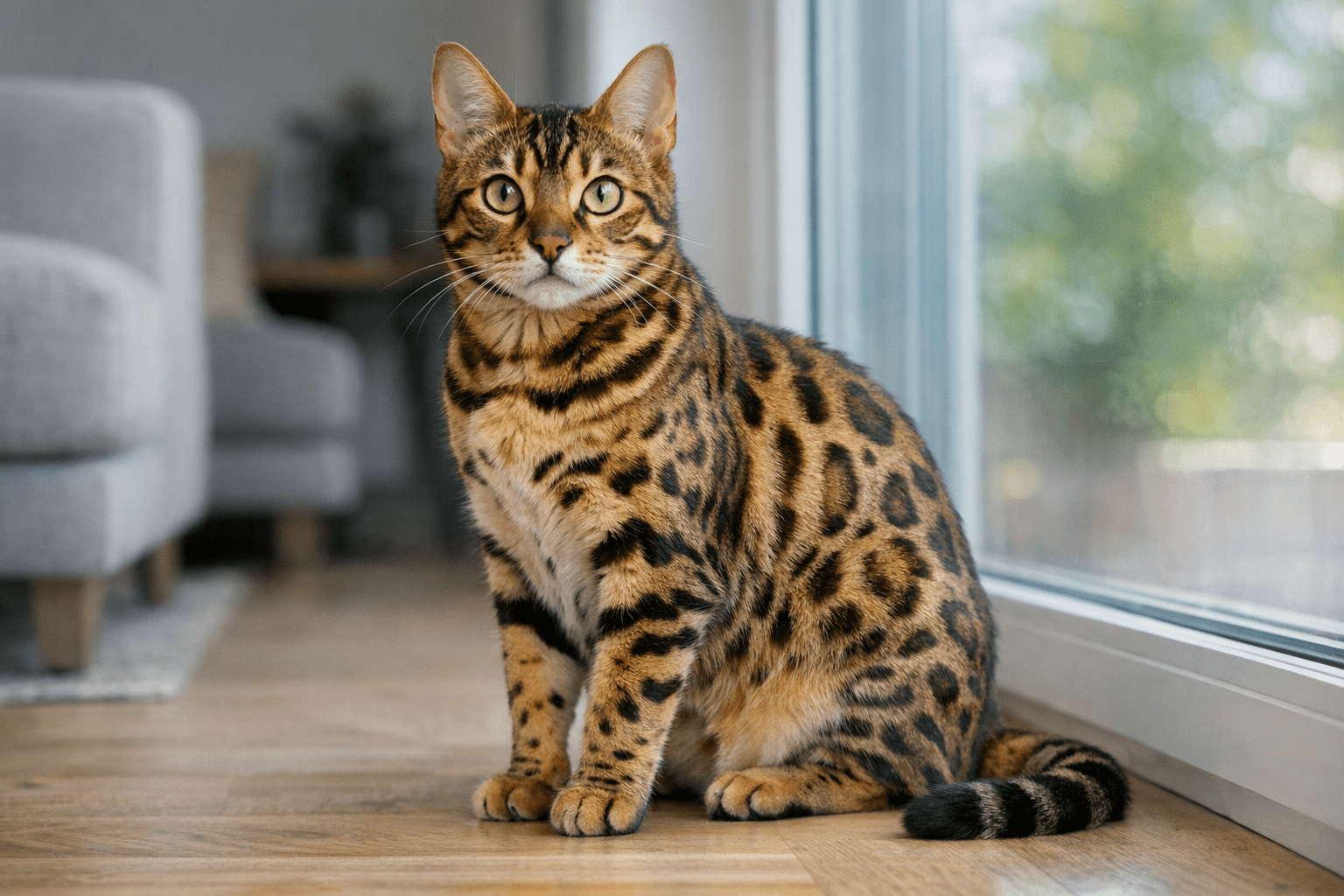
If you’ve ever tried to give a standard moggie a bath, you know the drill: the panicked scrambles, the mournful yowls, the distinct feeling you’re betraying a sacred trust. Most cats treat water like their arch-nemesis. So, when you bring home a Bengal—a creature that looks like it just stepped out of the jungle—the last thing you expect is for it to voluntarily dunk its head in the loo.
Yet, here we are. Do Bengal cats like water? It’s one of the first questions new owners ask, often with a mix of awe and slight horror after finding their kitten in the shower. The short answer is a resounding yes, most of them absolutely do. But the “why” is a fascinating tale of wild ancestry, boundless curiosity, and a temperament that refuses to be ordinary.
As someone who’s shared my home with these magnificent mini-leopards for years, I’ve seen it all—from puddle-pouncing to faucet-fixations. Let’s dive in and explore the wonderful, watery world of the Bengal cat.
The Definitive Answer: Do Bengal Cats Like Water?
Let’s get this straight from the get-go: it’s not a myth. While every cat is an individual, the Bengal breed has a well-earned reputation for being one of the most water-loving felines on the planet. It’s a core part of their genetic blueprint.
You might find your Bengal doing things that would send a Persian into a state of shock:
- Splashing in their water bowl until the kitchen floor resembles a small pond.
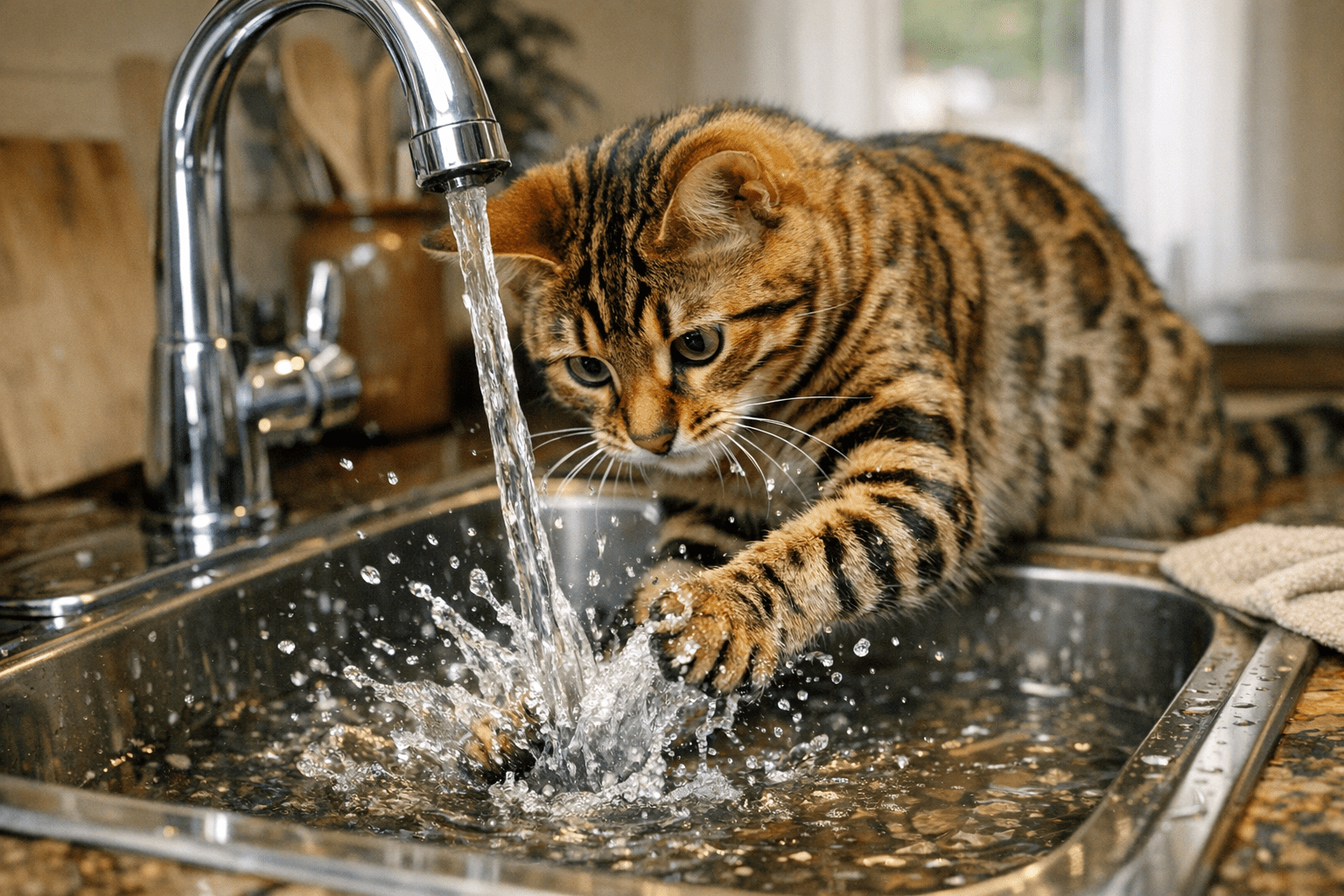
- Investigating the shower, bath, or any source of running water with intense focus.
- Joining you in the bathroom, not just out of curiosity, but with a clear intent to get wet.
This isn’t random mischief; it’s a deeply ingrained behaviour. Understanding this is the first step in appreciating (and managing) your Bengal’s unique relationship with H₂O.
The “Why” Behind the Splash
So, why are Bengals so different? It boils down to two key factors: their wild roots and their incredible personality.
Wild Ancestry (The Asian Leopard Cat)
Your domestic Bengal’s wild ancestor is the Asian Leopard Cat (ALC), a small, solitary feline native to South and East Asia. These wild cats are semi-aquatic. They don’t just tolerate water; they live alongside it. ALCs are known to:
- Hunt fish and crustaceans in shallow streams and rice paddies.
- Swim confidently to escape predators or cross waterways.
- “Wash” their paws by swishing them in water to clear debris before drinking.
This natural comfort with water was passed directly down to the Bengal breed. When you see your kitten batting at a dripping tap, you’re witnessing a behaviour that’s thousands of years old.
Curious & High-Energy Temperament
Beyond genetics, a Bengal’s personality is a perfect storm for water play. They are:
- Incredibly intelligent: They figure out cause and effect quickly. “If I hit this tap, water comes out. Interesting!”
- Insatiably curious: A closed door is a challenge. A running faucet is an irresistible mystery to solve.
- Highly energetic: They need constant stimulation. Water is a novel, dynamic, and endlessly entertaining toy.
I’ll never forget the day my Bengal, Loki, figured out how to turn on the bathroom tap by himself. I came home to a flooded bathroom and one very proud-looking cat sitting next to the sink, watching the water with supreme satisfaction. It’s this combination of wild instinct and clever mischief that makes them so unique.
Not Just a Puddle: How Bengals Play with Water
Their fascination isn’t limited to drinking. Bengals interact with water in creative and often hilarious ways.
- Faucet Fun & Toilet Curiosity: Don’t be surprised if your Bengal becomes obsessed with taps. They love the movement and sound of running water. Similarly, the swirling water in a toilet bowl can be a source of endless (if unhygienic) fascination. Pro tip: Always keep the lid down!
- Bath Time & Swimming: Unlike most cats, many Bengals will not only tolerate a bath but actively enjoy it. Some owners even report their Bengals joining them in the bathtub or shower. With patient introduction, some Bengals can learn to swim in shallow, safe bodies of water like a kiddie pool in the garden. It’s a fantastic form of exercise and enrichment for them.
Do Bengal Cats Like Water Enough to Drink It?
Here’s some good news for their health: their love of water often extends to drinking it. Cats in general are notoriously poor drinkers, a trait inherited from their desert-dwelling ancestors. This can lead to chronic dehydration and associated health issues like urinary tract problems.
Bengals, however, often break this mould. Their natural curiosity and attraction to moving water mean you’ll frequently find them lapping from taps, fountains, or even their own splashy bowls.
The Wet Food Advantage
While a Bengal may drink more than other breeds, it’s still crucial to support their hydration through diet. This is where high-quality wet food becomes a game-changer.
- Dry kibble contains only about 10% moisture.
- Wet food contains over 70% moisture.
Feeding your Bengal a primarily wet food diet is one of the simplest and most effective ways to ensure they stay properly hydrated, supporting their kidney function and overall health.
Keeping Your Water-Loving Bengal Safe & Healthy
Their love for water is charming, but it comes with a few “parental” responsibilities.
Water Safety 101
- Supervise all water play. Never leave your Bengal unsupervised around deep water, even if they’re a confident swimmer.
- Check the temperature. Always use lukewarm water for baths or play. Hot water can scald their skin, and cold water can be a shock.
- Avoid chemicals. Never use human shampoo or soap. Use a gentle, cat-specific shampoo if bathing is necessary.
- Secure the toilet. Keep the lid down to prevent accidental drowning or the ingestion of cleaning chemicals.
Water, Skin, and Coat Health
Ironically, while they love it, too much water can be bad for their skin. Frequent bathing or soaking can strip the natural oils from their beautiful, short coat, leading to dry, flaky skin. For most Bengals, regular brushing is far more important than regular baths. Only bathe them when they are genuinely dirty.
Hydration Station: The Water Fountain
To encourage healthy drinking habits, invest in a cat water fountain. The movement and filtration of the water:
- Appeals to their natural attraction to running water.
- Keeps the water fresh and free from dust and bacteria.
- Provides mental stimulation and reduces boredom.
It’s a simple upgrade that can make a big difference to their daily water intake.
Nurturing Your Bengal: Beyond the Water Bowl
Understanding do Bengal cats like water is just one piece of the puzzle. Providing a happy, healthy life for this breed requires a holistic approach to cat care.
Diet and Feline Nutrition
Bengals are athletic and muscular. Their diet must support this. Look for cat food with:
- High animal protein: The first ingredient should always be a named meat or fish (e.g., chicken, salmon).
- Low carbohydrates: They are obligate carnivores and don’t need fillers like corn, wheat, or soy.
- Healthy fats: For a shiny coat and healthy skin.
A high-protein, low-carb diet is non-negotiable for maintaining their energy levels and lean physique.
Enrichment and Mental Stimulation
A bored Bengal is a destructive Bengal. Their sharp minds and boundless energy need a positive outlet.
- Interactive toys: Feather wands, laser pointers (used responsibly), and puzzle feeders are essential.
- Vertical space: Cat trees, shelves, and window perches allow them to climb and survey their domain.
- Training: Yes, you can train a Bengal! They respond beautifully to positive reinforcement and can learn tricks, commands, and even how to walk on a harness.
Grooming Needs
Thankfully, their coat is short, dense, and relatively low-maintenance. A weekly brush is usually enough to remove loose hair and distribute skin oils. Their love of water might even give them an occasional self-clean!
Health and Lifespan
Bengals are generally robust, but like all purebreds, they can be prone to certain conditions, including:
- Hypertrophic Cardiomyopathy (HCM)
- Progressive Retinal Atrophy (PRA)
- Patellar Luxation
Choosing a reputable breeder who screens for these issues is vital. With proper care, a healthy Bengal can live for 12 to 16 years, providing you with over a decade of love, chaos, and splashy fun.
Frequently Asked Questions (FAQs)
Are all Bengal cats obsessed with water?
No, not every single Bengal will be a water fanatic. While it’s a strong breed trait, individual personalities vary. Some may only show a mild interest, while others will seek out water at every opportunity. It’s best to be prepared for a water-lover and be pleasantly surprised if yours is more reserved.
Is it safe to let my Bengal swim in my garden pond?
It’s not recommended. Garden ponds can contain harmful chemicals (like algaecides), bacteria, and parasites. The depth can also pose a drowning risk. A shallow, supervised kiddie pool is a much safer alternative for outdoor water play.
My Bengal splashes his water bowl everywhere. How can I stop this?
This is a classic Bengal behaviour! First, ensure they have plenty of other enrichment to burn off energy. You can try a heavier, wider ceramic bowl that’s harder to tip, or, even better, switch to a cat water fountain. The fountain satisfies their need for moving water without the mess.
Do Bengal cats like water from the tap?
Absolutely! The movement, sound, and freshness of running water from a tap are incredibly appealing to them. It taps into their instinct that moving water is safer and cleaner than still water. Many owners leave a tap dripping slightly for their Bengal to drink from.
How often should I bathe my Bengal?
Rarely, if ever. Their coat is self-maintaining, and excessive bathing strips natural oils. Only bathe them if they’ve gotten into something truly messy or sticky. For general cleanliness, a wipe-down with a damp cloth is often sufficient.
Is it a sign of a problem if my Bengal doesn’t like water?
Not at all. It simply means you have a Bengal with a more “traditional” cat personality when it comes to water. It’s not a health or behavioural concern. Enjoy the fact that your bathroom might stay a bit drier!
Conclusion
So, do Bengal cats like water? The evidence is overwhelming: yes, they are uniquely and wonderfully drawn to it. From their wild Asian Leopard Cat ancestors to their own intelligent, inquisitive minds, water is a source of joy, stimulation, and instinctual satisfaction for most Bengals.
Living with a water-loving Bengal means embracing the splashes, securing the toilet lid, and maybe investing in a mop. But it also means sharing your life with a truly extraordinary companion—one whose wild spirit and playful heart will keep you endlessly entertained. Just remember to supervise their aquatic adventures and support their health with proper diet and enrichment. In return, you’ll have a loyal, fascinating friend who turns every day into an adventure.