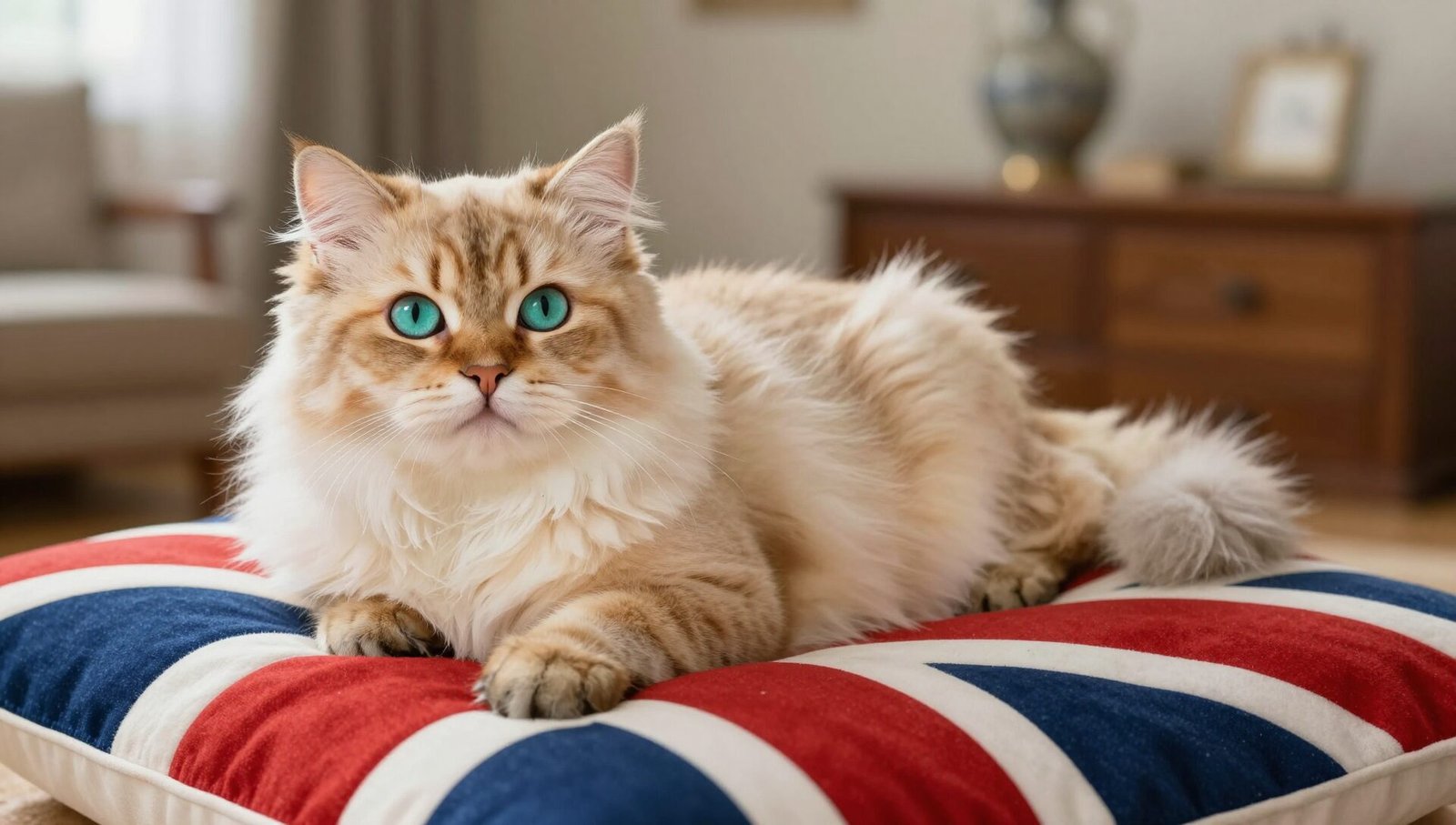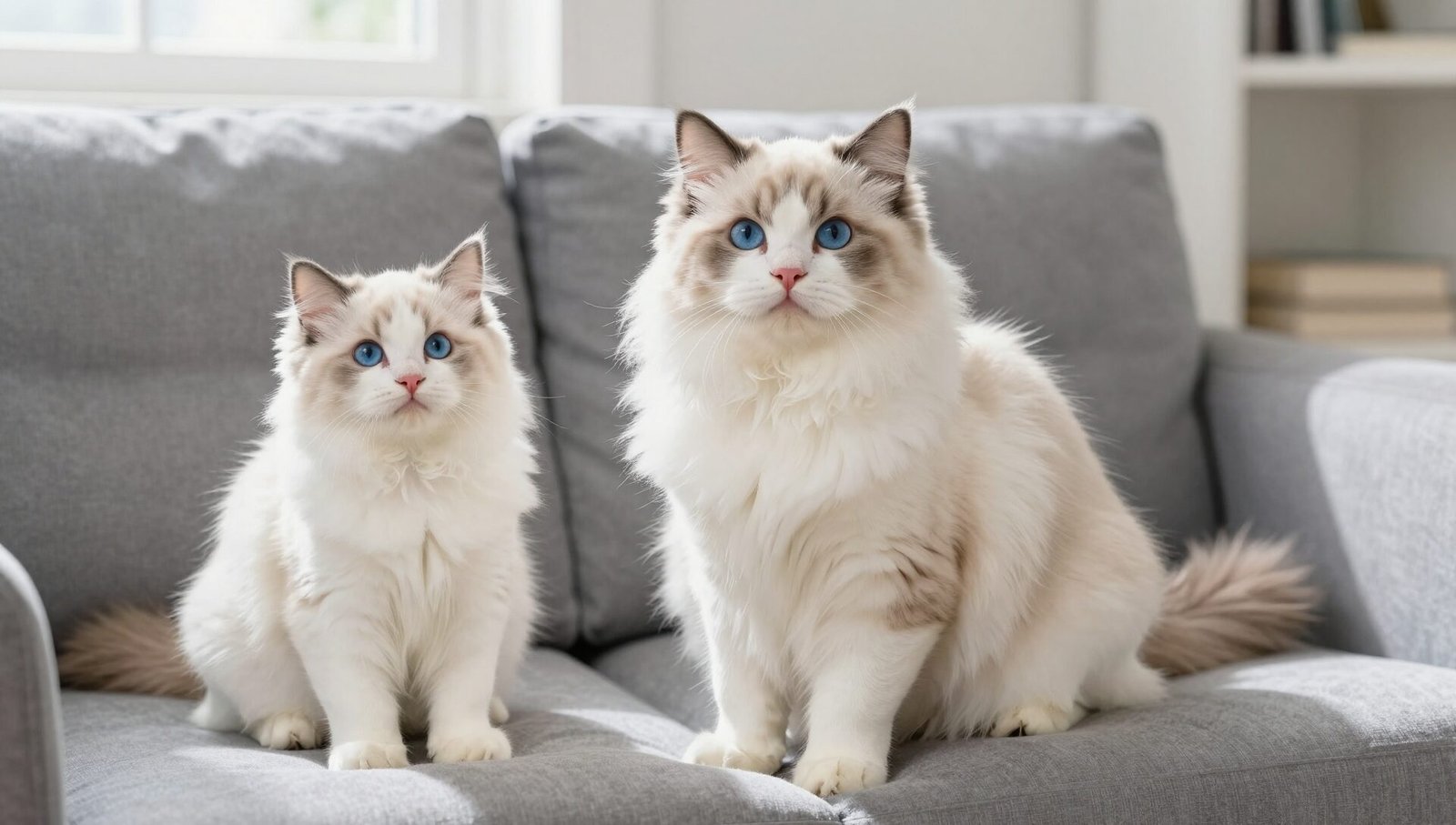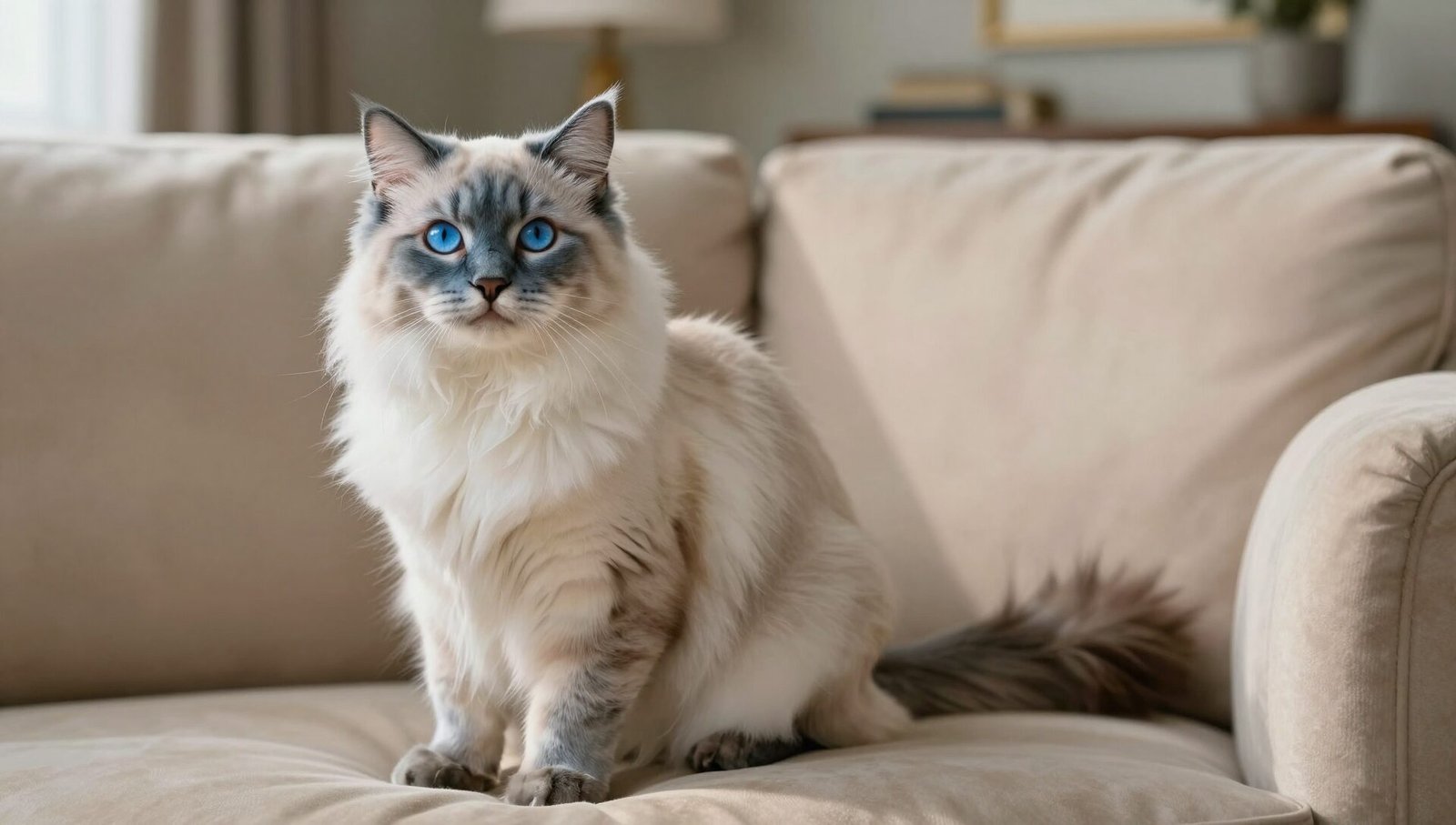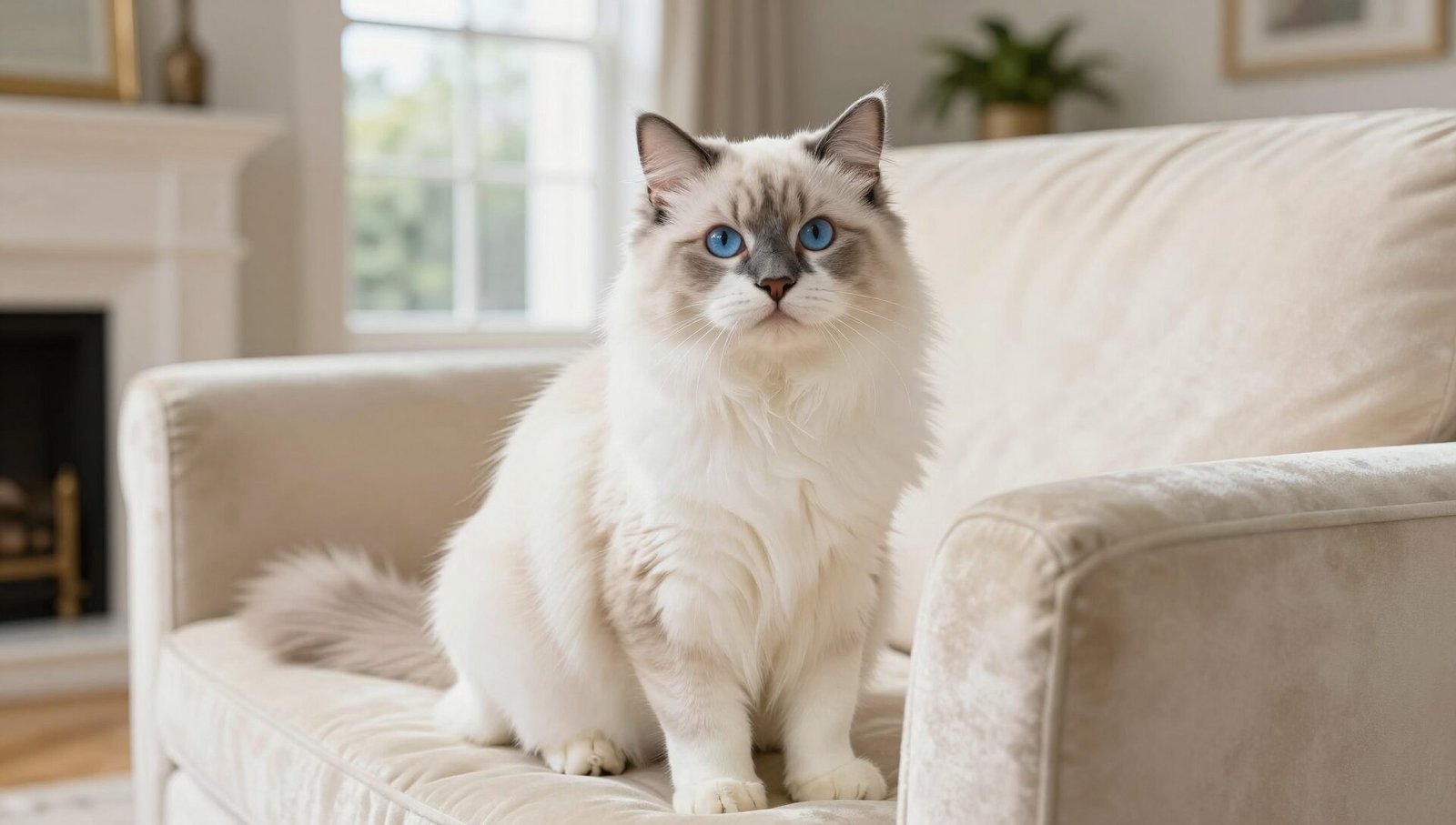
If you have ever scrolled through social media and stopped dead in your tracks at the sight of a majestic, lion-like feline with piercing eyes and a coat that looks like it’s been dipped in moonlight, you have likely met the blue smoke maine coon cat. Honestly, I remember the first time I saw one at a cat show in Birmingham; I was absolutely mesmerised. They aren’t just big cats; they are a statement.
Owning one of these “gentle giants” is a rewarding experience, but it comes with a unique set of responsibilities. They aren’t your standard moggie! From their specific grooming needs to their surprisingly dog-like personalities, there is a lot to learn. In this guide, I am going to walk you through everything you need to know about raising a happy, healthy Maine Coon in the UK. Whether you are a first-time owner or a seasoned cat lover looking for your next companion, this article will cover the temperament, diet, and essential care required to keep your furry friend purring.
Understanding the Blue Smoke Maine Coon Cat Coat
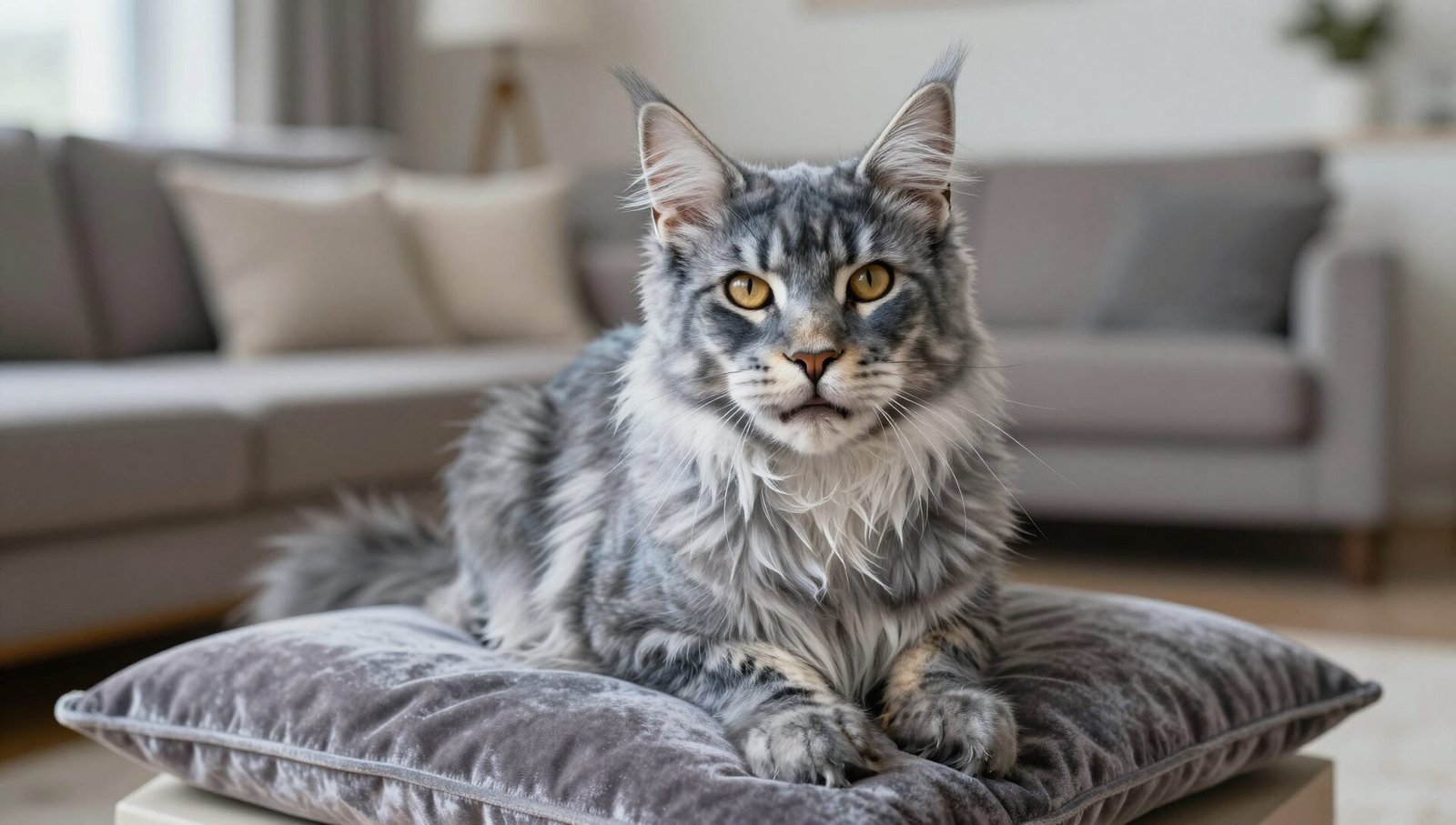
Let’s talk about the main event: that incredible coat. The “blue smoke” colouring is one of the most sought-after variations in the breed, and for good reason. But what exactly makes it “smoke”? It all comes down to genetics.
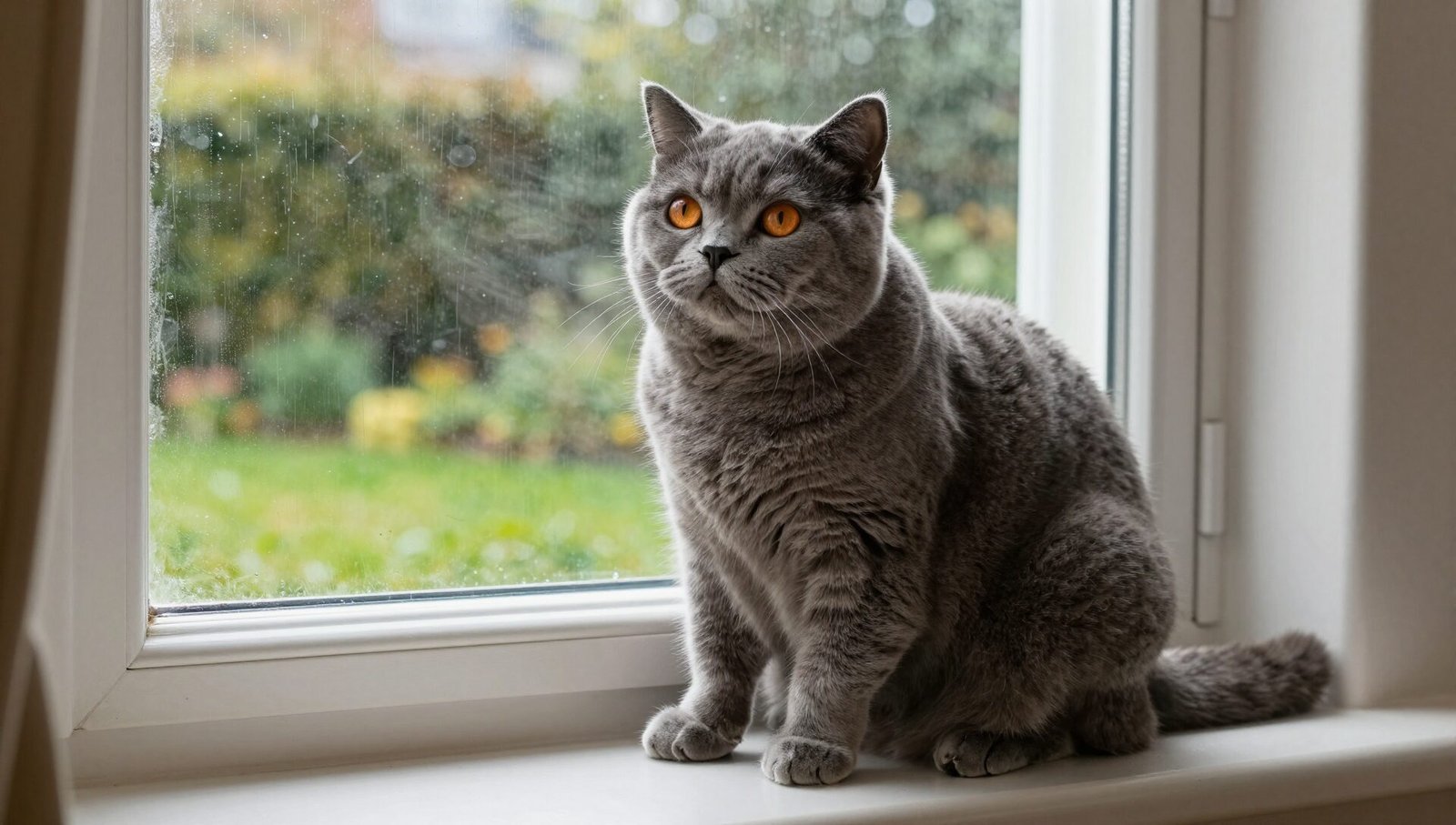
A true smoke cat has a solid colour on the surface of the hair, but the base of the hair shaft (closest to the skin) is white or silver. When the cat is still, it looks solid. However, when they move or the wind catches their fur, you see that stunning silver flash underneath. It is absolutely magical. The “blue” in this context doesn’t mean bright blue like the sky; in cat fancy terms, it refers to a deep, steely grey.
The texture is another thing entirely. I’ve found that their fur is uneven and shaggy, shorter on the shoulders and longer on the stomach and britches (the back legs). It’s silky but heavy, designed originally to protect them from the harsh winters of Maine, USA. If you are considering bringing a blue smoke maine coon cat into your home, be prepared for a coat that requires understanding. You aren’t just getting a cat; you are getting a living, breathing piece of art that requires maintenance to keep that smoke effect looking its best.
Temperament: The Gentle Giants
You will hear the term “dog of the cat world” thrown around a lot, but with Maine Coons, it is 100% accurate. They are not the aloof, independent felines that ignore you when you come home from work. Instead, expect a greeting at the door, a chirp, and perhaps a request for a game of fetch.
I have owned many cats over the years, but nothing compares to the sociability of a Maine Coon. They are intensely loyal to their families. However, they are rarely “lap cats.” They want to be near you, not necessarily on you. You might find yours sitting at your feet while you watch telly or supervising you from the bathroom counter.
They are brilliant with children and other pets. Because they are so confident and intelligent, they adapt well to busy households. They aren’t easily spooked by the vacuum cleaner (a rarity!) and often get along famously with dogs. One thing I love is their vocalisation. They don’t really “meow” like other cats; they chirp and trill. It’s a sound that melts your heart every single time. If you want a quiet, solitary pet, this isn’t it. But if you want a companion who truly feels like a member of the family, you have hit the jackpot.
Essential Cat Care: Grooming Your Maine Coon
Alright, let’s get down to the nitty-gritty. That magnificent blue smoke coat doesn’t stay beautiful on its own. Grooming is probably the biggest time commitment you will face with this breed.
While Maine Coons are good self-groomers, their fur is prone to matting, particularly behind the ears and under the armpits. I learned this the hard way with my first Coon; I woke up one morning to find a solid lump of fur under his leg that took ages to gently tease out.
Here are my top tips for grooming:
- Brushing Frequency: Aim for at least 2–3 times a week, though daily is better during shedding seasons (spring and autumn).
- The Right Tools: You need a stainless steel comb and a slicker brush. Avoid wire brushes that can scratch their skin.
- Bathing: Believe it or not, most Maine Coons love water! A bath every few months helps keep the coat oils in check and reduces dander.
- Nail Trimming: Don’t forget their massive paws. Trim nails every few weeks to save your sofa.
The blue smoke colour can make dirt quite visible, especially on the lighter undercoat. Regular grooming isn’t just about vanity; it prevents hairballs and keeps their skin healthy. Plus, it’s a great bonding activity.
Feline Nutrition and Diet Requirements
You are what you eat, and that applies to cats too. Maine Coons are large cats—males can weigh up to 8kg or more!—so their nutritional needs are specific. They need a diet that supports their massive bone structure and heavy muscle mass.
A high-protein diet is non-negotiable. Look for cat food where meat is the first ingredient. I tend to avoid foods heavy on fillers like corn or wheat. Because they are prone to urinary tract issues, hydration is key. I always recommend a mix of high-quality wet food and dry kibble.
Here is a quick breakdown of their dietary needs:
| Nutrient | Importance | Source Examples |
|---|---|---|
| Protein | Muscle growth and maintenance | Chicken, turkey, salmon |
| Taurine | Heart and eye health | Meat-based cat foods |
| Omega 3 & 6 | Coat health (essential for that blue smoke shine!) | Fish oils, supplements |
| Fibre | Digestion and hairball control | Pumpkin, beet pulp |
A quick tip: They are slow growers. They don’t reach full physical maturity until they are 3 to 5 years old. Because of this, they should stay on kitten food longer than smaller breeds—usually until they are around 9 to 12 months old. I always say, feed for the size they are growing into, not the kitten you see in front of you.
Health and Lifespan Considerations
When you invest in a pedigree cat, you need to be aware of their genetic predispositions. The average lifespan of a Maine Coon is 12 to 15 years, but they are prone to a few specific health issues.
The big one is Hypertrophic Cardiomyopathy (HCM). It is the most common heart disease in cats, and Maine Coons have a genetic predisposition to it. Reputable breeders in the UK will screen their breeding cats for the HCM mutation. If you are buying a kitten, always ask for proof of parental health screening.
Another issue to watch for is Hip Dysplasia. Given their size, their joints can take a beating. Keeping your cat at a healthy weight is the best prevention.
Regular vet visits are crucial. I recommend:
- Annual check-ups for vaccinations and general health.
- Bi-annual check-ups once they hit senior status (around 10 years).
- Pet Insurance: In the UK, vet bills can be astronomical. Get a good lifetime policy before you even bring the kitten home.
Don’t let this scare you off! With good breeding and care, these are robust, hardy cats.
Indoor vs Outdoor Living: What is Best?
This is a hot debate in the UK. Do you keep your Maine Coon indoors for safety, or let them roam?
Given the high value of the blue smoke maine coon cat and their trusting nature, I strongly advise keeping them as indoor cats or providing a secure “catio.” They are not street fighters. If confronted by an aggressive neighbourhood cat, a Maine Coon is more likely to be confused than defensive, and they can get injured.
However, they need space. They are athletic and love to climb. If you keep them indoors, you must provide vertical territory. Think tall cat trees (at least 1.5m high) and wall shelves.
If you really want to take them outside:
- Harness Training: They are intelligent enough to walk on a lead. Start while they are young.
- Secure Gardens: Cat-proof fencing can allow them to explore your garden safely.
- Microchipping: Essential. If they escape, a chip is their ticket home.
An indoor life isn’t a sad life if you provide enough stimulation. I’ve seen indoor Maine Coons who are happier than outdoor strays because they have zero stress about predators or traffic.
Training and Enrichment for Your Gentle Giant
Stop thinking of training as a “dog thing.” Maine Coons thrive on mental stimulation. A bored Coon is a destructive Coon—they might start knocking things off shelves or scratching your favourite armchair.
Litter Training: Usually a breeze. They are naturally clean. Just ensure the litter box is XL size. Standard boxes are too small for them; imagine trying to squeeze into a phone box—that’s how they feel.
Scratching Behaviour: They have big claws and they will use them. Provide sturdy, vertical scratching posts. Sisal rope is usually the material of choice. Place them near the sofa to redirect their instinct.
Enrichment Ideas:
- Puzzle Feeders: Makes them work for their food.
- Agility Courses: You can actually teach them to weave through poles or jump through hoops.
- Clicker Training: Use a clicker and treats to teach commands like “sit” or “high five.” It’s brilliant for bonding.
I taught my Maine Coon to play “fetch” with a crumpled piece of paper. It sounds silly, but it kept him entertained for hours while I worked from home. Engaging their hunting instinct through play is the secret to a well-behaved cat.
Pros and Cons of the Blue Smoke Maine Coon Cat
To help you make a balanced decision, I have compiled a list of the highs and lows of ownership. Every rose has its thorn, right?
Pros:
- Incredible Personality: Friendly, loyal, and sociable.
- Stunning Appearance: The blue smoke coat is a head-turner.
- Good with Families: Excellent with kids and other pets.
- Intelligent: Easy to train and adaptable to routines.
Cons:
- High Grooming Needs: Expect daily brushing during shedding season.
- Space Requirements: They are big and need room to roam and climb.
- Cost: High initial price and higher food/vet bills.
- Health Risks: Prone to HCM and hip dysplasia.
- Noise: They “talk” a lot. If you want silence, this isn’t the cat for you.
Is This Breed Right for You?
So, we have reached the end of the road. Is the blue smoke maine coon cat the right companion for your home?
If you are looking for a low-maintenance, independent pet that hides under the bed when guests arrive, look elsewhere. But, if you want a majestic, intelligent, and affectionate furry family member who will follow you from room to room and greet you with a chirp, then absolutely yes.
Be prepared to invest time in grooming and play. Be prepared for a food bill that is slightly higher than average. But in return, you get a companion with a personality as big as their paws. From my experience, the love of a Maine Coon is unlike any other. They don’t just live in your house; they take over your heart.
Frequently Asked Questions
How much does a Blue Smoke Maine Coon Cat cost in the UK?
The price varies depending on the breeder and pedigree. In the UK, you can expect to pay anywhere from £800 to £2,500 for a pedigree kitten. Blue smoke is a popular colour, so it may be on the higher end. Always factor in the cost of vaccinations, insurance, and initial setup (bed, litter, food) which can add another £500–£1000 to your first year.
Are Maine Coons hypoallergenic?
No, there is no such thing as a truly hypoallergenic cat. However, some allergy sufferers find they react less to Maine Coons than to other breeds. Their saliva contains the Fel d 1 protein which causes allergies, but regular grooming can help reduce the amount of dander and loose hair in the environment.
How big do Maine Coons get?
They are one of the largest domesticated cat breeds. Males typically weigh between 5.9kg and 8.2kg, while females are slightly smaller at 3.6kg to 5.4kg. They can reach lengths of up to 1 metre from nose to tail tip! They don’t stop growing until they are around 3 to 5 years old.
Can I keep a Maine Coon in a small flat?
It is possible, but not ideal. They are active and athletic. If you live in a flat, you must provide plenty of vertical space (tall cat trees) and dedicate time to interactive play to keep them stimulated. A bored cat in a small space can become destructive.
Do Maine Coons like water?
Generally, yes! Many Maine Coons are fascinated by water. You might find yours splashing in their water bowl, trying to join you in the shower, or sitting on the edge of the bath. This love of water makes bathing them much easier than other breeds.
What is the difference between a black smoke and a blue smoke Maine Coon?
It comes down to genetics and colouring. A black smoke has a jet-black surface with a white/silver undercoat. A blue smoke has a grey (referred to as “blue”) surface with a white/silver undercoat. The blue smoke appears softer and more ethereal, while the black smoke is more dramatic.