The British Shorthair is one of the most beloved cat breeds in the UK, with its plush coat, round face, and calm demeanour. But before you rush to the nearest breeder or rescue centre, you need to hear the other side of the story. I’ve lived with cats my entire life, and I can tell you that every breed has its quirks. In this article, I’m going to share why you SHOULD NOT Get A British Shorthair Cat if you’re not fully prepared for what ownership entails. This isn’t about bashing the breed—it’s about giving you the honest truth so you can make an informed decision. We’ll cover everything from their surprising need for companionship to their dietary demands. Let’s dive in.
Why You SHOULD NOT Get A British Shorthair Cat: They Crave Constant Company
Many people assume all cats are independent. They picture a feline that lounges around, occasionally demanding food, and otherwise entertaining itself. If that’s your expectation, the British Shorthair will shatter it completely. This breed is not the aloof, stand-offish cat you might be imagining. They are deeply social creatures that want to be near you at all times.
I remember visiting a friend who had a British Shorthair. Every time we moved rooms, the cat followed. If we sat on the sofa, he was on the armrest within minutes. If we went to the kitchen, he was right there, supervising. It was endearing but also a bit overwhelming for someone used to more independent felines. If you work long hours, travel frequently, or simply prefer a pet that keeps to itself, this breed will likely frustrate you. They are not the type of cat you can leave to their own devices for hours on end without consequence.
This need for company is hardwired. British Shorthairs form strong bonds with their human families and can become distressed when those bonds are disrupted. They thrive in households where someone is home most of the day or where they have a feline companion to keep them company. If you live alone and work a 9-to-5 job, you’ll need to seriously consider whether you can meet this breed’s social needs.
Separation Anxiety Is a Real Concern
Building on their need for companionship, British Shorthairs are prone to separation anxiety. This isn’t just a case of a cat being a bit miffed when you leave the house. We’re talking about genuine distress that can manifest in destructive behaviour, excessive vocalisation, and even health issues like over-grooming or loss of appetite.
I once fostered a British Shorthair whose owner had to rehome him due to a job relocation. The poor thing spent the first three days hiding under my bed, only coming out to eat when the house was silent. It took weeks of patient, gentle interaction before he started to trust again. This experience taught me just how deeply this breed can feel the absence of their person.
If you’re considering a British Shorthair, you need a plan for when you’re away. Can a friend or neighbour check in? Is there a reliable pet sitter in your area? Could you consider getting two cats so they have each other for company? Leaving a British Shorthair alone for a full workday without any interaction is a recipe for behavioural problems. They need reassurance, routine, and the comfort of knowing their family will return.
They Demand Interactive Playtime
Another reason you might want to reconsider is the level of play this breed requires. British Shorthairs are not couch potatoes. They are playful, energetic, and need regular interactive sessions to stay happy and healthy. If you’re thinking, “Great, I’ll just toss a toy mouse and be done,” think again.
They want you involved. They want the laser pointer, the feather wand, the crinkly ball tossed across the room. They want you on the floor with them, engaged and present. I’ve spent many evenings with a wand toy in hand, watching my cat launch herself across the living room in pursuit of a feather. It’s wonderful bonding time, but it’s also a commitment. If you’re someone who comes home exhausted and just wants to collapse on the sofa, this breed will be disappointed.
Mental stimulation is just as important as physical play. British Shorthairs are intelligent and curious, and a bored British Shorthair is a destructive British Shorthair. Puzzle feeders, interactive toys, and regular play sessions are essential. You can’t just set up a cat tree and call it a day. They need variety, challenge, and your participation.
Their Intelligence Requires Constant Engagement
Speaking of intelligence, British Shorthairs are smart. Really smart. They learn routines quickly, figure out how to open doors and cabinets, and can be surprisingly manipulative when they want something. This intelligence is charming, but it also means you need to stay one step ahead.
I’ve had cats that figured out how to open the treat drawer within a week. I’ve had to childproof cabinets because my British Shorthair decided the contents were far more interesting than his actual toys. If you’re not prepared to cat-proof your home and provide ongoing mental challenges, you’ll find yourself dealing with a frustrated, bored cat.
Enrichment is key. Rotate their toys regularly, introduce new puzzle feeders, and create vertical spaces for them to explore. A bored British Shorthair will find their own entertainment, and it usually involves something you’d rather they didn’t touch. This breed needs an owner who is proactive about enrichment, not reactive to destruction.
They Are Strictly Indoor Cats
If you’re dreaming of a cat that roams the garden and comes home for dinner, the British Shorthair is not for you. This breed is best kept as an indoor cat. They are not built for the outdoor life. Their stocky build makes them less agile than other breeds, and their trusting nature means they’re more vulnerable to dangers like traffic, other animals, and theft.
I know the idea of keeping a cat indoors can feel restrictive, but for the British Shorthair, it’s the safest option. They are happy indoors as long as their environment is stimulating. Cat trees, window perches, scratching posts, and interactive toys can make your home a feline paradise. The key is to establish boundaries early. If you let them outside once, they’ll want to go out again and again, and it can become a constant battle.
There are ways to compromise, of course. A secure catio or cat-proof fencing can give them a taste of the outdoors without the risks. But if you’re looking for a cat that’s happy to come and go as it pleases, you should look at other breeds like the Maine Coon or the Norwegian Forest Cat, which are more adapted to outdoor living.
Diet and Nutrition Challenges: They Love to Eat
Here’s something that catches many new owners off guard: British Shorthairs love food. They are enthusiastic eaters, and if you’re not careful, they’ll pack on the pounds quickly. Obesity is a real risk with this breed, and it can lead to serious health problems like diabetes, joint issues, and heart disease.
Managing their diet requires vigilance. You’ll need to measure portions, avoid free-feeding, and resist those pleading eyes when they demand a second breakfast. I’ve been there—my British Shorthair once convinced me he hadn’t been fed by giving me the most pitiful look imaginable. My partner then fed him again. We had to start using a feeding chart on the fridge to keep track.
Quality matters too. This is not a breed that thrives on cheap kibble. They need high-quality, protein-rich food to maintain their muscle mass and coat health. Raw food diets and high-protein wet food are excellent choices. Here’s a quick comparison of food options:
| Food Type | Pros | Cons |
|---|---|---|
| High-quality kibble | Convenient, long shelf life | Low moisture, can be high in carbs |
| Wet food | High moisture, palatable | More expensive, shorter shelf life |
| Raw diet | Natural, species-appropriate | Requires careful handling, pricier |
| Freeze-dried | Nutrient-dense, easy to store | Needs rehydration, cost |
The takeaway? Be prepared to invest in good nutrition and monitor your cat’s weight closely.
Sensitivity and Gentle Nature
British Shorthairs are gentle, sensitive souls. They don’t do well in chaotic, noisy environments. If you have young children who are still learning how to handle animals, or if you have boisterous dogs, this breed may struggle to cope.
They prefer calm, predictable households where they can relax without being startled or overwhelmed. I’ve seen British Shorthairs in busy family homes who spend most of their time hiding under beds or on top of wardrobes, simply because the environment is too much for them. That’s not fair to the cat, and it’s not the experience you want as an owner.
If your household is a whirlwind of activity, consider a breed that’s more robust and adaptable. British Shorthairs are wonderful companions for quieter homes, adults, and families with older children who understand how to interact with a cat respectfully. They give back everything you put in—affection, loyalty, and endless purring—but they need the right environment to thrive.
Grooming and Health Considerations
British Shorthairs have a dense, plush coat that requires regular grooming. They shed, especially during seasonal changes, and without regular brushing, you’ll find fur on everything you own. I’ve lint-rolled my way through more black trousers than I care to admit.
Weekly brushing is usually sufficient, but during shedding season, you may need to brush daily. They also benefit from regular nail trims, dental care, and ear checks. Here’s a quick grooming checklist:
- Brushing: 1–2 times per week (daily during shedding season)
- Nail trim: Every 2–3 weeks
- Dental care: Weekly brushing or dental treats
- Ear check: Weekly for signs of infection
- Vet visits: Annual check-ups, vaccinations, and boosters
Health-wise, British Shorthairs are generally robust, but they are prone to certain conditions, including hypertrophic cardiomyopathy (HCM), polycystic kidney disease (PKD), and obesity-related issues. Regular vet visits are essential. Their lifespan is typically 12–20 years, so this is a long-term commitment.
Training and Enrichment Are Non-Negotiable
Training a British Shorthair isn’t about teaching tricks (though they can learn those too). It’s about establishing routines, boundaries, and providing the mental stimulation they crave. Litter training is usually straightforward—most kittens take to it quickly—but scratching behaviour can be a challenge.
You’ll need to provide appropriate scratching surfaces and redirect them when they go for the sofa. I’ve found that a combination of horizontal scratchers and tall cat trees works best. Positive reinforcement is key. Never punish a cat for scratching—it’s a natural behaviour. Instead, reward them for using the right surfaces.
Enrichment goes beyond toys. Think window perches for birdwatching, hiding spots for quiet time, and puzzle feeders for mealtime engagement. A well-enriched British Shorthair is a happy British Shorthair. A bored one? You’ll come home to knocked-over plants, chewed cables, and a very smug-looking cat.
Pros and Cons of British Shorthair Ownership
Let’s balance the picture. British Shorthairs are incredible cats, but they’re not for everyone. Here’s an honest breakdown:
Pros:
- Affectionate and loyal
- Calm and gentle temperament
- Good with older children and other pets
- Beautiful, plush coat
- Long lifespan (12–20 years)
Cons:
- Prone to separation anxiety
- Require interactive play and mental stimulation
- Strictly indoor cats
- Can be prone to obesity
- Sensitive to chaotic environments
If you can meet their needs, you’ll be rewarded with one of the most loving, loyal companions you could ask for. If you can’t, it’s better to know now than to find out the hard way.
Frequently Asked Questions
How much does a British Shorthair kitten cost in the UK?
Prices vary depending on the breeder, pedigree, and location, but you can expect to pay anywhere from £500 to £1,500 for a kitten from a reputable breeder. Always ensure the breeder is registered, provides health certificates, and allows you to meet the kitten’s parents.
Are British Shorthairs hypoallergenic?
No cat breed is truly hypoallergenic, and British Shorthairs are no exception. They shed regularly, which can trigger allergies in sensitive individuals. If you have allergies, spend time with the breed before committing to ownership.
How long do British Shorthairs live?
With proper care, British Shorthairs can live between 12 and 20 years. A good diet, regular vet check-ups, and a stimulating environment all contribute to a long, healthy life.
Can British Shorthairs go outside?
It’s strongly recommended that British Shorthairs be kept as indoor cats. They are not as street-smart or agile as other breeds and are vulnerable to outdoor dangers. A secure catio is a good compromise if you want to give them outdoor access safely.
Are British Shorthairs good with dogs?
They can be, especially if introduced to dogs gradually and at a young age. However, their sensitive nature means they prefer calm, well-behaved dogs rather than boisterous ones. Always supervise initial interactions.
What should I feed my British Shorthair?
A high-protein diet is essential. Look for high-quality wet food, raw food, or premium kibble. Avoid free-feeding, as British Shorthairs are prone to obesity. Consult your vet for tailored dietary advice.
Conclusion
The British Shorthair is a magnificent breed—affectionate, loyal, and endlessly charming. But they come with specific needs that not every owner can meet. From their need for constant companionship to their dietary demands and indoor lifestyle, this breed requires commitment, patience, and a genuine willingness to prioritise their wellbeing. If you’ve read this article and thought, “I can handle all of that,” then congratulations—you might just be the perfect British Shorthair owner. But if any of these points gave you pause, it’s worth considering whether another breed might be a better fit. The goal is always a happy cat and a happy owner. Choose wisely.
Image Metadata:
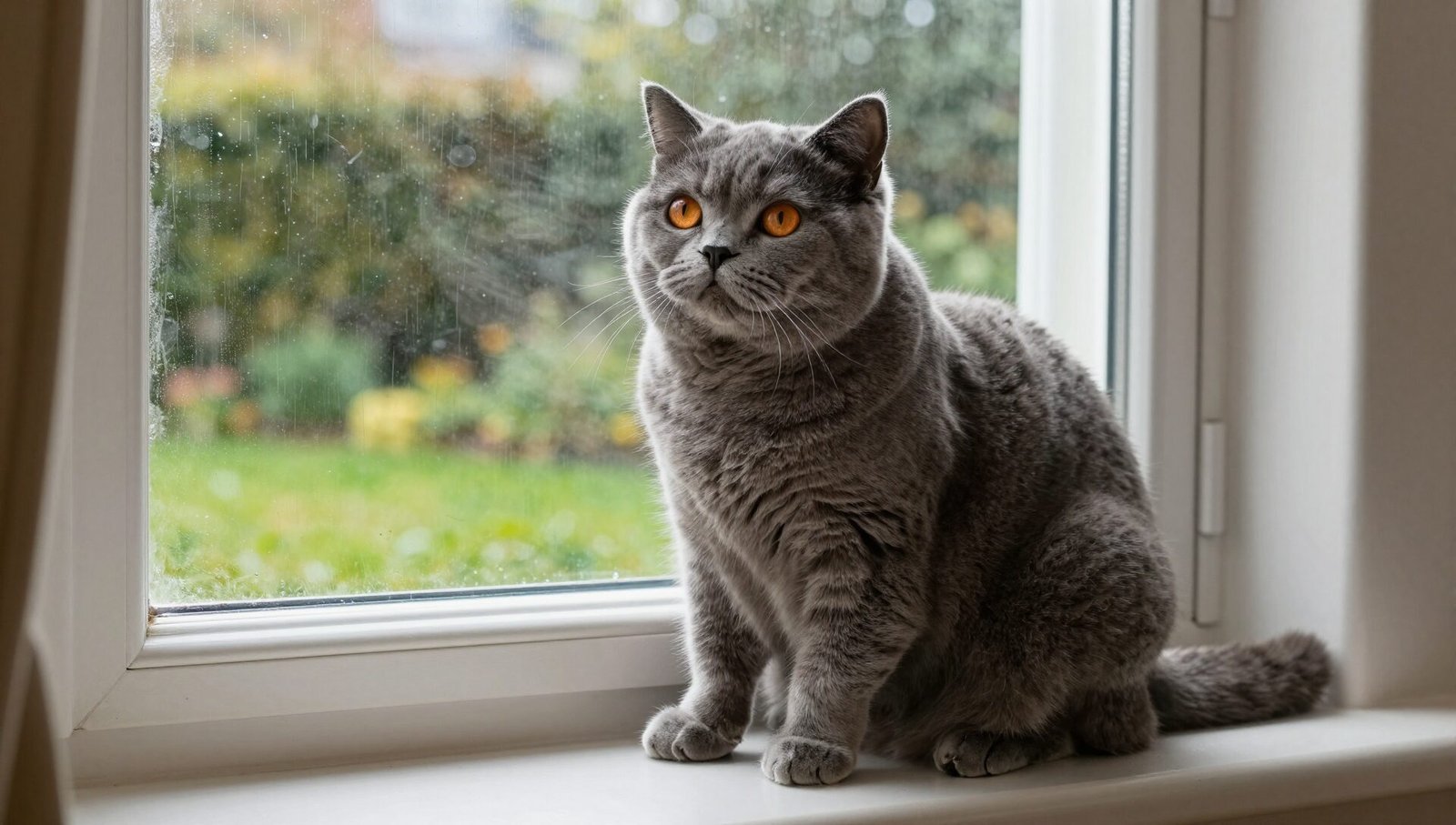
- Image Prompt: A fluffy British Shorthair cat sitting on a windowsill, looking out at a rainy UK garden, with a cozy living room in the background.
- Image Alt Text: A British Shorthair cat relaxing indoors, illustrating why you SHOULD NOT Get A British Shorthair Cat if you prefer independent pets.
- Image Title: You SHOULD NOT Get A British Shorthair Cat: A Calm Indoor Companion
- Image Caption: The British Shorthair thrives indoors but demands your time and attention.
- Image Description: A British Shorthair cat enjoying a quiet moment indoors, highlighting the breed’s need for a calm environment and companionship.
- Tags: You SHOULD NOT Get A British Shorthair Cat, British Shorthair temperament, indoor cats UK, cat care, feline nutrition, grooming British Shorthair
Act as a professional SEO content writer and feline care expert specialising in cats. Your goal is to create a high-quality, long-form, SEO-optimised article for the keyword \[PROMPT], written specifically for a UK audience. Follow these instructions carefully: 🐾 STRUCTURE & OUTLINE First, generate a comprehensive outline in a Markdown table. Include at least 8–10 detailed headings and subheadings Ensure the outline is: Mutually exclusive and collectively exhaustive Covers all key aspects such as: Cat breed information (if applicable) Behaviour and temperament Diet and nutrition Grooming needs Health and lifespan Indoor vs outdoor care Training and enrichment Pros and cons of ownership Naturally include LSI keywords such as: cat care, kitten care, feline nutrition, grooming, temperament, lifespan, litter training, scratching behaviour, enrichment, indoor cats, etc. 🐾 ARTICLE REQUIREMENTS Write a fully detailed article (2000–2200 words). Expand each section with rich, structured content (\~200–300 words per section) Use simple English and a first-person perspective Maintain a friendly, conversational, and engaging tone Add: Light humour 😺 Relatable cat-owner experiences Practical, real-world advice Include: Personal insights (e.g., dealing with picky eaters, litter training mishaps, vet visits) Actionable tips for cat owners 🐾 SEO REQUIREMENTS Use \[PROMPT] as the main keyword: Include it in: The title (max 60 characters, must include a number + power word + sentiment word*) The meta description (150–160 characters) At least one H2 or H3 subheading Within the first 10% of the article Use the keyword naturally 2–4 times (avoid keyword stuffing) Maintain keyword density around \~1–1.5% Use LSI keywords naturally in every section 🐾 FRONT MATTER (MUST INCLUDE BEFORE ARTICLE) Provide the following: Focus Keywords (max 6 words, one line) Article Preview Snippet Title (max 60 characters, must include exact \[PROMPT]) Slug (must include exact \[PROMPT], remove stop words) Meta Description (150–160 characters, must include \[PROMPT], avoid the word “Discover”) 🖼️ Image Metadata Image prompt (must include exact \[PROMPT], cat-related scene) Image Alt Text (must include exact \[PROMPT]) Image Title (must include exact \[PROMPT]) Image Caption (must include exact \[PROMPT]) Image Description (must include exact \[PROMPT]) 5 article tags separated by comma (must include exact \[PROMPT]) 🐾 ARTICLE FORMAT Use Markdown formatting throughout. Bold all headings and subheadings Do NOT number headings Include: SEO-friendly Title Meta description (below title) Introduction Detailed sections Comparison tables (e.g., cat breeds, food types, litter options, enrichment toys) Bullet lists (pros/cons, tips, behaviours) Include: At least one section fully focused on \[PROMPT] Use a mix of: Paragraphs Lists Tables (for clarity and readability) 🐾 CONTENT QUALITY & AUTHORITY (E-E-A-T) Demonstrate expertise in feline care Write as if you have real hands-on experience with cats Provide: Honest insights Balanced pros and cons Practical, realistic advice Include real-life scenarios: Litter box training issues Feeding routines for picky cats Vet visits and vaccinations Scratching and behavioural challenges Avoid fluff — focus on useful, actionable advice 🐾 FAQ & CONCLUSION Add at least 6 FAQs Each FAQ must: Be in an H3 heading End with a question mark (?) Have a clear, separate paragraph answer Do NOT label with “Q:” or numbers Include a strong conclusion summarising key takeaways 🐾 STYLE GUIDELINES Use UK English spelling and tone Write in first person (“I”, “we”) Include: Idioms Transitional phrases Balanced viewpoints (pros vs cons) Engaging hooks Avoid overused clichés like: “In the realm of” 🐾 COMPLETION RULES Generate the full article in one response Do NOT stop midway Ensure content is: 100% unique Plagiarism-free ⚠️ NOTE \[PROMPT] = You SHOULD NOT Get A British Shorthair Cat Do NOT alter keyword phrasing in: Title Slug Metadata
🐾 Article Outline
| Heading (H2) | Subheadings (H3) | Key Focus / LSI Keywords |
|---|---|---|
| Introduction | British Shorthair, cat ownership, popular cat breeds UK, pros and cons | |
| The Truth About British Shorthairs | breed overview, personality, temperament, British Shorthair cat | |
| They Are Not the Independent Cat You Imagine | Velcro Cats in Disguise | Clingy cats, feline behaviour, companion cats, independent cats |
| Separation Anxiety Can Be a Serious Issue | Destructive behaviour, stress, anxiety, leaving cats alone | |
| They Require More Play Than You Think | Interactive play, mental stimulation, boredom, enrichment, cat toys | |
| High Intelligence Means High Maintenance | Smart cats, curious cats, cat-proofing, exploration, mental challenges | |
| Indoor-Only Living Is Non-Negotiable | Indoor cats, outdoor risks, catio, cat safety, territory | |
| Diet and Nutrition: The Hungry Hippos of the Cat World | Managing Their Weight | Feline nutrition, obesity, diet, raw food, kibble, wet food, portion control |
| They Are Surprisingly Sensitive Souls | Sensitive cats, active households, children, other pets, gentle temperament | |
| Grooming and Health Essentials | Grooming, shedding, lifespan, vet visits, HCM, PKD | |
| Training and Enrichment Requirements | Litter Training and Scratching | Litter training, scratching behaviour, puzzle feeders, cat trees |
| British Shorthair Pros and Cons | Pros and cons, best cat breeds, family pets, calm cats | |
| Is the British Shorthair Right for You? | Decision guide, lifestyle match, cat owner readiness | |
| Frequently Asked Questions | Cost, lifespan, hypoallergenic, outdoor, dogs, diet, kitten care | |
| Conclusion | Summary, final thoughts, best cat for your family |
You SHOULD NOT Get A British Shorthair Cat: 7 Critical Reasons
Meta Description: Thinking of getting a British Shorthair? Here are 7 honest reasons why You SHOULD NOT Get A British Shorthair Cat without knowing the truth first.
I’ll be honest with you — the British Shorthair is one of my absolute favourite cat breeds. That teddy bear face, those chunky cheeks, and that gloriously plush coat are enough to make anyone weak at the knees. But here’s the thing: popularity doesn’t mean a breed is right for everyone. After years of living with cats and helping friends choose theirs, I’ve seen far too many mismatches that could have been avoided with a bit of honest information.
So, if you’re considering this breed, you need to hear why You SHOULD NOT Get A British Shorthair Cat without doing your homework first. This isn’t about bashing these gorgeous felines — quite the opposite. It’s about ensuring that if you do bring one home, you’re genuinely prepared for what life with a British Shorthair actually looks like. We’ll explore their surprising emotional needs, dietary demands, and the lifestyle adjustments you’ll need to make. By the end, you’ll know whether this breed is your perfect match or whether you should keep looking.
The Truth About British Shorthairs
Before we dive into the reasons you might want to think twice, let’s establish what we’re actually dealing with. The British Shorthair is one of the oldest and most recognisable cat breeds in the United Kingdom. With their stocky build, round copper or gold eyes, and dense double coat, they look like living teddy bears. They’re calm, dignified, and have an air of quiet sophistication about them.
However, appearances can be deceiving. Many people assume that because British Shorthairs look laid-back, they must be low-maintenance. Nothing could be further from the truth. Beneath that composed exterior lies a deeply affectionate, surprisingly needy cat with very specific requirements. They aren’t the sort of feline you can simply leave to their own devices while you crack on with your day.
Understanding this breed’s true nature is essential before making any commitments. A British Shorthair isn’t just a pretty face — they’re a long-term emotional and financial commitment that demands your time, attention, and patience. If you’re after a cat that fits neatly into a busy lifestyle without any fuss, you might be barking up the wrong tree entirely.
They Are Not the Independent Cat You Imagine
Velcro Cats in Disguise
Here’s where most people get it completely wrong. Cats have a reputation for being independent creatures — aloof, self-sufficient, and perfectly content with their own company. While some breeds certainly fit that description, the British Shorthair absolutely does not. These cats are what I like to call “Velcro cats in disguise.” They might not sit on your lap constantly, but they want to be in the same room as you at all times.
I learned this the hard way when my friend Sarah got her first British Shorthair, Milo. She’d always had dogs before and assumed a cat would be easier. Within a week, she was calling me in a panic because Milo followed her from room to room, sat outside the bathroom door while she showered, and cried whenever she left for work. She’d imagined a pet that would curl up quietly and barely register her presence. Instead, she got a shadow.
If you’re someone who values solitude or travels frequently, this breed will struggle in your home. British Shorthairs form incredibly strong bonds with their humans, and they expect those bonds to be reciprocated. They’re not demanding in an aggressive way — they’re simply devoted, and they want that devotion returned. It’s rather like having a very fluffy, very quiet dog that happens to use a litter tray.
Separation Anxiety Can Be a Serious Issue
Building on their need for companionship, British Shorthairs are genuinely prone to separation anxiety. This isn’t a minor inconvenience — it’s a real behavioural concern that can manifest in some rather unpleasant ways. Chewed furniture, scratched door frames, excessive vocalisation, and even inappropriate toileting are all common signs that your British Shorthair is struggling with being left alone.
The breed thrives on routine and predictability. When that routine is disrupted — whether by a change in work schedule, a holiday, or even rearranging the furniture — they can become visibly distressed. I’ve known British Shorthairs who stopped eating entirely when their owners went on holiday, despite having a perfectly competent pet sitter visiting twice daily. The emotional bond is that strong.
If you work long hours or have an unpredictable schedule, you need to seriously consider whether you can provide the stability this breed requires. Solutions exist, of course. Getting a second cat for companionship, hiring a reliable pet sitter, or setting up cameras to monitor their behaviour can all help. But these are additional responsibilities and expenses that many first-time cat owners don’t anticipate.
Signs of separation anxiety in British Shorthairs:
- Excessive meowing or yowling when you prepare to leave
- Destructive behaviour directed at doors, windows, or furniture
- Loss of appetite or refusal to eat when alone
- Inappropriate toileting outside the litter tray
- Over-grooming, leading to bald patches
They Require More Play Than You Think
Despite their chunky, somewhat sedentary appearance, British Shorthairs are surprisingly playful cats. And when I say playful, I mean they genuinely want you involved. This isn’t a breed that’s content to bat a ball around by themselves while you watch telly. They want interactive play sessions with their human, and they want them regularly.
Think feather wands, laser pointers, crinkle balls, and puzzle toys. Think getting down on the floor and actively engaging with your cat for at least 15–20 minutes twice daily. If that sounds like a lot, consider this: a bored British Shorthair becomes a destructive British Shorthair. Without adequate stimulation, they’ll find their own entertainment, and it usually involves your curtains, your sofa, or your favourite houseplant.
I make it a point to schedule play sessions with my cats before work and again in the evening. It’s become part of our routine, and honestly, it’s one of the best parts of my day. But I recognise that not everyone has the time or energy for this commitment. If you’re looking for a cat that entertains itself, there are other breeds far better suited to that lifestyle. The British Shorthair needs you, and they need you actively present — not just physically there but genuinely engaged.
High Intelligence Means High Maintenance
British Shorthairs are exceptionally intelligent cats, which sounds wonderful in theory. In practice, it means they need constant mental stimulation to stay happy and well-behaved. A smart cat with nothing to do is a recipe for disaster. They’ll figure out how to open cupboards, raid the bin, and systematically dismantle anything that catches their fancy.
I once watched my friend’s British Shorthair, Oscar, figure out how to open a lever-handle door in under a week. Within a fortnight, he’d mastered the kitchen cupboards and was regularly helping himself to treats. My friend had to install child locks on every cabinet in the kitchen. That’s the level of cat-proofing we’re talking about.
Enrichment isn’t optional with this breed — it’s essential. You’ll need to rotate toys regularly, provide puzzle feeders, create vertical climbing spaces, and offer window perches for birdwatching. Without this mental engagement, British Shorthairs can develop behavioural problems including aggression, excessive vocalisation, and destructive scratching.
Enrichment ideas for British Shorthairs:
- Puzzle feeders for mealtime
- Rotating toy selection weekly
- Tall cat trees with multiple levels
- Window perches overlooking bird feeders
- Cardboard boxes and paper bags (supervised)
- Clicker training sessions
Indoor-Only Living Is Non-Negotiable
If you’re dreaming of a cat that roams the garden and comes home for supper, the British Shorthair is not your breed. These cats should be kept strictly indoors, and there are very good reasons for this. Their stocky build makes them less agile than more athletic breeds, and their trusting, somewhat naive nature makes them vulnerable to outdoor dangers.
Traffic, other animals, theft, and disease are all genuine risks for any outdoor cat, but British Shorthairs are particularly susceptible. They’re not natural fighters or escape artists — they’re lovers, not scappers. I’ve heard too many heartbreaking stories of British Shorthairs that escaped and couldn’t find their way home, simply because they’d never developed the survival instincts that outdoor cats build over time.
The good news is that British Shorthairs adapt beautifully to indoor living, provided you create an enriching environment. Cat trees, scratching posts, interactive toys, and regular play sessions will keep them happy and healthy. If you want to offer a taste of the outdoors, consider building a secure catio or investing in cat-proof fencing for your garden. That way, they can enjoy fresh air and sunshine without any of the risks.
| Indoor Setup | Why It Matters |
|---|---|
| Cat trees and climbing shelves | Satisfies their need to explore vertically |
| Window perches | Provides mental stimulation through birdwatching |
| Scratching posts | Redirects natural scratching behaviour |
| Puzzle feeders | Engages their intelligence during mealtime |
| Secure catio | Safe outdoor access for fresh air and sunlight |
Diet and Nutrition: The Hungry Hippos of the Cat World
Managing Their Weight
Let me paint you a picture. It’s 6 AM. Your British Shorthair is sitting beside their bowl, staring at you with those enormous copper eyes, meowing pitifully as though they haven’t been fed in weeks. You fed them twelve hours ago. They had a generous portion. They are absolutely not starving. And yet, somehow, you feel like the worst pet parent in Britain.
Welcome to life with a British Shorthair. These cats love their food with a passion that borders on obsession. Left unchecked, they will eat themselves into obesity, which brings a host of serious health problems including diabetes, joint issues, and heart disease. Managing their diet requires vigilance, discipline, and the emotional fortitude to resist those pleading eyes.
I recommend investing in high-quality, protein-rich food and carefully measuring portions. Free-feeding is absolutely out of the question with this breed. Many owners find that a combination of wet food and premium kibble works well, though raw diets are increasingly popular for their health benefits.
| Food Type | Advantages | Disadvantages |
|---|---|---|
| High-quality kibble | Convenient, good for dental health | Lower moisture content, can be carb-heavy |
| Wet food | Hydrating, highly palatable | More expensive, spoils quickly once opened |
| Raw diet | Natural, species-appropriate nutrition | Requires careful preparation, higher cost |
| Freeze-dried treats | Nutrient-dense, easy to store | Needs rehydration, can be pricey |
The bottom line? Budget for good food and be prepared to monitor your cat’s weight regularly. Your British Shorthair’s waistline is entirely your responsibility.
They Are Surprisingly Sensitive Souls
Beneath that robust, teddy bear exterior lies a genuinely sensitive cat. British Shorthairs don’t do well in chaotic, noisy environments. They prefer calm, predictable households where they can relax without being constantly startled or overwhelmed. If you’ve got young children who haven’t yet learned how to handle animals gently, or boisterous dogs that treat everything as a chew toy, a British Shorthair may struggle terribly.
I’ve seen this play out firsthand. A colleague of mine brought home a beautiful British Shorthair kitten, only to have the poor thing spend the next three months hiding under the wardrobe because her toddler thought the cat’s tail was a pull toy. It took months of careful reintroduction and boundary-setting before the cat felt safe enough to venture out during the day.
British Shorthairs give back everything you invest in them — loyalty, affection, and a quiet, comforting presence that’s hard to match. But they need the right environment to flourish. If your household is a whirlwind of noise and activity, consider whether a more robust, adaptable breed might be a better fit. This isn’t a criticism of your lifestyle — it’s about finding the right match for both you and the cat.
Grooming and Health Essentials
British Shorthairs have a dense, plush double coat that requires more maintenance than you might expect. They shed year-round, with particularly heavy moults in spring and autumn. Without regular grooming, you’ll find tumbleweeds of fur rolling across your floors and a fine coating of fluff on every dark piece of clothing you own. Trust me — I’ve lint-rolled my way through more black trousers than I care to admit.
Weekly brushing is the minimum, but during shedding season, daily grooming becomes necessary. Beyond coat care, you’ll need to stay on top of nail trims, dental hygiene, and regular vet check-ups. British Shorthairs are generally healthy, but they’re predisposed to certain conditions that responsible owners should be aware of.
Common health concerns:
- Hypertrophic Cardiomyopathy (HCM): A heart condition prevalent in the breed
- Polycystic Kidney Disease (PKD): A genetic condition affecting kidney function
- Obesity: Their love of food makes weight management essential
- Haemophilia B: A blood clotting disorder found in some lines
Their typical lifespan ranges from 12 to 20 years, which is a substantial commitment. Regular veterinary check-ups, appropriate vaccinations, and pet insurance are all essential considerations. I always tell prospective owners to factor in ongoing veterinary costs — they add up quickly with any pedigree breed.
Training and Enrichment Requirements
Litter Training and Scratching
The good news is that British Shorthairs are generally straightforward to litter train. Most kittens take to it instinctively, and with a clean, well-placed litter tray, accidents are relatively rare. The scratching situation, however, requires more proactive management.
British Shorthairs have strong scratching instincts, and without appropriate outlets, your furniture will pay the price. The key is providing multiple scratching surfaces — both vertical and horizontal — placed in strategic locations around your home. I’ve found that sisal rope posts and corrugated cardboard scratchers work brilliantly.
Training tips that actually work:
- Place scratching posts near sleeping areas (cats love to stretch and scratch after waking)
- Use catnip or silver vine to attract them to appropriate surfaces
- Reward scratching on approved surfaces with treats and praise
- Never punish scratching — redirect instead
- Use deterrent sprays on furniture as a temporary measure
Beyond scratching, clicker training is an excellent way to engage your British Shorthair’s intelligence. They can learn to sit, high-five, and even navigate obstacle courses. It’s brilliant mental stimulation, and it strengthens the bond between you and your cat.
British Shorthair Pros and Cons
Let’s bring some balance to this discussion. British Shorthairs are genuinely wonderful cats when matched with the right owner. Here’s an honest breakdown:
Pros:
- Incredibly affectionate and loyal
- Calm, gentle temperament
- Excellent with respectful older children
- Adaptable to indoor living
- Beautiful, distinctive appearance
- Quiet — not excessively vocal
Cons:
- Prone to separation anxiety
- Require regular interactive play
- Must be kept indoors
- Predisposed to obesity
- Sensitive to chaotic environments
- Higher grooming needs than expected
If your lifestyle aligns with this breed’s needs, you’ll find few cats more rewarding to live with. The key is honest self-assessment before committing.
Is the British Shorthair Right for You?
This is the million-pound question, isn’t it? After reading everything above, you should have a much clearer picture of what life with a British Shorthair actually involves. They’re not the aloof, low-maintenance cats that many people assume. They’re devoted, intelligent, sensitive companions that require your time, attention, and genuine commitment.
Ask yourself honestly: Am I home enough to meet their social needs? Can I commit to daily play sessions? Am I prepared to manage their diet carefully? Is my home calm enough for a sensitive soul? If you answered yes to all of these, a British Shorthair might just be your perfect feline companion. If you hesitated on even one, it might be worth exploring other breeds that better suit your lifestyle.
Remember, the goal isn’t just to get a cat — it’s to provide a loving, suitable forever home for a living creature that depends entirely on you.
Frequently Asked Questions
How much does a British Shorthair kitten cost in the UK?
Prices vary depending on pedigree, breeder reputation, and location, but expect to pay between £500 and £1,500 from a reputable breeder. Always verify that the breeder is registered with a recognised governing body, provides health certificates, and allows you to meet the kitten’s parents. Avoid breeders who won’t let you visit their premises.
Are British Shorthairs hypoallergenic?
No — no cat breed is truly hypoallergenic, and British Shorthairs are definitely not. Their dense double coat sheds regularly, which can trigger allergies in sensitive individuals. If you suffer from allergies, spend extended time with the breed before making any commitments.
What is the lifespan of a British Shorthair?
With proper care, British Shorthairs typically live between 12 and 20 years. A balanced diet, regular veterinary care, appropriate enrichment, and a stress-free environment all contribute to a long, healthy life.
Can British Shorthairs live with dogs?
Yes, they can, particularly if introduced to calm, well-behaved dogs at a young age. However, their sensitive nature means they don’t cope well with boisterous or aggressive dogs. Always supervise initial introductions and provide the cat with safe spaces to retreat.
Should British Shorthairs be kept indoors?
Absolutely. British Shorthairs are best suited to indoor living due to their stocky build, trusting nature, and vulnerability to outdoor hazards. A secure catio or cat-proof garden enclosure offers a safe compromise for outdoor access.
What should I feed my British Shorthair?
High-quality, protein-rich food is essential. A combination of premium wet food and kibble works well, though many owners opt for raw diets. Avoid free-feeding entirely — measure portions carefully and monitor your cat’s weight regularly to prevent obesity.
Conclusion
So, should you get a British Shorthair? Only you can answer that honestly. These magnificent cats offer companionship, loyalty, and affection that few other breeds can match. But they come with very specific needs — emotional, physical, and dietary — that require genuine commitment. If you’ve read this article and feel confident you can meet those needs, then you’re well on your way to a wonderful life with one of Britain’s most beloved breeds. But if anything gave you pause, take that seriously. The best cat owners are those who choose based on suitability rather than aesthetics. Do your research, be honest about your lifestyle, and make the right decision — for both you and your future feline companion.