Introduction
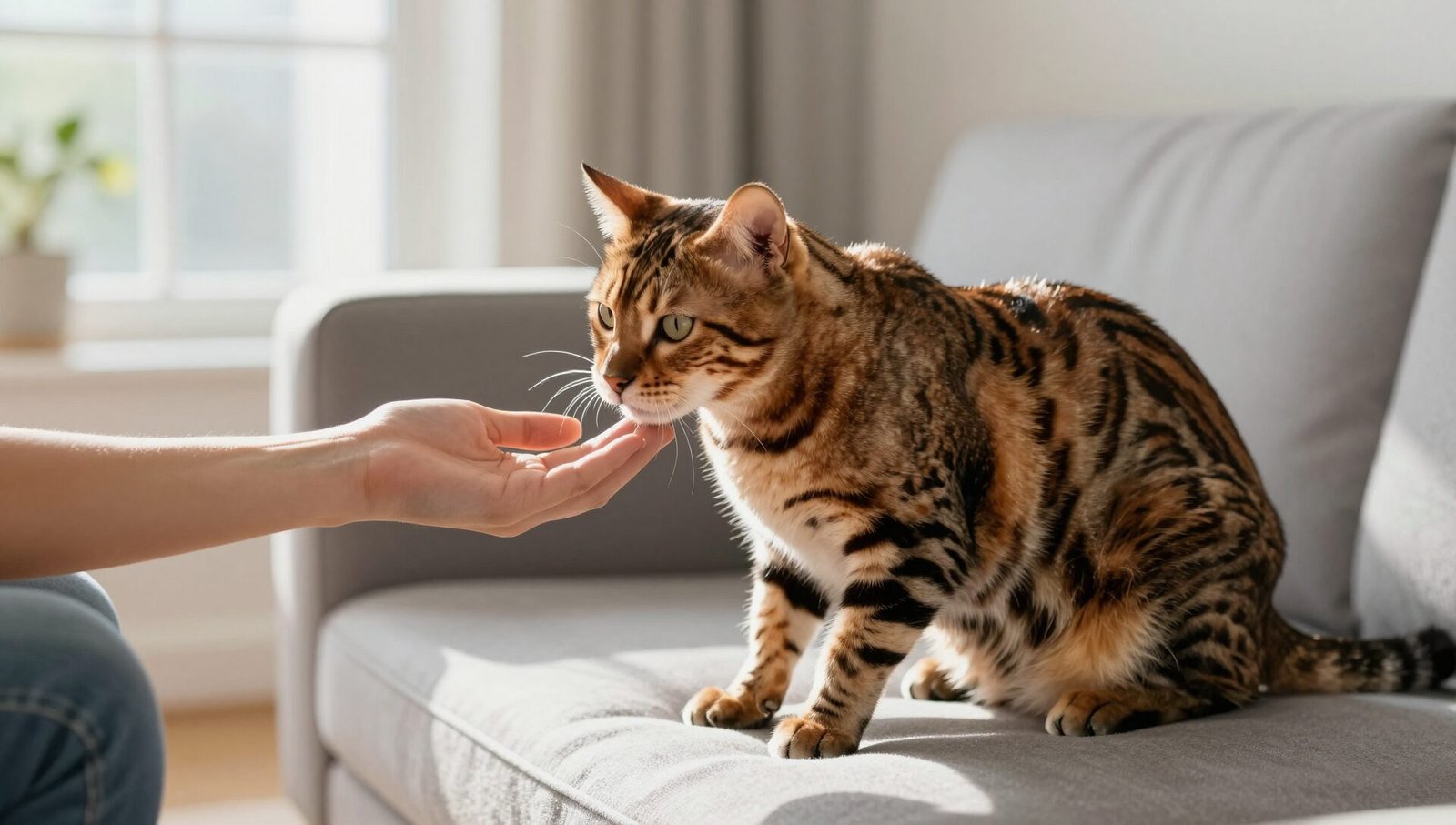
Let me be straight with you: when I first laid eyes on a Bengal cat, I was floored. That wild leopard-like coat, those piercing green eyes, and that athletic, coiled-spring body — it’s like having a miniature jungle cat sauntering around your living room. But here’s the million-pound question that kept niggling at me: are Bengal cats affectionate?
I’ve spent years around cats, from lazy rescues to high-maintenance pedigree breeds, and I’ll be honest — Bengals are different. They’re not your typical lap-warming, purring cushions. They’re something else entirely. And if you’re thinking about bringing one of these stunning creatures into your home here in the UK, you’re probably wondering whether they’ll curl up with you on the sofa or treat you like a glorified food dispenser.
Well, grab a cuppa, because I’m about to spill the beans on what it’s really like living with a Bengal cat. Spoiler alert: are Bengal cats affectionate? Yes, but not in the way you might expect.
What Makes the Bengal Cat Breed So Unique?
Before we dive into whether Bengals are affectionate, it helps to understand where they come from. The Bengal cat is a hybrid breed — a cross between a domestic cat and the Asian Leopard Cat (Prionailurus bengalensis). That wild ancestry isn’t just for show; it shapes everything about their temperament, behaviour, and how they express love.
| Bengal Trait | Domestic Cat Typical | Bengal Cat |
|---|---|---|
| Activity Level | Moderate | Very High |
| Vocalisation | Moderate | High (chirps, trills, meows) |
| Affection Style | Lap cat / Cuddly | Active / Playful |
| Need for Stimulation | Low to Moderate | Extremely High |
| Water Fascination | Rare | Common |
Bengals are incredibly intelligent — often compared to dogs in their trainability — and they thrive on interaction. They’re not the type to sit quietly in a corner. They want to be involved in everything you do. Cooking dinner? They’ll supervise from the counter. Working from home? They’ll park themselves on your keyboard. Watching telly? Expect a warm, spotted loaf on your chest.
However, that intelligence comes with a price. Bengals get bored easily, and a bored Bengal is a destructive Bengal. I’ve heard horror stories of Bengals learning to open cupboards, turn on taps, and even flush toilets. Yes, really.
Are Bengal Cats Affectionate — The Honest Answer
So, are Bengal cats affectionate? The short answer is: absolutely yes. But here’s the kicker — their affection is active, not passive.
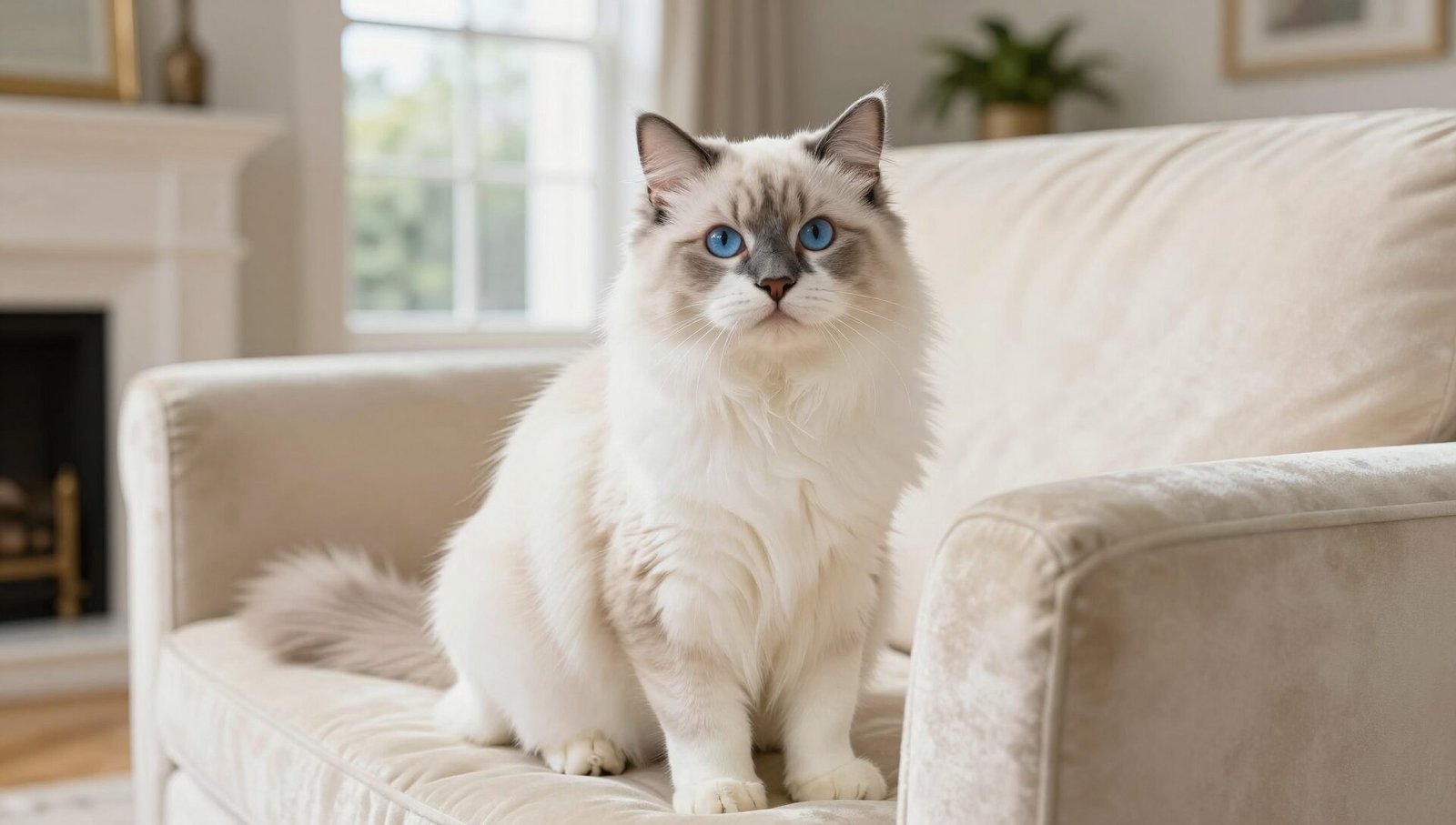
Think of it this way: a Ragdoll shows love by melting into your lap and staying there for hours. A Bengal shows love by engaging with you. They want to play, chase, explore, and interact. To a Bengal, play is love. When your Bengal brings you a toy and meows insistently at your feet, that’s not just a request — that’s an expression of trust and bonding.
I remember my first few weeks with a Bengal foster. He’d follow me room to room, chirping like a bird, and would only settle down when I was within arm’s reach. But did he sit on my lap? Rarely. He preferred to lie next to me, maintaining physical contact without being fully engulfed. That’s classic Bengal behaviour — they want closeness, but on their terms.
Bengals are also incredibly vocal. They chirp, trill, and meow to communicate. If your Bengal is chattering away at you, consider it a compliment. They’re talking to you because they see you as part of their social group.
Bengal Cat Temperament: What to Expect at Home
Understanding Bengal cat temperament is key to deciding if this breed is right for you. Bengals are:
- Curious to a fault — nothing is safe from investigation
- Athletic — they can jump ridiculously high (think kitchen countertops, curtain rails)
- Social — they hate being left alone for long periods
- Confident — they’re not easily intimidated
- Playful — they retain kitten-like energy well into adulthood
Common Bengal Behaviours
- Shadowing — your Bengal will follow you everywhere, including the loo. Privacy? Forget it.
- Chirping and trilling — a unique vocalisation that sounds more bird than cat
- Water play — many Bengals love playing with water, dipping paws into bowls, or even joining you in the shower
- Fetch — yes, many Bengals will play fetch like a dog
- Height seeking — they love high perches and climbing
One thing I’ve learned the hard way: Bengals are escape artists. They’re clever enough to figure out door handles, window latches, and even some childproof locks. If you’re planning to let your Bengal outdoors in the UK, a secure catio is non-negotiable.
Bengal Cat Diet and Nutrition: What to Feed an Active Breed
Because Bengals are so active, their nutritional needs are higher than your average couch potato cat. A Bengal cat on a poor diet will quickly become lethargic or develop behavioural issues.
Key Dietary Tips for Bengal Cats
- High protein — Bengals need meat-based protein (chicken, turkey, fish) as the primary ingredient
- Low carbohydrates — their wild ancestry means they’re not built for heavy grains
- Wet food is better — it provides hydration and is closer to their natural diet
- Avoid fillers — look for foods without corn, wheat, or soy
| Food Type | Pros | Cons |
|---|---|---|
| Wet Food (Pouches/Tins) | High moisture, natural protein | More expensive, shorter shelf life |
| Dry Kibble | Convenient, affordable | Low moisture, high carbs |
| Raw Diet | Closest to natural diet | Requires careful handling, expensive |
| Commercial Bengal-specific | Formulated for high energy | Limited availability in UK |
My Experience with a Picky Bengal Eater
I once fostered a Bengal who turned her nose up at everything except a specific brand of salmon pâté. For three weeks, I tried every cat food on the market. She’d sniff, stare at me as if I’d insulted her ancestors, and walk away. Eventually, I found that mixing a small amount of warm water into wet food made it more appealing. Lesson learned: Bengals can be divas about food.
Grooming a Bengal Cat: Easier Than You Think
One of the perks of owning a Bengal cat? Their coat is low-maintenance. Bengals have a short, dense, pelt-like coat that requires minimal grooming. Unlike Persians or Maine Coons, you won’t be battling matts or spending hours brushing.
Grooming Checklist
- Brush once a week (a rubber grooming mitt works wonders)
- Nail trimming every 2–3 weeks
- Ear checks monthly
- Dental care — brushing or dental treats
Because Bengals love water, bath time is often surprisingly easy. Some Bengals even enjoy playing in the sink or shower. That said, I’d still recommend introducing water gradually — not every Bengal is a water baby.
Health and Lifespan: What Every UK Owner Should Know
Bengal cats are generally healthy, but like all pedigree breeds, they have some breed-specific health concerns. Being aware of these can help you catch issues early.
| Health Issue | Description | Prevention |
|---|---|---|
| Hypertrophic Cardiomyopathy (HCM) | Heart disease common in Bengals | Regular vet check-ups, echocardiograms |
| Progressive Retinal Atrophy (PRA) | Eye condition leading to blindness | Genetic testing from reputable breeders |
| Patellar Luxation | Knee joint issue | Maintain healthy weight, avoid excessive jumping |
| Flat Chest Syndrome | Kitten respiratory issue | Choose reputable breeder with health guarantees |
Lifespan
The average Bengal cat lifespan is 12–16 years, with many living into their late teens with proper care. A good diet, regular vet visits, and plenty of mental stimulation all contribute to a long, happy life.
UK Vet Tip
Register your Bengal with a vet as soon as you bring them home. In the UK, routine vaccinations, microchipping (now mandatory for cats over 20 weeks), and flea/worming treatments are essential. I’d also recommend pet insurance — Bengals are adventurous and injuries or illnesses can happen.
Indoor vs Outdoor Care: What Works Best for Bengals in the UK?
This is a hot topic among Bengal owners. Bengals have a strong prey drive and love exploring, but the UK’s roads, predators, and busy neighbourhoods pose real risks.
Indoor Bengal Care
- Requires enrichment — cat trees, puzzle feeders, interactive toys
- Secure windows and doors — Bengals are escape artists
- Catio — a covered outdoor enclosure gives them safe outdoor access
- Regular play sessions — at least 30 minutes of active play daily
Outdoor Bengal Care
- High risk — Bengals are valuable and can be stolen
- Traffic — they’re fast but not invincible
- Supervised walks — harness training is possible (many Bengals take to it)
My Recommendation
For UK owners, I strongly recommend keeping Bengals as indoor cats with access to a secure catio or supervised garden time. It’s safer and allows you to control their environment.
Training and Enrichment: Keeping Your Bengal Happy
Bengals are incredibly trainable. I’ve seen Bengals learn to sit, high-five, and even use a toilet. Yes, a toilet. Their intelligence means they need constant mental stimulation.
Enrichment Ideas
- Puzzle feeders — make them work for their food
- Interactive toys — wand toys, laser pointers, treat balls
- Clicker training — Bengals respond well to positive reinforcement
- Cat shelves and climbing walls — vertical space is crucial
- Hide and seek — hide treats around the house
Common Training Challenges
- Bengals can be stubborn — patience is key
- They may scratch furniture if not provided with suitable alternatives
- They might meow excessively if bored
I’ve found that rotating toys every few days keeps things fresh. Bengals get bored quickly, so a toy that was exciting yesterday might be ignored today.
Litter Training and Scratching Behaviour
Litter training a Bengal is generally straightforward. They’re clean cats by nature. However, their intelligence means they can be picky about litter type and box cleanliness.
Litter Box Tips
- Use a large, uncovered box
- Scoop daily — Bengals dislike dirty boxes
- Unscented clumping litter is usually preferred
- Place the box in a quiet, accessible location
Scratching Behaviour
Bengals need to scratch — it’s instinctive. Provide sturdy scratching posts (sisal is best) and encourage use with catnip. If your Bengal scratches furniture, redirect them to the post and reward them.
I once had a Bengal who decided my new sofa was a scratching post. After trying sprays, deterrents, and pleading, I finally solved it by placing a tall sisal post right next to the sofa. She chose the post every time after that.
Are Bengal Cats Affectionate with Other Pets?
Yes, Bengals can get along well with other pets, especially if introduced properly. Their high energy means they often pair well with other active animals.
Bengal with Dogs
Many Bengals enjoy the company of dog-friendly breeds. They’ll play chase and wrestle (gently). Supervision is needed initially.
Bengal with Other Cats
Bengals generally do well with other cats, but they can be dominant. Slow introductions are essential.
Bengal with Small Pets
Rats, hamsters, birds, and fish are at risk due to prey drive. It’s best to keep them separate.
Pros and Cons of Owning a Bengal Cat
| Pros | Cons |
|---|---|
| Stunning appearance | High energy — not for lazy owners |
| Intelligent and trainable | Can be destructive if bored |
| Affectionate (in their own way) | Vocal — may not suit quiet homes |
| Low grooming needs | Escape artists — need secure homes |
| Playful and entertaining | Expensive to buy and maintain |
| Generally healthy breed | Need lots of attention and stimulation |
Frequently Asked Questions
Are Bengal cats good with children?
Bengal cats can be excellent with children, especially older kids who understand how to play gently. Their high energy matches well with active children. However, young children should always be supervised, and Bengals need their own safe space to retreat if they feel overwhelmed.
Do Bengal cats like being held?
Most Bengal cats don’t enjoy being held for long periods. They prefer to be near you rather than on you. Some Bengals tolerate brief cuddles, but don’t expect a lap cat. Their affection is shown through following you, playing with you, and vocalising.
How much exercise does a Bengal cat need?
Bengal cats need at least 30–60 minutes of active play daily. This includes interactive toys, puzzle feeders, and climbing opportunities. Without enough exercise, Bengals can become destructive or develop behavioural issues.
Are Bengal cats difficult to train?
Not at all — Bengal cats are highly intelligent and respond well to positive reinforcement. Many Bengals can learn tricks like sit, high-five, and fetch. Clicker training works particularly well with this breed.
Do Bengals shed a lot?
Bengals have short, dense coats and shed moderately. Weekly brushing helps manage loose hair. Overall, they shed less than long-haired breeds but more than some short-haired cats like the Siamese.
Can Bengal cats be left alone during the day?
Bengal cats do not cope well with being left alone for long periods. They thrive on companionship and stimulation. If you work full-time, consider getting a second cat (preferably another Bengal or an active breed) as a companion, or use puzzle feeders and interactive toys to keep them occupied.
Conclusion
So, are Bengal cats affectionate? Yes — but on their terms. They’re not the kind of cat that will sit on your lap for hours, purring contentedly. Instead, they show love through engagement, play, and constant presence. They’ll follow you around, chirp at you, demand playtime, and curl up beside you when they feel like it.
Bengals are not a low-maintenance breed. They need attention, stimulation, and an owner who understands their unique temperament. But if you can provide that, you’ll be rewarded with one of the most fascinating, intelligent, and loyal companions you’ll ever meet.
If you’re ready for an active, vocal, and endlessly entertaining cat, a Bengal might just be your perfect match. Just be prepared to share your sofa, your bedtime, and your privacy — because once a Bengal decides you belong to them, there’s no getting out of it.
And honestly? I wouldn’t have it any other way. 😺