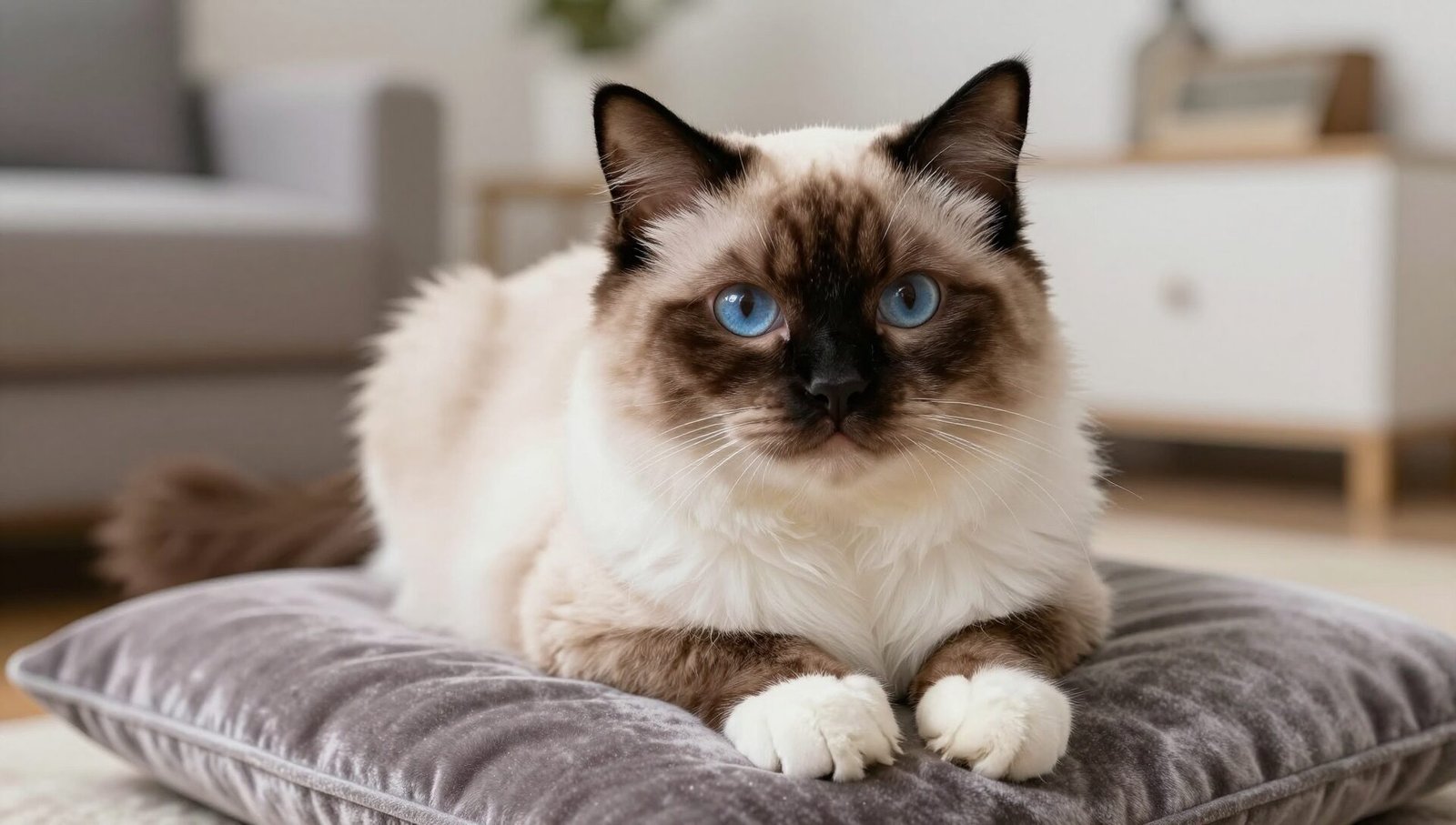
If you’ve ever typed “Ragdoll cat seal point mitted” into a search engine, you’re likely already captivated by that specific blend of elegance and softness that only a Ragdoll can offer. As a lifelong cat enthusiast and someone who has spent years navigating the nuances of feline care, I can tell you that the Ragdoll cat seal point mitted is arguably one of the most striking and affectionate patterns within the breed. They are the living embodiment of a cuddly toy, yet they possess a depth of personality that makes them exceptional companions for UK households.
In this guide, we are going to dive deep into what makes this specific pattern so special. We will cover everything from the genetics of their “mittens” to their specific dietary needs and health concerns. Whether you are a first-time kitten owner or a seasoned cat lover looking to add to your brood, understanding the Ragdoll cat seal point mitted is the first step toward a loving, lasting relationship. Let’s unravel the mystery of these gentle giants together.
Understanding the “Seal Point Mitted” Pattern
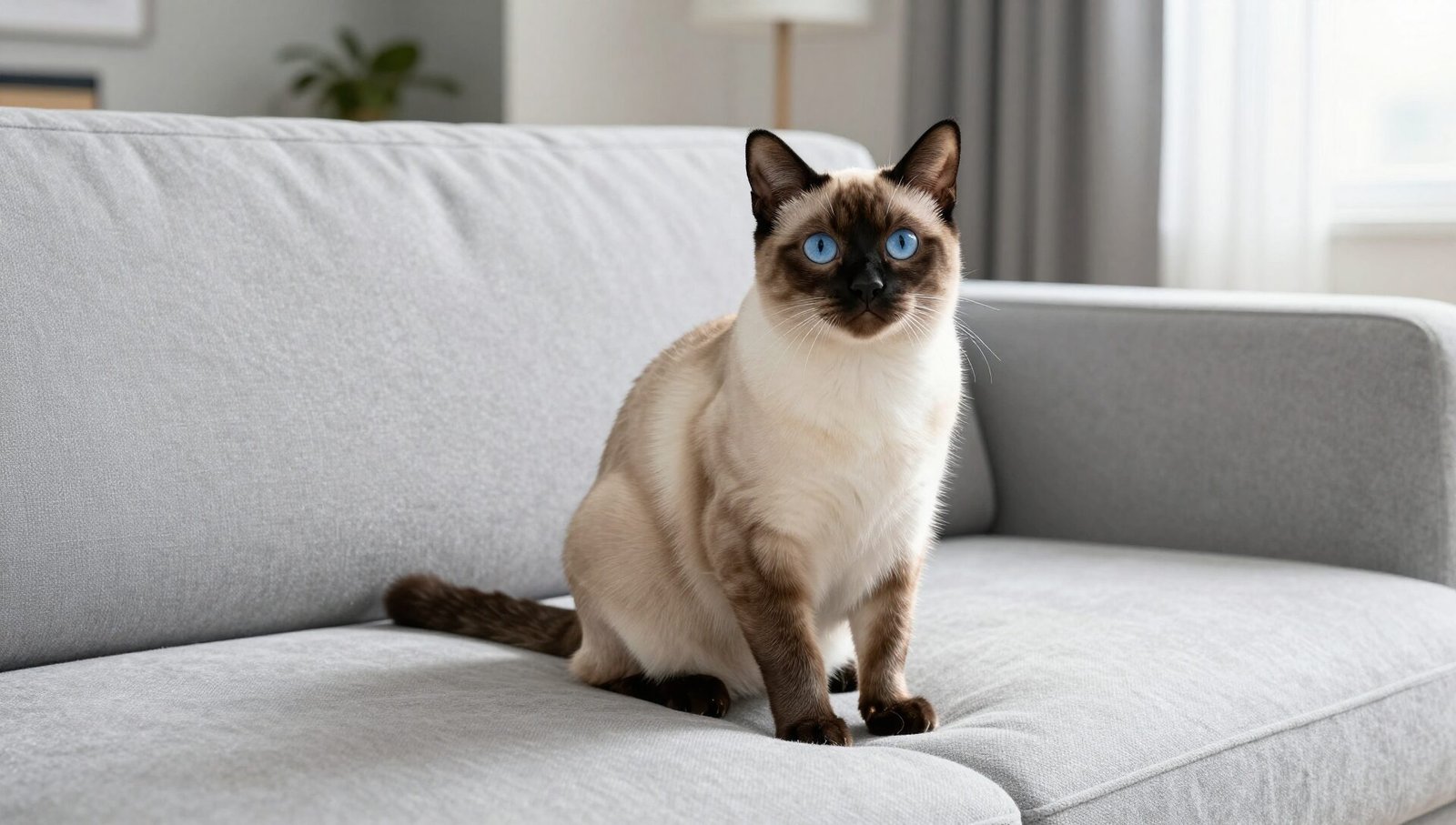
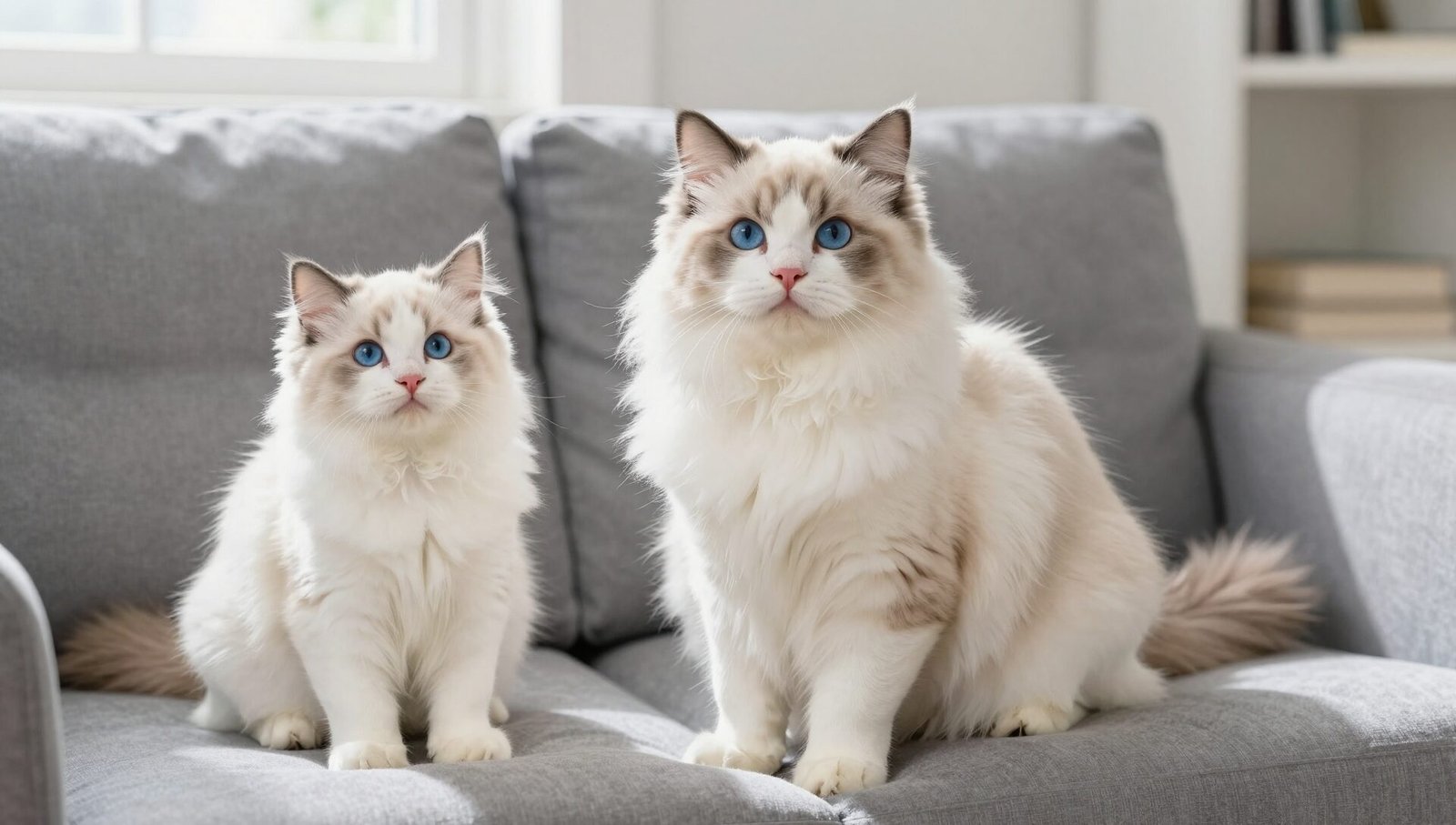
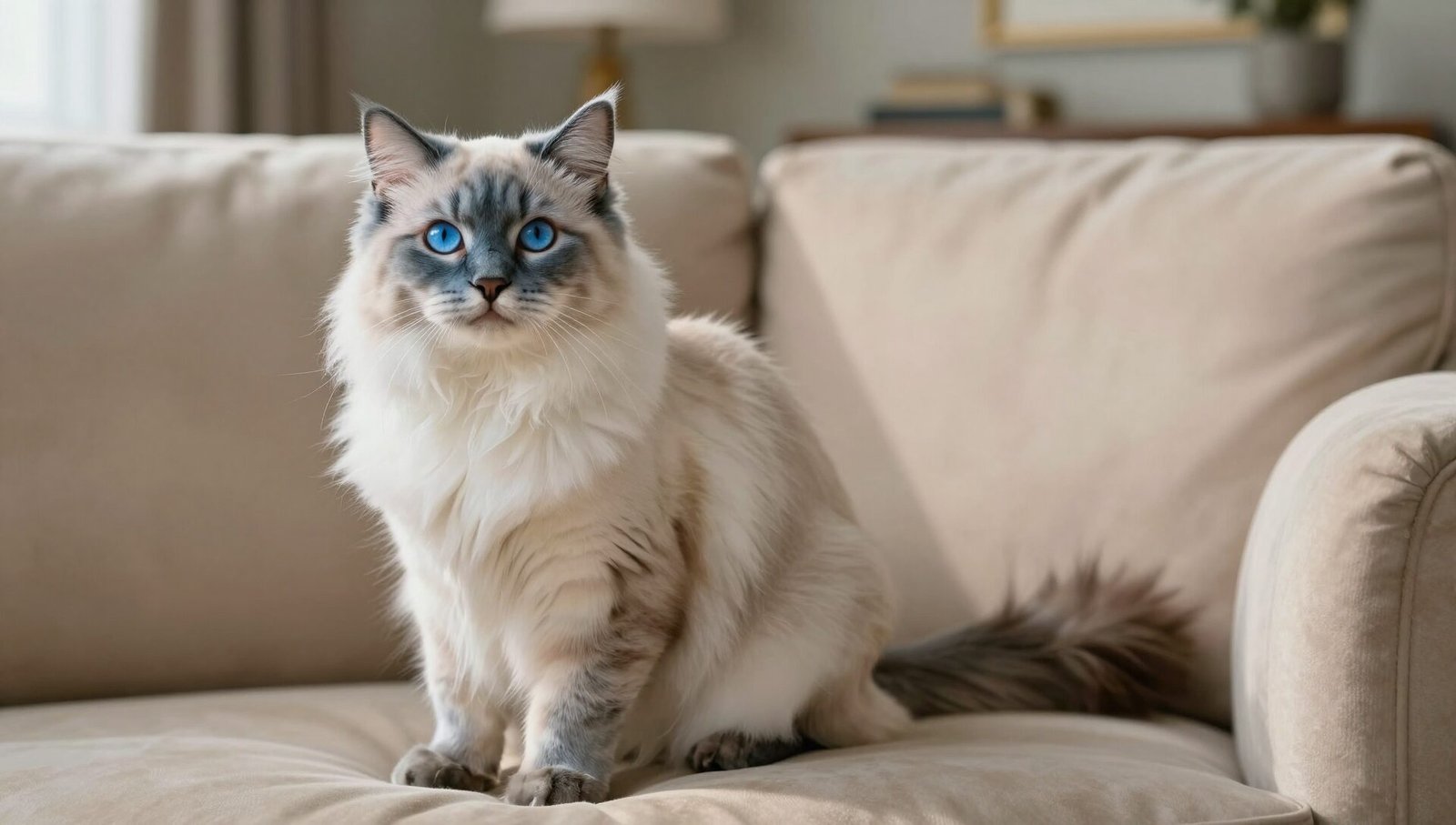
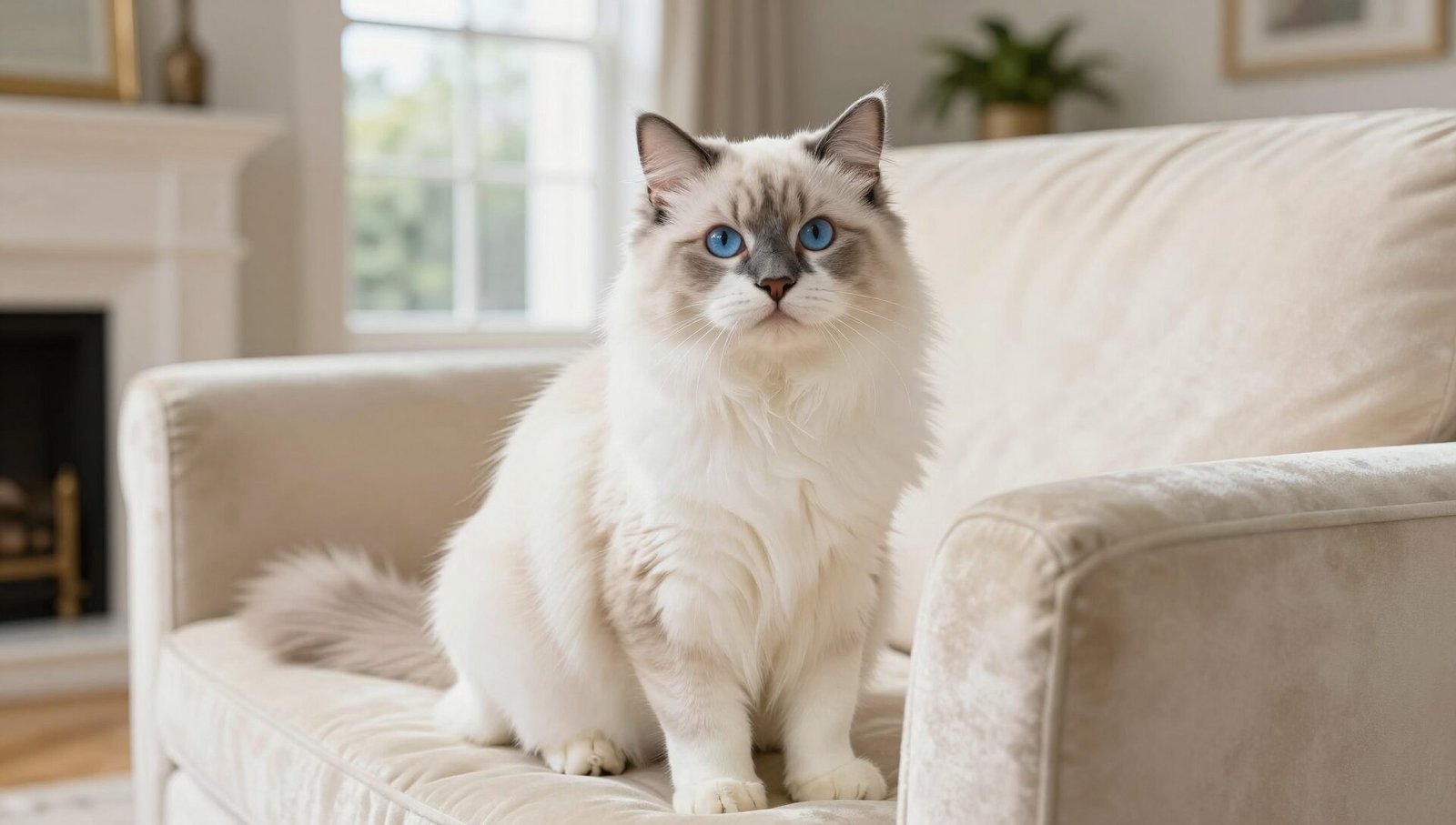
When we talk about a “seal point mitted” Ragdoll, we aren’t just throwing around fancy terms; we are describing a specific genetic blueprint. The “seal” refers to the colour—a very dark, rich brown, almost black—which appears on the ears, the mask (the face area), the paws, and the tail. Think of the colour of a seal’s fur in the wild; that is where the name originates.
The “mitted” part is the real showstopper, in my opinion. Unlike a colourpoint Ragdoll, the mitted variety has specific white markings. They have four white paws that look like little mittens or socks, hence the name. They also typically have a white chin, a white stripe running from their nose to their chin, and a white belly stripe. This creates a stunning contrast against the darker seal points.
One of the non-negotiable traits of a true Ragdoll cat seal point mitted is the white “blaze.” While not always present, a diamond or star-shaped white blaze on the nose is a highly sought-after characteristic that adds to their expressive face. Of course, we cannot forget the eyes; they must be a deep, vivid blue. If a Ragdoll doesn’t have blue eyes, genetically speaking, it simply isn’t a Ragdoll.
The Legendary Ragdoll Temperament
Why do people fall head over heels for this breed? It all boils down to the temperament. I often tell people that owning a Ragdoll is less like having a cat and more like having a very quiet, furry dog. They are famously “dog-like,” following you from room to room, greeting you at the door, and even enjoying a game of fetch if you are patient enough to train them.
The Ragdoll cat seal point mitted is renowned for its docile and placid nature. They are not the type of cats to climb your curtains or knock your favourite mug off the counter (well, mostly). They are known for going limp when you pick them up—hence the name “Ragdoll.” This makes them incredibly easy to handle, which is a massive plus for families with children.
However, don’t mistake their calmness for aloofness. These cats crave human interaction. They want to be in the thick of the action, whether that is “helping” you type on your laptop or curling up on your lap while you watch the telly. If you work long hours and leave them completely alone, they can become lonely and depressed. They thrive in environments where they have company, be it human or another feline friend.
Ragdoll Cat Health and Lifespan
As much as we adore them, we have to be realistic about health. A well-cared-for Ragdoll cat seal point mitted has a lifespan of 12 to 17 years, sometimes even longer. However, like many purebreds, they are prone to certain genetic conditions. The most significant one to be aware of is Hypertrophic Cardiomyopathy (HCM), which is a thickening of the heart muscle.
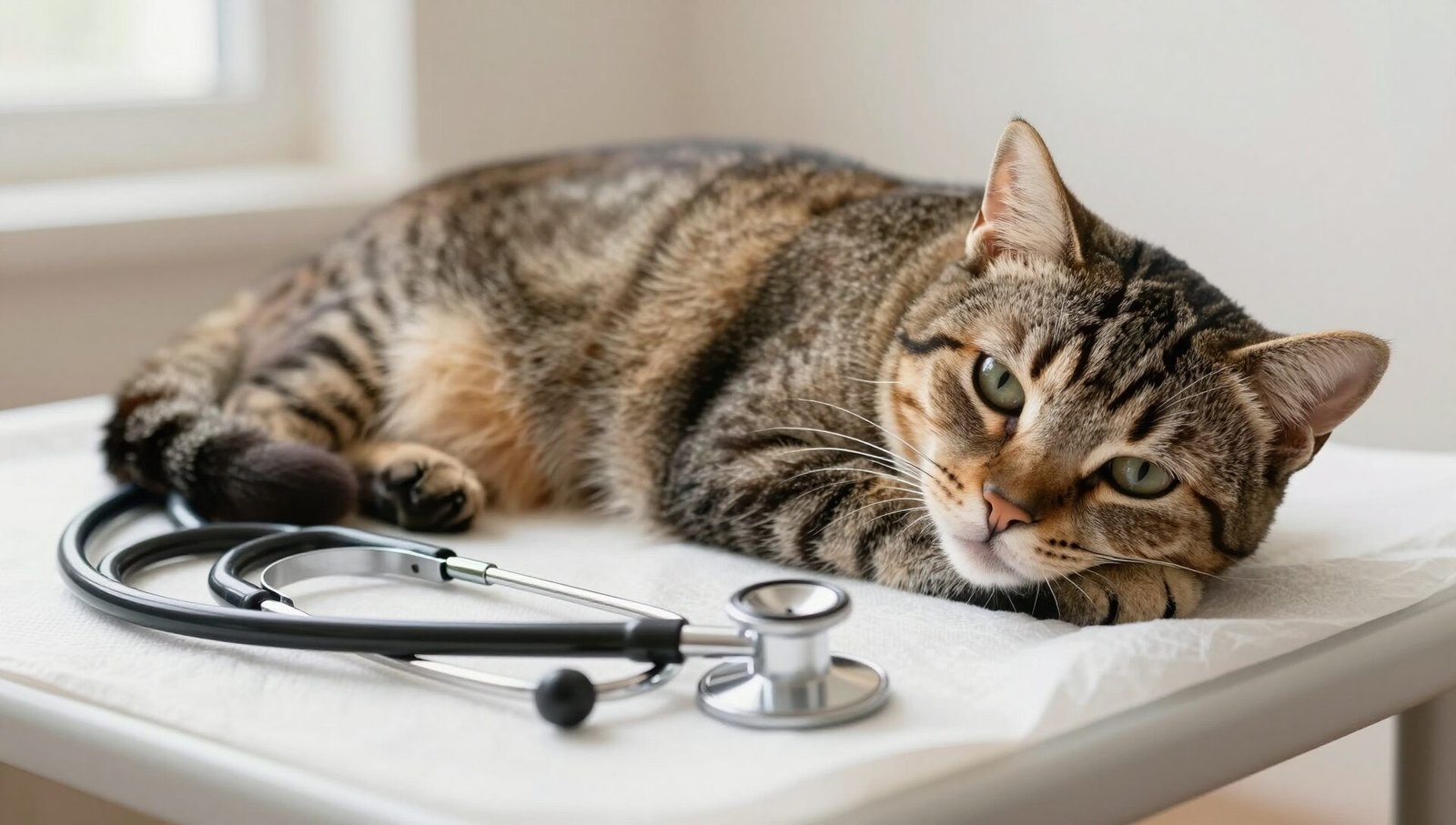
As a responsible owner, you must ensure your breeder has tested the parents for HCM. Another condition to watch for is Polycystic Kidney Disease (PKD). Regular vet check-ups are non-negotiable. I always recommend getting pet insurance as soon as you bring your kitten home; vet bills in the UK can add up quickly if a chronic condition develops.
Another unique quirk of the breed is their slow maturation. While a domestic shorthair might reach full size in a year, a Ragdoll can take up to three or four years to fully mature. This means you have a “kitten” for much longer, both in size and in behaviour. They are large cats, with males often weighing between 10 to 20 pounds, so their joints and bones need support through proper nutrition.
Diet and Feline Nutrition
Speaking of nutrition, feeding a Ragdoll isn’t quite the same as feeding a smaller breed. Because they are muscular and large, they require a high-protein diet to maintain their physique. You want to look for foods where real meat (chicken, turkey, salmon) is the first ingredient, not fillers like corn or wheat.
In my experience, a mix of wet and dry food works best for a Ragdoll cat seal point mitted. Wet food is excellent for hydration—crucial for preventing urinary tract issues—and mimics the moisture content of a natural prey diet. Dry kibble is great for dental health and can be left out for grazing, though you need to be careful not to overfeed them.
Ragdolls can be prone to weight gain because of their laid-back nature. They aren’t as active as Bengals or Abyssinians, so they won’t burn off extra calories by running laps around the house. Measuring their food is essential. I learned this the hard way with my own cat, who managed to look so fluffy that I didn’t notice the extra weight until the vet pointed it out!
Grooming Their Luxurious Coat
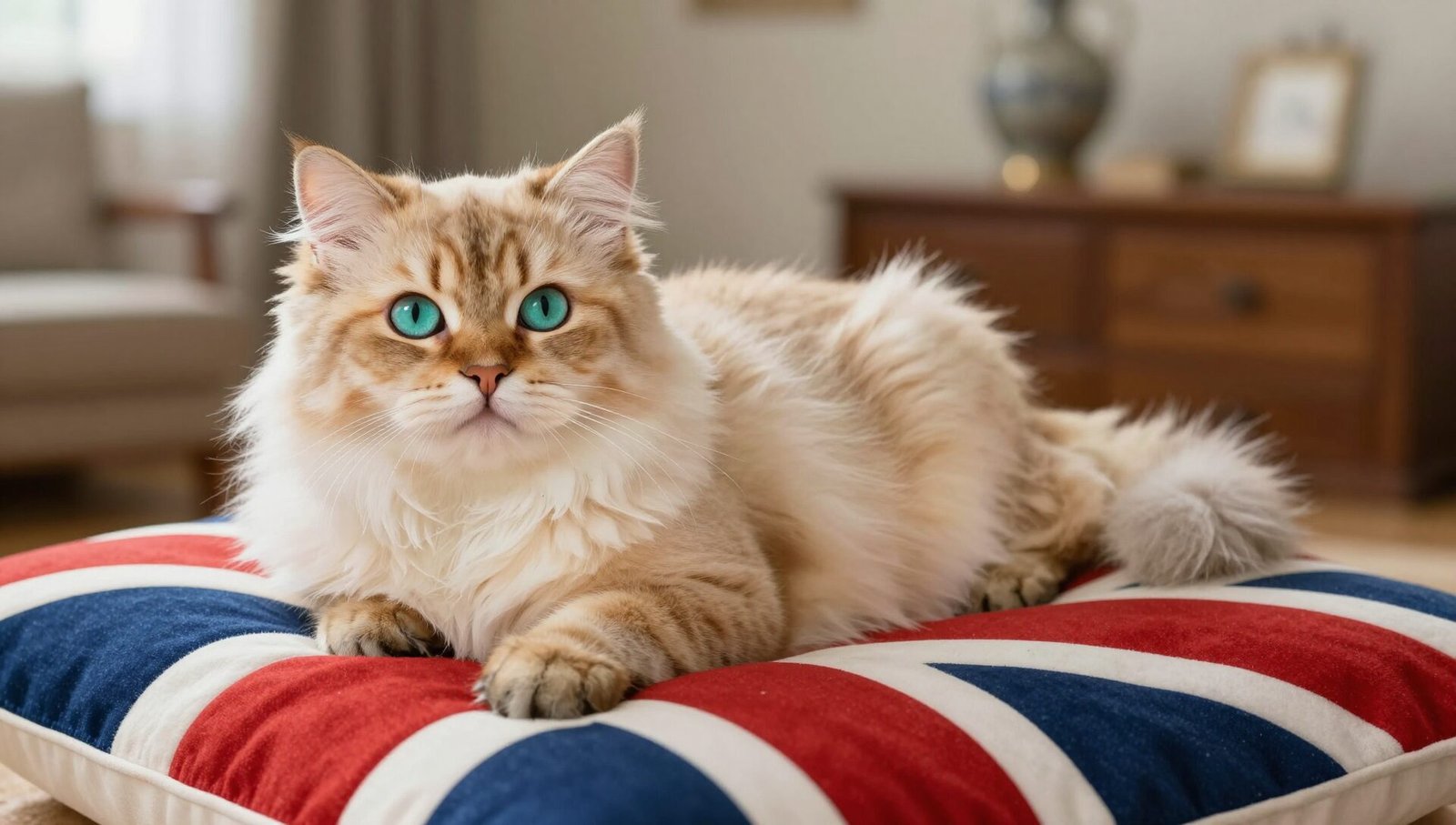
The coat of a Ragdoll cat seal point mitted is truly breathtaking. It is semi-longhair, silky, and lacks the dense undercoat found in breeds like Persians. This is actually a huge bonus for owners. Because they lack that woolly undercoat, they are significantly less prone to matting.
That said, “less prone” doesn’t mean “immune.” You should aim to brush your Ragdoll at least twice a week. I find that a stainless steel comb works wonders for getting through the longer fur on their “trousers” (the back legs) and their chest. Most Ragdolls actually enjoy the grooming process; it’s just another form of bonding and attention for them.
Bathing is rarely necessary unless they have gotten into something messy. However, you will need to keep an eye on their eyes and ears. The seal point colouring can sometimes make tear staining more visible, so a gentle wipe with a damp cloth keeps their face looking pristine. Nail trimming is also a regular necessity, especially since they are indoor cats and won’t wear their claws down naturally.
Training and Enrichment
Never underestimate the intelligence of a Ragdoll. They are highly trainable, which is fantastic for mental stimulation. Because they are so food-motivated and eager to please, positive reinforcement works like a charm. You can teach them to sit, high-five, and even come when called.
However, because they are indoor cats by nature, enrichment is vital to prevent boredom. A bored Ragdoll is a sad Ragdoll. You don’t need to spend a fortune on cat toys; often, a crinkly ball or a feather wand is enough to get them moving.
I highly recommend “puzzle feeders” for the Ragdoll cat seal point mitted. These make the cat work for their food, stimulating their hunting instincts without them ever having to set foot outside. Vertical space is also important. While they aren’t the most agile climbers, they enjoy surveying their kingdom from a sturdy cat tree. Just make sure the tree is stable—remember, these are heavy cats!
Indoor vs Outdoor Care
In the UK, the debate about indoor vs outdoor cats is ongoing, but for a Ragdoll cat seal point mitted, the answer is pretty clear: they should be indoor cats. There are two main reasons for this. First, their value and striking appearance make them a target for theft. Sadly, purebred cats are often stolen from gardens.
Second, and more importantly, they lack “street smarts.” Their docile, floppy nature means they often won’t defend themselves against other cats or predators. They also have a very high pain threshold, meaning they might not react quickly enough to danger. They are simply too gentle for the rough-and-tumble world outside.
If you want to give them some fresh air, consider building a “catio” (a secure cat patio) or training them to walk on a harness. Yes, harness training a Ragdoll is totally doable! Start when they are young, use a lightweight harness, and let them lead. It’s a great way to let them experience the outdoors without the risks.
Living with a Seal Point Mitted Ragdoll
Bringing a Ragdoll cat seal point mitted into a busy family home is usually a recipe for success. They are fantastic with children because they tolerate handling well and are not aggressive. They are also generally great with other cats and even dogs, provided the introductions are done slowly and correctly.
One thing to note is that they can be vocal, but not in a loud, annoying way. They have a soft, chirpy voice and will “talk” to you when it’s dinner time or when they want attention. It’s incredibly endearing. Litter training is usually a breeze with this breed; they are naturally clean and fastidious. Just ensure you have a large litter box—standard sizes can be a bit cramped for a 15-pound cat!
They do have a scratching instinct, so invest in a good scratching post immediately. If you don’t provide an outlet, your sofa might become the victim. Sisal posts are usually the favourite. Patience is key here; if they scratch the furniture, gently redirect them to the post and reward them when they use it.
Pros and Cons of Ownership
To help you decide if this is the right breed for you, let’s break down the advantages and disadvantages.
| Pros | Cons |
|---|---|
| Incredibly affectionate: They bond deeply with owners and love cuddles. | High maintenance coat: Requires regular brushing to prevent tangles. |
| Good with families: Tolerant of children and other pets. | Prone to health issues: Risk of HCM and PKD requires vigilance and insurance. |
| Striking appearance: The seal point mitted pattern is visually stunning. | Indoor only: Cannot be left to roam outside safely. |
| Intelligent: Can be trained to do tricks and walk on a lead. | Separation anxiety: They hate being left alone for long periods. |
| Dog-like personality: Playful, loyal, and follows you around. | Cost: High initial purchase price and potential vet costs. |
Buying vs Adoption
If you are looking to buy a Ragdoll cat seal point mitted, be prepared for the price tag. In the UK, a pedigree kitten can range from £800 to over £2,000 depending on the bloodline. Always look for breeders registered with TICA, GCCF, or FIFe. These registries ensure ethical breeding practices.
A good breeder will let you see the mother with the kittens, provide a health contract, and have the kittens vaccinated and microchipped. Avoid “bargain” kittens on social media sites; if a deal looks too good to be true, it probably is.
Alternatively, check breed-specific rescues. While finding a specific Ragdoll cat seal point mitted in a shelter is rare, it is not impossible. Older cats often end up in rescue and are just as loving, if not more so, than kittens.
Frequently Asked Questions
What is the difference between a Ragdoll cat seal point mitted and a colourpoint? The main difference lies in the white markings. A Ragdoll cat seal point mitted has white “mittens” on its paws, a white chin, and often a white belly stripe. A colourpoint Ragdoll has no white markings at all; their points are a solid, continuous colour down to the paw pads.
How big do Ragdoll cat seal point mitted cats get? They are one of the largest domesticated cat breeds. Males can weigh between 10 to 20 pounds (4.5 to 9 kg), while females are slightly smaller, typically weighing between 8 to 15 pounds (3.6 to 6.8 kg). They can reach a length of up to 3 feet including their tail.
Do Ragdoll cats shed a lot? Yes, they do shed. Because they have a semi-long coat, you will find fur on your clothes and furniture. Regular brushing (at least twice a week) helps manage the shedding and keeps their coat healthy. They tend to shed more heavily during the spring and autumn.
Are Ragdoll cats hypoallergenic? No, there is no such thing as a truly hypoallergenic cat. While some people find they react less to Ragdolls, they still produce the Fel d 1 protein in their saliva and skin, which triggers allergies. If you have allergies, spend time with the breed before committing to ownership.
Why is my Ragdoll cat seal point mitted so vocal? Ragdolls are known for being communicative, but they usually have a soft, chirpy meow rather than a loud yowl. They often “talk” to greet you, ask for food, or invite you to play. If your cat becomes excessively vocal, it could be a sign of stress or illness, so a vet check is advisable.
Can I let my Ragdoll cat seal point mitted outside? It is strongly advised against letting them roam freely outside. Their trusting nature makes them vulnerable to theft, traffic, and other animals. A secure catio or supervised harness walks are the safest ways to let them enjoy the outdoors.
Conclusion
Owning a Ragdoll cat seal point mitted is a truly rewarding experience. They bring a unique combination of beauty, grace, and affectionate companionship that few other breeds can match. While they do require a commitment to grooming, diet, and indoor safety, the love they give back is immeasurable. If you are looking for a gentle giant to complete your family, this stunning cat might just be your perfect match.