If you’ve ever shared your home with a cat — or even just been head-butted by a friendly tabby at the local rescue centre — you’ll know that our feline companions are both tough and surprisingly fragile. They can leap from the top of a wardrobe with Olympic grace, yet one tiny virus can knock them sideways for good. That’s the nature of Feline Leukaemia Virus, or FeLV, and if you’re a cat owner in the UK, this is something you really need to understand.
I’ll be honest — when I first heard about FeLV years ago, I thought it was rare and unlikely to affect my indoor moggie. But the more I learned, the more I realised just how important it is to be clued up, whether your cat roams the garden or spends their days on the windowsill judging passers-by.
In this guide, I’m going to walk you through everything I wish I’d known earlier. We’ll cover what Feline Leukaemia Virus actually is, how it spreads, the symptoms to look out for, and — crucially — how you can protect your beloved pet. Whether you’ve got a new kitten or you’re caring for a senior cat, this article is packed with practical advice for real cat owners.
So, grab a cuppa, settle in (preferably with a cat on your lap), and let’s talk about one of the most significant feline diseases out there. 🐱
What Exactly Is Feline Leukaemia Virus?
Let’s start at the beginning. Feline Leukaemia Virus is a retrovirus that infects cats. It’s one of the most common and serious infectious diseases in the feline world, and it’s been recognised for decades. In the UK, it remains a real concern — particularly for outdoor cats, multi-cat households, and rescue animals.
FeLV works by inserting its genetic material into the cat’s own cells. This means it can disrupt normal cell function, damage the immune system, and interfere with the production of red blood cells. The result? A cat that’s vulnerable to all sorts of secondary infections, anaemia, and — in some cases — certain cancers like leukaemia and lymphoma.
Now, here’s something important: not every cat exposed to FeLV will become permanently infected. Around one in three cats that come into contact with the virus will go on to develop a persistent infection. Others may fight it off and develop immunity. Kittens and younger cats are far more susceptible than adults, whose immune systems are generally better equipped to handle the virus.
It’s worth noting that FeLV is species-specific. It only affects cats — it cannot be passed to dogs, humans, or any other animals. So if you’ve got a multi-pet household, you can breathe a small sigh of relief on that front.
Understanding what this virus does on a biological level is the first step to protecting your cat. And trust me, knowledge really is power when it comes to cat health.
How Does FeLV Spread Between Cats?
One of the most common questions I hear from fellow cat owners is: “How does my cat even catch this?” It’s a fair question, and the answer lies in understanding how cats interact with one another.
FeLV is primarily spread through close, prolonged contact with an infected cat. The virus is present in saliva, nasal secretions, urine, faeces, and even milk from an infected mother. The most common route of transmission is through mutual grooming — you know, that lovely thing cats do where they lick each other’s faces until one of them gets annoyed and walks off. Sharing food and water bowls is another major risk factor.
Here’s a quick breakdown of transmission routes:
- Salvia — mutual grooming, shared bowls, bite wounds
- Urine — shared litter trays
- Nasal secretions — sneezing, close face-to-face contact
- Milk — mother to kitten during nursing
- Mating — sexual contact between cats
The virus doesn’t survive long outside the body, so casual environmental contact (like a cat walking through a garden where an infected cat has been) carries a much lower risk. But in multi-cat households, catteries, or areas with a high stray population, the risk goes up significantly.
This is why testing new cats before introducing them to your home is so important. I’ve made it a personal rule — any new cat gets a FeLV test before they even set a paw through the door. It’s just not worth the risk.
If you’re bringing home a kitten from a breeder, always ask if the parents have been tested. And if you’re adopting from a rescue, most reputable organisations in the UK will have already screened for FeLV. Always double-check, though.
Feline Leukaemia Virus Symptoms to Watch For
Here’s the tricky thing about Feline Leukaemia Virus: symptoms can be vague, intermittent, and easy to miss — especially in the early stages. Some cats may appear perfectly healthy for months or even years before problems start to show. Others may become unwell quite quickly.
The most common effects of FeLV fall into three broad categories:
1. Immune System Suppression This is the big one. FeLV destroys white blood cells, which are the body’s frontline defence against infection. If your cat keeps getting poorly — recurrent infections, slow wound healing, or illnesses that just won’t shift — FeLV could be a factor.
2. Anaemia When the virus damages the cells that produce red blood cells, your cat may develop anaemia. Signs include lethargy, pale gums, weakness, and a general lack of interest in life (even more so than a typical cat’s daily 18-hour nap schedule).
3. Cancer Some cats with FeLV develop leukaemia or lymphoma. Symptoms might include weight loss, loss of appetite, breathing difficulties, swollen lymph nodes, or a persistent cough.
Here’s a handy table of common symptoms:
| Symptom | What to Look For |
|---|---|
| Recurrent infections | Colds, eye infections, skin issues that keep returning |
| Lethargy | Unusual tiredness, reluctance to play or move |
| Pale gums | A sign of anaemia — check regularly |
| Weight loss | Gradual or sudden, without dietary changes |
| Loss of appetite | Refusing food for more than 24 hours |
| Swollen lymph nodes | Lumps around the jaw, armpits, or groin |
| Breathing issues | Open-mouth breathing, persistent cough |
If your cat shows any of these signs, please don’t wait. Book a vet appointment promptly. Early detection can make a real difference in managing the disease and keeping your cat comfortable.
How Is FeLV Diagnosed?
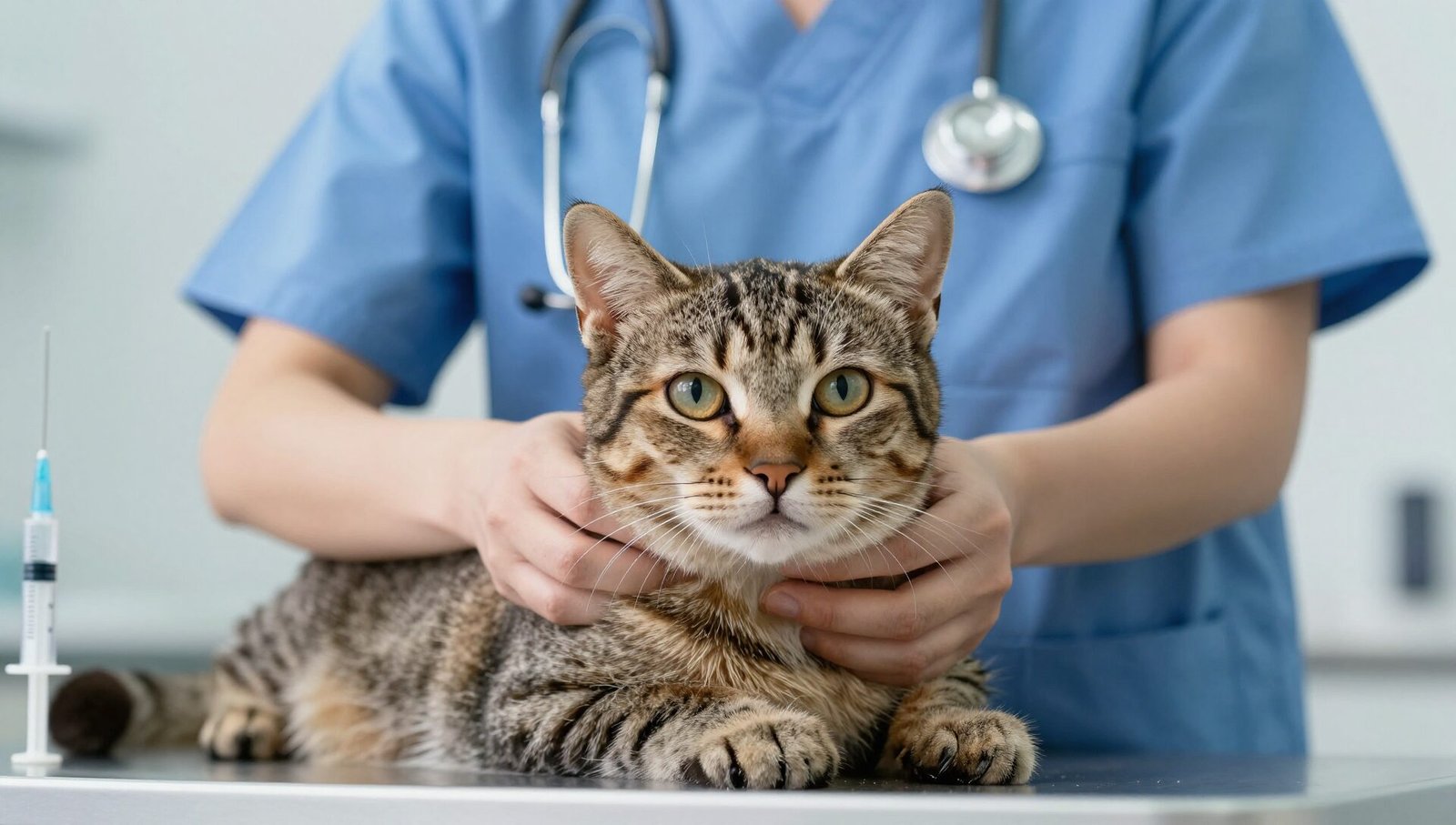
Getting a definitive diagnosis for FeLV usually involves a trip to the vet and a blood test. There are a few different types of tests available, and your vet will choose the most appropriate one based on your cat’s situation.
- ELISA (Enzyme-Linked Immunosorbent Assay): This is often the first test used. It detects the presence of the virus in the blood and can pick up both early and established infections. It’s commonly available as a quick in-practice test.
- IFA (Immunofluorescent Antibody): This test looks for the virus in white blood cells. It’s typically used to confirm an ELISA result and usually requires a sample to be sent to an external laboratory.
- PCR (Polymerase Chain Reaction): This detects the virus’s genetic material directly. It’s highly sensitive and can be useful in tricky cases.
One important thing: a single positive test doesn’t always mean permanent infection. Your vet will likely recommend retesting after 8–12 weeks, particularly if the initial result is positive but your cat appears healthy. Some cats can clear the virus in the early stages — a process known as “abortive infection.”
I remember the anxiety of waiting for test results when one of my cats had a scare. The vet was brilliant and explained everything clearly, which made a stressful situation much more manageable. If you’re going through this, don’t be afraid to ask your vet to explain things in plain English.
Regular testing is especially important if your cat goes outdoors or lives with other cats. It’s one of the simplest and most effective tools we have for protecting feline health.
Can Feline Leukaemia Virus Be Treated?
Let me be upfront: there is currently no cure for persistent FeLV infection. Once the virus establishes itself in a cat’s bone marrow, it remains for life. But that doesn’t mean a diagnosis is an automatic death sentence — far from it.
Treatment for cats with FeLV focuses on supportive care and managing complications. This might include:
- Treating secondary infections promptly with antibiotics or antiviral medications
- Vaccination against other diseases to reduce the burden on the immune system
- Blood transfusions in severe anaemia cases
- Chemotherapy or palliative care if lymphoma or leukaemia develops
- Nutritional support — high-quality, balanced diet to support overall health
- Stress reduction — keeping the cat’s environment calm and predictable
The prognosis varies significantly from cat to cat. Some cats with FeLV can live comfortably for several years with proper care, while others may deteriorate more quickly. Around 80% of persistently infected cats have a survival time of less than three years after diagnosis, according to veterinary data.
What I always tell fellow cat owners is this: a FeLV diagnosis means your cat needs more attentive care, not less love. Keep up with regular vet check-ups, monitor for any changes in behaviour or appetite, and create a safe, low-stress home environment.
Your vet is your best ally here. Work closely with them to build a care plan tailored to your cat’s needs.
Vaccination and Prevention Strategies
When it comes to FeLV, prevention is genuinely better than cure — especially since, as we’ve just discussed, there isn’t a cure.
The FeLV vaccine is widely available in the UK and is considered a “non-core” vaccine, meaning it’s recommended based on lifestyle and risk factors rather than being mandatory for all cats. The vaccine is approximately 80% effective at preventing infection when administered before exposure.
Here’s when vaccination is typically recommended:
- Kittens from around 8–9 weeks old, with a booster 3–4 weeks later
- Cats that go outdoors or have access to other cats
- Cats in multi-cat households where the FeLV status of all cats is unknown
- Rescue cats or those from uncertain backgrounds
Important note: Vaccinating a cat that is already infected with FeLV will not treat the virus. It’s purely a preventive measure for healthy cats.
Beyond vaccination, here are some practical prevention tips:
- Test all new cats before introducing them to your household
- Keep FeLV-positive cats indoors and separated from uninfected cats
- Neuter infected cats to prevent transmission through mating and to kittens
- Don’t share food bowls, litter trays, or bedding between infected and uninfected cats
- Clean and disinfect shared spaces regularly (the virus doesn’t survive long outside the body, but good hygiene never hurts)
I’m a big advocate for the FeLV vaccine, particularly for kittens. It’s a simple, relatively inexpensive step that offers significant peace of mind. Talk to your vet about whether it’s right for your cat.
Living with a FeLV-Positive Cat
So, what happens if your cat does test positive for FeLV? First of all, take a breath. It’s scary, I know, but it’s not the end of the road.
Living with a FeLV-positive cat requires some adjustments, but many cats with the virus can enjoy a good quality of life for months or even years with the right care. Here are some key things to keep in mind:
Keep them indoors. This protects other cats from infection and also shields your FeLV-positive cat from outdoor pathogens their weakened immune system may struggle to fight.
Separate from uninfected cats. If you have a multi-cat household, you’ll need to keep your FeLV-positive cat separate from negative cats. This might mean separate rooms, separate resources, and careful management. In some cases, rehoming to a single-cat household may be the kindest option for everyone.
Focus on nutrition. A high-quality, balanced diet supports immune function. Avoid raw food, as the weakened immune system may not handle foodborne pathogens well.
Vet visits — and lots of them. Regular check-ups (at least every six months) are essential. Your vet will monitor for secondary infections, anaemia, and any signs of cancer.
Enrichment matters. A happy cat is a healthier cat. Provide plenty of toys, climbing opportunities, scratching posts, and interactive playtime. Mental stimulation is just as important as physical health.
One of the most emotionally difficult aspects of living with a FeLV-positive cat is knowing that the long-term outlook is often poor. Around 80% of persistently infected cats don’t survive beyond three years. But I firmly believe that quality of life matters more than quantity, and with love, care, and veterinary support, your cat can still have wonderful days ahead.
Indoor vs Outdoor Cats: What’s the FeLV Risk?
This is a topic close to my heart, because the indoor vs outdoor debate is one of the most heated in the UK cat-owning community. But when it comes to Feline Leukaemia Virus, the evidence is pretty clear.
Outdoor cats are at significantly higher risk of FeLV exposure. They encounter other cats — strays, neighbours’ cats, ferals — and the opportunities for close contact (grooming, fighting, mating) are much greater.
Indoor cats are at much lower risk, but they’re not completely immune. If you bring a new cat into the home without testing, or if an indoor cat escapes and has contact with an infected cat, the risk exists.
Here’s a comparison:
| Factor | Indoor Cats | Outdoor Cats |
|---|---|---|
| FeLV exposure risk | Low | High |
| Contact with unknown cats | Minimal | Frequent |
| Need for FeLV vaccine | Lower (but still recommended) | Higher |
| Testing importance | Important for new additions | Essential — regular testing advised |
For UK cat owners, the safest approach is a balanced one. If your cat goes outdoors, ensure they’re vaccinated, tested regularly, and neutered. If they’re indoor-only, test any new cats before introduction and keep up with routine vet visits.
I’ve always been a fan of catios and enclosed outdoor spaces — they give your cat the stimulation of the outdoors without the risks. It’s a win-win for cat enrichment and safety.
The Pros and Cons of FeLV Vaccination
Like any medical decision, vaccinating against FeLV comes with both benefits and considerations. Here’s an honest breakdown:
Pros:
- Highly effective (~80%) at preventing infection
- Widely available across UK veterinary practices
- Particularly important for kittens and at-risk cats
- Relatively affordable compared to treating FeLV complications
- Safe, with minimal side effects for most cats
Cons:
- Not 100% effective — some vaccinated cats can still become infected
- Requires initial course plus boosters
- Not necessary for every cat (low-risk indoor cats may not need it)
- Rare side effects include injection-site reactions or mild lethargy
- Does not help cats already infected with FeLV
My personal take? If there’s any chance your cat will come into contact with other cats — and let’s face it, most UK cats do at some point — vaccination is a sensible precaution. It’s not perfect, but it’s one of the best tools we have.
Have an honest conversation with your vet about your cat’s lifestyle, environment, and risk factors. They’ll help you make the right call.
Frequently Asked Questions
How long can a cat live with Feline Leukaemia Virus?
The survival time varies significantly. Some cats live for several years with proper supportive care, while others may decline more quickly. On average, around 80% of persistently infected cats survive less than three years after diagnosis. Regular vet care, a good diet, and a stress-free environment can improve quality and length of life.
Can indoor cats get Feline Leukaemia Virus?
Yes, though the risk is much lower. Indoor cats can be exposed through contact with an infected cat introduced to the household, or if they escape outdoors. Testing new cats before introduction and keeping up with vaccinations are the best preventive measures for indoor cats.
Is Feline Leukaemia Virus contagious to humans or dogs?
No. FeLV is species-specific and only affects cats. It cannot be transmitted to dogs, humans, or any other animals. If you have a multi-pet household with dogs, you don’t need to worry about cross-species transmission.
Should I vaccinate my kitten against FeLV?
If there’s any chance your kitten will come into contact with other cats — through outdoor access, cattery stays, or multi-cat living — then yes, vaccination is strongly recommended. Kittens are especially vulnerable to FeLV, and early vaccination (from around 8–9 weeks) offers the best protection.
Can a cat recover from Feline Leukaemia Virus?
Some cats can clear the virus in the early stages of exposure, known as abortive infection. However, once a cat becomes persistently infected, the virus remains for life. There is no cure, but supportive treatment can help manage symptoms and maintain quality of life.
What’s the difference between FeLV and FIV?
FeLV (Feline Leukaemia Virus) and FIV (Feline Immunodeficiency Virus) are both retroviruses that affect cats, but they’re different diseases. FeLV is more commonly transmitted through casual contact (grooming, shared bowls), while FIV is primarily spread through bite wounds. Both suppress the immune system, but they require different testing, management, and prevention strategies.
Final Thoughts on Feline Leukaemia Virus
If there’s one thing I want you to take away from this article, it’s this: Feline Leukaemia Virus is serious, but it’s manageable — and in many cases, preventable.
We’ve covered a lot of ground here. From understanding what FeLV is and how it spreads, to recognising symptoms, exploring treatment options, and weighing up the pros and cons of vaccination. The key themes are simple:
- Test new cats before introducing them to your home
- Vaccinate kittens and at-risk cats
- Monitor your cat for any changes in health or behaviour
- Act quickly if something doesn’t seem right — early detection matters
- Provide love and care — even cats with FeLV can have happy, comfortable lives
Being a cat owner means being their advocate, their protector, and their biggest fan. Whether your cat is a boisterous kitten or a dignified old moggie, understanding diseases like FeLV is part of giving them the best life possible.
If you’re worried about your cat’s health or think they may have been exposed to FeLV, speak to your vet. They’re the experts, and they’re there to help.
Stay informed, stay proactive, and keep giving your cat the wonderful life they deserve. 🐾
Content informed by veterinary sources including Vetstream’s Vetlexicon Felis and UK feline health guidelines. Always consult your veterinarian for advice specific to your cat.