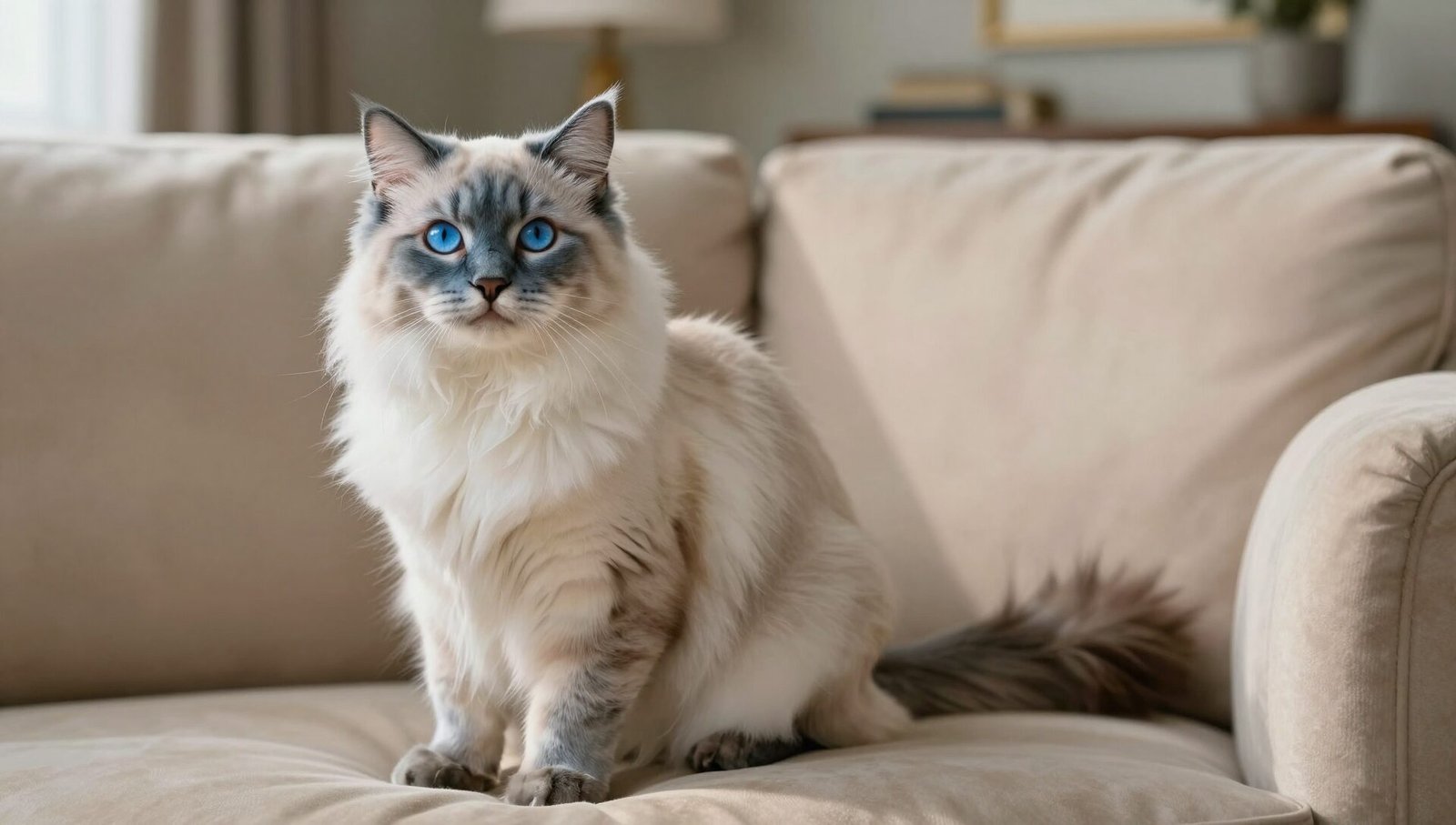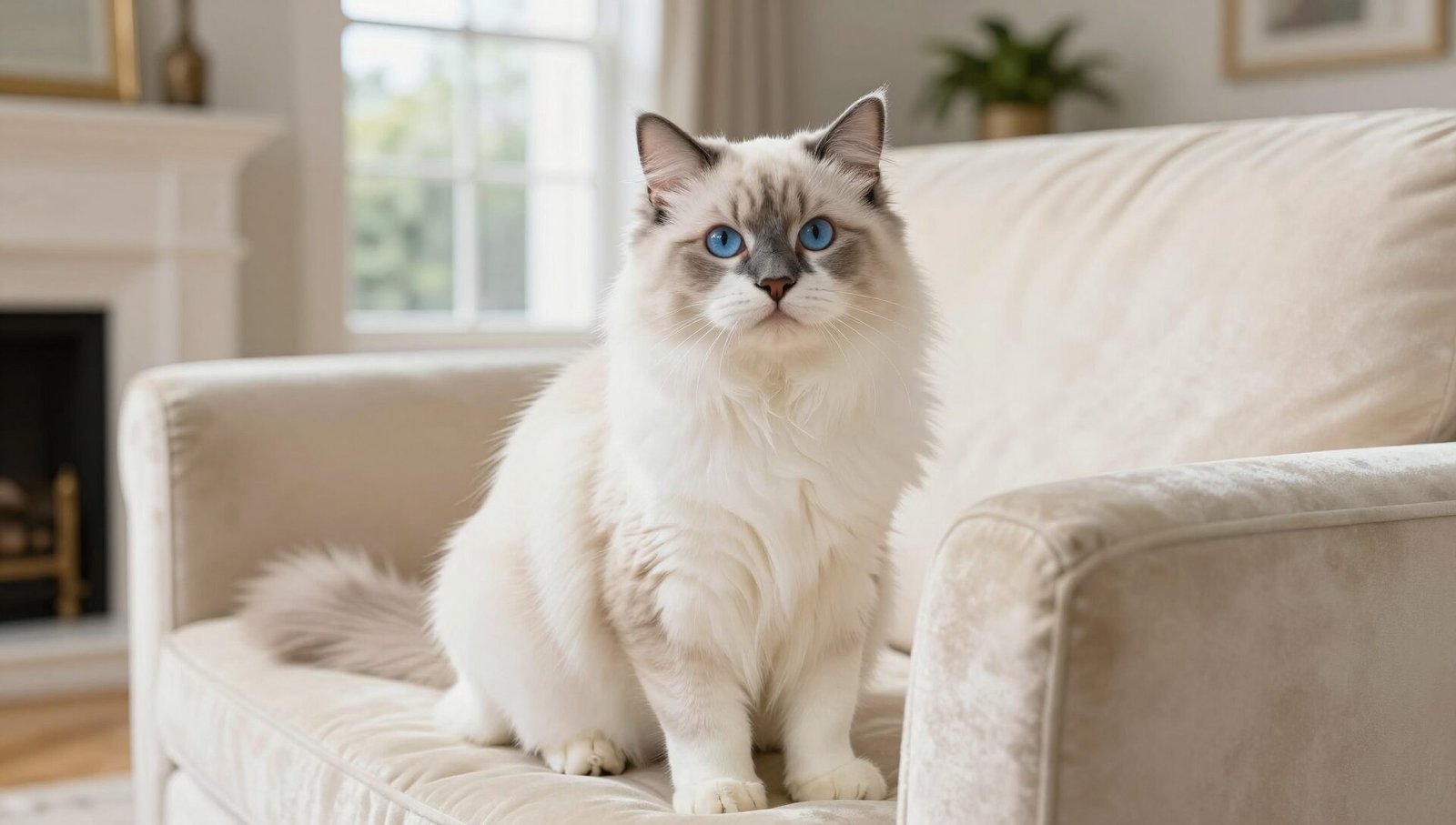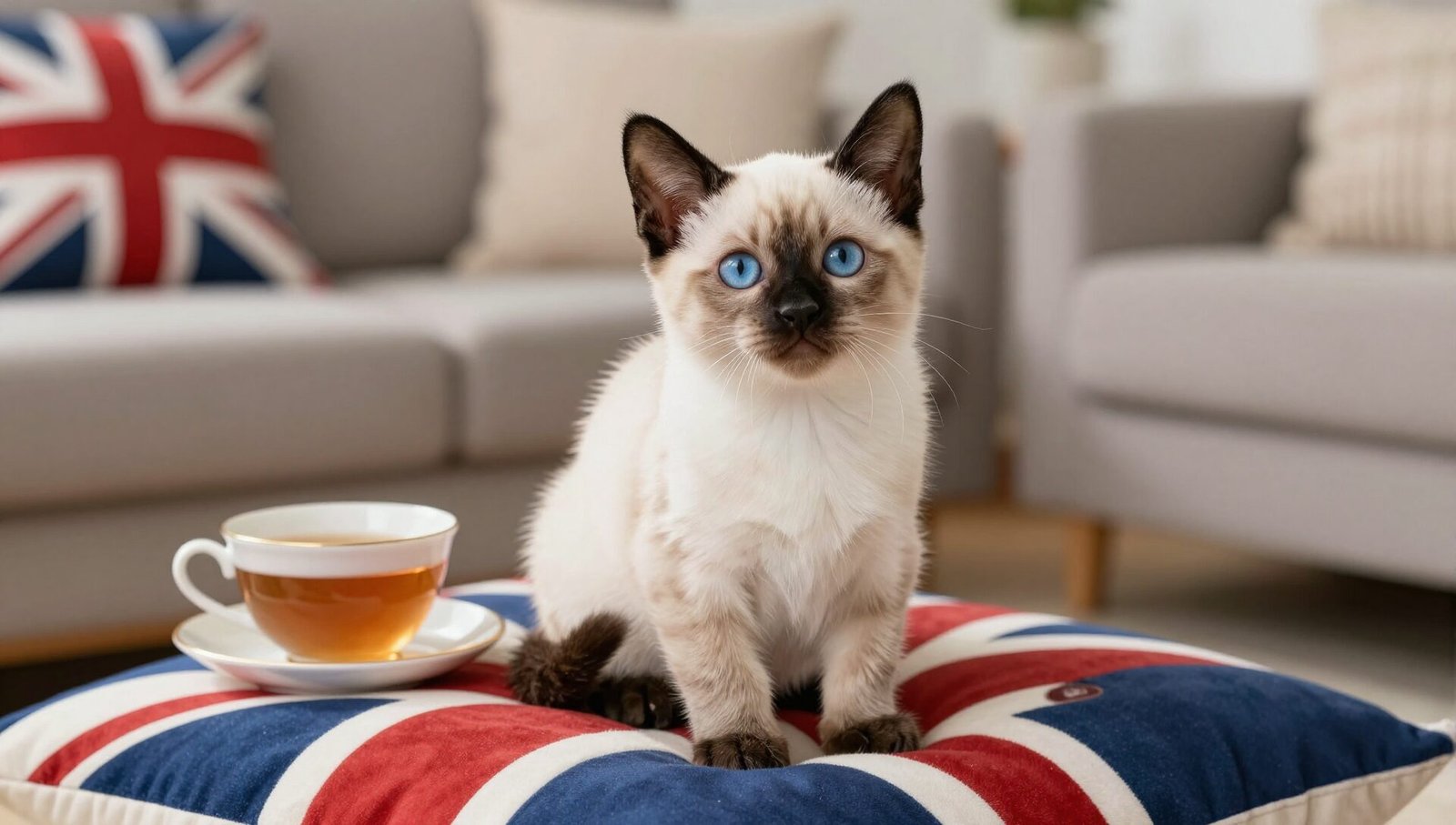
So, you’ve fallen for those dazzling blue eyes and those little white “boots,” haven’t you? You are probably scouring the internet looking for a snowshoe siamese for sale, captivated by their striking markings and the promise of a chatty, loyal companion. I don’t blame you one bit. As a feline care specialist, I can tell you that the Snowshoe is one of the most charismatic—and occasionally stubborn—breeds you will ever have the pleasure of sharing a home with.
But before you hand over that deposit, there is a mountain of information you need to digest. Getting a cat is a massive commitment, and this specific breed has quirks that can catch a first-time owner off guard. Whether you are concerned about their dietary needs, their grooming routine, or simply how to find a reputable breeder, you have come to the right place. In this comprehensive guide, we will walk through everything you need to know about owning this “Silver Lace” beauty, ensuring you are fully prepared for the pitter-patter of those white paws. Let’s dive in!
What Exactly Is a Snowshoe Siamese?
Contrary to popular belief, the Snowshoe isn’t just a Siamese with a funny nickname. This is a distinct breed that originated in the United States in the 1960s. A breeder in Philadelphia discovered three kittens with white feet in a litter of standard Siamese cats and decided to develop this look into a separate line. They are often called the “Silver Lace” due to the elegance of their pattern.
Physically, they are a powerhouse wrapped in silk. Unlike the slender, tubular body of a traditional Siamese, the Snowshoe has a more robust, muscular build—thanks to their American Shorthair heritage. They possess the classic “V” shape on their face and those brilliant blue eyes that can melt the coldest heart.
- Coat: Short, single coat (no undercoat), meaning less matting.
- Markings: Pointed pattern (like Siamese) combined with white “gloves” on the paws.
- Size: Medium to large, with males often being larger than females.
They are a rare breed, largely because their markings are genetically difficult to breed to “show standard.” If you see a litter advertised, ensure the breeder understands the genetics, as those white paws are the result of a recessive gene.
Temperament: The Velcro Cat
If you are looking for a cat that will greet you at the door, follow you to the loo, and “help” you type on your laptop, the Snowshoe is your spirit animal. They are the definition of a “Velcro cat.” These felines do not do well with isolation; they crave human interaction and can become quite vocal—sometimes even loud—when they feel ignored.
I once owned a Snowshoe named Pippin who would howl the house down if I was five minutes late with dinner. They are intelligent, mischievous, and incredibly loyal.
- Sociability: Excellent with children and other pets, including dogs, provided introductions are slow.
- Intelligence: High. They can be trained to fetch, walk on a lead, and open doors (yes, really).
- Vocalisation: Moderate to high. They are “talkers,” but usually, their voice is softer and less raspy than a standard Siamese.
Practical Tip: If you work long hours outside the home, consider getting two. A lonely Snowshoe is a destructive Snowshoe.
Health & Lifespan: Keeping Them Fit
Good news for UK pet owners: the Snowshoe is generally a robust and healthy breed. Because they are a cross between Siamese and American Shorthairs, they have a diverse gene pool, which often reduces the risk of severe genetic defects. You can expect your furry friend to live anywhere from 14 to 20 years with proper care.
However, no breed is entirely bulletproof. You need to keep an eye on the following:
- Kinked Tails & Crossed Eyes: These are cosmetic “faults” carried over from their Siamese ancestors. They rarely affect the cat’s quality of life, but show-standard breeders will try to eliminate them.
- Respiratory Issues: Like many blue-eyed breeds, they can occasionally be prone to upper respiratory infections, especially as kittens.
- Obesity: Because they are muscular, it can be hard to tell when a Snowshoe is putting on weight until it’s too late. Regular vet check-ups are non-negotiable.
Vet Visits: Get them insured immediately. In the UK, vet bills can be astronomical, and given that Snowshoes are prone to jumping from high places (they think they are invincible), insurance is a lifesaver.
Diet & Nutrition: Fueling the Furry Ferrari
You wouldn’t put cheap fuel in a sports car, so don’t skimp on your Snowshoe’s diet. These cats are active and muscular; they need a high-protein diet to maintain that sleek physique.
What to Feed: I advocate for a mix of wet and dry food. Wet food provides hydration (crucial for preventing kidney issues later in life), while dry food helps keep their teeth clean.
| Food Type | Pros | Cons |
|---|---|---|
| Dry Kibble | Convenient, good for teeth, affordable. | Low moisture content, can lead to weight gain. |
| Wet Food | High moisture, palatable, closer to natural diet. | Expensive, spoils quickly, bad for teeth if used alone. |
| Raw Diet | Natural, high protein, excellent coat health. | Risk of bacteria, requires prep time, can be costly. |
Dealing with Picky Eaters: Snowshoes can be surprisingly fussy. If your kitten turns their nose up at a new food, don’t panic. Try warming the wet food slightly in the microwave (10 seconds max) to release the aroma. If they still refuse, it might just be a texture preference. My old Snowshoe would only eat pâté, not chunks in gravy. Go figure.
Grooming & Maintenance
One of the joys of owning a Snowshoe is their low-maintenance coat. Because they have a single, short coat with no undercoat, they rarely mat or tangle. You won’t need a professional groomer every month, which is a nice break for the wallet.
- Brushing: A quick brush once a week with a rubber curry brush or grooming mitt is plenty. This removes loose hair and distributes natural oils.
- Nails: Trim every two weeks. Start this routine early when they are kittens so they get used to it.
- Ears & Teeth: Check ears weekly for wax build-up. Brush their teeth daily if you can manage it; dental disease is rampant in older cats.
The “Zoomies” Factor: Be prepared for the wet-paw look. Snowshoes love water more than most cats. Don’t be surprised if they join you in the shower or try to “fish” in their water bowl. Keep your toilet lids down!
Indoor vs. Outdoor Living
In the UK, the indoor vs. outdoor debate is fierce. However, for a Snowshoe, I strongly lean towards keeping them as indoor-only cats or providing a secure “catio.”
Why? Two reasons:
- Theft: These cats are expensive and incredibly friendly. They will walk up to a stranger and ask for a cuddle. This makes them prime targets for dognappers… or rather, cat-nappers.
- Traffic: Their curiosity often outweighs their road sense.
Indoor Enrichment: If you keep them inside, you must provide stimulation. A bored Snowshoe will redecorate your curtains with their claws.
- Cat Trees: Essential for vertical space.
- Window Perches: They love “cat TV” (watching birds).
- Interactive Toys: Puzzle feeders and laser pointers are great for mental agility.
Finding a Snowshoe Siamese for Sale: Buyer’s Guide
Now for the main event: actually finding a snowshoe siamese for sale. Because the breed is rare, you won’t find them in shelters often, and you certainly won’t find them in pet shops.
The Cost: Be prepared to pay a premium. In the UK, a pedigree Snowshoe kitten can range from £600 to £1,000+.
Red Flags vs. Green Flags:
| Green Flags ✅ | Red Flags 🚩 |
|---|---|
| Breeder is GCCF or TICA registered. | Kittens available immediately with no waitlist. |
| Parents have been health tested (HCM, PKD). | Breeder won’t let you see the mother or home. |
| Kittens are raised inside the home. | Kittens are sold unvaccinated or un-microchipped. |
| Contract includes a spay/neuter clause for pets. | “Rare” colours advertised that don’t exist in the standard. |
Tip: Join the UK Snowshoe Cat Club. They have a list of reputable breeders and can put you on a waiting list. Good things come to those who wait!
Training & Enrichment
Snowshoes are the Border Collies of the cat world. They want to be trained. Litter training is usually a breeze; most breeders will have already started this process by the time the kitten is 8 weeks old.
Litter Training Mishaps: If your kitten has an accident, never shout at them. It’s usually a sign the box is dirty (they are fastidious) or in a noisy location. Place the box in a quiet corner.
Beyond the Box:
- Clicker Training: Use a clicker and high-value treats to teach tricks like “sit” or “high five.”
- Leash Walking: Many Snowshoes enjoy a walk in the garden on a harness. Start with a harness indoors so they get used to the weight and feel.
Scratching Behaviour: They love to scratch. It’s not malice; it’s biology. Provide both vertical and horizontal scratching posts made of sisal or cardboard. If they scratch the sofa, gently move them to the post and reward them when they use it.
Pros and Cons of Owning a Snowshoe
Let’s be honest, no breed is perfect. Here is a balanced view of what life with a Snowshoe really looks like.
The Good Stuff (Pros):
- Intelligence: They are easy to train and fun to play with.
- Affection: They bond deeply with their owners.
- Low Grooming: Minimal shedding and easy coat care.
- Sociability: Great with kids, dogs, and other cats.
- Health: Generally robust with a long lifespan.
The Challenging Stuff (Cons):
- Neediness: They hate being alone and can develop separation anxiety.
- Noise: They can be quite chatty, especially at 3 AM.
- Rarity: Hard to find and expensive to buy.
- Destructiveness: If bored, they will find trouble.
- Stubbornness: They know what they want and aren’t afraid to tell you.
Frequently Asked Questions
Are Snowshoe cats suitable for first-time owners?
Yes, but with a caveat. They are easy to care for in terms of grooming, but their high need for social interaction can be overwhelming for someone who has never owned a cat before. If you are prepared to give them lots of attention, they are fantastic.
How much does a Snowshoe cat cost in the UK?
Prices vary depending on the breeder and the lineage, but you should expect to pay between £600 and £1,000 for a kitten from a registered breeder. If the price seems too good to be true, it probably is.
Do Snowshoe cats like water?
Generally, yes! Many owners report their Snowshoes dipping paws in water bowls or even joining them in the bath. It’s a quirky trait inherited from their Siamese lineage.
Are Snowshoe cats hypoallergenic?
No cat is truly hypoallergenic. However, Snowshoes produce fewer allergens than heavy-shedding breeds because they have a single coat with no undercoat. If you have mild allergies, you might tolerate a Snowshoe better, but spend time with one first before committing.
Can I keep a Snowshoe cat in a flat?
Absolutely. They adapt very well to apartment living as long as they have vertical space (cat trees) and plenty of interactive play. They are active cats, so you need to tire them out mentally and physically.
What is the difference between a Snowshoe and a Siamese?
The most obvious difference is the white paws (“snowshoes”). Physically, Snowshoes have a more muscular, robust build, whereas Siamese cats are typically more svelte and angular. Temperament-wise, both are vocal and intelligent, but Snowshoes are often considered slightly more laid-back.
Conclusion: Is the Snowshoe Right for You?
Finding a snowshoe siamese for sale is the start of an incredible journey. These cats are not just pets; they are companions, comedians, and confidants wrapped in a beautiful tuxedo-like coat. They will demand your time, your lap, and occasionally your sanity (especially when they knock your favourite mug off the counter), but they will repay you tenfold with loyalty and love.
If you have the time, the budget, and the desire for a cat that is truly part of the family, the Snowshoe is a magnificent choice. Do your research, find a reputable breeder in the UK, and prepare your home for a whirlwind of energy and affection. You won’t regret it.