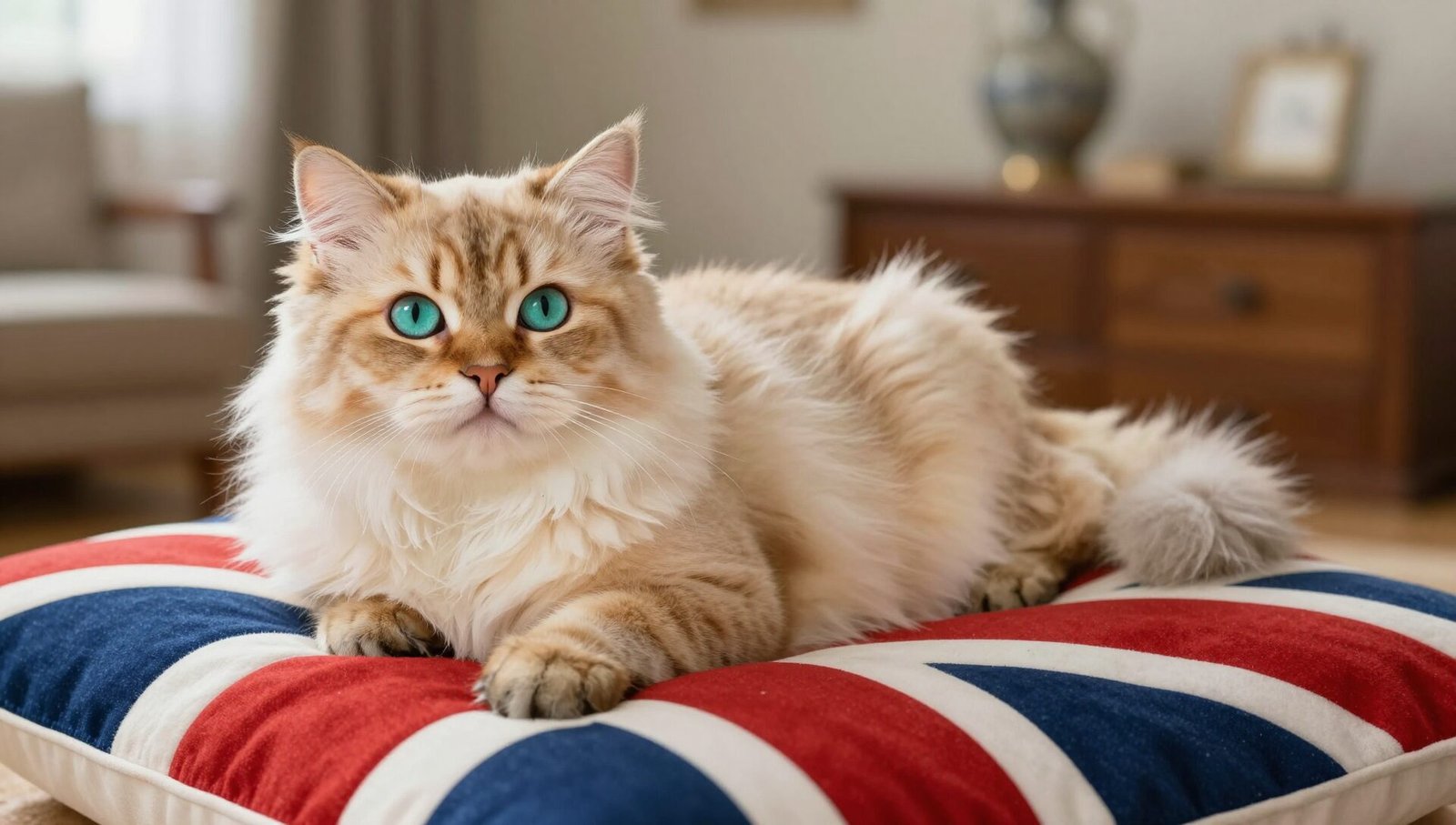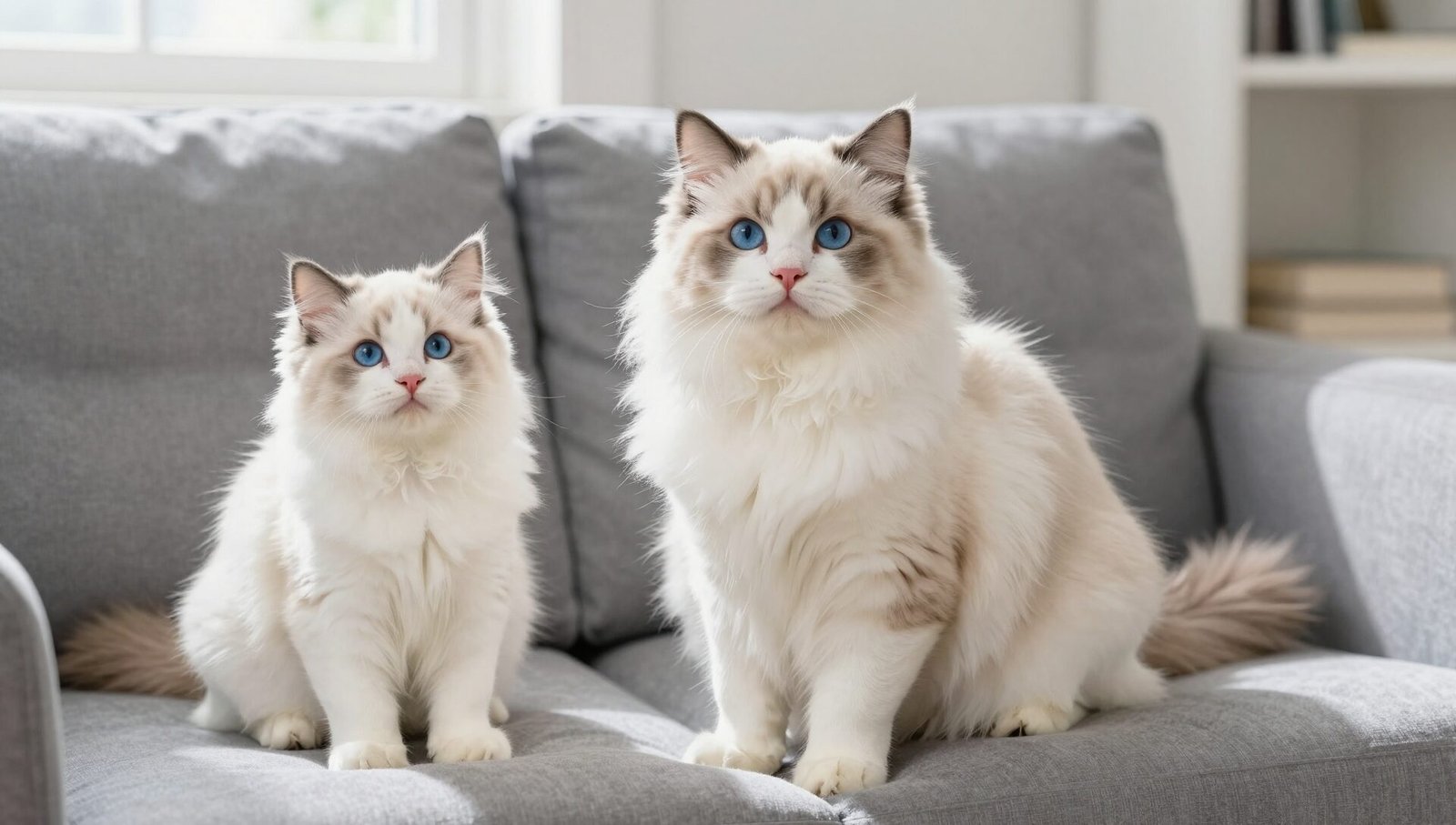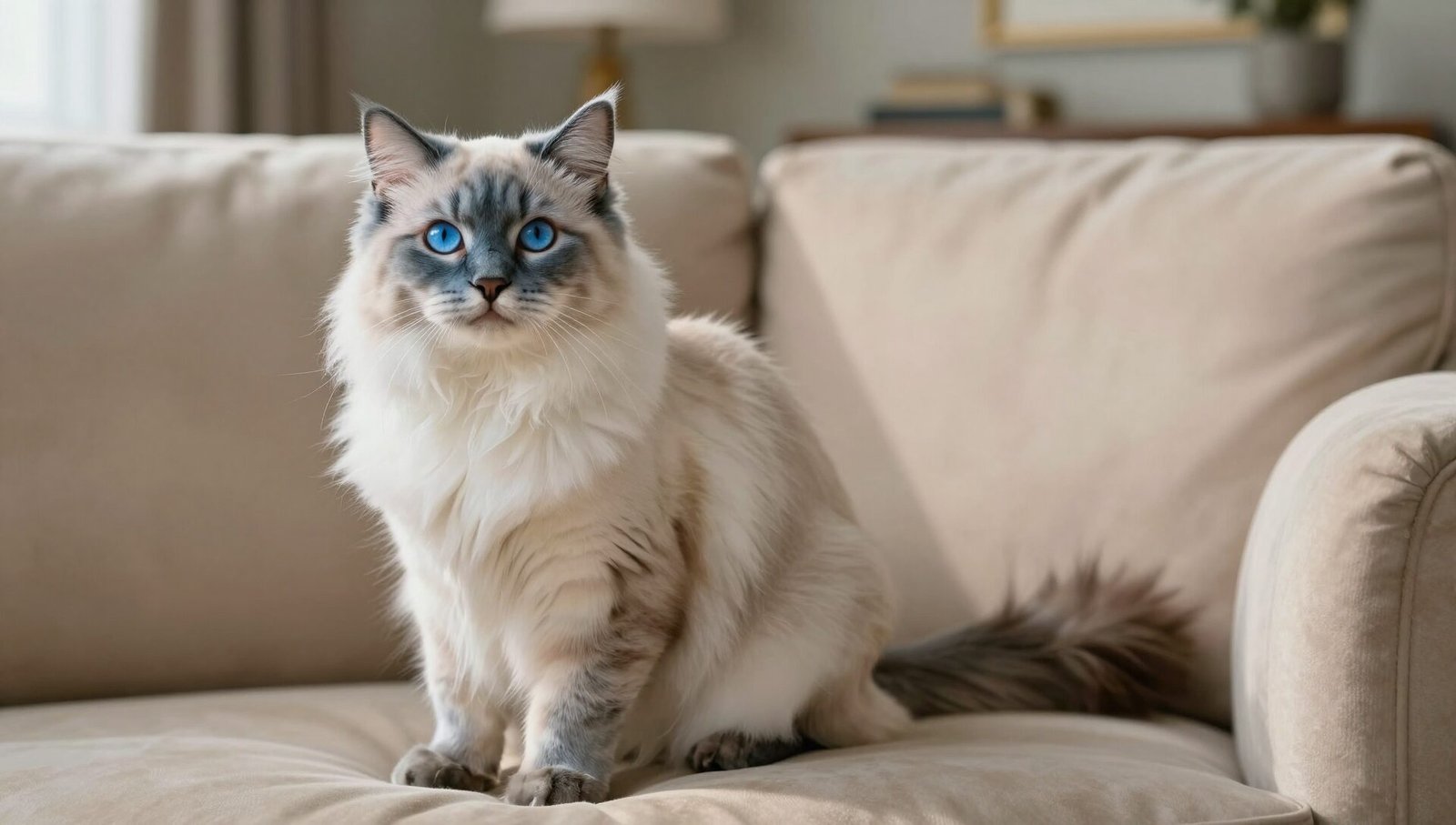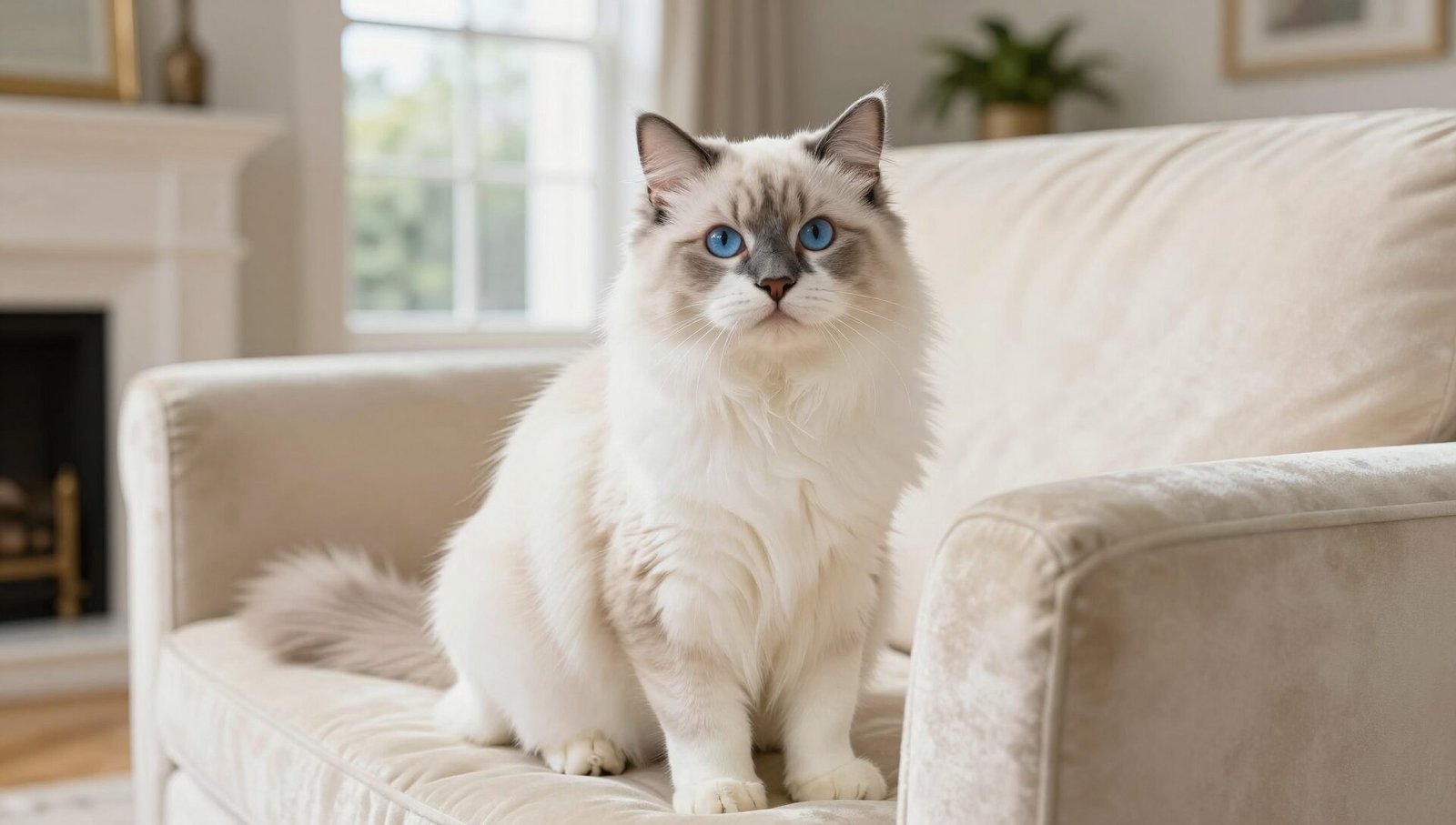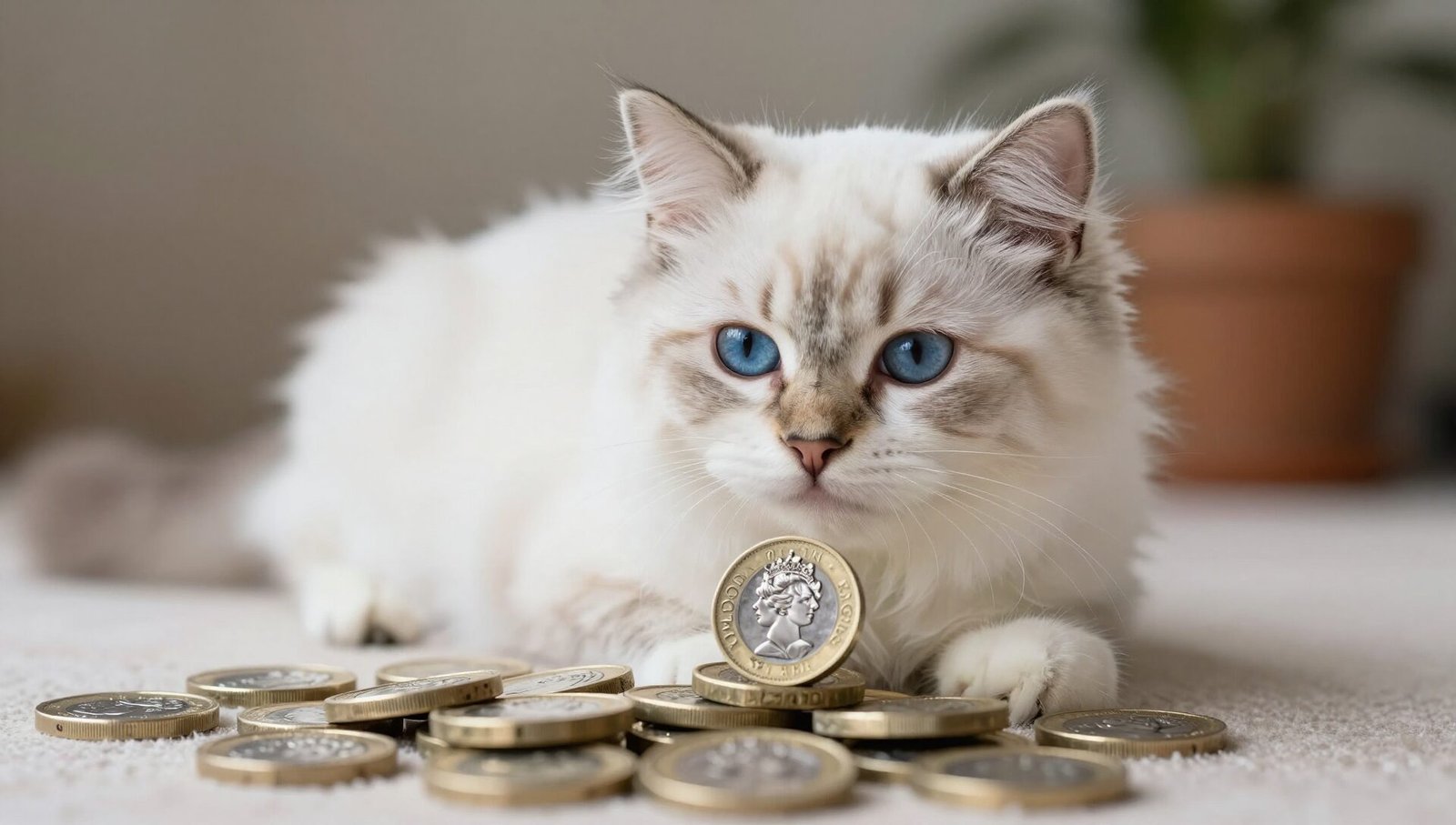
So, you’ve fallen head over paws for the Ragamuffin. Honestly, who could blame you? With their plush, teddy-bear looks, stunning eyes, and a personality that’s basically a warm hug in feline form, they’re utterly irresistible. But before you start clearing a spot on the sofa, there’s that one big question looming: What is the actual ragamuffin kitten price?
I remember when I first started researching them. The numbers can be a bit of a shock, but it’s crucial to understand what you’re paying for. This isn’t just about buying a pet; it’s about investing in a healthy, well-adjusted companion for the next decade and a half. We’re going to dive deep into every cost associated with these beautiful cats, from the initial price tag to the ongoing monthly expenses, and everything in between. Let’s get started!
Understanding the Ragamuffin Kitten Price
The first thing you need to know is that there isn’t a single, set price for a Ragamuffin kitten. The cost can vary wildly, and it’s important to understand the factors that influence that final figure. In the UK, you can generally expect to pay anywhere from £800 to over £2,000 for a kitten from a reputable breeder. That’s quite a range, so let’s break it down.
What’s in the Price Tag?
When you buy from a responsible breeder, you’re not just paying for the kitten itself. That price tag reflects an enormous amount of time, money, and expertise. Think of it less like buying a product and more like covering the costs of bringing a healthy new life into the world.
A good breeder invests heavily in:
- Health Screenings and Genetic Testing: Responsible breeders test their breeding cats for common genetic conditions like Hypertrophic Cardiomyopathy (HCM) and Polycystic Kidney Disease (PKD).
- High-Quality Care: This includes premium food, a clean and enriching environment, and early socialisation to ensure the kittens are confident and well-adjusted.
- Veterinary Costs: From stud fees and pregnancy care for the mother to vaccinations, microchipping, and health checks for the kittens, the vet bills add up quickly.
- Time and Love: A good breeder pours their heart into raising their kittens, handling them daily and preparing them for family life.
So, a high price often signifies a breeder who cuts no corners. A suspiciously low price, on the other hand, is a major red flag for a kitten farm or backyard breeder where health and temperament are not prioritised.
Pet-Quality vs. Show-Quality
You’ll also see a distinction between “pet-quality” and “show-quality” kittens. This doesn’t mean one is “better” than the other in terms of being a loving companion!
- Pet-Quality: These kittens are absolutely perfect for a family home but may have a minor deviation from the official breed standard that would count against them in a cat show. This could be a slight imperfection in their coat pattern, eye colour, or body structure. They are healthy, happy, and just as wonderful to live with.
- Show-Quality: These kittens are considered prime examples of the breed standard and are sold with breeding or showing rights. They will be at the higher end of the ragamuffin kitten price scale because they represent the best of the breed’s genetics.
For most of us, a pet-quality kitten is the ideal choice. You get the amazing Ragamuffin temperament and looks without the premium price tag of a future champion.
The True Cost of Owning a Ragamuffin
The initial purchase price is just the beginning of your financial commitment. To be a responsible owner, you need to budget for all the other costs that come with kitten care. I like to think of it as setting up a “new arrival” fund.
Initial Setup Costs
When you first bring your fluffball home, you’ll need a few essentials. It’s a good idea to have all of this ready before they arrive to make their transition as smooth as possible.
- Spay/Neuter: £100 – £300 (Sometimes included by the breeder, so always ask!)
- Microchipping: £20 – £30 (Often included in the initial price)
- Cat Carrier: £25 – £80
- Litter Tray & Scoop: £20 – £60
- Bed & Cat Tree: £50 – £150
- Bowls, Toys, Scratching Post: £40 – £100
- Initial Food Supply: £20 – £40
You’re looking at an initial outlay of around £275 to £760 on top of the kitten’s price.
Monthly Feline Expenses
Once your kitten is settled, you’ll have regular monthly costs. These are the ongoing expenses of feline nutrition, grooming, and healthcare.
| Expense | Estimated Monthly Cost (GBP) | Notes |
|---|---|---|
| High-Quality Food | £30 – £60 | Wet and/or dry food suitable for kittens and then adults. |
| Cat Litter | £15 – £30 | Depends on the type (clumping, wood, paper, etc.). |
| Pet Insurance | £20 – £40 | Crucial for covering unexpected vet bills. Prices vary with age and cover level. |
| Flea/Worm Treatments | £10 – £20 | Essential for keeping your cat healthy. |
| Total Estimated Monthly | £75 – £150 | This is a rough estimate; your actual costs may differ. |
This means you should be prepared to spend roughly £900 to £1,800 per year on your cat’s basic needs, not including one-off vet visits for illnesses or injuries.
The Ragamuffin’s Gentle Temperament and Personality
This is where the Ragamuffin truly shines and, in my opinion, justifies every penny. Their personality is their defining feature. If you want an independent, aloof cat that treats you like staff, you’ve come to the wrong place. A Ragamuffin wants to be your best friend.
A Social Butterfly
Ragamuffins are famously known as “puppy-cats.” They thrive on human interaction and will follow you from room to room, just to see what you’re up to. They are incredibly affectionate and will happily spend hours curled up on your lap. My friend has a Ragamuffin named Barnaby, and I swear Barnaby greets guests at the door with more enthusiasm than her dog does. They have a calm, placid nature and are rarely aggressive. This gentle temperament makes them a joy to have around.
Compatibility with Families and Other Pets
Thanks to their patient and loving nature, Ragamuffins are fantastic companions for families with children. They are sturdy cats that can handle gentle play and are more likely to walk away from a situation than to swipe or bite. They also tend to get along wonderfully with other cats and even cat-friendly dogs, especially if introduced properly. They truly are a social breed that enjoys company.
Diet and Feline Nutrition for a Ragamuffin
A healthy cat is a happy cat, and good nutrition is the foundation of their wellbeing. Ragamuffins are a large breed, and they need a diet that supports their size and energy levels.
Choosing the Right Food
Look for a high-quality cat food with a named meat source (like “chicken” or “salmon”) as the first ingredient. Avoid foods that are bulked out with grains and fillers. For kittens, a specific kitten formula is vital for their growth and development. As they mature, you’ll transition to an adult formula. Some owners opt for a mix of wet and dry food—wet food is great for hydration, while dry food can be good for dental health.
Dealing with a Picky Eater
Ah, the classic feline dilemma. You buy the most expensive, gourmet cat food, and your cat looks at you as if you’ve just served them a bowl of dust. Don’t panic. It’s a common experience! If you have a picky eater, try warming the food slightly to release the aroma, or adding a small amount of a tasty topper like cooked chicken. The key is patience and not giving in to demands for treats instead of meals. If your cat suddenly stops eating, a trip to the vet is always in order to rule out any underlying health issues.
Grooming: Managing That Luxurious Coat
One of the best things about a Ragamuffin’s beautiful, semi-long fur is that it’s surprisingly low-maintenance. Unlike some other long-haired breeds, their coat doesn’t have a dense undercoat, which means it’s far less prone to matting.
Brushing and Bathing
A good brush two to three times a week is usually all that’s needed to keep their coat looking its best and to remove loose hair. They seem to genuinely enjoy the bonding experience of being groomed! A slicker brush and a wide-toothed comb are your best tools for the job. Baths are rarely necessary unless they get into something messy. If you do need to bathe them, use a gentle, cat-specific shampoo.
Nail Trims and Dental Care
Don’t forget the other aspects of grooming! You should aim to trim their nails every couple of weeks. Getting them used to having their paws handled from a young age makes this task much easier. Dental care is also crucial. Brushing their teeth daily with cat-safe toothpaste is the gold standard, but dental treats and water additives can also help maintain their oral health.
Health, Wellness, and Typical Lifespan
With proper care, a Ragamuffin is a generally robust and healthy breed with a typical lifespan of 12 to 16 years, sometimes even longer. However, like all breeds, they can be predisposed to certain health conditions.
Common Health Considerations
The most significant health concerns for Ragamuffins are:
- Hypertrophic Cardiomyopathy (HCM): This is a heart condition where the heart muscle becomes thickened. Reputable breeders screen their cats for this genetic disease.
- Polycystic Kidney Disease (PKD): A genetic disorder causing cysts to form in the kidneys.
- Obesity: Due to their calm nature, Ragamuffins can be prone to gaining weight if their diet isn’t managed properly.
This is why choosing a breeder who performs health screenings is so important—it significantly reduces the risk of your kitten developing these hereditary conditions.
The Importance of Vet Visits
Regular vet check-ups are non-negotiable for responsible feline care. Your kitten will need a course of initial vaccinations, followed by annual boosters. Routine check-ups can catch potential problems early, when they are often easier and less expensive to treat. And always, always get pet insurance. I cannot stress this enough. An unexpected illness or accident can lead to vet bills in the thousands, and insurance provides invaluable peace of mind.
Indoor vs. Outdoor Life for Your Ragamuffin
This is a big debate in the UK cat-owning community. While many cats enjoy roaming outside, the Ragamuffin’s trusting and often clumsy nature can make the outdoors a risky place for them. They are not great at defending themselves and may be too friendly with strangers, making them a potential target for theft.
The Safe Haven of an Indoor Life
Many Ragamuffin breeders will actually stipulate in their contract that the cat must be kept as an indoor-only cat, or have access to a secure “catio” or enclosed garden. This is the safest option, protecting them from traffic, predators, disease, and other hazards. An indoor life can be a long and happy one, provided you meet their needs for stimulation.
Creating an Enriching Indoor Environment
A bored cat is an unhappy cat. To keep your indoor Ragamuffin thriving, you need to provide plenty of enrichment. This is where cat trees, scratching posts, interactive toys, puzzle feeders, and even a simple cardboard box come into play. Vertical space is a cat’s best friend, so a tall cat tree next to a window provides the perfect spot for bird-watching and lounging.
Training and Enrichment: Keeping Your Cat Happy
Yes, you can train a cat! Well, to a certain extent. Training and providing enrichment are key to preventing behavioural problems and strengthening your bond.
Litter Training and Scratching
The good news is that Ragamuffin kittens are usually very bright and take to litter training quickly. Just provide a clean, accessible litter tray, and they’ll get the idea. Scratching is a natural and necessary behaviour for cats—it’s how they stretch their muscles and mark their territory. The trick isn’t to stop them from scratching, but to redirect them to appropriate surfaces. A sturdy scratching post is a must-have. If they start clawing the sofa, gently move them to the post and praise them when they use it.
The Power of Play
Daily playtime is essential. Use a feather wand or a laser pointer (being careful not to shine it in their eyes) to encourage them to stalk, chase, and pounce. This mimics their natural hunting instincts and provides fantastic physical and mental exercise. Ragamuffins are intelligent and can even learn tricks like “sit” or “high five” with the help of some tasty, high-value treats. It’s a brilliant way to keep their clever minds engaged.
Pros and Cons of Ragamuffin Ownership
Let’s be balanced. While they are wonderful cats, no breed is perfect for everyone.
Pros:
- Incredibly Affectionate: They live for cuddles and companionship.
- Gentle Temperament: Great with children and other pets.
- Playful but Calm: They enjoy playtime but are not hyperactive.
- Low-Maintenance Coat: Their fur is less prone to matting than other long-haired breeds.
- “Puppy-like” Personality: They will follow you around and be involved in your life.
Cons:
- High Initial Cost: The ragamuffin kitten price can be a significant investment.
- Prone to Loneliness: They don’t like being left alone for long periods and can develop separation anxiety.
- Potential Health Issues: Predisposition to conditions like HCM requires careful breeder selection.
- Can be Clumsy: Their trusting nature and occasional lack of grace can make them unsuitable for an unsupervised outdoor life.
- Demanding of Attention: They need a lot of interaction and won’t be happy being ignored.
Finding a Reputable Breeder in the UK
Where you get your kitten from is one of the most important decisions you’ll make. Please avoid pet shops, online marketplaces, and anyone who seems more interested in a quick sale than the welfare of their cats.
Look for a breeder who:
- Is registered with a governing body like the Governing Council of the Cat Fancy (GCCF) or TICA.
- Is happy to answer all your questions and asks you questions in return.
- Invites you to their home to meet the kittens and their mother.
- Provides proof of health screening for the parents (HCM, PKD).
- Offers a contract and a health guarantee.
- Keeps kittens until they are at least 13 weeks old.
Be prepared for a waiting list! Good breeders are in high demand, and a wait of several months is completely normal. It’s a small price to pay for a healthy, well-socialised kitten.
Frequently Asked Questions (FAQs)
What is the average ragamuffin kitten price in the UK?
In the United Kingdom, you can expect to pay between £800 and £2,000 for a pet-quality Ragamuffin kitten from a reputable, health-screening breeder. Show-quality kittens or those with breeding rights will be at the higher end or above this range.
Are Ragamuffin cats high-maintenance?
In terms of grooming, no. Their coat is surprisingly easy to care for and doesn’t mat easily, requiring only a few good brushings per week. However, in terms of emotional needs, they can be considered high-maintenance. They crave human interaction and do not thrive when left alone for long periods.
What’s the difference between a Ragdoll and a Ragamuffin?
They are related but distinct breeds. The main differences are in breed standards. Ragdolls have stricter colour-point patterns (like a Siamese), while Ragamuffins come in a wider variety of colours and patterns, including solid colours. Ragamuffins also tend to have a slightly more rounded head shape and walnut-shaped eyes.
Are Ragamuffins good indoor cats?
Yes, they are excellent indoor cats. Their calm, trusting, and sometimes clumsy nature makes them better suited to the safety of an indoor environment. As long as you provide plenty of enrichment with cat trees, toys, and interactive play, they will be perfectly happy living indoors.
Do Ragamuffins get along with dogs?
Generally, yes. Their gentle and sociable temperament means they often get on very well with cat-friendly dogs. Proper introductions are key, but their laid-back personality makes them one of the more dog-compatible cat breeds.
How long do Ragamuffin cats live?
A healthy Ragamuffin cat that is well-cared for has a typical lifespan of 12 to 16 years. Some can live even longer, so be prepared for a long and rewarding commitment.
Conclusion: Is a Ragamuffin Worth the Investment?
After looking at the numbers, from the initial ragamuffin kitten price to the ongoing costs of care, it’s clear that owning one of these cats is a significant financial commitment. But it’s so much more than that. It’s an investment in a companion that will fill your home with love, warmth, and a surprising amount of fluffy, clumsy charm.
If you’re looking for an independent cat that’s happy with a nod of acknowledgement, this isn’t the breed for you. But if you want a true friend, a loyal “puppy-cat” who will be by your side through thick and thin, then the Ragamuffin is worth every single penny. They don’t just join your family; they become the heart of it. And for that kind of love, you really can’t put a price on it.