There is a specific kind of panic that sets in when you are trying to locate a 10kg lump of fur in a small terraced house. You check behind the sofa, under the duvet, and even inside the washing machine (trust me, I’ve found my boy in there once). You start to wonder if they’ve made a break for it through the cat flap. But then, you look up. There he is, perched on top of the bookshelf like a gargoyle, judging you. This leads many new owners to ask the big question: are Maine Coon cats indoor cats?
If you are considering bringing one of these magnificent, dog-like felines into your home, understanding their spatial needs is vital. While they possess a rugged, wild heritage from the farms of Maine, USA, keeping them inside is not only possible—it is often recommended. However, it comes with a massive caveat: you cannot treat a Maine Coon like a standard moggie.
These cats are the gentle giants of the feline world. They are smart, energetic, and incredibly social. If you simply shut the door and expect them to sleep on the rug for 20 hours a day, you are in for a rude awakening (likely at 3 AM). In this guide, I will walk you through everything you need to know about managing a Maine Coon indoors, from vertical space to feline nutrition, ensuring your giant stays happy and healthy.
Understanding the Maine Coon Personality
To answer the question of are Maine Coon cats indoor cats, we first have to look at where they came from. These cats weren’t bred to sit on the laps of royalty like the Persian; they were working cats. They spent their days hunting vermin on ships and farms in harsh, snowy climates. This heritage is hardwired into their DNA.
You will notice your Maine Coon behaves differently than other domestic breeds. They are often described as “dog-like” because they love to follow you from room to room. They are incredibly inquisitive. If you are doing DIY, they want to “help.” If you are on the toilet, they want to supervise.
This high intelligence means they get bored easily. A bored Maine Coon is a destructive Maine Coon. I learned this the hard way when my previous cat, a ginger tabby, chewed through my laptop charger. A Maine Coon takes that boredom to the next level. They are known for their chirping and trilling sounds—often chatting back to you when you speak. Because they are so social, they bond deeply with their families, making them excellent candidates for an indoor life, provided their humans are present and engaging.
The Great Debate: Maine Coon Indoor vs Outdoor Life
So, are Maine Coon cats indoor cats by necessity or by choice? Honestly, it is a bit of both. While they possess the physical prowess to survive outdoors—they are excellent climbers and swimmers—modern life presents too many hazards for them to roam freely.
The UK is densely populated. Roads are busy, and gardens often contain hazards like slug pellets or aggressive neighbourhood cats. Because Maine Coons are so trusting and friendly, they are sadly prime targets for theft. Furthermore, their majestic long coats can pick up all sorts of debris, ticks, and burrs if they are tramping through hedgerows daily.
However, keeping a hunter indoors requires a shift in mindset. You are removing their ability to hunt, patrol territory, and escape from things that annoy them. Many owners make the mistake of thinking a bed and a bowl are enough. It isn’t. Keeping them indoors means you must replace the “wild” with “enrichment.”
If you live in a busy city or near a main road, keeping them inside is the safest option. It protects them from traffic accidents and diseases like FIV (Feline Immunodeficiency Virus) which is spread through cat fights. The consensus among breeders and vets is usually that indoor life is safer, but it requires more effort from the owner.
Essential Cat Care for Indoor Maine Coons
If you decide that the answer to are Maine Coon cats indoor cats is “yes” for your household, you need to prepare your home. Cat care for this breed involves creating an environment that challenges their agility and intellect.
Vertical Space is Non-Negotiable
Maine Coons love height. In the wild, height offers safety and a vantage point to spot prey. In your living room, height offers an escape from the dog or the toddler.
You cannot skimp on furniture here. A standard cat tree from the bargain bin won’t cut it; a fully grown Maine Coon can weigh up to 11kg (25lbs). You need heavy-duty, floor-to-ceiling cat trees or sturdy wall-mounted shelves.
I always recommend placing a perch near a window. “Cat TV” (watching birds and squirrels outside) is a fantastic form of entertainment. Just ensure the window is secure and ideally, have a fly screen so they don’t make a daring leap onto a passing pigeon.
Mental Stimulation and Enrichment
Enrichment is the buzzword in modern feline care, and for good reason. An indoor Maine Coon needs to “work” for their entertainment.
- Puzzle Feeders: Instead of dumping biscuits in a bowl, make them fish them out of a puzzle toy. This mimics hunting.
- Interactive Play: You need to play with them daily. Wand toys, feather teasers, and laser pointers are great.
- Rotating Toys: Cats get bored of the same toy. Put the mouse away for a week and bring it back out; it will seem new again.
Feline Nutrition for the Indoor Giant
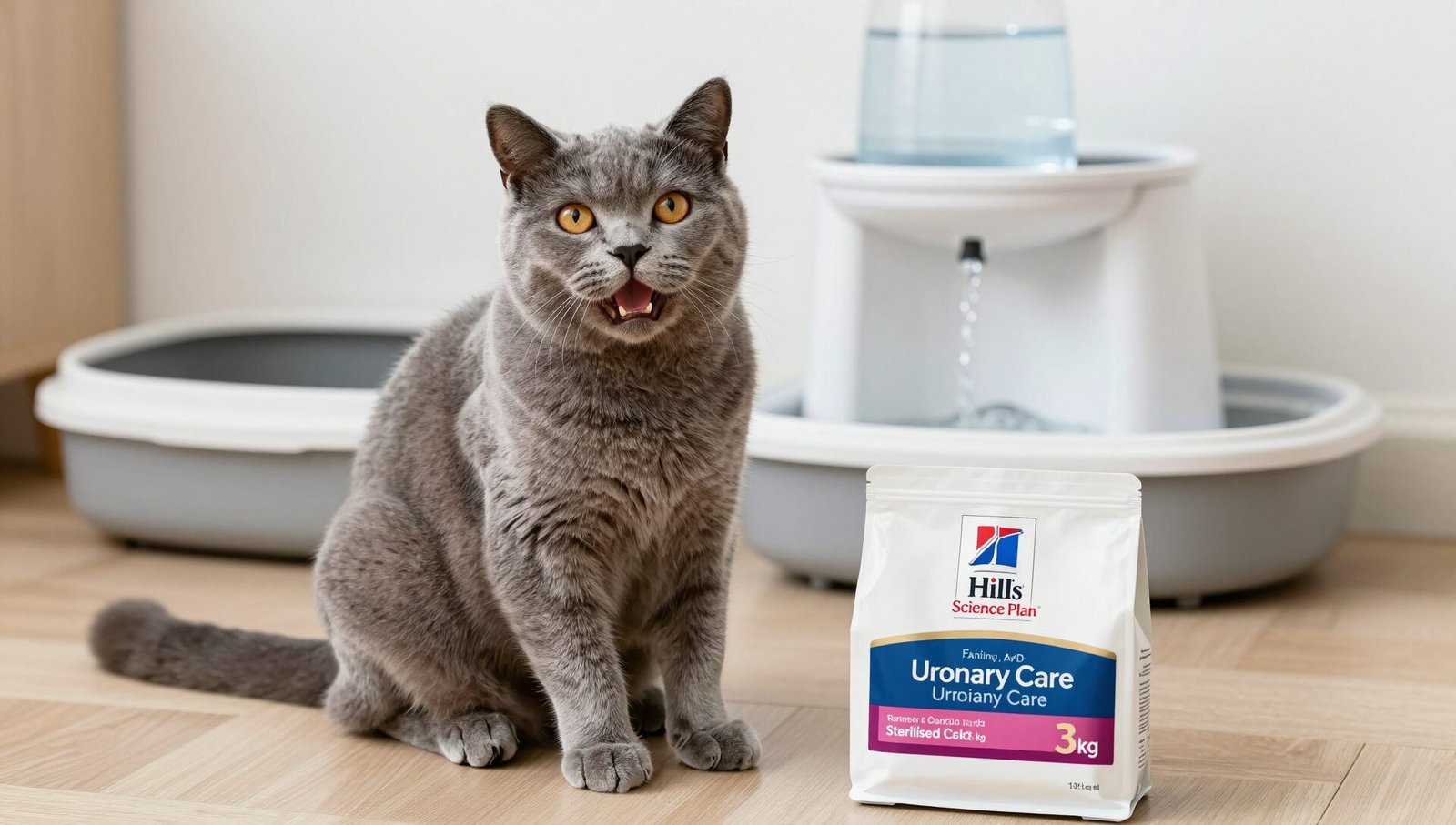
Diet is a critical component when asking are Maine Coon cats indoor cats. Because they are confined to a smaller space without the ability to roam for miles, their calorie intake must be strictly managed.
Feline nutrition for an indoor Maine Coon needs to be high in protein and low in carbohydrates. These are obligate carnivores. They need meat, not fillers like wheat and maize.
Managing the “Bottomless Pit” Appetite
Maine Coons mature slowly—they don’t reach full size until they are around 3 to 5 years old. During their growth phase, they eat a lot. However, once they mature, their metabolism slows down.
I have seen many “chonky” Maine Coons who look adorable but are actually suffering from obesity. Excess weight puts immense strain on their joints (which are already under pressure due to their size) and can lead to diabetes.
A good rule of thumb is to feed a mix of high-quality wet food for hydration and some dry kibble for dental health. If you notice your cat getting a “primordial pouch” (the wobbly belly) that drags on the floor, it’s time to cut back the treats. They might beg with those big eyes, but you must be strong!
Grooming the Indoor Gentle Giant
One distinct advantage of asking are Maine Coon cats indoor cats and keeping them in is that their coat stays pristine. However, their fur is a maintenance nightmare if you neglect it.
Maine Coons have semi-long, water-resistant fur with a dense undercoat. Even if they don’t go outside to get muddy, they shed. A lot.
You need to establish a grooming routine early.
- Brushing: Aim for at least twice a week, daily during shedding season (spring/autumn). Use a stainless steel comb to get through the undercoat.
- Matting: Pay attention to the “trousers” (back legs) and under the armpits. These areas matt easily.
- Bathing: Most cats hate water, but Maine Coons are often more tolerant. A bath every few months can help reduce shedding and dander, which is great if you have allergies.
Health Considerations for Indoor Maine Coons
When considering are Maine Coon cats indoor cats, remember that indoor life can actually extend their lifespan. By staying in, they avoid car accidents, dog attacks, and parasites.
However, they are genetically prone to certain issues that you must monitor:
- Hypertrophic Cardiomyopathy (HCM): This is a thickening of the heart muscle. Regular vet checkups are essential to catch heart murmurs early.
- Hip Dysplasia: Because they are heavy, their joints can suffer. Keeping them at a healthy weight (crucial for indoor cats) is the best prevention.
- Dental Health: Indoor cats don’t chew on bones as much. Provide dental treats or brush their teeth to prevent periodontal disease.
Creating a “Catio” or Safe Outdoor Experience
Does answering “yes” to are Maine Coon cats indoor cats mean they can never feel the grass between their toes? Absolutely not. You can give them the best of both worlds.
Building a catio (an enclosed patio for cats) is the gold standard. It allows them to smell the fresh air and watch the birds without the risk of escape.
If a catio isn’t feasible due to space or budget (especially in a UK flat), harness training is a brilliant alternative. Maine Coons are highly trainable. Start with the harness indoors, then graduate to the back garden. Walking a cat on a lead always draws a few giggles from the neighbours, but your cat will love the enrichment. Just be prepared for them to refuse to walk in a straight line!
Pros and Cons of Keeping Maine Coons Indoors
To wrap up the debate on are Maine Coon cats indoor cats, here is a quick summary:
Pros:
- Safety: No traffic accidents or fights with strays.
- Cleanliness: No muddy paw prints on the sofa or fleas in the carpet.
- Bonding: You will likely have a closer relationship as they rely on you for entertainment.
- Lifespan: Indoor cats generally live longer than outdoor cats.
Cons:
- Stimulation: You have to work harder to keep them entertained.
- Space: They need room for large cat trees and zoomies.
- Litter: You have to clean litter trays every day (not the most glamorous part of ownership).
- Damage: Without outdoor scratching posts, your sofa might take a hit if you don’t provide alternatives.
Conclusion
So, are Maine Coon cats indoor cats? They can be, and often should be, provided you are willing to put in the work. It is not enough to simply lock the door; you must build a stimulating world within your four walls.
These magnificent creatures bring so much joy, personality, and fluff into our lives. Whether you opt for a secure garden, a catio, or a purely indoor existence with lots of toys and climbing frames, the key is engagement. A happy Maine Coon is an active Maine Coon. If you respect their intelligence and feed them well, your gentle giant will thrive as the king of the indoor castle.
FAQs
Are Maine Coon cats indoor cats that can be left alone all day?
No. Maine Coons are highly social and crave interaction. Leaving them alone for long periods can lead to depression and destructive behaviour. If you work long hours, consider getting a second cat for company.
How much space does an indoor Maine Coon need?
While they are large, they adapt to flats or smaller homes if you utilize vertical space. Wall shelves and tall cat trees allow them to exercise without needing a sprawling floor plan.
Do indoor Maine Coons need special food?
They need high-protein food designed for their size and activity level. Since they aren’t burning calories hunting outdoors, you may need a “sterilized” or “indoor” formula to prevent obesity.
Will my Maine Coon scratch all the furniture?
Cats scratch to mark territory and shed claw sheaths. If you provide robust scratching posts (sisal is great) and sprinkle them with catnip, you can usually save your upholstery.
Is it cruel to keep a Maine Coon indoors?
Not at all, provided you meet their enrichment needs. An indoor cat is a safe cat. It becomes cruel only if the cat is neglected, bored, and has no stimulation.
How can I tell if my indoor Maine Coon is happy?
A happy indoor Maine Coon will be playful, vocal (chirping), and will groom themselves regularly. They will seek you out for affection and generally patrol the house with their tail held high.