We have all heard the old wives’ tales and tall tails about our feline friends. Whether it is something your nan told you or a rumour you picked up at the local pub, there is a lot of misinformation floating around about cats. It is time to separate fact from fiction. As a cat owner and enthusiast based in the UK, I have spent years navigating the maze of cat myths to ensure my pets get the best possible care. Believing these misconceptions can sometimes lead to poor choices in diet, healthcare, and general welfare.
In this guide, we are going to tackle the most pervasive cat myths head-on. We will look at why your cat might not actually hate water, why they aren’t truly nocturnal, and why that saucer of milk might cause more harm than good. I have compiled insights from veterinarians, behaviourists, and my own experiences with my mischievous moggies to give you the real picture.
Here is the definitive breakdown of the fables you need to stop believing today.
Outline
| Section | Content Focus | Key Details |
|---|---|---|
| Intro | Hook & Scope | Setting the scene, importance of debunking myths. |
| Myth 1: Nocturnal Nature | Activity Cycles | Explaining “crepuscular” behaviour. |
| Myth 2: Cow’s Milk | Diet & Nutrition | Lactose intolerance in cats. |
| Myth 3: Trainability | Behaviour & Training | Using positive reinforcement. |
| Myth 4: Low Maintenance | Grooming & Care | Enrichment and social needs. |
| Myth 5: Purring = Happiness | Communication | Purring as a self-soothing mechanism. |
| Myth 6: Nine Lives (Falling) | Physical Health | The righting reflex and injury risks. |
| Myth 7: Catnip Addiction | Toxicology & Behaviour | Genetic sensitivity and response. |
| Myth 8: Indoor vs Outdoor | Safety & Environment | Risks of roaming vs enrichment indoors. |
| Myth 9: Feline Independence | Social Behaviour | Bonding and separation anxiety. |
| Myth 10: Declawing | Welfare & Ethics | Physical and psychological trauma. |
| Comparison | Table | Wet vs Dry food facts. |
| FAQs | Common Queries | Addressing specific user questions. |
| Conclusion | Summary | Final thoughts on responsible ownership. |
Are Cats Truly Nocturnal? The Dawn and Dusk Reality
One of the most persistent cat myths is that our felines are nocturnal creatures. If you have ever been woken up at 3 a.m. by the sound of a cat zoomie session across the hallway, you might believe this to be true. However, cats are actually crepuscular. This is a scientific term that means they are biologically programmed to be most active during twilight hours—specifically at dusk and dawn.
This behaviour stems from their wild ancestors, who hunted when their prey was most active. Rodents and birds often move during these cooler, low-light times, making it the perfect window for a hunt. In a domestic setting, your cat is hardwired to wake up and get active just as the sun rises or sets, regardless of how tired you are.
How to manage this:
- Interactive Play: Engage your cat in a rigorous play session before your bedtime. Use a wand toy to mimic prey and tire them out.
- Feeding Routine: Do not free-feed. Schedule their main meal right before you go to sleep. A full belly often encourages a long nap.
- Environmental Enrichment: Leave puzzle feeders out overnight to keep them occupied so they aren’t trying to wake you up for entertainment.
Understanding their crepuscular nature helps you align your routine with theirs, reducing those rude early morning wake-up calls.
The “Milk and Cream” Fallacy: Diet Facts
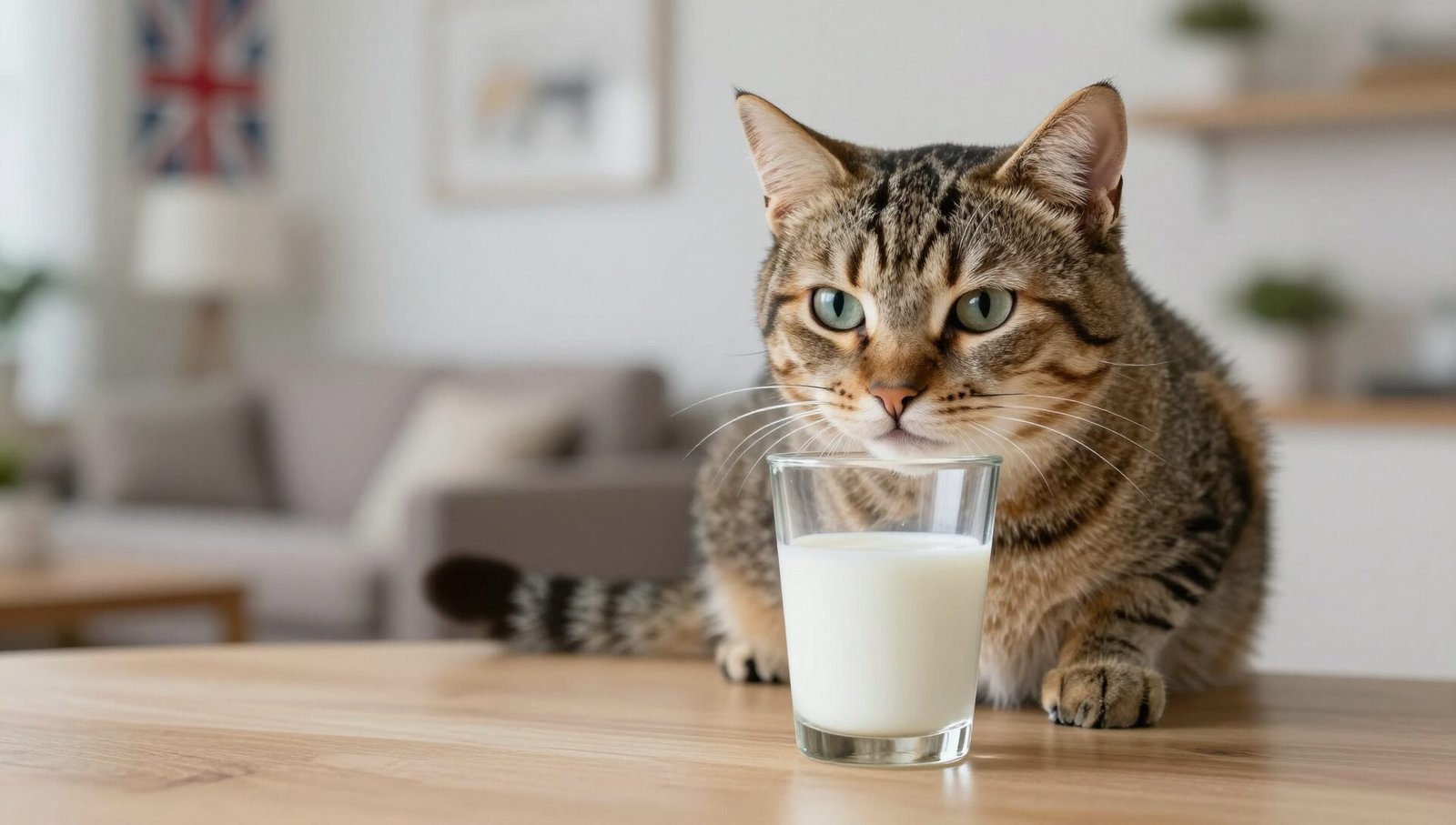
Thanks to cartoons and folklore, the image of a cat lapping up a saucer of cream is iconic. But in reality, this is one of the most dangerous cat myths for their digestive health. Most adult cats are lactose intolerant.
Just like some humans, cats produce an enzyme called lactase which helps break down lactose in milk. While kittens produce plenty of this to digest their mother’s milk, most adult cats lose this ability once they are weaned. Giving an adult cow milk can lead to an upset stomach, vomiting, and severe diarrhoea—none of which are pleasant for you to clean up, and certainly not for your cat to experience.
Safe Dietary Alternatives:
- Water: Always the best option. Ensure it is fresh and changed daily.
- Cat Milk: There are specific lactose-free milks available for cats in UK supermarkets and pet stores. These are safe for occasional treats.
- High-Quality Wet Food: Focus on feline nutrition that mimics their natural, high-protein, low-carb diet.
Feeding your cat the right food is paramount. Here is a quick comparison of food types often misunderstood in cat myths:
| Food Type | Myth | Reality | Best For |
|---|---|---|---|
| Dry Food (Kibble) | Cleans teeth. | Does not clean teeth effectively; low moisture. | Free-feeding (in moderation), dental treats. |
| Wet Food | Bad for digestion. | Higher protein, better hydration, mimics natural diet. | Hydration, weight management, fussy eaters. |
| Raw Diet | Dangerous bacteria. | Can be beneficial if prepared safely (B.A.R.F diet). | Experienced owners consulting with a vet. |
Can You Train a Cat? Debunking the Stubborn Stereotype
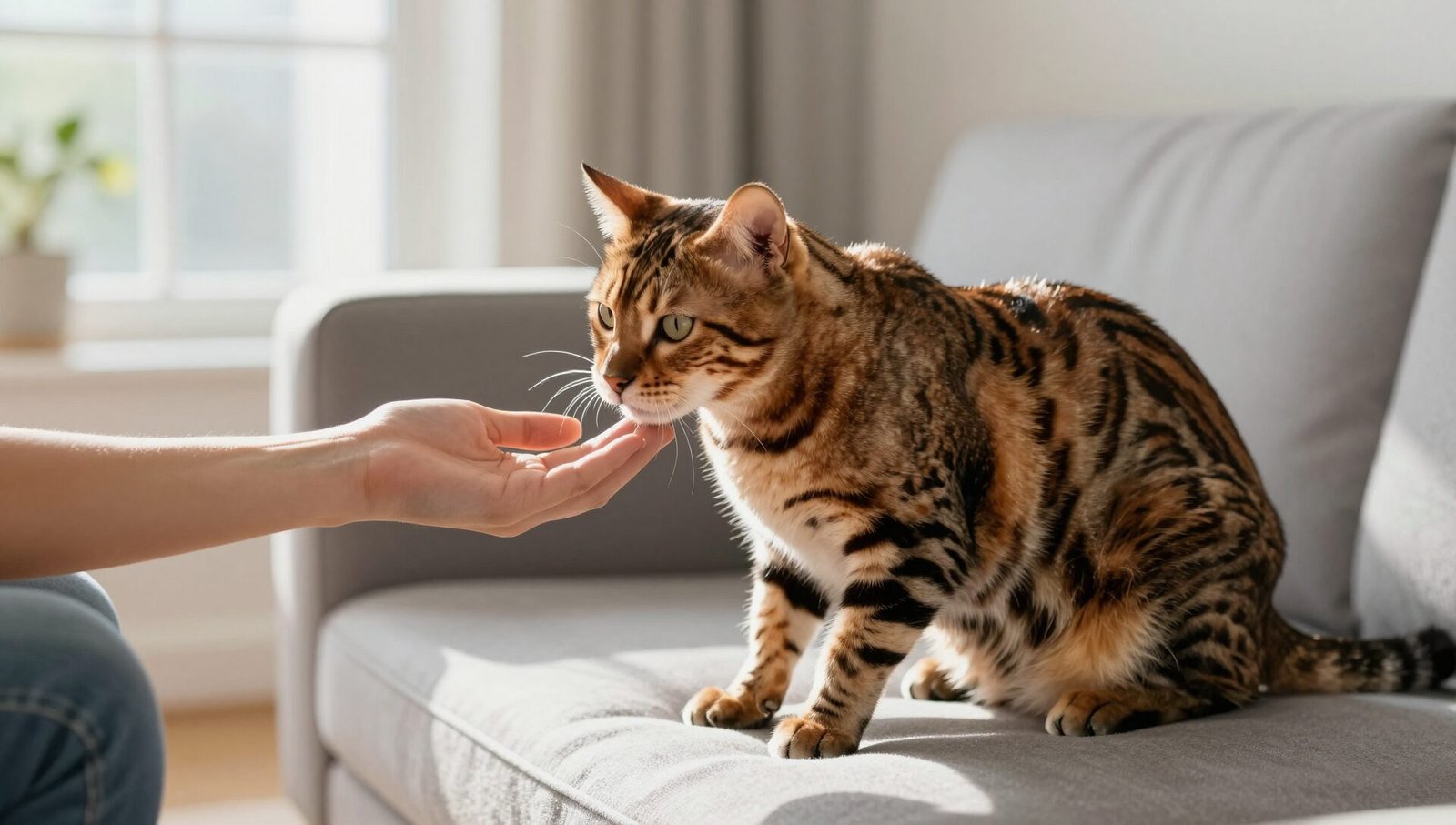
“Cats can’t be trained.” You have probably heard this one before. It is a myth that does a disservice to the incredible intelligence of felines. While they are not eager to please in the same way a Golden Retriever might be, cats are absolutely trainable. The key difference is the motivation. Dogs often work for praise; cats usually work for payment.
If you think your cat is untrainable, you simply haven’t found the right currency yet. High-value treats, such as small pieces of cooked chicken or commercial cat treats, are usually the key to success.
Training Tips for UK Cat Owners:
- Clicker Training: This is highly effective. The “click” sound marks the exact moment of good behaviour, followed immediately by a treat.
- Litter Training: While cats have a natural instinct to bury their waste, kittens sometimes need guidance. Place them in the tray after meals.
- Scratching Behaviour: Instead of trying to stop scratching (which is natural), train them where to scratch using catnip spray on appropriate posts.
Training provides mental stimulation and strengthens the bond between you and your pet. It is a fantastic way to tackle behavioural issues like scratching furniture.
Low-Maintenance Pets? The Enrichment Reality
This is perhaps one of the most harmful cat myths for new owners. People often choose cats over dogs because they believe cats are “low maintenance” and can look after themselves. While they might not need walking in the rain like a Labrador, they require significant enrichment, social interaction, and environmental management.
An indoor cat, in particular, needs a stimulating environment to prevent boredom and obesity. Without enrichment, cats can develop behavioural problems such as over-grooming, aggression, or inappropriate toileting.
Essential Care Checklist:
- Vertical Space: Cats love to climb. Cat trees, shelves, or window perches give them security and a vantage point.
- Playtime: Spend at least 15–20 minutes twice a day actively playing with your cat.
- Grooming: Short-haired cats still need brushing, and long-haired breeds require daily grooming to prevent matting.
- Litter Trays: The golden rule is one tray per cat, plus one extra.
Never underestimate the commitment required for feline happiness. They are complex emotional beings that crave structure and stimulation.
The Purring Paradox: More Than Just Happiness
When your cat curls up on your lap and purrs, you naturally assume they are content. While this is often true, the “purring equals happy” belief is one of the common cat myths that can mask health issues.
Cats also purr when they are in pain, stressed, or giving birth. Scientists believe purring is a self-soothing mechanism. The low-frequency vibration of a purr (between 25 and 150 Hz) has been shown to have self-healing properties, potentially aiding in bone density repair and pain relief.
When to worry:
- If your cat is purring but has lost their appetite.
- If the purr sounds strained or different than usual.
- If purring is accompanied by hiding or lethargy.
Always look at the body language alongside the sound. A purring cat with tense body posture and flattened ears is likely telling you they are uncomfortable.
Land on Their Feet? The High-Rise Syndrome
The saying “cats have nine lives” is linked to the myth that they always land on their feet. While cats possess a “righting reflex” that allows them to twist their spine mid-air to orient themselves feet-down, they are not invincible.
In fact, shorter falls can be more dangerous because the cat may not have enough time to execute the twist. Even from higher falls, while they may land on their feet, the impact can cause severe chest injuries, broken legs, or jaw fractures. This is a dangerous myth that sometimes leads owners to be less cautious about open windows, especially in high-rise flats common in UK cities.
Safety Measures:
- Window Screens: Install secure screens on all windows.
- Balcony Safety: If you have a balcony, ensure it is “cat-proofed” with netting.
- Supervision: Never leave windows wide open unsupervised if you live above the ground floor.
The Catnip Conundrum: Not All Cats React
We have all seen the hilarious videos of cats rolling around ecstatically in catnip. However, the belief that all cats go wild for this herb is one of the cat myths that confuses many owners when their cat simply sniffs it and walks away.
The reaction to catnip is actually a genetic trait. Sensitivity to nepetalactone, the essential oil in catnip, is inherited. Approximately 50% to 75% of cats are susceptible to its effects. Kittens and very old cats often do not react at all.
Understanding the Reaction:
- The “High”: For sensitive cats, catnip acts as a stimulant, causing euphoria.
- The “Aggression”: In rare cases, catnip can make some cats aggressive or over-stimulated.
- Alternatives: If your cat is immune to catnip, try Silver Vine or Valerian Root, which can have a similar effect on non-reactive cats.
Indoor vs Outdoor: The Great British Debate
A very common belief in the UK is that cats must be allowed outside to be happy. While cats do enjoy the outdoors, it is a myth that they cannot live fulfilling, long lives as indoor cats. In fact, statistics show indoor cats generally have a longer lifespan due to reduced risks of traffic accidents, fights with other animals, and exposure to diseases like FIV (Feline Immunodeficiency Virus).
If you choose to keep your cat indoors, you must compensate for the lack of natural stimulation.
Indoor Cat Essentials:
- Catios: A “catio” is a secure outdoor enclosure that allows your cat to experience the sights and smells of the garden without the risks.
- Harness Training: You can train your cat to walk on a lead.
- Sensory Enrichment: Bird feeders outside windows and “cat TV” (videos of birds/fish) can keep them occupied.
The Independent Myth: Do Cats Get Lonely?
Perhaps the saddest of all cat myths is that cats are solitary creatures who prefer to be left alone. This often leads to owners feeling comfortable leaving their cats alone for entire weekends or long working hours without companionship.
While cats are more solitary hunters than dogs, they are social animals who form strong bonds with their human families and other pets. Many cats suffer from separation anxiety, which can manifest as excessive vocalisation, destructive behaviour, or inappropriate urination.
Signs of a Bonded Cat:
- Head bunting (rubbing their head against you).
- Slow blinking.
- Following you from room to room.
If you work long hours, consider adopting a pair of cats so they have company, or ensure you dedicate quality time to them when you are home.
The Truth About Declawing: A Harmful Procedure
Finally, we must address the myth that declawing is simply “trimming the nails.” In reality, declawing (onychectomy) is an amputation of the last bone of each toe. It is a painful, irreversible surgery that can lead to long-term physical problems, including back pain and litter box avoidance because the granular substrate hurts their paws.
Fortunately, declawing is illegal in the UK under the Animal Welfare Act, but it is still practiced in other parts of the world. It is vital that UK owners understand why this is cruel and instead focus on positive methods to manage scratching, such as providing ample scratching posts and using deterrent sprays.
Frequently Asked Questions
Is it true that cats hate water? While many domestic cats dislike being submerged in water, it is a myth that all cats hate it. Breeds like the Turkish Van are famous for their love of swimming. Additionally, many cats are fascinated by running taps and will play with water. Their aversion often stems from the fact that wet fur is heavy and cold, making them feel vulnerable.
Can cats see in complete darkness? No, cats cannot see in total darkness. However, they have excellent night vision compared to humans. Their eyes have a reflective layer behind the retina called the tapetum lucidum, which reflects light back through the retina, allowing them to see in very low light conditions.
Why do cats bring me “gifts” of dead mice? This is often misunderstood as a sign of affection or a “gift.” Behaviourists suggest that cats, particularly females, bring prey home to a safe location (your home) to eat it or to teach their young (or you, whom they may view as a clumsy hunter) how to hunt.
Do cats purr only when they are happy? No. As mentioned in the article, purring is a complex form of communication. Cats purr when they are content, but also when they are anxious, in pain, or seeking to self-soothe during stressful situations like a vet visit.
Is it okay to give my cat dog food? No. Cats are obligate carnivores and have specific nutritional requirements that dog food does not meet, such as high levels of protein and specific amino acids like taurine. Feeding a cat dog food long-term can lead to severe nutritional deficiencies.
Should I brush my cat’s teeth? Yes, dental disease is very common in cats. Brushing their teeth daily with cat-specific toothpaste is the gold standard for preventing tartar buildup and gingivitis.
Are black cats unlucky? This is purely a superstition and one of the oldest cat myths. In many cultures, such as in the UK and Japan, black cats are actually considered a sign of good luck!
Conclusion
Understanding the truth behind these cat myths is essential for being the best cat owner you can be. By debunking the fiction that cats are low-maintenance, solitary, and lactose-tolerant loners, we can provide them with the enriched, loving, and safe environment they truly deserve.
Remember, every cat is an individual. Getting to know your cat’s specific personality, rather than relying on generalisations, will lead to a much happier and healthier life for your feline companion. Keep learning, keep observing, and most importantly, keep loving your moggie.