We’ve all been there. It’s 3 AM, you’re fast asleep, and suddenly you hear that unmistakable sound—hack, hack, huuurk. You know exactly what’s coming. You stumble out of bed, bleary-eyed, only to step directly into a cold, wet wad of fur. Welcome to the glamorous life of a cat owner dealing with cat hairballs!
While stepping on a fur sausage in the dark is nobody’s idea of a good time, hairballs are a biological reality for our feline friends. Cats are fastidious groomers; they spend roughly 30% to 50% of their waking hours licking their coats. It’s inevitable that they ingest a lot of loose hair. Usually, this hair passes harmlessly through the digestive tract and ends up in the litter tray. However, sometimes the fur accumulates in the stomach, forming a trichobezoar—fancy vet-speak for a hairball.
If your moggy is hacking up these furry surprises more often than you’d like, or if you’re just looking to keep their tummy happy, you’ve come to the right place. As a long-time cat owner and feline enthusiast, I’ve navigated the slippery slope of hairball management. In this guide, we’ll look at the causes, the treatments, and the best ways to keep your home—and your socks—hairball-free.
Why Do Cats Get Hairballs?
To tackle the problem, we first need to understand the mechanics. As mentioned, cats are meticulous groomers. Their tongues are covered in tiny, backward-facing barbs called papillae. These act like a comb, catching loose and dead hair, which is then swallowed.
In a perfect world, this fur travels down the oesophagus, through the stomach, and into the intestines, eventually being passed out naturally. However, if a cat swallows more hair than the digestive tract can handle, or if the gut motility is sluggish, that hair clumps together in the stomach.
Common causes of frequent hairballs include:
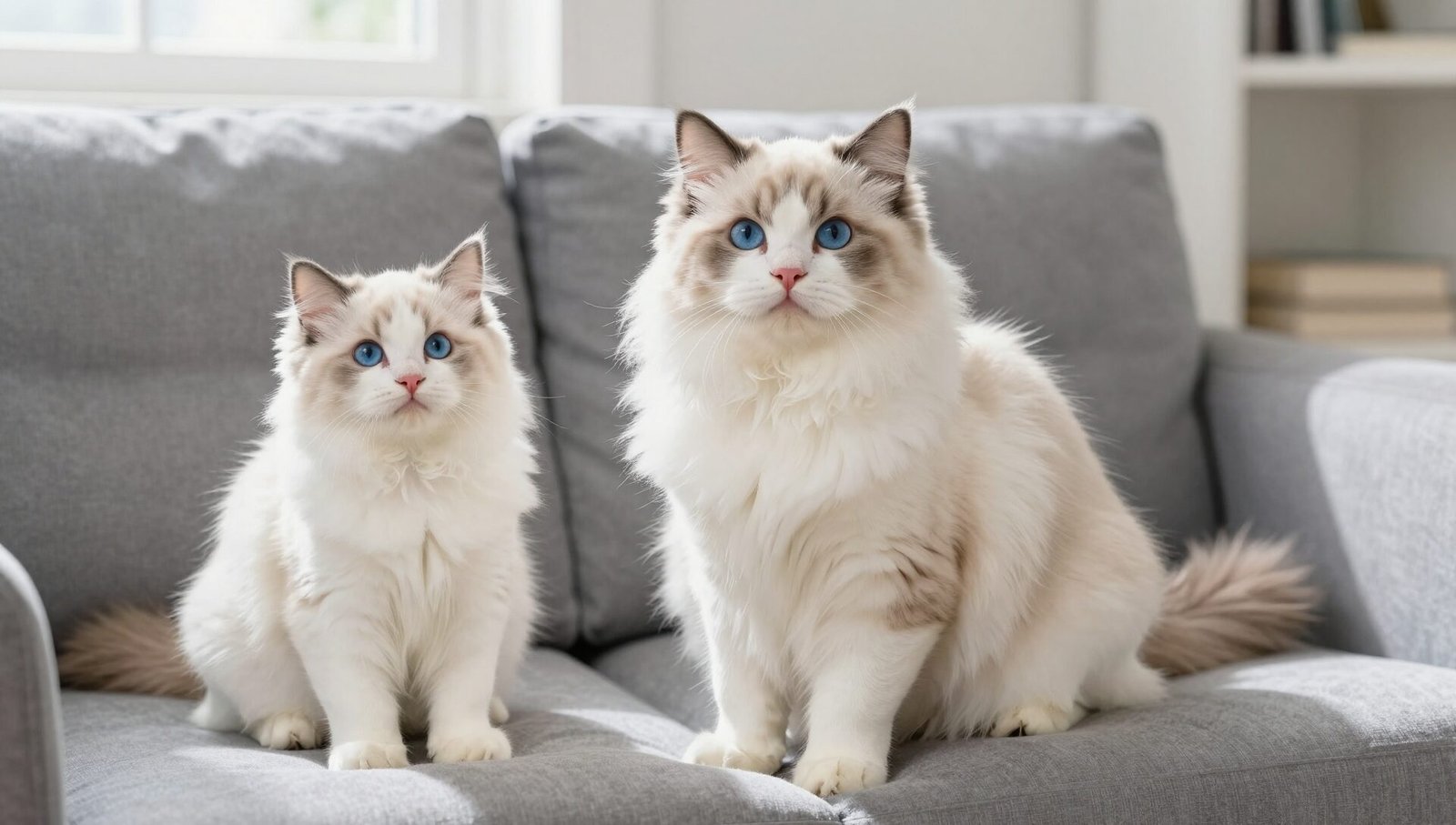
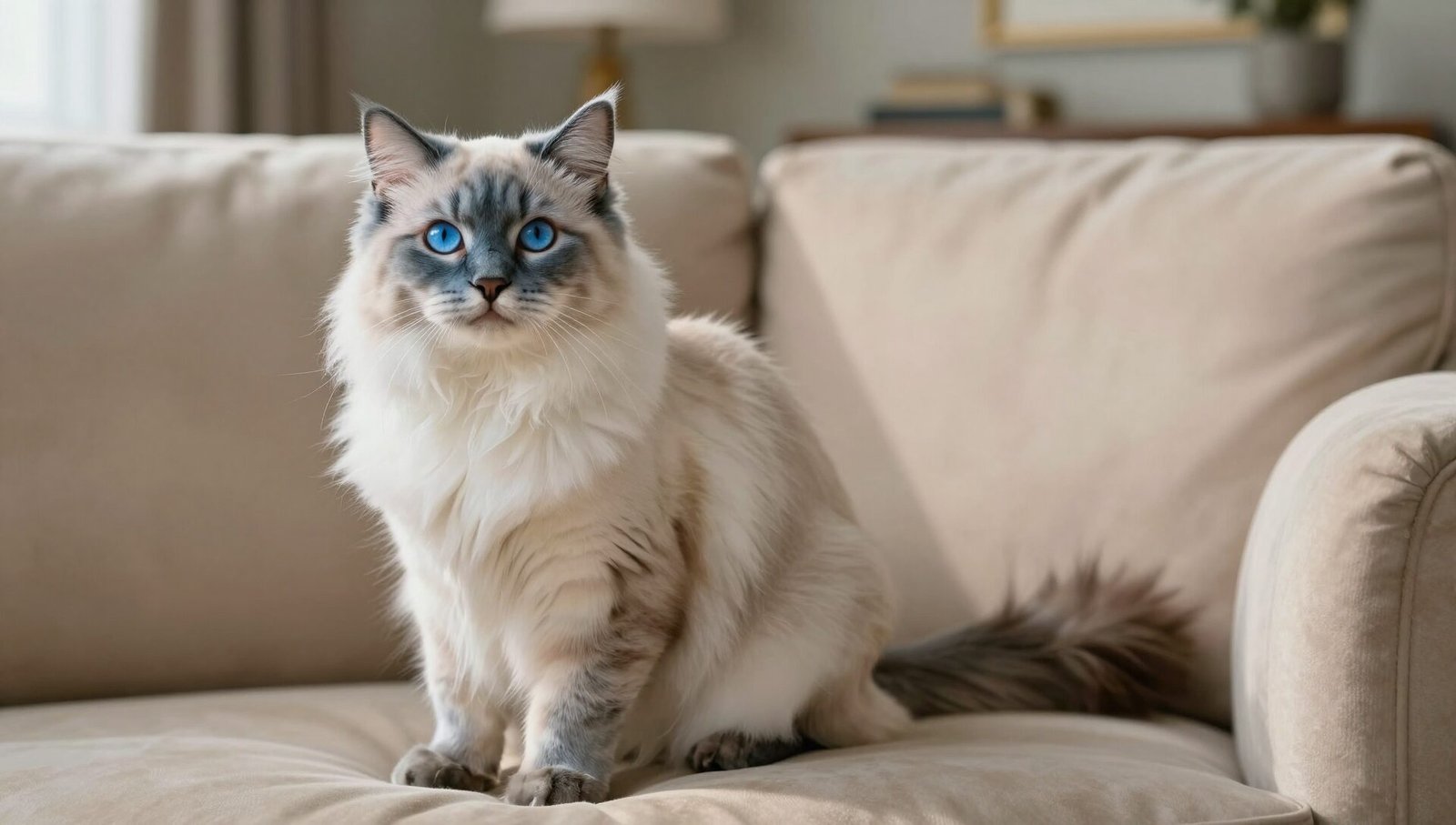
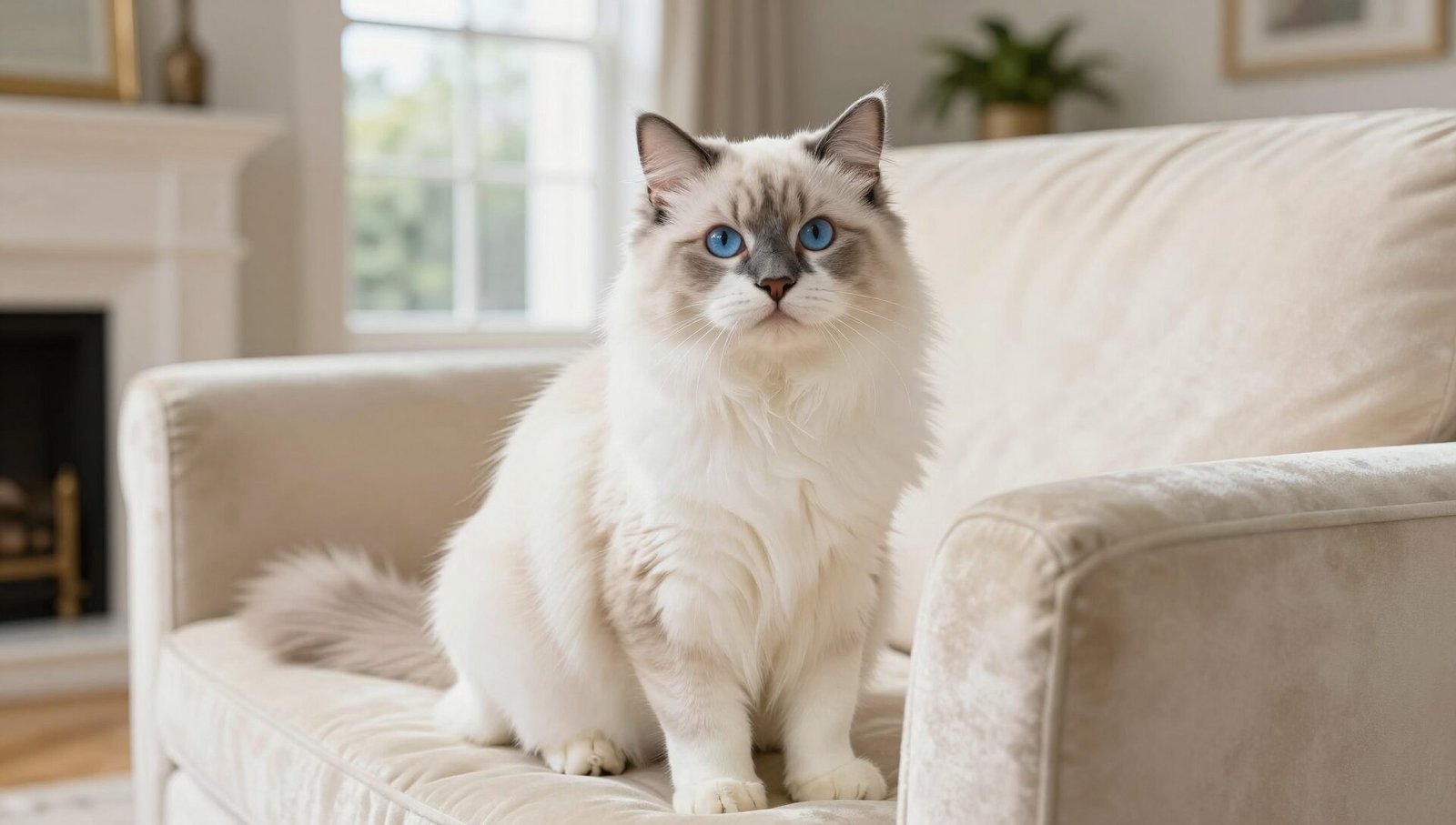
- Long Fur: Breeds like Maine Coons, Persians, and Ragdolls are essentially walking hair factories. They have more loose fur to ingest than their short-haired cousins.
- Over-grooming: Some cats groom out of boredom or anxiety. If your cat is licking themselves bald, you need to address the behavioural issue, not just the hairball.
- Diet: A diet lacking in fibre or moisture can make it difficult for fur to move through the gut.
- Underlying Health Issues: Rarely, frequent vomiting can indicate Inflammatory Bowel Disease (IBD) or thyroid issues.
It’s important to remember that while an occasional hairball is normal, frequent vomiting is not. If your cat is retching without producing fur, or if the “hairball” looks more like digested food, it might be a sign of a different digestive upset.
Is It a Hairball or Something Else?
One of the trickiest parts of owning a cat is playing detective. Is that hacking sound a fur-ball coming up, or is it something else? I once spent a fortune at the vet because I thought my cat, Barnaby, had a chronic hairball issue. Turns out, he had a blade of grass stuck up his nose!
Distinguishing Hairballs from Other Issues:
- Asthma: This is a big one. An asthmatic cat will hunch low, stretch their neck out, and wheeze or cough. It looks very similar to the retching motion of a hairball. The key difference? No fur comes up. If your cat does this repeatedly but never produces a hairball, see your vet immediately.
- Gastrointestinal Obstruction: If a hairball is too large to pass through the intestines or be vomited up, it can cause a blockage. Signs include lethargy, refusal to eat, constipation, or diarrhoea. This is a medical emergency.
- General Vomiting: Cats vomit for many reasons—eating too fast, food allergies, or parasites. If the vomit doesn’t contain a tubular mass of fur, it’s likely just general gastric upset.
The Top 5 Remedies for Cat Hairballs
Alright, let’s get down to brass tacks. How do we actually get rid of these things? I’ve tried everything from expensive gels to pumpkin puree. Here is a breakdown of the most effective treatments, ranging from medical interventions to lifestyle changes.
1. Petroleum-Based Lubricants (The Classic Gel)
These are the most common treatments. Products like Laxatone or generic hairball gels usually contain white petrolatum. They work by coating the hairball in the stomach, allowing it to slide through the digestive tract more easily.
- How to use: You usually squeeze a small amount onto your finger or their paw. Most cats actually enjoy the taste (often malt or tuna flavoured).
- Pros: Fast-acting and effective for immediate relief.
- Cons: Can interfere with the absorption of certain vitamins and medications if used too frequently. It’s a bit messy, too.
2. Dietary Fibre Supplements
If you don’t want to use petroleum, fibre is your best friend. Fibre adds bulk to the stool, helping to push the hair through the intestines.
- Pumpkin Puree: A teaspoon of plain, cooked pumpkin (not the pie filling with spices!) is a fantastic natural laxative.
- Psyllium Husk: You can sprinkle a tiny amount on their wet food.
- Cat Grass: Letting your cat chew on wheatgrass can help bind the fur in the stomach and induce vomiting if necessary, helping to clear the system.
3. Specialised Hairball Control Cat Food
Many major pet food brands offer “Hairball Control” formulas. These diets are typically higher in fibre and contain specific ingredients to support skin and coat health, reducing shedding.
- Pros: Convenient. It tackles the problem at the source (diet) rather than treating symptoms.
- Cons: Not all cats like the taste, and they can be pricier than standard kibble. Always transition slowly to avoid upset tummies.
4. Hydration
Wet food is a lifesaver for hairball-prone cats. Cats are notorious for not drinking enough water. Dry food is only about 10% moisture, whereas wet food is around 70-80%. That extra hydration keeps the digestive system lubricated and moving smoothly.
5. Regular Brushing
This is the preventative gold standard. If the hair never gets into the cat, it can’t form a ball in the stomach.
Comparison Table: Hairball Remedies
| Remedy Type | Best For | Application | Cost | Natural? |
|---|---|---|---|---|
| Petroleum Gel | Immediate relief | Oral/Paw | Low-Medium | No |
| Dietary Fibre | Mild/Moderate cases | Mixed with food | Low | Yes |
| Prescription Diet | Chronic sufferers | Daily feeding | High | No |
| Cat Grass | Instinctive cleansing | Free access | Low | Yes |
| Brushing | Prevention | Daily routine | Low (One-off) | Yes |
Grooming: The First Line of Defence
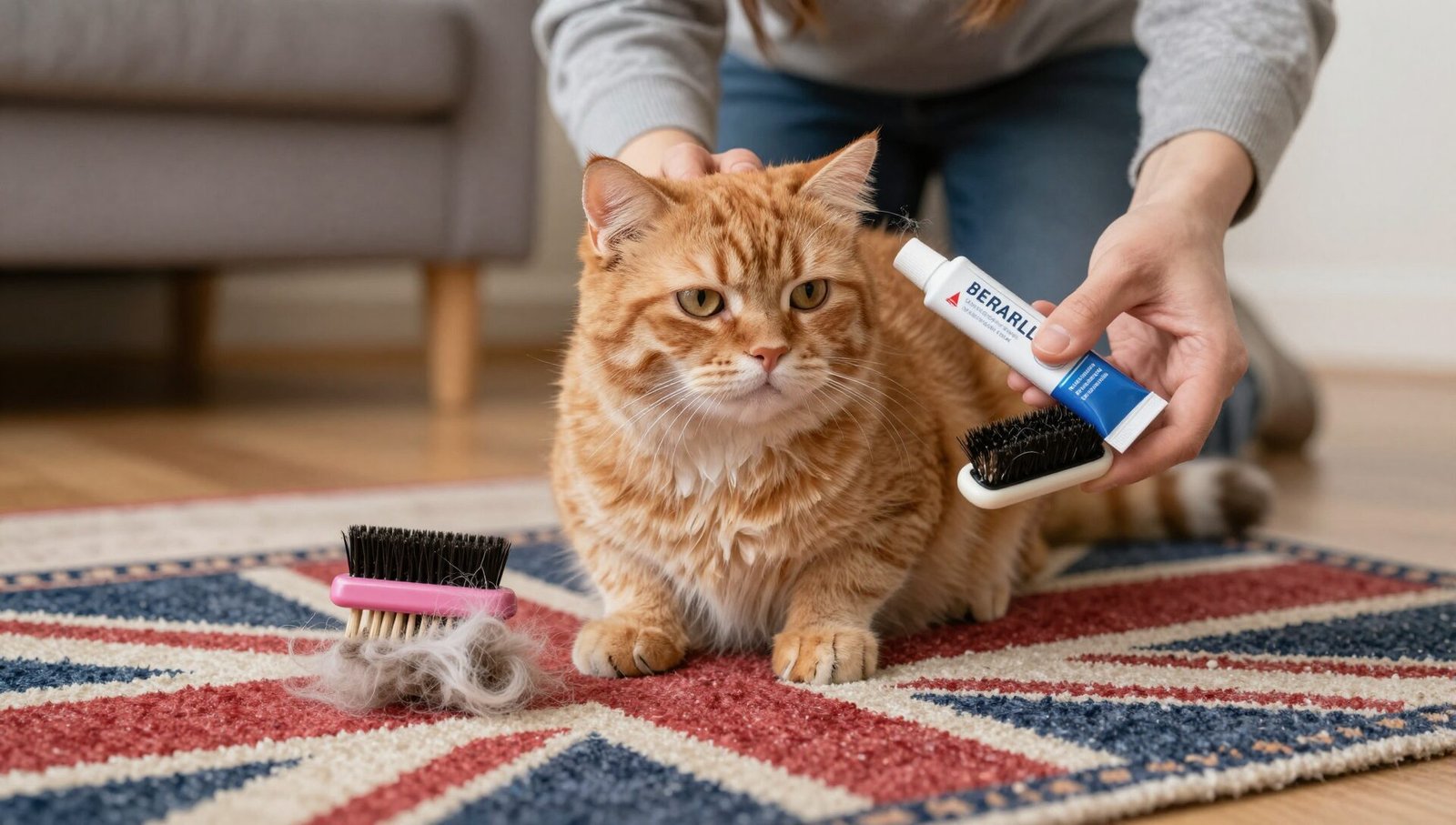
I cannot stress this enough: grooming is the number one way to prevent cat hairballs. You need to get that loose fur out before your cat does.
Brushing Tips:
- Short-haired cats: A weekly brush with a rubber curry comb or bristle brush is usually sufficient.
- Long-haired cats: They require daily attention. Use a stainless steel comb to get through the undercoat and a slicker brush for the topcoat. Be gentle around the belly and “armpits,” as mats love to form there.
- De-shedding tools: Tools like the Furminator are great for removing loose undercoat hair, but use them sparingly (once a week) to avoid irritating the skin.
If your cat hates being brushed (like my Barnaby, who treats the brush like a mortal enemy), try grooming them while they are sleepy or use grooming gloves. It feels like petting to them, so they are less likely to object.
Indoor vs Outdoor Cats and Hairballs
Does where your cat lives impact their hairball frequency? Surprisingly, yes.
Indoor Cats:
- Constant Temperature: Living in a centrally heated home (very common in the UK) means cats shed continuously year-round rather than having distinct seasonal sheds. This can lead to more hair ingestion.
- Boredom: Indoor cats may over-groom due to lack of stimulation.
Outdoor Cats:
- Natural Cleansing: Outdoor cats often eat grass instinctively to help them regurgitate hairballs.
- Weather Adaptation: They shed more seasonally (spring and autumn).
Actionable Tip for Indoor Cats: If you have a strictly indoor cat, you must provide enrichment and regular grooming. Set up a “catio” or window perch to keep them entertained, and consider a water fountain to encourage drinking. A hydrated cat is a cat with fewer hairballs.
When Should You See the Vet?
As a general rule of thumb, a hairball every few months is normal. However, you should book an appointment with your vet if:
- Your cat is vomiting hairballs more than once a month.
- They are vomiting but not producing any hair.
- They show signs of lethargy, weight loss, or lack of appetite.
- They are straining in the litter tray (could be constipation caused by a blockage).
- Their belly feels hard or swollen.
Emergency Warning: If your cat is repeatedly retching, salivating, and unable to keep water down, this could be a total intestinal blockage. This requires immediate veterinary intervention, often surgery. Don’t wait it out.
Lifestyle Changes to Prevent Future Hairballs
Treating a hairball is one thing; preventing them is another. Here are some holistic changes you can make to your cat’s life to reduce the hairy surprises:
- Increase Playtime: A bored cat grooms. An active cat hunts toys. Spend at least 15 minutes twice a day playing with wand toys or laser pointers. This reduces stress-related grooming.
- Puzzle Feeders: Instead of dumping kibble in a bowl, use a puzzle feeder. This slows down eating and provides mental stimulation, reducing boredom.
- Probiotics: Some vets recommend probiotic supplements to support overall gut health. A healthy gut moves fur through the system more efficiently.
- Damp Cloth Wipe-down: After a grooming session, wipe your cat down with a damp microfibre cloth. This picks up the loose fur that the brush missed.
FAQs About Cat Hairballs
Are hairballs harmful to cats? An occasional hairball is a normal part of cat ownership. However, frequent hairballs can be harmful. They can lead to dehydration from vomiting, weight loss, and in severe cases, a life-threatening intestinal blockage. If hairballs are frequent, they need to be managed with diet and grooming.
Do all cats get hairballs? No, not all cats get hairballs. Some cats, particularly those with short coats and efficient digestive systems, pass all ingested fur in their stool. You might own a cat for 20 years and never see one hairball. Conversely, long-haired breeds almost always struggle with them at some point.
Can I use human laxatives for my cat’s hairball? Never give your cat a human laxative without specific instructions from your vet. Human laxatives can be too strong for a cat’s small body and can cause severe diarrhoea and dehydration. Stick to cat-specific petroleum jellies or fibre supplements.
Why does my cat eat grass and then vomit? Cats are obligate carnivores, meaning they don’t need vegetation to survive. However, they often eat grass instinctively when they feel nauseous or to help induce vomiting to bring up a hairball. The grass tickles the stomach lining, triggering the vomiting reflex. It’s a natural, albeit messy, form of self-medication.
Is there a difference between hairball vomit and sick vomit? Yes. Hairball vomit is usually cylindrical (tube-shaped), comprised mostly of matted fur, and often accompanied by clear or yellow bile. Regular vomit is usually a mix of digested food, fluid, and may look more splattered. However, sometimes a cat will vomit food because a hairball is blocking the exit of the stomach.
How often is too often for hairballs? If your cat is bringing up hairballs more than once a month, that is “too often.” At that frequency, the vomiting is irritating the oesophagus and could indicate an underlying issue like IBD or excessive shedding that needs addressing.
Conclusion
Dealing with cat hairballs is one of the less glamourous aspects of the human-feline bond, but it comes with the territory. While that 3 AM retching sound is jarring, it’s usually a manageable issue with the right approach.
To recap:
- Brush daily to remove loose fur.
- Hydrate your cat with wet food and water fountains.
- Use remedies like pumpkin puree or cat-specific gels when needed.
- Monitor closely for signs of obstruction.
By staying proactive with grooming and diet, you can significantly reduce the number of “fur sausages” you find on your carpet. And remember, if something doesn’t seem right, your vet is always your best resource. Here’s to happy, healthy, and less-hairy tummies