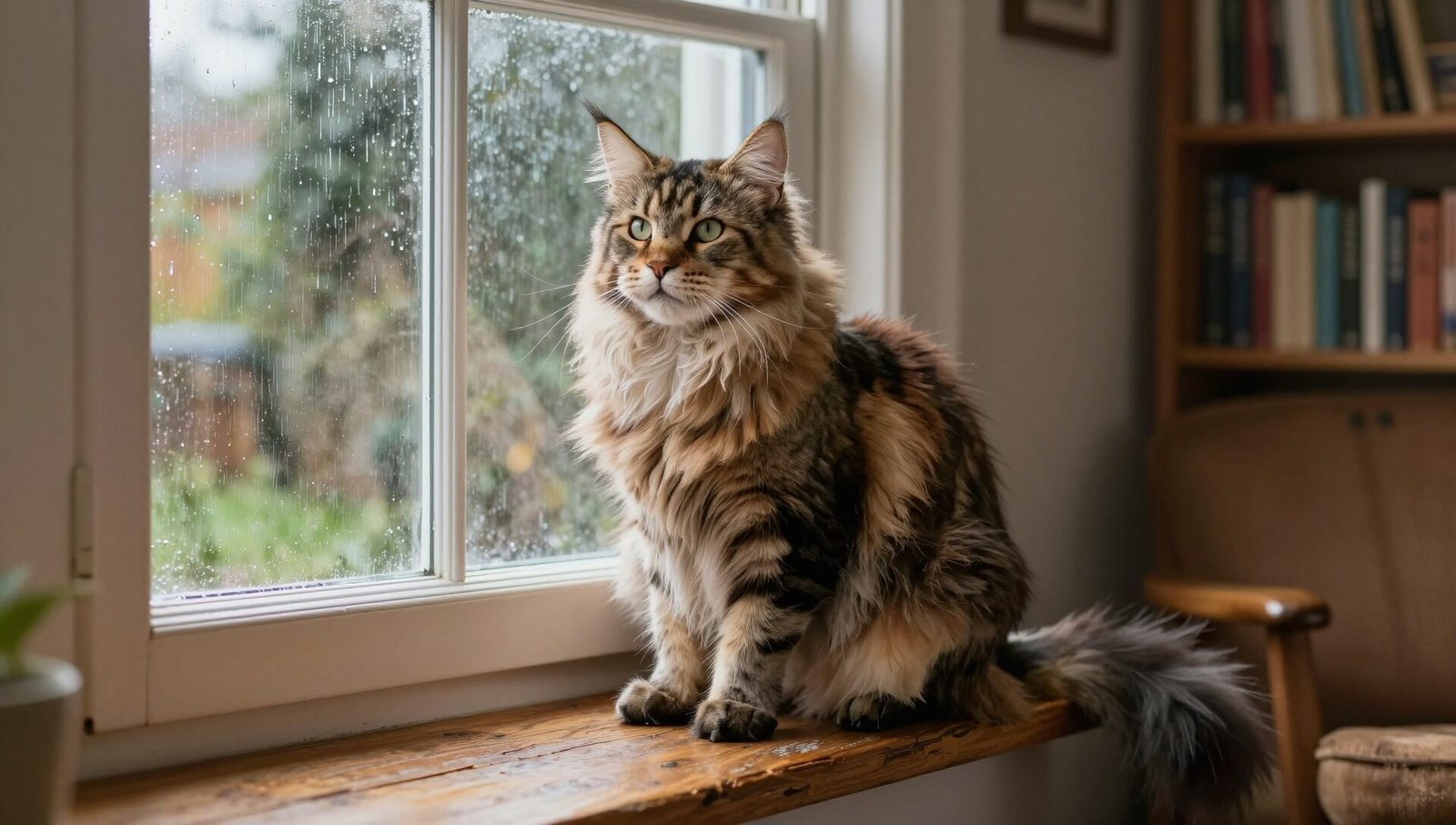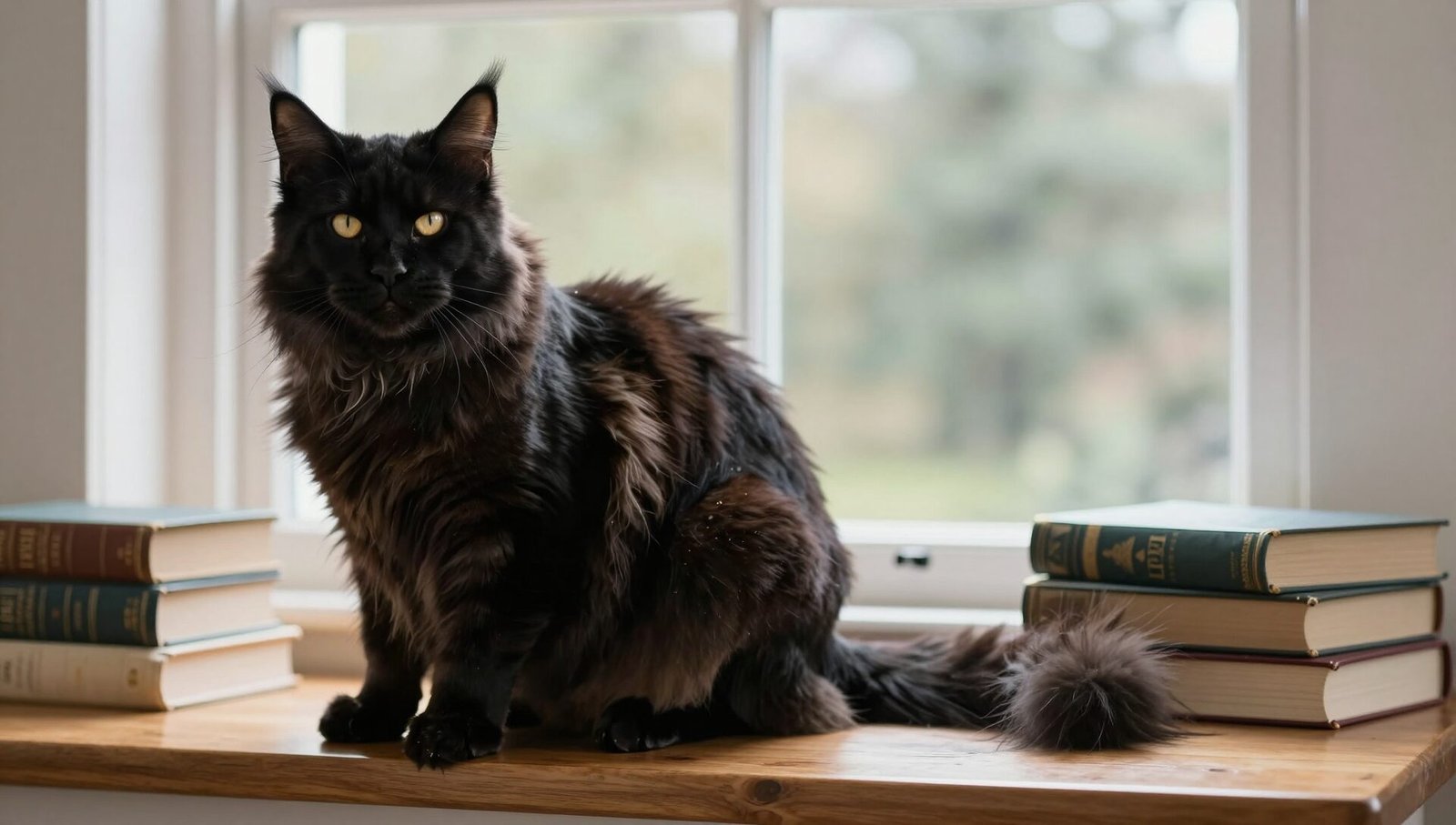
Before we dive into the nitty-gritty, let’s talk about why this choice matters so much. I’ve seen too many heartbroken families deal with unexpected vet bills or behavioural issues simply because they didn’t do their homework. A reputable breeder isn’t just selling a kitten; they’re bringing a new family member into your life with the best possible start.
Responsible breeders invest countless hours and significant money into health testing, premium nutrition, and early socialisation. They are the gatekeepers of the breed’s future, working to eliminate genetic defects like Hypertrophic Cardiomyopathy (HCM) and Hip Dysplasia. By choosing a responsible breeder, you are voting with your wallet for ethical practices and ensuring your kitten has the best chance at a long, healthy life.
On the flip side, avoiding “backyard breeders” or kitten mills is crucial. These operations often prioritise profit over welfare, leading to sickly animals and stressed parents. Remember, if a deal looks too good to be true, it probably is!
Understanding GCCF Registration and Ethics
In the UK, the gold standard for cat registration is the Governing Council of the Cat Fancy (GCCF). When searching for Maine Coon Cat Breeders UK, looking for GCCF registration should be your first port of call.
Why GCCF Matters
The GCCF sets strict guidelines for breeders regarding health, welfare, and kitten sales. Breeders affiliated with the GCCF—and specifically clubs like the Maine Coon Cat Club (MCCC)—must adhere to a robust Code of Ethics. This usually includes:
- Keeping cats in excellent home environments.
- Ensuring kittens are vaccinated, microchipped, and vet-checked.
- Not releasing kittens until they are at least 13 weeks old.
- Providing a pedigree and registration certificate.
I always advise asking to see the GCCF registration slips for both parents. This isn’t rude; it’s prudent! It proves the lineage and ensures you aren’t supporting a kitten mill masquerading as a loving home.
The Search: How to Find Maine Coon Cat Breeders UK
Finding a breeder requires patience. The demand for Maine Coons is incredibly high, and waiting lists of 6 to 12 months are perfectly normal. If a breeder has kittens “ready to go” immediately without a waitlist, be cautious.
Where to Look
- The GCCF Website: They have a searchable breeder directory.
- Breed Clubs: The Maine Coon Cat Club (MCCC) maintains a list of breeders split by region (South, Central, North). Being on this list usually means the breeder has agreed to the club’s ethical standards.
- Cat Shows: Attending a show is a fantastic way to meet breeders in person. You can see their cats, ask questions, and get a feel for their knowledge and passion.
- Pro Tip: Don’t be discouraged if the first breeder you contact is full. Ask if they can recommend a colleague. The breeding community is tight-knit, and good breeders know other good breeders!
Red Flags: Spotting a Bad Breeder
This is where your “detective hat” comes in. Unfortunately, there are bad apples in every basket. Here are some warning signs I’ve learned to spot over the years:
- Multiple Breeds Available: If a website lists Maine Coons, Bengals, Ragdolls, and Persians all ready for sale, it’s likely a commercial operation or broker.
- No Questions Asked: A good breeder interviews you. If they don’t care where their kitten ends up, they don’t care about the kitten.
- Too Early Release: Kittens leaving before 13 weeks is a massive red flag. They miss crucial socialisation time with their mother and littermates.
- Dirty Environment: If you visit (and you must visit) and the litter trays are overflowing or the smell is overpowering, walk away.
- Cash Only / No Contracts: Legitimate breeders provide contracts of sale and usually accept bank transfers. “Cash in hand” often implies no tax—and no accountability.
The Visit: What to Ask and Look For
So, you’ve found a potential breeder. Now it’s time for the interview. Remember, you are interviewing them just as much as they are interviewing you.
Key Questions to Ask
- Health Screening: “Have the parents been scanned for HCM (Hypertrophic Cardiomyopathy) and tested for SMA (Spinal Muscular Atrophy) and PKDef (Pyruvate Kinase Deficiency)?” These are non-negotiable for Maine Coons.
- Socialisation: “How are the kittens raised?” Look for breeders raising kittens inside the home. Underfoot kittens (raised amidst household noise) make much better pets than those raised in isolated cages or outbuildings.
- Diet: “What are you feeding them?” A knowledgeable breeder will discuss high-quality wet food or raw diets rather than just cheap kibble.
- The Contract: “What happens if I can no longer keep the cat?” Responsible breeders always take their cats back, no matter the age.
- Humorous aside: Don’t be surprised if the breeder asks you about your windows! They want to ensure you have secure cat-flaps or plans to keep their precious kitten safe.
The Cost: Is a Pedigree Maine Coon Worth It?
Let’s talk money. Pedigree Maine Coons aren’t cheap. In the current UK market, you can expect to pay anywhere from £800 to £1,500+ for a pet-quality kitten. Show or breeding quality will cost significantly more.
What You Are Paying For
- Health Testing: Scans and DNA tests cost hundreds of pounds.
- Quality Food: Premium nutrition for queens and kittens.
- Veterinary Care: Vaccinations (usually 2 sets), microchipping, and health checks.
- Registration Fees: GCCF paperwork.
- Time: Sleepless nights helping with births, cleaning, and socialising.
If you see a kitten for £300 with “papers,” alarm bells should ring. That price barely covers vaccinations, let alone the care required. Cutting corners on price often means cutting corners on health.
Preparing Your Home: Maine Coon Kitten Care
Once you’ve secured your kitten, the real fun begins! Maine Coons are big cats, so they need big preparations.
Essential Shopping List
- Large Litter Tray: Maine Coons grow fast. Get a large, high-sided tray to accommodate their size and prevent “misses.”
- Sturdy Scratching Posts: Don’t buy flimsy posts from the supermarket. Invest in floor-to-ceiling sisal posts. If they tip over, the cat won’t use them.
- High-Quality Food: Follow the breeder’s diet sheet initially to avoid tummy upsets.
- Carrier: A robust, hard-sided carrier is essential for vet trips.
The First Few Days
The first night is often the hardest. Your kitten might cry for their siblings. I recommend placing a hot water bottle (wrapped in a towel) and a ticking clock near their bed to mimic the warmth and heartbeat of their mother. It sounds old-fashioned, but it works a treat!
Health and Lifespan: The Maine Coon Advantage
Maine Coons are generally robust cats, with a lifespan of 12 to 15 years, sometimes longer. However, they are predisposed to certain conditions.
Common Health Issues
- HCM: A heart condition. Responsible breeding minimizes this risk.
- Hip Dysplasia: Common in large breeds. You might notice a “waddle” rather than a limp.
- Dental Issues: Regular tooth brushing is a must.
Vet Visits: Keep up with annual vaccinations and flea/worm treatments. Because Maine Coons are an investment, I highly recommend getting pet insurance immediately. Vet bills in the UK can be astronomical, and insurance provides peace of mind.
Grooming: Managing that Magnificent Coat
Unlike Persians, the Maine Coon coat is semi-long and self-maintaining to an extent. However, they still need grooming.
- Tools: A metal comb and a slicker brush are your best friends.
- Frequency: Aim for a quick brush 2-3 times a week to prevent mats, especially in the “trousers” (back legs) and behind the ears.
- Bathing: Most Maine Coons tolerate water well, but frequent baths aren’t necessary unless they get into something messy.
- Real-life tip: If you find a small mat, don’t try to rip it out! Use a mat splitter or gently tease it apart with your fingers. Pulling hurts and will make your cat terrified of grooming.
Indoor vs. Outdoor: The Great Debate
In the UK, the trend is shifting towards keeping cats indoors or providing secure “catios” (cat patios). Maine Coons are valuable and friendly—traits that can make them targets for theft or accidents.
If you let them out, ensure your garden is secure. Maine Coons aren’t great climbers initially due to their size, so they may struggle to escape danger compared to agile moggies. A harness and lead is a great compromise, allowing them to explore the garden safely under your supervision.
FAQs
How much does a Maine Coon kitten cost in the UK? Prices typically range from £800 to over £1,500 for a pet-quality kitten. This price reflects the breeder’s investment in health testing, high-quality nutrition, veterinary care, and GCCF registration fees.
Are Maine Coons good with children? Yes, Maine Coons are renowned for their gentle, dog-like temperament and patience, making them excellent companions for families with children. They are playful and sociable without being overly aggressive.
Do Maine Coons need a special diet? While they don’t need a radically different diet, they thrive on high-protein, high-quality food. Because they are a large breed, ensuring they get enough taurine and joint-supporting nutrients is vital for their heart and bone health.
How can I verify a GCCF registered breeder? You can check the GCCF website or ask the breeder for their GCCF Breeder Prefix. You should also request to see the registration documents for the kitten’s parents to verify their lineage and status.
Are Maine Coons hypoallergenic? No cat is truly hypoallergenic, and Maine Coons definitely are not. They have long fur and produce the Fel d 1 protein like other cats. If you have severe allergies, spend time with the breed before committing.
What is the lifespan of a Maine Coon? With proper care, a healthy Maine Coon typically lives between 12 and 15 years. Some have been known to live even longer, reaching into their late teens with excellent nutrition and regular veterinary care.
Conclusion
Finding the right Maine Coon Cat Breeders UK is a journey that requires patience, research, and a healthy dose of scepticism. However, the reward—a loving, majestic companion who greets you at the door and purrs like a small engine—is worth every ounce of effort. By prioritising health, ethics, and GCCF registration, you’re not just buying a pet; you’re investing in a healthy future and supporting the preservation of this magnificent breed. Good luck with your search