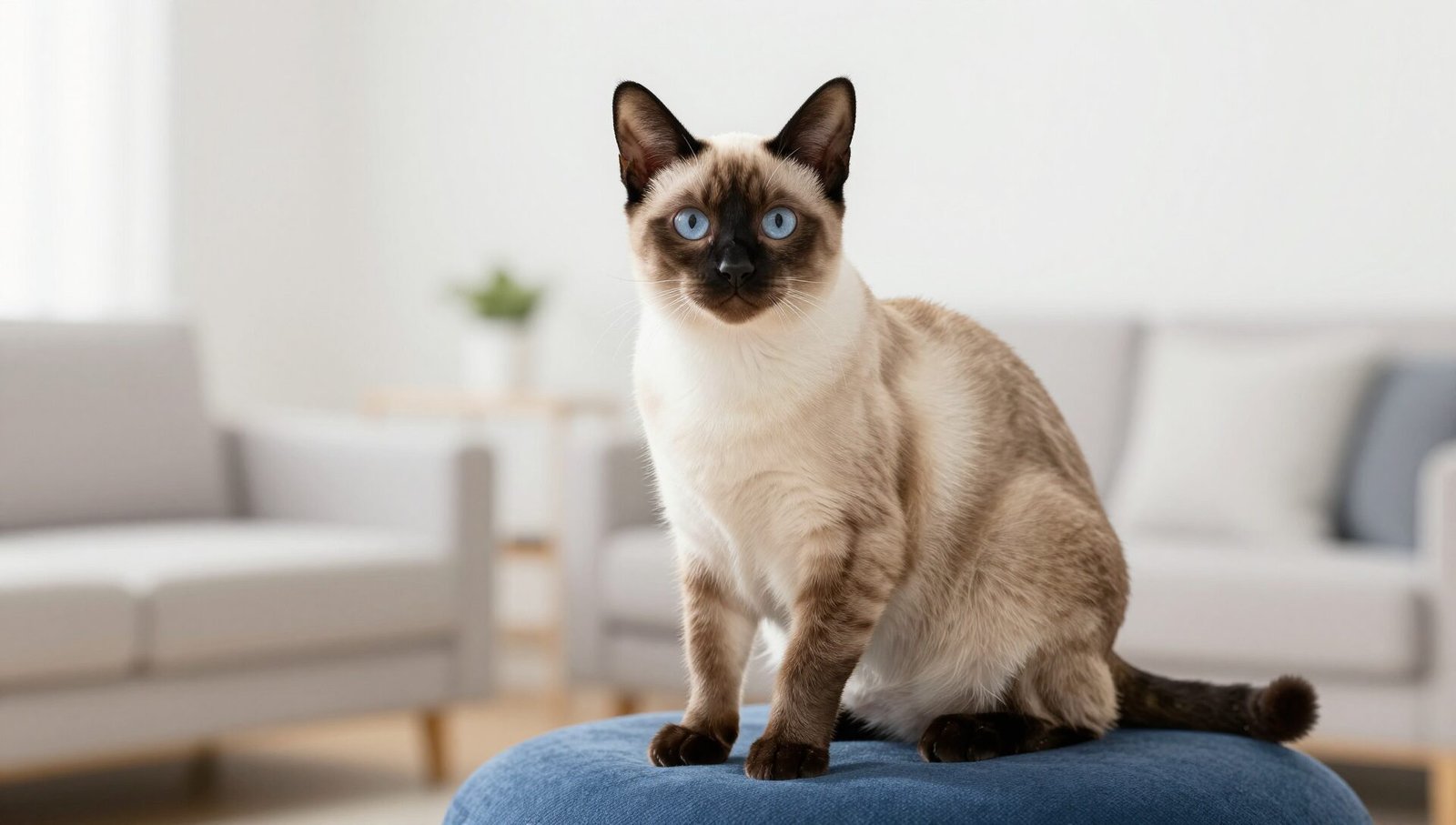
If you are reading this, chances are you have fallen in love with the striking blue eyes and vocal charms of the Siamese. I get it; they are magnificent creatures. But before you rush out to buy one, you need to know how to separate the wheat from the chaff. Finding the right Siamese cat breeders is arguably the most critical step in your ownership journey. It is the difference between bringing home a healthy, well-socialized companion and facing a world of heartbreak and vet bills down the line.
I have been around the “cat fancy” block a few times, and I have seen the good, the bad, and the ugly when it comes to breeders. A kitten isn’t a toaster; you can’t just return it if it doesn’t work. You are taking on a living, breathing responsibility that could last 15 to 20 years. So, grab a cuppa, sit down, and let’s walk through exactly what you need to know about sourcing your new family member.
What to Look for in Reputable Siamese Cat Breeders
When you start your search, it is easy to get blinded by cute photos on the internet. However, the first thing you need to assess is the ethics of the operation. Reputable Siamese cat breeders are not in it to make a quick buck; they are in it to improve the breed.
Registration and Standards In the UK, you should look for breeders registered with governing bodies like the GCCF (Governing Council of the Cat Fancy) or TICA (The International Cat Association). This ensures they adhere to strict codes of conduct regarding breeding ages, frequency of litters, and care standards. If a breeder isn’t registered, ask yourself why.
Health Testing is Non-Negotiable This is a big one. The Siamese breed is generally robust, but they can be prone to certain genetic issues. Good breeders will test their stock for:
- Progressive Retinal Atrophy (PRA): An eye condition that can lead to blindness.
- Amyloidosis: A protein build-up that can affect the liver.
- Respiratory issues: While less genetic, the “head shape” can sometimes cause issues, so responsible breeding is key.
The Environment A good breeder will invite you into their home (or at least to a viewing area) to see the kittens with their mother. If they want to meet you in a car park or a service station, run for the hills. That is the hallmark of a kitten farm.
Understanding the Siamese Cat: Breed Profile
Before you commit, it is helpful to understand exactly what makes a Siamese a Siamese. You will often hear terms like “Traditional” or “Modern,” and it is important to know the difference before contacting Siamese cat breeders.
Head Shape
- Modern/Wedge Head: These are the cats you often see at Crufts. They have a long, tubular body, a distinct wedge-shaped head, and enormous “satellite dish” ears. They are elegant, angular, and very high-fashion.
- Traditional/Apple Head: These resemble the cats from the Victorian era. They have a rounder face, a more robust body, and are often favored as pets over show cats because they tend to have fewer respiratory issues.
The Points Regardless of head shape, all Siamese cats have “points”—darker coloring on the ears, face, paws, and tail. Common colours include Seal, Blue, Chocolate, and Lilac. The colour of a kitten is actually temperature-sensitive! They are born white because the womb is warm, and the points darken as they are exposed to cooler temperatures in the outside world. It’s a bit of biological magic, really.
Temperament and Personality Traits
Let’s be real: the Siamese is not a cat for someone who wants a quiet, decorative ornament that sits in the corner. They are the extroverts of the feline world.
The “Meezer” Voice They are famous for their voice. It is a low-pitched, raspy yowl known as a “meezer.” If you want a cat that communicates with you, this is your breed. I have had full “conversations” with my cats that lasted ten minutes. However, if you live in a flat with thin walls and easily annoyed neighbours, this might be something to consider.
Velcro Cats Siamese cats love human company. I mean, they really love it. They will follow you to the loo, sit on your keyboard while you work, and sleep on your head. If you work long hours and are rarely home, a Siamese might get lonely and develop behavioural issues. They crave interaction.
Nutrition and Feeding Your Siamese
Feline nutrition is a minefield, but keeping your Siamese in top condition is vital. These cats are muscular but slender, and they can gain weight just like the rest of us if we aren’t careful.
Wet vs. Dry Food I recommend a mix. High-quality wet food is essential for hydration—cats evolved to get their water from their prey, not from a bowl. However, a bit of high-quality kibble can be good for their teeth.
The Picky Eater Problem Here is a funny (and slightly annoying) quirk of the breed: they can be incredibly fussy. I once bought a bulk box of expensive organic food because my kitten sniffed it once at the shop. Once it arrived home? He looked at me like I had served him cardboard. My tip? Don’t buy in bulk until you know their favourite flavours.
Table Comparison: Diet Options
| Food Type | Pros | Cons |
|---|---|---|
| Wet Food | High hydration, natural ingredients | Shorter shelf life once opened, teeth care needed |
| Dry Food | Convenient, good for teeth, cheaper | Low moisture, can lead to weight gain |
| Raw Diet | Highly natural, excellent coat condition | Risk of bacteria if not handled correctly, expensive |
Grooming Needs and Coat Care
Good news for those of us who aren’t fans of hoovering hair off every surface: the Siamese has a short, fine coat that lies close to the body.
Low Maintenance, High Shine They don’t require daily brushing like a Persian. A quick wipe down with a chamois leather or a gentle brush once a week is usually enough to keep their coat gleaming. They also shed significantly less than long-haired breeds.
Bathing Most cats hate water, and the Siamese is no exception. However, because their coat is so short and oily, they can sometimes get a bit greasy around the neck. You generally won’t need to bathe them often, but if you do, start them young! I made the mistake of trying to bathe an adult rescue Siamese once… let’s just say I looked like I’d been in a fight with a lawnmower afterwards.
Health and Common Medical Issues
While they are generally healthy, there are a few things to keep an eye on. Understanding these can help you ask the right questions of your Siamese cat breeders.
Respiratory and Dental Issues The modern “wedge head” shape can sometimes lead to respiratory issues or misaligned teeth (malocclusion). Regular vet check-ups are essential. I always recommend pet insurance from day one. It might seem like an unnecessary monthly expense until you are hit with a £1,000 vet bill because your cat ate a rubber band (it happens more often than you think).
PICA Siamese cats are notorious for PICA, which is the urge to eat non-food items. Wool sucking is very common. They will chew on blankets, plastic bags, and cables. You must kitten-proof your house thoroughly.
Indoor vs Outdoor Living
In the UK, the debate over indoor vs outdoor cats is fierce.
The Case for Indoors Siamese cats are highly desirable and have no “street smarts.” They are trusting and can easily be stolen. They are also prone to getting into scraps with other cats because of their territorial nature. Keeping them indoors protects them from cars, diseases, and theft.
The Compromise If you have a garden, consider building a “catio” (cat patio) or using a harness. Yes, you can walk a Siamese on a lead! It takes patience, but it gives them the stimulation of the outdoors without the risks. If you do let them out, ensure they are microchipped and neutered.
Training and Enrichment
You might think you can’t train a cat, but the Siamese is incredibly intelligent. They get bored easily, and a bored Siamese is a destructive Siamese.
Litter Training Thankfully, they are usually very clean and take to litter training naturally. The main issue isn’t using the box; it’s the mess. They love to scratch and cover their business, often sending litter flying across the bathroom floor. A high-sided litter tray is a lifesaver.
Scratching Behaviour They love to scratch. It’s how they stretch their muscles and mark territory. If you don’t provide a scratching post, they will provide one for themselves (your sofa). Invest in a tall, sturdy cat tree.
Enrichment Toys Puzzle feeders are fantastic for this breed. It engages their hunting instincts and slows down their eating. I rotate my cat’s toys every few days so they always feel “new.”
The Cost of Owning a Siamese
Let’s talk brass tacks. The initial cost of a kitten from registered Siamese cat breeders in the UK can range from £400 to £800, sometimes more for show quality.
Ongoing Costs
- Food: £30-£50/month for quality nutrition.
- Insurance: £20-£40/month (essential).
- Vaccinations/Flea/Worming: £100-£150/year.
- Litter: £10-£20/month.
It adds up. Be honest with yourself about whether you can afford the long-term commitment. There is nothing worse than having to rehome a cat because of financial strain.
Is the Siamese Right for You?
So, the big question: should you do it?
Pros:
- Extremely affectionate and loyal.
- Intelligent and trainable.
- Stunningly beautiful with low grooming needs.
- Great with children and other pets (usually).
Cons:
- Very loud and vocal.
- Prone to separation anxiety.
- Can be demanding of your time.
- Potential for genetic health issues if bred poorly.
Verdict: If you want a quiet, independent pet that ignores you, get a goldfish. If you want a best friend who talks back and loves you fiercely, the Siamese is for you. Just ensure you do your homework and find the best Siamese cat breeders you can.
Frequently Asked Questions
Are Siamese cats good with dogs? Generally, yes! Siamese cats are quite dog-like in their behaviour. They are confident and sociable. If you introduce them to a cat-friendly dog slowly and correctly, they often become inseparable playmates. However, always supervise initial interactions.
How long do Siamese cats live? Siamese cats are one of the longer-lived breeds. With good nutrition, regular vet care, and keeping them indoors, it is not uncommon for them to reach 15 to 20 years old. Some have even been known to live into their early twenties!
Do Siamese cats require a lot of grooming? No, their short coat is very easy to maintain. A quick brush once a week is usually sufficient to remove loose hair and distribute skin oils. They do not mat like long-haired breeds.
Why are Siamese kittens so expensive? Reputable breeders have high costs. These include health screening for the parents, high-quality food, veterinary care for the mother and kittens, registration fees, and the general cost of maintaining a high standard of care. You are paying for a healthy, well-socialized kitten.
Can Siamese cats be left alone during the day? They can, but they prefer not to be. If you work long hours, consider getting two cats so they have company. A lonely Siamese can become depressed or destructive.
What is the difference between a Traditional and Modern Siamese? The main difference is the head shape. The Modern (or “Wedge Head”) has a very triangular head and large ears, while the Traditional (“Apple Head”) has a rounder, more robust face. Both are beautiful, but the Traditional is often considered lower-maintenance in terms of health.
Conclusion
Finding the right pet is a journey, and the Siamese is a breed that rewards its owners with unparalleled affection. However, the journey begins with sourcing. By doing your research, asking tough questions, and prioritizing health over price, you ensure that your new kitten starts life on the right paw.
Don’t rush the process. Visit multiple breeders, ask to see the parents, and trust your gut. If something feels off, it probably is. A good breeder will be just as picky about you as you are about them—and that’s a good sign! Good luck with your search, and may your home soon be filled with the happy “meezer” sounds of a new Siamese cat.