If you’ve been scouring the internet for a Russian Blue for sale London, you already know the struggle. The market in the capital is frantic, and the allure of those emerald green eyes is enough to make anyone want to click “Buy Now” immediately. But hold your horses—or rather, your kittens! As someone who has navigated the murky waters of London’s pet market and spent years living with these magnificent “Archangel Blues,” I can tell you that the decision to bring one home involves much more than just the price tag.
Finding a healthy, well-socialised kitten in a bustling city like London requires patience, due diligence, and a solid understanding of what you’re getting into. These aren’t just pretty faces; they are highly intelligent, sensitive creatures with specific needs.
In this guide, I’m going to walk you through everything you need to know before you commit. From understanding their quirky, dog-like personalities to avoiding scams in the classifieds, this is your ultimate handbook.
Understanding the Russian Blue Breed
Before you finalise your search for a Russian Blue for sale London, you need to understand the breed’s lineage. These cats are steeped in history, rumoured to originate from the port of Arkhangelsk in Russia (hence the nickname “Archangel Blue”). Legend has it they were the favoured pets of Russian Czars, and honestly, they carry themselves with that level of royalty.
The Physical Characteristics
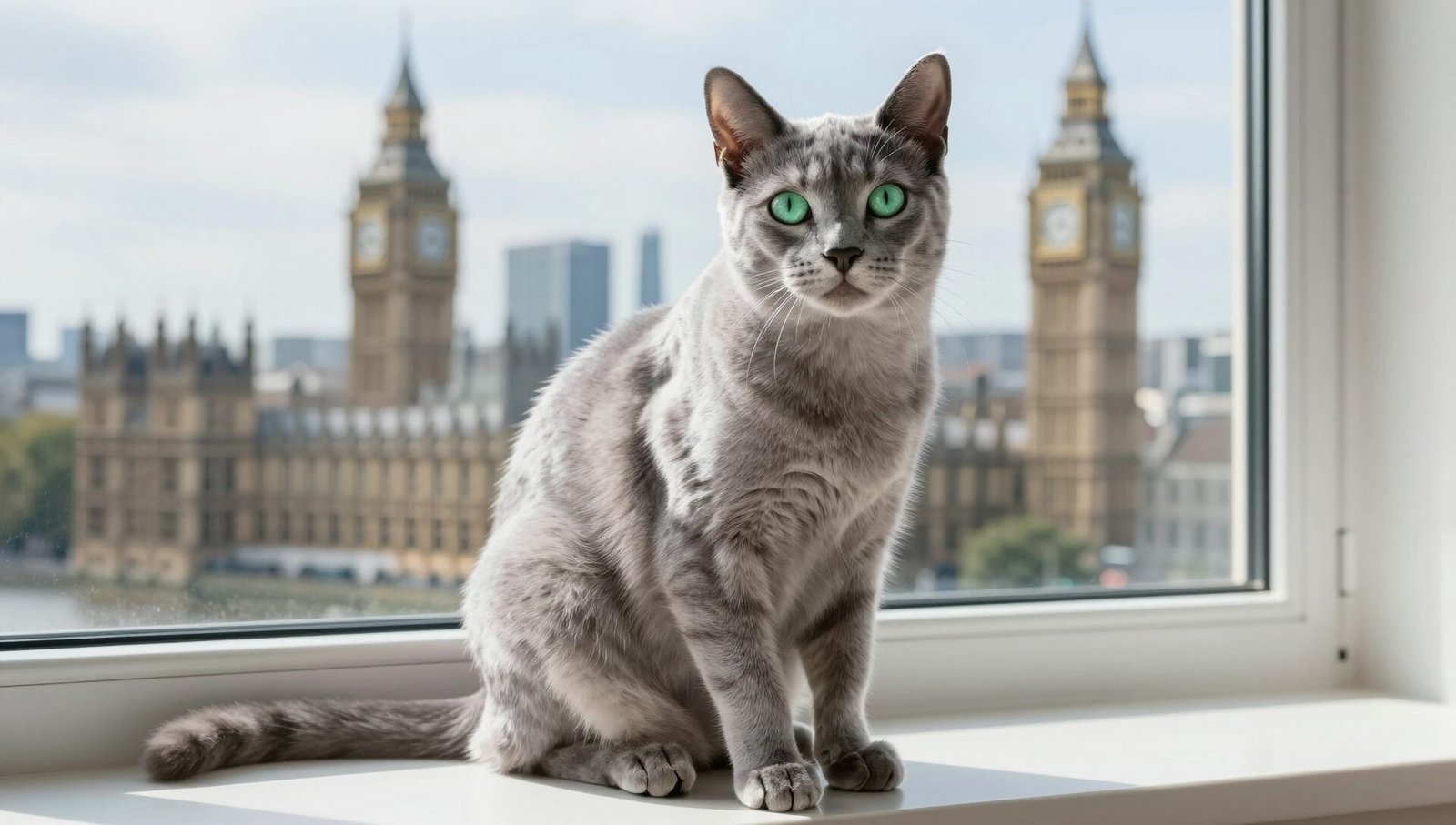
You aren’t just buying a grey cat. A purebred Russian Blue has a very distinct appearance. They possess a dense, double coat that stands upright from the body—often described as plush or “plushy.” The tips of the fur are silver, giving them that signature shimmering look under the light.
- Eyes: Must be vivid green. Kittens may have yellow eyes, but they change as they mature.
- Build: They are fine-boned but muscular and elegant.
- Expression: They have a distinct “smile,” caused by the way their head and whisker pads are set.
The “Smile” That Won the World
I remember the first time I saw a Russian Blue up close. It wasn’t just the colour; it was the face. They genuinely look like they are smiling at you. It’s an endearing feature that makes you feel like you’re in on a secret joke with them.
Personality and Temperament
If you are looking for a lap cat that also happens to be an acrobat, you’re in the right place. Russian Blues are famous for their gentle, quiet nature, but they are incredibly active and playful.
Intelligent and Loyal
These cats bond deeply with their owners. They are often described as “Velcro cats” because they will follow you from the bedroom to the kitchen and back again. However, they can be shy around strangers. If you have a busy London flat with people coming and going, you need to socialise them early.
The “Greeting Committee”
One quirky behaviour I’ve noticed—and many owners agree—is that Russian Blues will meet you at the door. They act more like dogs than cats in this regard. They want to know where you’ve been, and they demand a greeting.
Hypoallergenic?
Let’s clear this up: No cat is 100% hypoallergenic. However, Russian Blues produce lower levels of the Fel d 1 protein, which is the main allergen found in cat saliva. Many allergy sufferers find they can tolerate a Russian Blue better than other breeds. It’s a major reason people search specifically for a Russian Blue for sale London, as flat-living often involves close quarters.
Essential Care Guide
You’ve decided you want the breed. Now, how do you keep it happy? Russian Blues are sturdy, but they do have specific requirements.
Grooming the Silver-Blue Coat
The Russian Blue has a dense double coat. You might think that requires hours of grooming, but you’d be wrong.
- Brushing: Once a week is usually sufficient to remove loose hair and distribute skin oils.
- Bathing: Rarely needed. They are meticulous self-groomers.
- Shedding: They do shed, particularly in spring and autumn, so keep a lint roller handy for your London commute trousers.
Feline Nutrition and Diet
Here is a golden rule for this breed: They love food. Russian Blues are notoriously prone to obesity. If you free-feed them (leaving a full bowl out all day), you will end up with a spherical cat very quickly.
- Scheduled Feeding: Stick to strict mealtimes.
- High Protein: They thrive on high-quality, protein-rich wet food.
- Treats: Use treats sparingly. I once had a Russian Blue who learned to open the cupboard where the Dreamies were kept. They are genius-level when it comes to snacks.
Feeding Comparison Table:
| Food Type | Pros | Cons | Verdict |
|---|---|---|---|
| Wet Food | Hydration, high palatability | Spoils quickly, dental concerns | Best for weight control |
| Dry Kibble | Dental health, convenient | Low moisture, high carbs | Good for puzzle feeders |
| Raw Diet | Natural, shiny coat | Prep time, bacteria risk | Great if done correctly |
Health and Veterinary Needs
When looking for a Russian Blue for sale London, health testing is paramount. Generally, this is a robust breed with a lifespan of 15 to 20 years. They are prone to few genetic issues, which is a blessing, but there are a few things to watch out for.
Common Issues
- Bladder Stones: They can be prone to urinary tract issues. Ensure they get plenty of moisture in their diet.
- Obesity: As mentioned, their love for food is their downfall. An overweight cat is an unhealthy cat.
Vet Visits in London
London vets are expensive. There is no getting around it. Before you bring your kitten home, register with a local vet. Check if they offer a “Kitten Package” which often bundles vaccinations, microchipping, and neutering for a fixed price.
Indoor vs. Outdoor Living
This is a massive topic for Londoners. Do you let a £1,500 cat roam the streets of Clapham or Islington?
The Case for Indoor Living
I strongly advocate for keeping Russian Blues indoors, especially in London.
- Traffic: The risk of road accidents is too high.
- Theft: Pedigree cats are targets for theft.
- Disease: Outdoor cats are exposed to FIV and other parasites.
Enrichment is Key
If you keep them inside, you must make the environment stimulating. A bored Russian Blue is a destructive Russian Blue.
- Cat Trees: They love to climb. Get a floor-to-ceiling tree.
- Window Perches: They love watching the world go by (or “cat TV”).
- Secure Gardens: If you have a garden, consider a “catio” or cat-proof fencing so they can get fresh air safely.
Training and Enrichment
Because they are so intelligent, training a Russian Blue is a joy. They can be taught tricks, and they love puzzle toys.
Scratching Behaviour
They will scratch. It’s natural. To save your sofa (and your rental deposit), provide a variety of scratching posts. Sisal and cardboard work best. Place them near where they sleep and near the furniture you want to protect.
Playtime
They have bursts of energy. Interactive wands and laser pointers (used safely) are great. If you work long hours, invest in automated toys or battery-operated mice to keep them occupied.
Finding a Russian Blue for Sale London
Okay, here is the meat of the matter. You are ready to start the search. London has a high demand for pedigree cats, and the prices reflect that.
Where to Look?
- GCCF Breeders: The Governing Council of the Cat Fancy is the main registry in the UK. Always look for a breeder listed here.
- TICA: The International Cat Association is also reputable.
- Rescue: Occasionally, Russian Blues appear in rescue centres. It’s rare, but it happens. Check Blue Cross or Cats Protection.
What to Look For
A good breeder will:
- Let you visit the home (never buy from a car park).
- Show you the mother.
- Provide a pedigree certificate.
- Have vaccinated and microchipped the kitten.
Avoiding Scams
If the price for a Russian Blue for sale London seems too good to be true (£200 for a pedigree?), it is a scam. Catfishing (pun intended) is real on classified sites. Never send a deposit without seeing the kitten via video call at the very least, and ideally in person.
The Financial Commitment
Let’s talk money. The cost of the kitten is just the beginning.
Upfront Costs
- Kitten Price: £800 – £1,800 (depending on pedigree).
- Initial Vet Bills: £200 – £400.
- Supplies: £300 (Litter tray, bed, carrier, bowls, toys).
Ongoing Monthly Costs
- Food: £50 – £80.
- Insurance: £25 – £50 (Crucial in London).
- Litter: £20 – £30.
- Vet Fund: Set aside £50 a month for emergencies.
Budget Breakdown Table:
| Expense | Estimated Cost (£) | Frequency |
|---|---|---|
| Kitten Purchase | £1,200 | One-off |
| Pet Insurance | £35 | Monthly |
| Premium Food | £60 | Monthly |
| Toys/Enrichment | £20 | Monthly |
| Total Year 1 | ~£2,500+ | Annual |
Frequently Asked Questions
Are Russian Blue cats good for first-time owners?
Yes, they are fantastic for first-time owners. They are intelligent, adaptable, and generally have good health. However, they do require more interaction than some independent breeds, so ensure you have the time to dedicate to bonding.
How much does a Russian Blue for sale London typically cost?
In the current market, you should expect to pay between £900 and £1,800 for a kitten from a reputable breeder in the London area. Prices can be higher for show-quality cats. Be wary of prices significantly below this range.
Do Russian Blue cats get along with dogs?
Generally, yes. Russian Blues are confident and can hold their own. If you introduce them to a cat-friendly dog slowly and correctly, they often become best friends. Their dog-like playfulness helps bridge the species gap.
Why do Russian Blues meow so much?
They are vocal but not “noisy.” They have a soft, chirpy voice and will communicate with you when they need something. If your Russian Blue is meowing excessively, it usually means they are bored, hungry, or want attention.
Can Russian Blues be left alone during the day?
They can tolerate being alone while you are at work, but they shouldn’t be left for excessive periods. If you work long hours, consider getting two cats so they have company, or invest in interactive toys to keep their minds busy.
Are Russian Blue cats truly hypoallergenic?
No cat is truly hypoallergenic. However, Russian Blues produce lower levels of the glycoprotein Fel d 1, which is the primary allergen. Many people with mild allergies find they can live comfortably with a Russian Blue, but you should always spend time with the breed before buying.
Conclusion
Searching for a Russian Blue for sale London is the first step in a beautiful 15+ year journey. These cats are not just pets; they become integral members of the family. Their shimmering coats and emerald eyes are captivating, but it’s their loyal, intelligent, and gentle nature that truly wins your heart.
Remember to do your homework. Use reputable breeders, budget for the long term, and prepare your home for a creature that is far smarter than it lets on. If you put in the work, you won’t just have a cat; you’ll have a companion that greets you at the door every night with a smile.