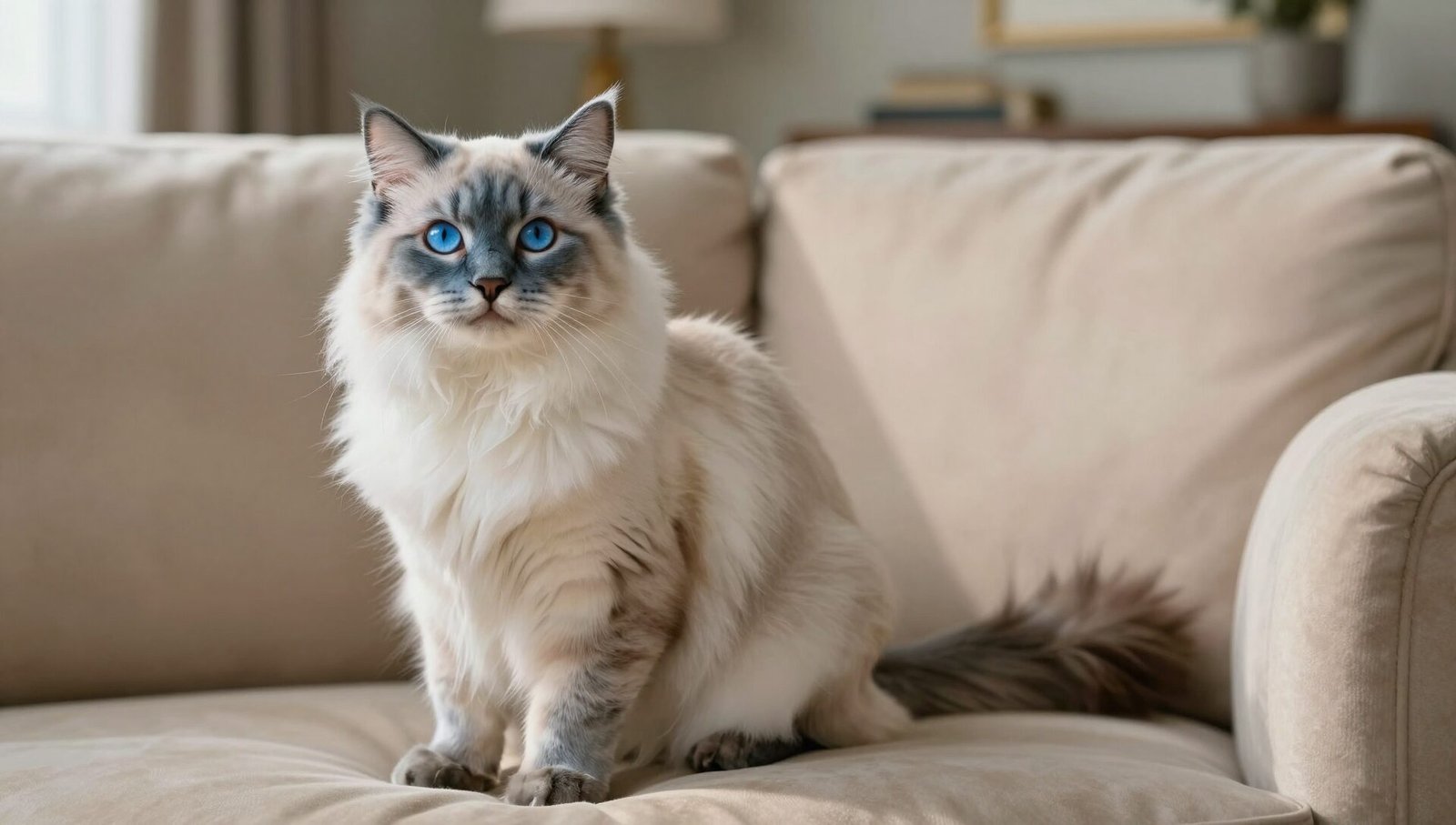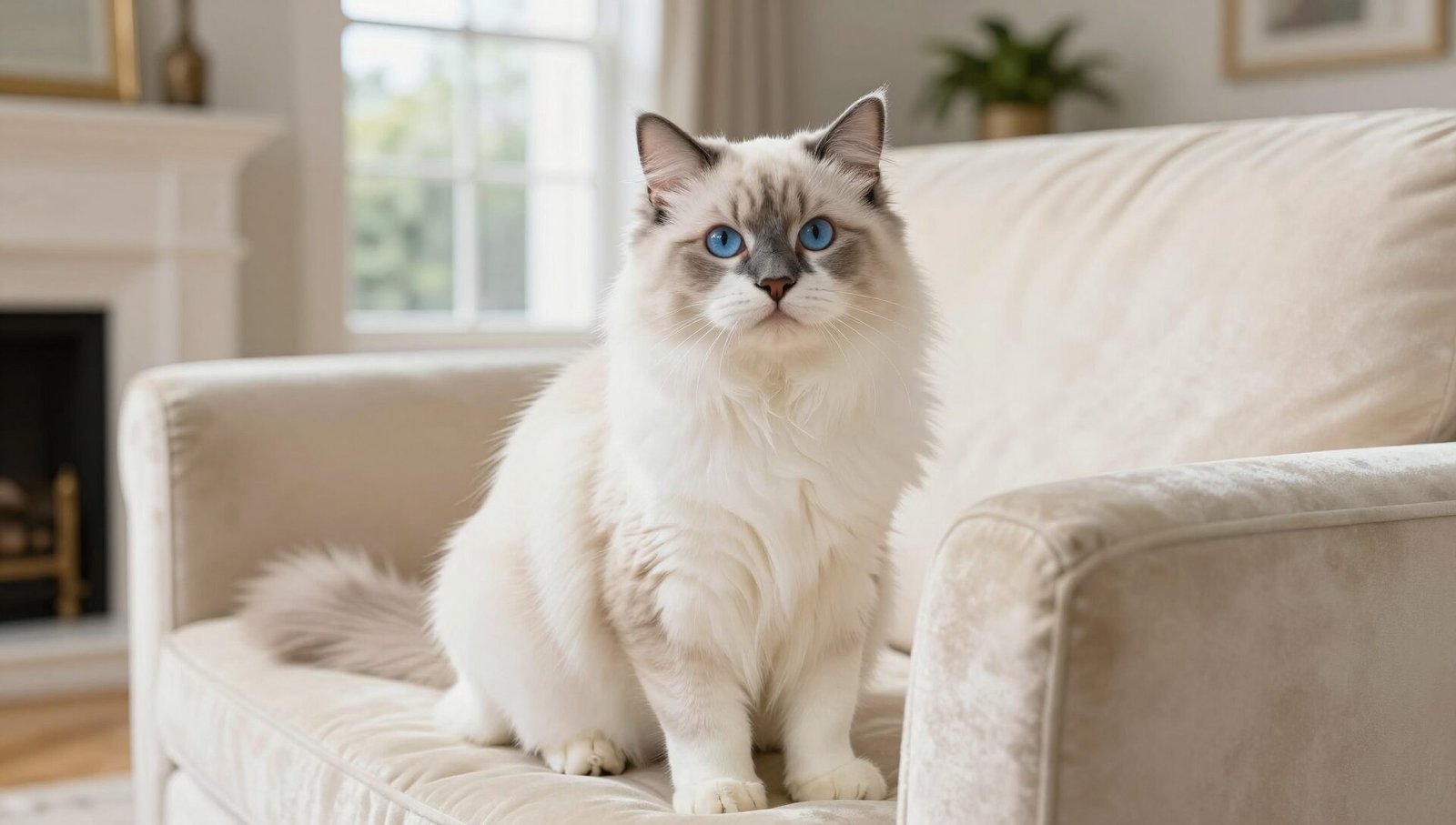
The ultimate guide to the RagaMuffin Cat — temperament, care, cost, health, and why this fluffy breed wins hearts across the UK.
If you’ve ever stumbled across a RagaMuffin Cat and thought, “Is that a living teddy bear?” — you’re not far off. I remember the first time I met one at a cat show in Birmingham. This enormous, silky creature flopped into my arms like a ragdoll (pun intended) and started purring so loudly the bloke next to me turned around to see what the rumbling was. That’s the RagaMuffin experience in a nutshell — pure, unfiltered affection wrapped in a cloud of fur.
In this guide, I’m going to walk you through everything you need to know about this wonderful breed: from their fascinating origins and temperament to practical advice on grooming, nutrition, health, and day-to-day care. Whether you’re a first-time cat owner in Manchester or a seasoned feline enthusiast in Edinburgh, this article will give you the confidence to decide if the RagaMuffin is the right fit for your home.
So grab a cuppa, settle in, and let’s get into it. ☕🐱
The Fascinating Origin of the RagaMuffin Cat
The RagaMuffin’s story begins in America in the mid-1990s, born out of a split from the original Ragdoll breeding programme. Some breeders felt the strict rules governing Ragdoll breeding were too limiting, particularly when it came to addressing genetic health concerns. Their stock was already in the fifth generation of inbreeding, which raised serious red flags.
To strengthen the gene pool, these breeders outcrossed with Persians, Himalayans, and domestic longhair cats. The result? A breed that inherited the Ragdoll’s famously sweet temperament but developed its own distinct look and personality. Crucially, the RagaMuffin is not simply a Ragdoll crossed with a British Shorthair or any other breed — it’s its own registered, recognised breed with strict breeding guidelines.
In the UK, the RagaMuffin Club was formed in 2008, affiliated with the American RagaMuffin Associated Group. By 2010, the Governing Council of Cat Fancy (GCCF) officially recognised the breed. For UK cat lovers, this means there’s now an established community of breeders and enthusiasts right here at home.
What I find remarkable is the breeders’ commitment to health from the very beginning. Rather than chasing show-ring perfection at the expense of genetics, they prioritised creating a robust, healthy cat. That’s a philosophy I can wholeheartedly get behind.
RagaMuffin Cat Temperament and Personality
If there’s one word that sums up the RagaMuffin Cat’s temperament, it’s laid-back. These cats are bred specifically for their excellent temperament, and honestly, it shows. They’re the feline equivalent of that mate who’s happy to just sit on the sofa with you, no drama, no fuss — just good vibes.
Here’s what you can expect from a RagaMuffin’s personality:
- Affectionate to the core — They genuinely want to be near you, often following you from room to room
- Excellent with children — Their patience and tolerance make them ideal family cats
- Dog-like companionship — Many owners report their RagaMuffins greeting them at the door
- Lap cats — They’ll happily curl up on your lap for hours (hope you didn’t have plans to move)
- Social with other pets — They generally get along well with other cats and even dogs
One thing I love about RagaMuffins is that they don’t have that aloof “I’m too good for you” attitude some cat breeds carry. These cats want your attention. They’ll nudge your hand for pets, headbutt you for cuddles, and give you those big, round eyes that make it impossible to say no.
That said, this level of affection means they don’t do well being left alone for long periods. If you work long hours, consider getting two so they can keep each other company. Trust me — a lonely RagaMuffin is a sad RagaMuffin, and nobody wants that.
Physical Characteristics and How to Identify a RagaMuffin
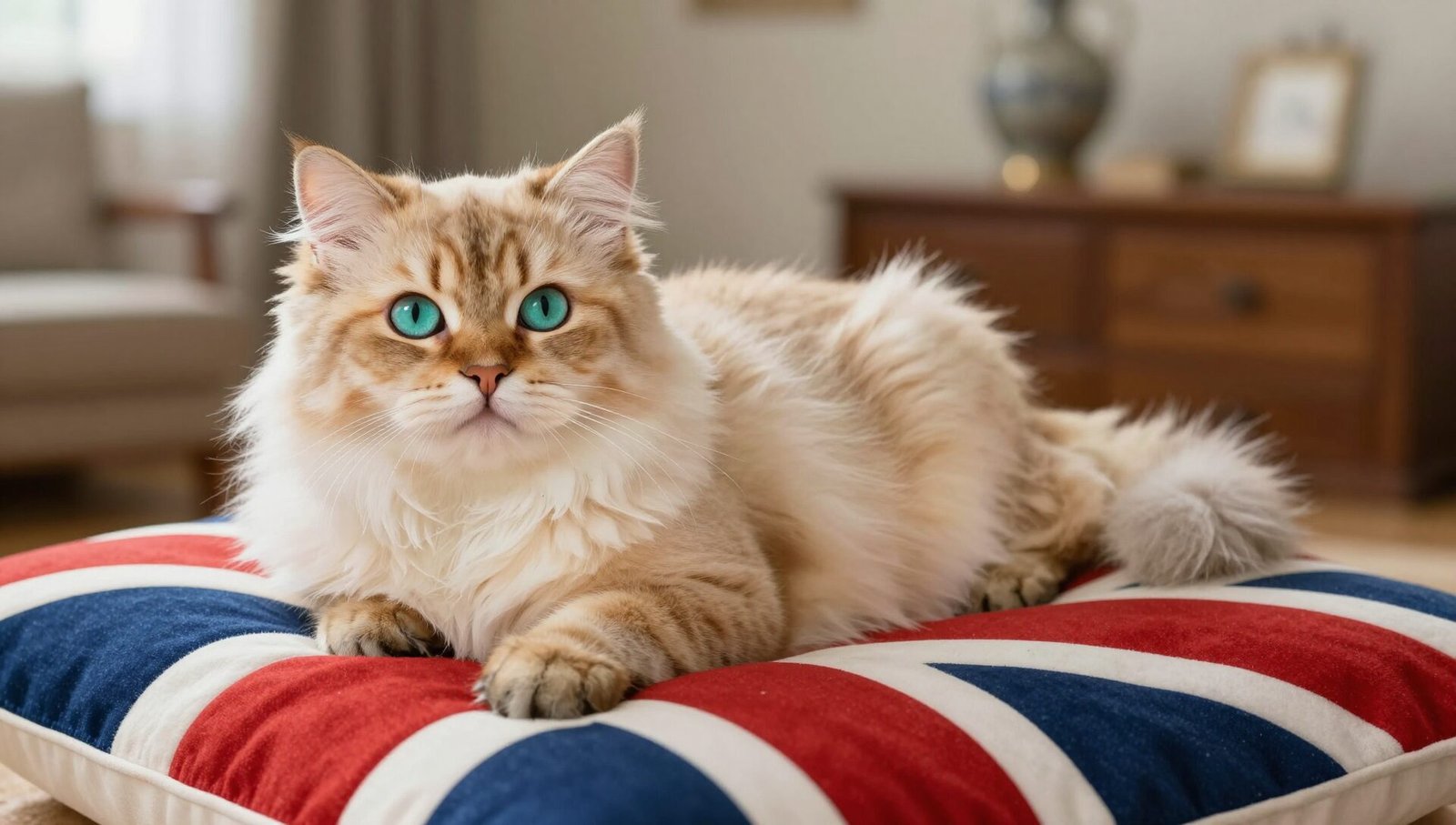
The RagaMuffin is a large, semi-longhair cat with a sturdy, muscular build. They take up to four years to fully mature, which means your kitten will be growing and filling out long after other breeds have reached their adult size. Patience is key!
Key physical traits include:
- Size: Large — males typically weigh 6–9 kg, females 4–7 kg
- Coat: Semi-long, silky, and plush with minimal matting (a grooming win!)
- Eyes: Large, expressive, and walnut-shaped; any colour is accepted
- Body: Rectangular, broad chest, substantial bone structure
- Coat patterns: Available in a huge variety — colourpoint, mitted, bicolor, solid, tabby, and more
One common question I hear is: “How do I tell a RagaMuffin apart from a Ragdoll?” Great question. While they share ancestry, RagaMuffins have a few distinguishing features. Their coat is often slightly more varied in pattern and colour (Ragdolls are typically limited to colourpoint patterns). RagaMuffins also tend to have a slightly rounder head and fuller muzzle, giving them that signature “teddy bear” look.
Here’s a quick comparison:
| Feature | RagaMuffin | Ragdoll |
|---|---|---|
| Coat patterns | Wide variety (all accepted) | Colourpoint, mitted, bicolor |
| Head shape | Rounder, fuller muzzle | Wedge-shaped |
| Maturity | Up to 4 years | 3–4 years |
| Outcrossing | Persians, Himalayans, DLH | None permitted |
| Temperament | Extremely affectionate | Affectionate, slightly more reserved |
If you’re buying from a breeder, always ask for GCCF registration papers. A legitimate RagaMuffin breeder in the UK will be happy to show you documentation and let you meet the kitten’s parents.
RagaMuffin Cat Diet and Nutrition
Feeding a RagaMuffin Cat properly is crucial, especially given their large size and slow maturation. These cats need a diet that supports healthy bone and muscle development over several years — not just the first 12 months.
Here are my top feeding tips:
- Kittens (0–12 months): High-quality kitten food rich in protein and fat. I recommend a mix of wet and dry food to keep things interesting.
- Adults (1–4 years): Transition to adult cat food gradually. Look for brands with named meat as the first ingredient (e.g., “chicken” not “meat derivatives”).
- Seniors (7+ years): Consider senior-specific formulas with joint support, as larger cats can be prone to arthritis.
Practical tip: RagaMuffins can be a bit… opinioned about food. I once spent three weeks trying different brands because my friend’s RagaMuffin turned her nose up at everything except a specific pâté that came in a purple tin. Cats, eh? 😹
| Food Type | Pros | Cons |
|---|---|---|
| Wet food | Hydrating, palatable | Shorter shelf life once opened |
| Dry food | Convenient, dental benefits | Lower moisture content |
| Raw diet | Natural, high protein | Requires careful handling and balance |
| Combination | Best of both worlds | Requires more planning |
Fresh water should always be available. Many cats prefer running water, so a pet fountain can be a game-changer. Avoid feeding cow’s milk — most cats are lactose intolerant, and nobody wants to deal with the consequences. 💩
Grooming and Coat Care
Here’s some good news: despite their luxurious appearance, the RagaMuffin’s coat is surprisingly low-maintenance. The fur is silky and doesn’t mat as easily as some other longhaired breeds. That said, “low-maintenance” doesn’t mean “no maintenance.”
My grooming routine recommendations:
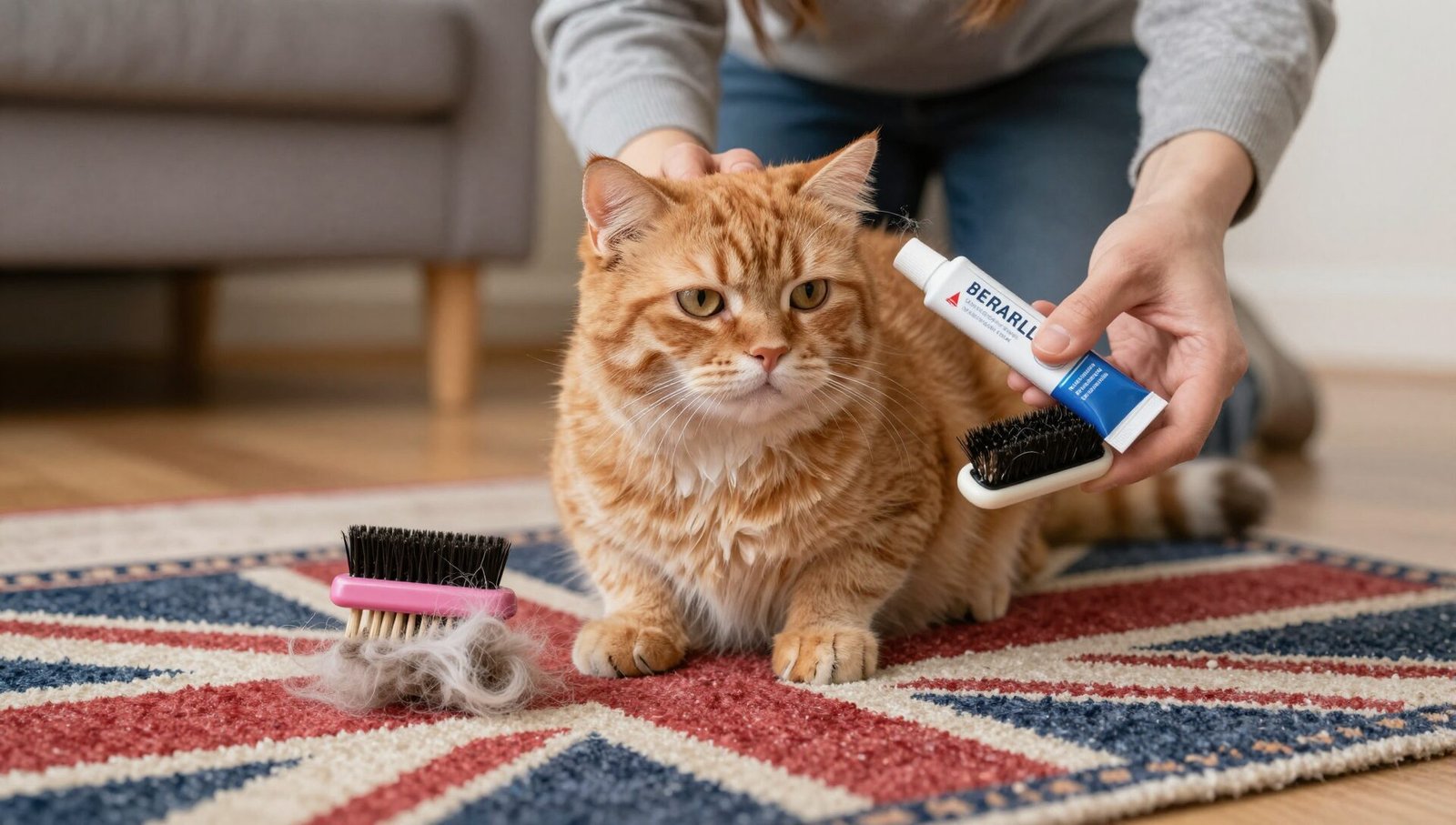
- Brush 2–3 times per week with a stainless steel comb or slicker brush
- Pay attention to the belly and behind the ears — these areas are prone to tangles
- Bathe occasionally (every 4–6 weeks) if needed, though most RagaMuffins keep themselves quite clean
- Trim nails every 2–3 weeks
- Check ears weekly for wax build-up or redness
- Brush teeth regularly — dental disease is common in cats and often overlooked
One thing I’ve learned the hard way: start grooming routines early. If you get your RagaMuffin kitten used to being brushed and having their nails trimmed from day one, it becomes a bonding experience rather than a wrestling match. Trust me, trying to brush a fully grown cat who’s never seen a brush before is an experience I wouldn’t wish on my worst enemy.
During shedding season (typically spring and autumn), you may need to increase brushing to daily. Invest in a good lint roller too — your black trousers will thank you. 🖤
Health, Lifespan, and Common Concerns
RagaMuffins are generally considered a healthy breed, thanks in part to the diverse gene pool created by the original outcrossing programme. Their typical lifespan is 12–16 years, though with excellent care, some live even longer.
However, like all breeds, they can be prone to certain health conditions:
- Hypertrophic Cardiomyopathy (HCM): A heart condition common in many cat breeds. Regular vet check-ups can catch this early.
- Polycystic Kidney Disease (PKD): Inherited from their Persian ancestry. Responsible breeders screen for this.
- Obesity: Their laid-back nature means they’re not the most active cats. Monitor food intake carefully.
- Dental issues: Common across all cats — regular dental care is essential.
My advice for keeping your RagaMuffin healthy:
- Annual vet check-ups are non-negotiable — more frequently for seniors
- Keep vaccinations up to date — core vaccines protect against feline leukaemia, cat flu, and enteritis
- Microchip your cat — it’s now a legal requirement in England as of June 2024
- Pet insurance — I cannot stress this enough. Vet bills add up fast, and having insurance gives you peace of mind
When choosing a breeder, always ask about health screening for HCM and PKD. A reputable breeder will provide documentation and be transparent about any health issues in their lines. If they’re evasive, walk away.
Indoor vs Outdoor Living
This is a topic that sparks lively debate among UK cat owners. The RagaMuffin’s trusting, laid-back nature makes them somewhat vulnerable outdoors — they’re not the type to fight off an aggressive neighbourhood cat or dodge traffic with street-smart reflexes.
The case for keeping them indoors:
- Protection from cars, predators, and disease
- No risk of theft (RagaMuffins are valuable and friendly — a bad combination outdoors)
- Longer average lifespan for indoor cats
- No risk of getting lost
The case for outdoor access:
- Mental stimulation and natural behaviour
- Exercise and weight management
- Reduced boredom-related behavioural issues
My recommendation: A catio (cat patio) or secure garden enclosure is the ideal compromise. Your RagaMuffin gets fresh air and enrichment without the risks. Alternatively, many owners successfully train their RagaMuffins to walk on a harness — and honestly, the sight of a fluffy RagaMuffin trotting down a British high street on a lead is guaranteed to turn heads.
If you do allow outdoor access, ensure your cat is:
- Microchipped and wearing a collar with ID
- Neutered or spayed
- Up to date on vaccinations and flea/tick treatments
Training, Enrichment, and Play
Don’t let the RagaMuffin’s relaxed demeanour fool you — these are intelligent cats that need mental stimulation. A bored RagaMuffin may not destroy your sofa (they’re too polite for that), but they can develop stress-related behaviours like over-grooming.
Enrichment ideas that work brilliantly:
- Puzzle feeders — make mealtime a brain workout
- Interactive toys — feather wands, laser pointers (never shine in eyes!), and crinkle balls
- Cat trees and climbing shelves — vertical space is essential for all cats
- Window perches — birdwatching is basically cat television
- Rotating toy selection — swap toys every few days to maintain interest
RagaMuffins respond exceptionally well to positive reinforcement training. I’ve seen them learn to sit, high-five, and even come when called. Use small, high-value treats and keep training sessions short (5–10 minutes). These cats genuinely want to please you, which makes training a joy rather than a chore.
Litter training is rarely an issue with RagaMuffins — they’re naturally clean cats. Provide one litter tray per cat plus one extra, keep them in quiet locations, and scoop daily. Simple.
Pros and Cons of Owning a RagaMuffin Cat
Let’s be honest and balanced here. No breed is perfect for everyone.
Pros:
- ✅ Exceptionally affectionate and gentle temperament
- ✅ Great with children and other pets
- ✅ Beautiful, low-maintenance coat
- ✅ Intelligent and trainable
- ✅ Adaptable to indoor living
- ✅ Relatively healthy breed
Cons:
- ❌ Doesn’t tolerate being alone well — needs companionship
- ❌ Can be prone to obesity if overfed
- ❌ Higher initial cost (£600–£1,500+ for kittens)
- ❌ Slow to mature — you’re raising a “kitten” for up to 4 years
- ❌ Limited breeder availability in the UK
- ❌ Requires regular (though easy) grooming
Overall, if you’re looking for a loyal, loving companion that will be happy to spend hours on your lap while you binge-watch telly, the RagaMuffin is an outstanding choice. Just make sure you can give them the time and attention they deserve.
Frequently Asked Questions
How much does a RagaMuffin Cat cost in the UK?
A RagaMuffin kitten from a reputable UK breeder typically costs between £600 and £1,500, depending on lineage, coat colour, and breeder reputation. Rare coat variations can reach £2,000 or more. Adult cats or rescues may cost between £50 and £300. Don’t forget ongoing monthly expenses of approximately £40–£120 for food, insurance, and routine vet care.
Are RagaMuffin Cats good with children?
Absolutely. The RagaMuffin is one of the best breeds for families with children. Their patient, tolerant, and gentle nature means they handle the unpredictable energy of kids remarkably well. They rarely scratch or bite, even when overstimulated. That said, always supervise young children around any cat and teach them to be gentle.
How long do RagaMuffin Cats live?
The average RagaMuffin lifespan is 12–16 years. With excellent nutrition, regular veterinary care, and a safe indoor environment, some RagaMuffins live well into their late teens. Maintaining a healthy weight and keeping up with vaccinations and health screenings are the best ways to maximise your cat’s lifespan.
Do RagaMuffin Cats need a lot of grooming?
Less than you’d think! Their silky, semi-long coat doesn’t mat easily. Brushing two to three times per week is usually sufficient, increasing to daily during shedding seasons. Regular nail trims, ear checks, and dental care round out the grooming routine. It’s one of the easier longhaired breeds to maintain.
Can RagaMuffin Cats be left alone during the day?
RagaMuffins are highly social and prefer constant companionship. They can cope with a standard working day if you provide enrichment and leave interactive toys, but they shouldn’t be left alone for extended periods regularly. If you work long hours, consider adopting two cats so they can keep each other company.
What is the difference between a RagaMuffin and a Ragdoll?
While they share ancestry, the RagaMuffin is a distinct breed. RagaMuffins come in a wider variety of coat colours and patterns, have a rounder head shape, and were developed with outcrossing to Persians, Himalayans, and domestic longhairs to improve genetic diversity. Ragdolls are limited to specific colourpoint patterns and have stricter breed standards.
Conclusion
The RagaMuffin Cat is, in my experience, one of the most rewarding breeds you can welcome into your home. Their combination of stunning looks, gentle temperament, and genuine love for human companionship makes them a standout choice for families, couples, and individuals alike.
Here are the key takeaways from this guide:
- Origin: Developed from Ragdolls in the 1990s with outcrossing to improve genetic health
- Temperament: Exceptionally affectionate, laid-back, and social — a true companion cat
- Care: Moderate grooming, careful diet management, and plenty of enrichment
- Health: Generally robust with a 12–16 year lifespan; screen for HCM and PKD
- Cost: £600–£1,500+ for kittens; budget £40–£120 monthly for ongoing care
- Best suited for: Families, homebodies, and anyone who wants a loyal, cuddly feline friend
If you’re considering adding a RagaMuffin to your family, take your time finding a reputable breeder, prepare your home with the right supplies and enrichment, and get ready for years of unconditional love — delivered in a fluffy, purring package. 🐾
Have questions about the RagaMuffin Cat? Drop them in the comments below — I’d love to help!