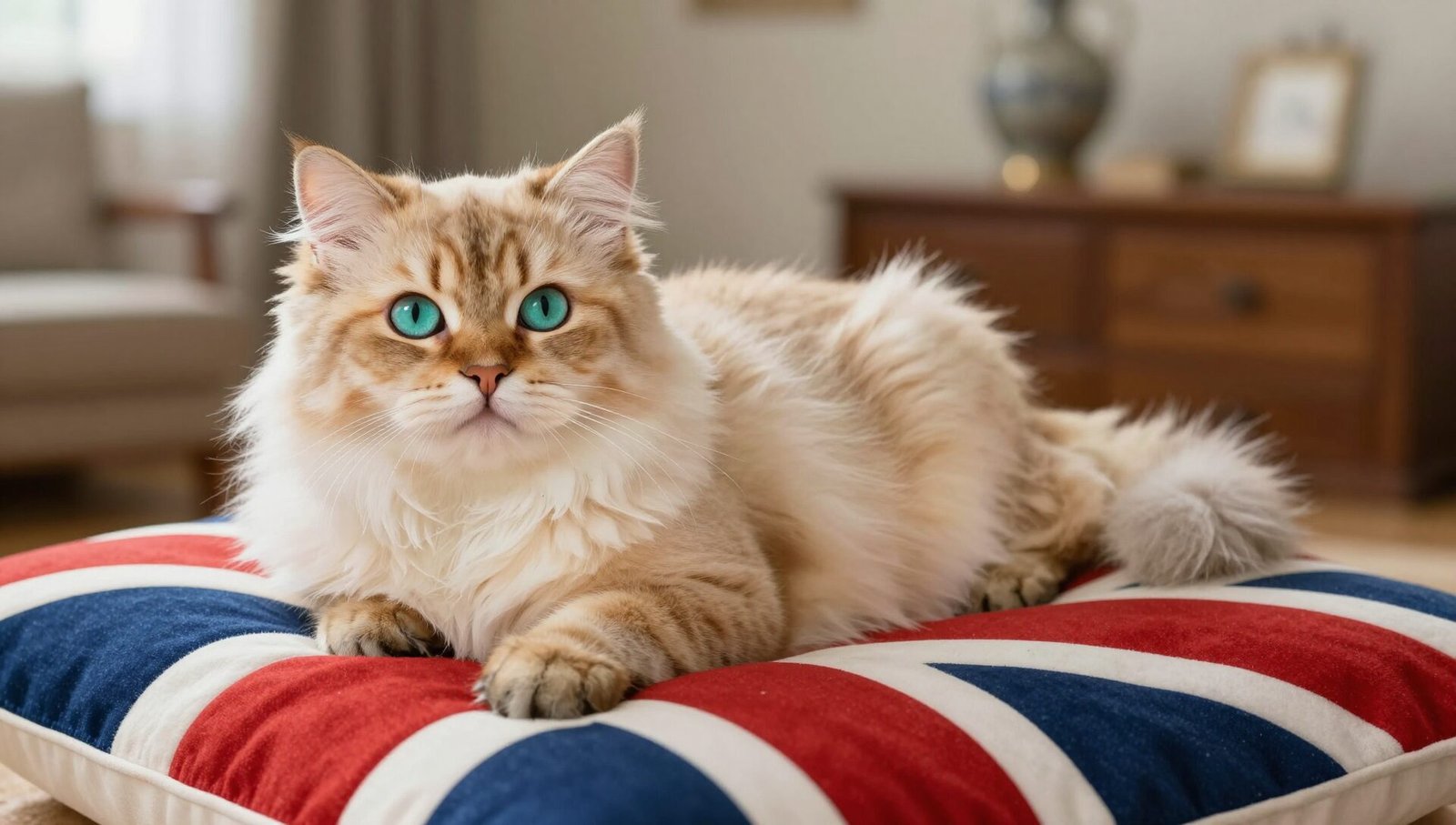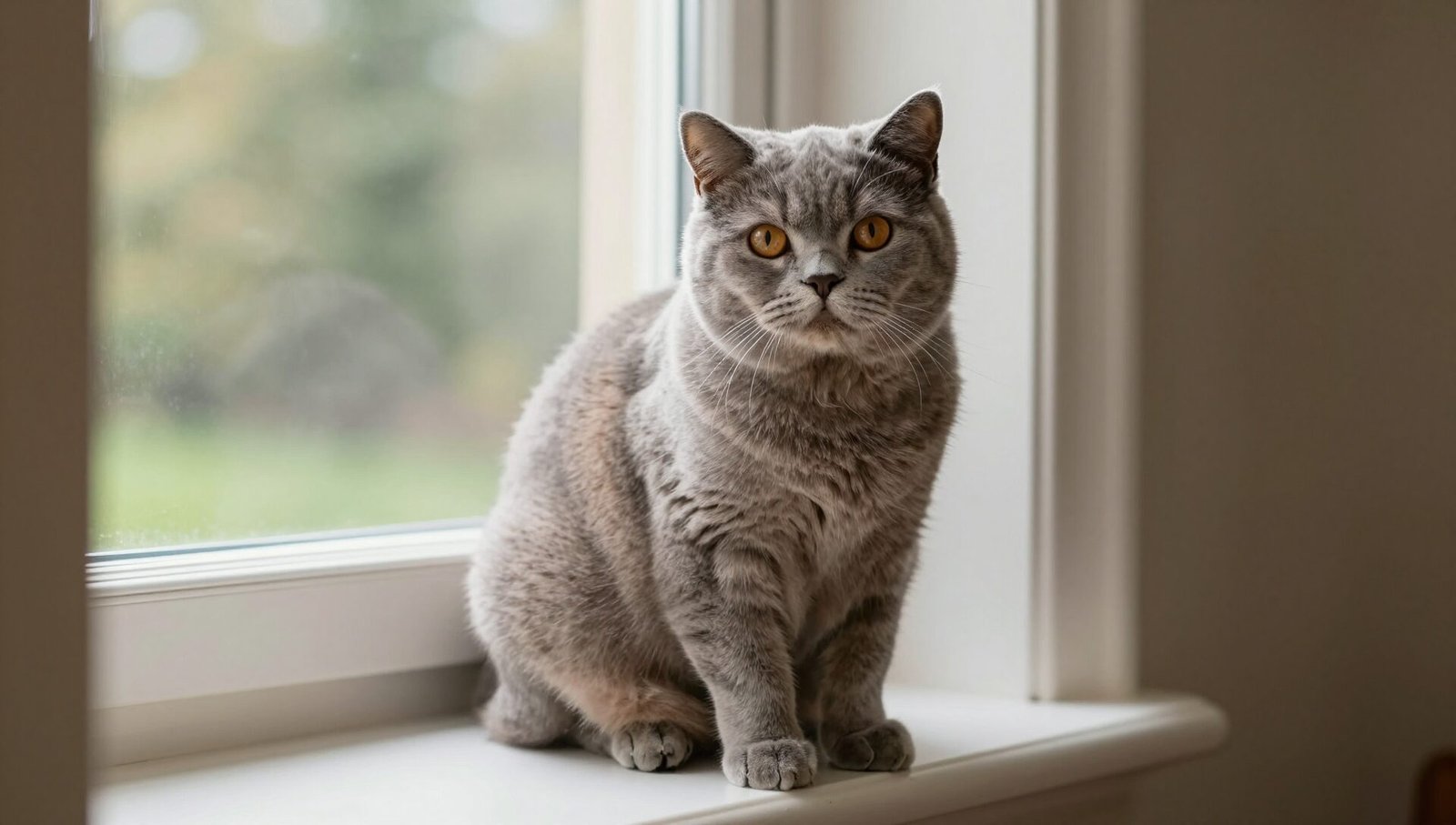
I remember the first time I saw a British Shorthair in person. It was at a local cat show in Birmingham, and the cat looked like a living, breathing teddy bear. My first thought was, “I need to scoop that up and give it a massive cuddle.” My second thought, after seeing the cat’s dignified expression, was, “Hmm, maybe I should ask first.” That moment perfectly captures the central question so many future cat owners ask: are British Shorthair cats cuddly?
If you’re in the UK and considering bringing one of these iconic, chunky-limbed felines into your home, you’re likely picturing cosy nights on the sofa with a purring companion on your lap. But is that the reality? As someone who has lived with and loved cats for years, I can tell you that the answer is more nuanced than a simple yes or no.
This guide will walk you through everything you need to know about their temperament, how they show love, and how to build a bond that works for both of you. We’ll explore their personality, their care needs, and give you the honest, real-world advice you need to decide if this famously reserved breed is the right fit for your family.
Understanding the British Shorthair Temperament
Before we can answer whether they are lap cats, we need to understand the core of the British Shorthair personality. These are not your typical, hyper-energetic kittens who bounce off the walls. Their temperament is often described as reserved, placid, and incredibly dignified. Think of them less as a clingy companion and more like a polite, low-maintenance flatmate who genuinely enjoys your company.
They are fiercely independent. This is a huge plus if you work long hours or enjoy a quiet home. A British Shorthair won’t typically suffer from separation anxiety in the way some other breeds might. They are content to entertain themselves, often found perched on a high shelf observing the household or having a lengthy nap in their favourite sunny spot.
However, independence does not mean they are unfeeling. They form strong, loyal bonds with their families. Their affection is simply on their own terms. They are the cat that will follow you from room to room, not to be held, but just to be near you. They are gracious with guests and good with other pets, provided everyone respects their personal space bubble. This calm and composed nature makes them fantastic family pets, especially in households with respectful children.
So, Are British Shorthair Cats Cuddly? The Honest Truth
Let’s cut to the chase. If your definition of “cuddly” is a cat that will sleep on your chest for hours, demand to be picked up, and purr loudly in your ear while you watch telly, then a British Shorthair will likely disappoint you.
For the most part, British Shorthairs are not cuddly in the traditional, lap-cat sense. They tolerate physical affection rather than actively seeking it out. While they won’t scratch you for a quick stroke, they generally don’t enjoy being squeezed, hugged, or carried around. Trying to force a cuddle on a British Shorthair is a surefire way to make them retreat under the bed.
Their idea of affection is more about proximity than contact. They love being in the same room as you. They might sit on the arm of your sofa, or curl up at your feet on the bed. This is their version of a cuddle—a silent, shared presence that says, “I trust you and I enjoy your company.”
So, if you are asking are British Shorthair cats cuddly, the honest answer is that they are affectionate, but on their own, very particular terms. They are the strong, silent types of the cat world. Their love is shown through loyalty and quiet companionship, not through physical clinginess.
How British Shorthairs Show Affection (It’s Not What You Think)
Just because they won’t sit on your lap doesn’t mean a British Shorthair doesn’t love you. You just need to learn their unique language. Once you know what to look for, you’ll see their affection everywhere.
Look for these subtle but meaningful signs:
- The Slow Blink: This is the ultimate cat “I love you.” If your British Shorthair makes eye contact and gives you a long, slow blink, it’s a sign of deep trust and affection. Try blinking back slowly to return the sentiment.
- Following You Around: They might not want to be held, but they want to know what you’re doing. If your cat follows you from the living room to the kitchen and back again, they are showing their bond with you.
- Head-Butting (Bunting): When they rub their head and cheeks against your legs or hand, they are marking you with their scent glands. This is a major sign of ownership and affection. You are their human.
- Proximity: As mentioned, they will choose to be in your vicinity. Finding them curled up on a chair in your office while you work, or sleeping on the end of your bed, is a huge compliment.
- Vocalisation: British Shorthairs are not typically very vocal, but they may develop specific meows or chirps just for you, often to greet you when you come home.
Understanding these behaviours is key to a happy relationship with your cat. You’ll feel loved, and they won’t feel smothered.
A Complete Care Guide for Your British Shorthair
Owning a British Shorthair is a rewarding experience, but it comes with responsibilities. Their independent nature doesn’t mean they are low-maintenance in every area. Here’s a breakdown of what you need to know about their care.
Diet and Nutrition
British Shorthairs are prone to weight gain. Their stocky build and love of napping can lead to obesity if their diet isn’t managed carefully. A high-quality, protein-rich diet is essential. I always recommend a mix of high-quality wet food for hydration and a portion of dry food for dental health. Avoid foods with lots of fillers like corn or wheat. Portion control is your best friend here; follow the guidelines on the packaging and adjust based on your cat’s activity level and your vet’s advice.
Grooming Needs
That dense, plush double coat is gorgeous, but it requires upkeep. They are moderate shedders year-round, with a heavier “moult” in spring and autumn. A good brushing session once or twice a week will keep their coat healthy, reduce shedding on your sofa, and prevent matting. It’s also a great way to bond, as most British Shorthairs enjoy a gentle grooming session.
Health and Lifespan
Generally, British Shorthairs are a robust and healthy breed with a lifespan of 12–20 years. However, they are genetically predisposed to certain conditions. The most significant is Hypertrophic Cardiomyopathy (HCM), a common heart condition in cats. Regular vet check-ups are crucial for early detection. As mentioned, obesity is a major risk, leading to issues like diabetes and joint problems.
Indoor vs Outdoor Living
Are they indoor or outdoor cats? The good news is that British Shorthairs adapt beautifully to indoor living. Their calm nature means they are less likely to get bored indoors compared to more energetic breeds. If you do let them out, ensure your garden is secure. They are not the most agile climbers or street-smart hunters, so a cat-proof garden or a secure “catio” is the safest option.
Training, Enrichment, and Playtime
Don’t let their placid nature fool you—British Shorthairs are highly intelligent cats. They just aren’t inclined to show it off by opening cupboards or causing chaos. They are quick learners and respond well to positive reinforcement.
Enrichment is vital to keep their minds sharp and prevent boredom. Think less “fetch” and more “puzzle.” Food puzzles are a fantastic way to engage their natural hunting instincts and slow down fast eaters. Interactive toys like feather wands and laser pointers (always ending on a physical toy they can “catch”) are perfect for short, engaging play sessions.
I’ve found that 10–15 minutes of dedicated playtime twice a day is the sweet spot for a British Shorthair. It provides the exercise they need and strengthens your bond without overwhelming them. You can also teach them simple tricks using clicker training and high-value treats. It’s a brilliant way to spend quality time together.
British Shorthairs vs Other Popular UK Breeds
To put their temperament in perspective, here’s how the British Shorthair compares to other beloved breeds in the UK.
| Feature | British Shorthair | Ragdoll | Maine Coon | Siamese |
|---|---|---|---|---|
| Cuddliness | Low to Moderate (proximity) | Very High (known as “puppy-like”) | Moderate to High (enjoys contact) | Extremely High (very demanding) |
| Independence | High | Low | Moderate | Very Low |
| Vocalisation | Low | Low | Moderate (chirps/trills) | Very High (loud, distinctive meow) |
| Energy Level | Low to Moderate | Low | High | High |
| Grooming | Moderate | High (silky coat, prone to mats) | High (thick, shaggy coat) | Low |
| Best For | Quiet homes, working professionals | Families, those wanting a lap cat | Active families, those with space | Owners wanting a constant companion |
As you can see, if a cuddly, physically affectionate cat is your top priority, a Ragdoll or Siamese might be a better fit. The British Shorthair offers a different, more independent kind of companionship.
Pros and Cons of Owning a British Shorthair
No breed is perfect. Here’s an honest look at the highs and lows of living with a British Shorthair.
Pros:
- ✅ Independent and Low-Maintenance: Perfect for busy households or those who work outside the home.
- ✅ Calm and Placid: Unlikely to cause chaos or get into mischief.
- ✅ Quiet and Reserved: Ideal for flat living or for owners who prefer a peaceful environment.
- ✅ Good with Children and Other Pets: Their tolerant nature makes them excellent family companions (with supervision).
- ✅ Robust and Healthy: A generally hardy breed with a long potential lifespan.
Cons:
- ❌ Not a Lap Cat: Can be disappointing for those seeking a highly affectionate, cuddly companion.
- ❌ Prone to Obesity: Requires careful diet management and portion control.
- ❌ Sheds Moderately: Requires regular grooming to manage loose fur.
- ❌ Can Be Aloof: Their independence can sometimes feel like indifference.
- ❌ Health Predispositions: Susceptible to HCM and other genetic conditions, requiring diligent vet care.
Frequently Asked Questions
Are British Shorthair cats good for first-time owners?
Yes, they are an excellent choice for first-time owners. Their independent and low-maintenance nature makes them easier to care for than more demanding breeds. As long as you respect their need for space and provide proper nutrition and enrichment, you’ll find them to be a forgiving and delightful first pet.
Do British Shorthairs get along with dogs?
They can get along very well with cat-friendly dogs. Their calm and non-confrontational personality means they are unlikely to provoke a dog. The key is a slow, careful introduction. They will not tolerate a boisterous dog invading their space and will simply walk away rather than starting a fight.
How much exercise does a British Shorthair need?
They are not high-energy cats, but they still need daily exercise to prevent obesity. Two short, 10–15 minute interactive play sessions per day, using toys like feather wands, are usually sufficient to keep them physically and mentally stimulated.
Why does my British Shorthair bite me gently?
A gentle bite, often called a “love bite,” is usually a sign of overstimulation or affection. It can happen during a petting session when they’ve had enough. It’s their way of communicating their boundaries without being aggressive. Learn to recognise the signs (tail twitching, skin rippling) and stop petting before it happens.
Are British Shorthair cats hypoallergenic?
No, British Shorthairs are not considered a hypoallergenic breed. They shed a moderate amount of fur and dander, which are common allergens. If you have allergies, it’s essential to spend time with the breed before committing to ownership.
At what age do British Shorthairs calm down?
Like most cats, British Shorthairs are most active as kittens and adolescents. They typically begin to settle into their famously calm and placid adult personality around the age of two or three. However, they retain a playful spirit throughout their lives.
Conclusion
So, are British Shorthair cats cuddly? Not in the way a teddy bear is. They are not the cats who will demand your affection with constant meows and nudges. Instead, they offer a quieter, more dignified form of companionship. They are the loyal friend who is always there, sitting quietly by your side, offering their presence as a sign of deep trust and contentment.
If you can appreciate their independent spirit and learn to speak their subtle language of affection, you will be rewarded with a steadfast, calm, and utterly charming companion who will be a beloved member of your family for many years to come. They may not be lap cats, but they will undoubtedly capture a huge piece of your heart.