Let’s be honest, the debate about whether cats should be indoors or outdoors is as heated as a debate about whether a scone should have jam or cream first. However, if you are one of the many UK owners who allow their feline friends a bit of garden time, especially as the sun goes down, nighttime safety for outdoor cats is a subject you cannot ignore.
I’ve spent years working with cats, and I know that while they might act like tiny, furry lions, they are actually quite vulnerable when the streetlights come on. In this guide, we are going to dive deep into how you can ensure your cat stays safe after dark, combining expert advice with practical, real-world solutions.
Is It Safe for Cats to Be Outside at Night?
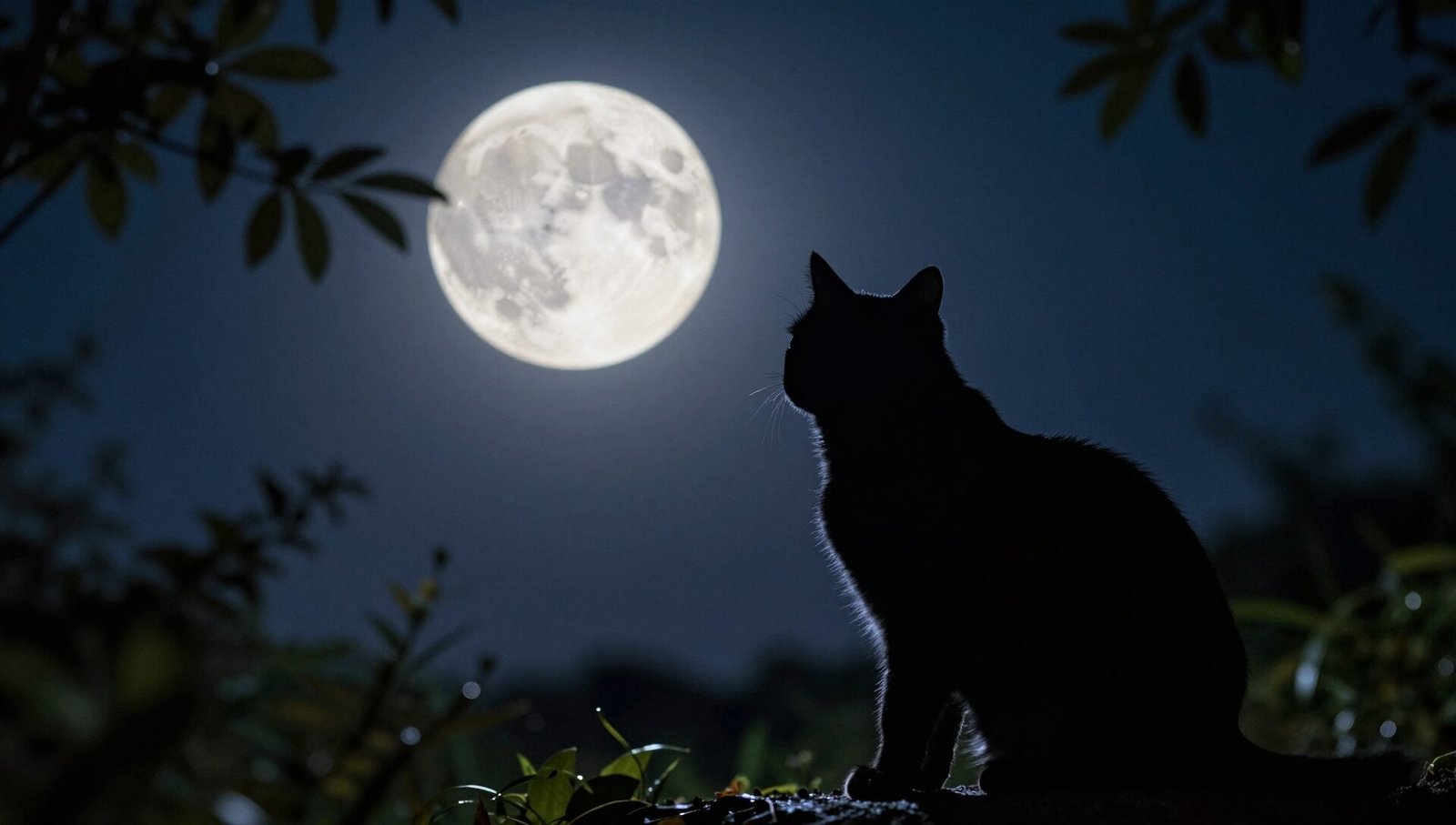
There is a real romance to the idea of a cat prowling under the moonlight, hunting moths and ruling the neighbourhood. However, we have to look at the reality. Cats are crepuscular, meaning they are naturally most active at dawn and dusk. This often extends into the night.
But nightfall brings dangers that aren’t there during the day. Visibility drops, obviously, but it’s not just about the cat seeing where they are going—it’s about others seeing the cat. Predators, such as foxes (which are common in UK gardens), are more active at night. Then there are the roads. A dark cat on a dimly lit street is a recipe for disaster.
I remember one client who had a beautiful black moggy named Midnight. She was practically invisible in the shadows. It made me realise just how much we rely on luck when we let them out in the dark. While we can’t wrap them in cotton wool, understanding these risks is the first step toward mitigating them.
Essential Nighttime Safety for Outdoor Cats: Gear and Gadgets
If your cat insists on going out (and we know how stubborn they can be!), equipping them with the right gear is non-negotiable. This is the frontline of defence for nighttime safety for outdoor cats.
Breakaway Collars Are Non-Negotiable
If you take only one thing away from this article, let it be this: never put a standard buckle collar on a cat. Cats are climbers. They jump fences, scale trees, and squeeze into tight spots. A standard collar can get snagged on a branch or fence post, leading to strangulation.
You must use a breakaway (or quick-release) collar. These are designed to snap open under pressure. It might be annoying if they lose a collar, but it’s a lifesaver.
Reflective and GPS Tech
Once you have the right collar type, think about visibility. In the UK, where we have long, dark winters, reflective strips are essential. They catch the headlights of cars, making the cat visible from a distance. Glow-in-the-dark collars exist, but they often need “charging” under light and fade quickly. I find high-quality reflective material is usually more reliable.
Furthermore, technology is your friend. GPS trackers, like AirTags or specific pet trackers, can be attached to the collar. They allow you to see exactly where your cat is roaming. If they are hanging out near a busy road or a neighbour’s aggressive dog, you can intervene.
The Importance of Microchipping
Here in the UK, microchipping is becoming standard practice, and for good reason. Because we use breakaway collars for safety, there is a high chance the collar will come off if the cat gets into a scrape.
A microchip is a tiny device, about the size of a grain of rice, inserted under the skin. It holds your contact details. If your cat is found injured or wanders into a rescue centre, a quick scan reveals who they belong to.
I once dealt with a situation where a cat was missing for three weeks. It was found miles away, collarless. Without the chip, we never would have reunited them. It is the ultimate safety net. Ensure your details are up to date if you move house—it’s a common mistake that renders the chip useless.
Building a Safe Outdoor Environment
You don’t have to rely on luck. You can actively change your environment to make nighttime safety for outdoor cats a reality without keeping them locked inside 24/7.
Cat-Proof Fencing
Standard fences are basically just suggestions to a cat. However, you can install cat-proof fencing systems. These usually involve rollers on top of the fence that spin when the cat tries to pull themselves up, or netting that arches inward.
It’s a significant investment, and not all gardens are suitable, but it allows your cat to have fresh air without the risk of them roaming into the street or next door’s garden. It creates a contained “catio” effect in your own backyard.
Safe Shelters and Catios
If the weather turns nasty—or it just gets too dark—your cat needs a retreat. Outdoor cat houses are brilliant. You can buy heated ones for the winter, or even build a simple shelter using a storage bin and straw (never use blankets outside as they absorb moisture and freeze).
A “catio” is a screened-in enclosure, often attached to the house via a cat flap. It is the gold standard for enrichment and safety. They can watch the birds and feel the breeze without ever being exposed to a predator or a car.
Diet and Hydration for the Night Prowler
You might wonder what food has to do with safety. Well, a hungry cat wanders further. If your cat is well-fed and hydrated, they are less likely to embark on dangerous expeditions in search of prey or scraps.
Always ensure they have a meal before they go out for the evening. I find that a high-protein wet food keeps them fuller for longer. Also, ensure fresh water is available outside. In winter, check that outdoor water bowls haven’t frozen over. A cat that is dehydrated or starving is more likely to take risks.
Training Your Cat to Come Home
Recall training isn’t just for dogs! Teaching your cat to come home is a vital part of nighttime safety for outdoor cats.
The Power of Association
Cats are creatures of habit. If you consistently reward them for coming in at a specific time, they will learn it.
- Find a High-Value Treat: We’re talking the “cat crack” of treats. Chicken, tuna, or a specific commercial treat they go mad for.
- Consistency is Key: Call them in at the same time every night.
- Positive Reinforcement: When they step through that door, treat immediately.
I had a ginger tom who would bolt out the door in the morning, but at 8 PM sharp, he would be sitting on the patio table waiting for his “dinner call.” It took about two weeks of consistency to train him. It gives you peace of mind knowing they are home safe before the foxes come out.
Behavioural Enrichment: Keeping Them Happy Indoors
Sometimes, the best way to ensure nighttime safety for outdoor cats is to make the indoors more appealing than the outdoors.
- Interactive Play: Use wand toys to mimic hunting before bed.
- Puzzle Feeders: Keep their brains active.
- Vertical Space: Cat trees and shelves give them a vantage point to watch the outside world from the safety of the window.
If a cat is bored, they will want to go out. If they are tired and content after a play session, they are much more likely to curl up on your bed.
Understanding Cat Collars: A Comparison
Choosing the right collar can be confusing. Here is a quick breakdown to help you decide.
| Feature | Breakaway Buckle | Elasticated | Rolled Leather |
|---|---|---|---|
| Safety | High (snaps open) | Medium (stretches) | Low (can get stuck) |
| Durability | Medium | Low (elastic wears out) | High |
| Visibility | Can add reflective tags | Varies | Varies |
| Comfort | Good | Good | Excellent |
| Best For | General outdoor use | Indoor/outdoor | Indoor only |
The Role of Diet in Feline Health
Good nutrition supports a strong immune system, which helps cats recover from minor injuries or stress associated with outdoor life.
Balancing Wet and Dry Food
- Wet Food: Essential for hydration. Cats are notoriously bad drinkers. Wet food provides moisture and is usually more palatable.
- Dry Food: Good for dental health (though not a substitute for brushing) and can be left out longer without spoiling.
Actionable Tip: If your cat is a picky eater, try warming their wet food slightly. It releases aromas that make it irresistible. This ensures they get a full meal before their nightly adventures.
Managing Scratching and Territory
Cats scratch to mark territory. An outdoor cat will scratch fences, trees, and sheds. To save your furniture and keep them happy:
- Provide Outdoor Scratching Posts: Place a sturdy sisal post near the back door.
- Use Catnip: Rubbing catnip on the post encourages them to use it.
- Nail Trimming: Keeping claws blunt reduces damage to fences and makes it less likely they will get snagged.
Vet Visits and Parasite Prevention
An outdoor cat needs more frequent vet attention than an indoor one.
- Flea and Tick Treatment: Essential all year round in the UK, but especially spring through autumn.
- Vaccinations: Keep boosters up to date. Outdoor cats are exposed to Feline Leukaemia (FeLV) and FIV through fighting.
- Worming: Regular worming is crucial as they hunt prey.
Litter Training: The Indoor Backup
Even if your cat uses the garden as their toilet, having a litter tray inside is vital for nighttime safety for outdoor cats.
If the weather is terrible, or if you need to keep them in for medical reasons, they need a clean place to go. Place the tray in a quiet, accessible corner. Clean it daily—cats are fastidious and may refuse a dirty tray, leading to accidents on the carpet!
Pros and Cons of Outdoor Access at Night
It’s important to weigh up the benefits and risks.
Pros:
- Allows natural hunting instincts.
- Provides mental stimulation and exercise.
- Reduces boredom-related behavioural issues.
Cons:
- Exposure to traffic and predators.
- Risk of disease (FIV, FeLV).
- Potential for injury from fighting.
- Stress of not knowing where they are.
Summary Table: Nighttime Essentials
| Category | Essential Item | Why It Matters |
|---|---|---|
| Identification | Microchip & Breakaway Collar | Ensures return if lost and prevents strangulation. |
| Visibility | Reflective Strips/Collar | Alerts drivers in the dark. |
| Shelter | Outdoor Cat House | Provides refuge from weather and predators. |
| Nutrition | High-Protein Meal | Reduces wandering due to hunger. |
| Training | High-Value Treats | Encourages them to come home on time. |
Frequently Asked Questions (FAQs)
What is the safest collar for an outdoor cat?
The safest option is a collar with a breakaway (quick-release) buckle. These are designed to snap open if the collar gets caught on a branch or fence, preventing choking or strangulation. Always ensure it is fitted correctly—you should be able to fit two fingers between the collar and the neck.
How can I keep my cat safe from foxes at night?
Foxes can be a threat to cats, especially kittens. To ensure safety, provide elevated shelters or cat houses that foxes cannot easily access. Bringing your cat in before dusk or dawn—when foxes are most active—is the best preventative measure. Motion-activated lights can also deter foxes from entering your garden.
Should I put a bell on my cat’s collar for nighttime safety?
While bells are great for warning birds, they can be a hazard at night. The bell can get caught on wires or branches, potentially snagging the collar. If you use a breakaway collar, the bell might cause it to release too easily. Reflective material is usually a safer choice for visibility than a bell.
Is it cruel to keep a cat indoors at night?
Not at all. In fact, many behaviourists recommend it. If you provide plenty of enrichment—scratching posts, toys, and comfy beds—cats will adjust well. Indoor cats generally live longer, safer lives. It’s only “cruel” if the cat is bored and unstimulated.
How do I train my outdoor cat to come home at dusk?
Consistency and positive reinforcement are key. Choose a distinct sound, like shaking a treat bag or a specific whistle. Use a high-value treat they love. Start by calling them when they are already close, then gradually work up to calling them from further away. Doing this at the same time every evening helps set their internal clock.
Do cats get cold at night outside?
Yes, especially in the UK winter. While cats have fur, they are susceptible to hypothermia. Provide insulated outdoor shelters with straw (not hay or blankets) for bedding. If temperatures drop below freezing, it is strongly advised to bring your cat inside.
Conclusion
Ensuring nighttime safety for outdoor cats is a balancing act between their freedom and their wellbeing. By investing in the right gear—like microchips and reflective collars—and making your garden a secure fortress, you can drastically reduce the risks.
Remember, the goal isn’t to turn your cat into a prisoner, but to be a responsible guardian. Whether it’s building a catio, training them with treats at dusk, or just ensuring they have a warm bed to come home to, every little bit helps. Stay safe out there!