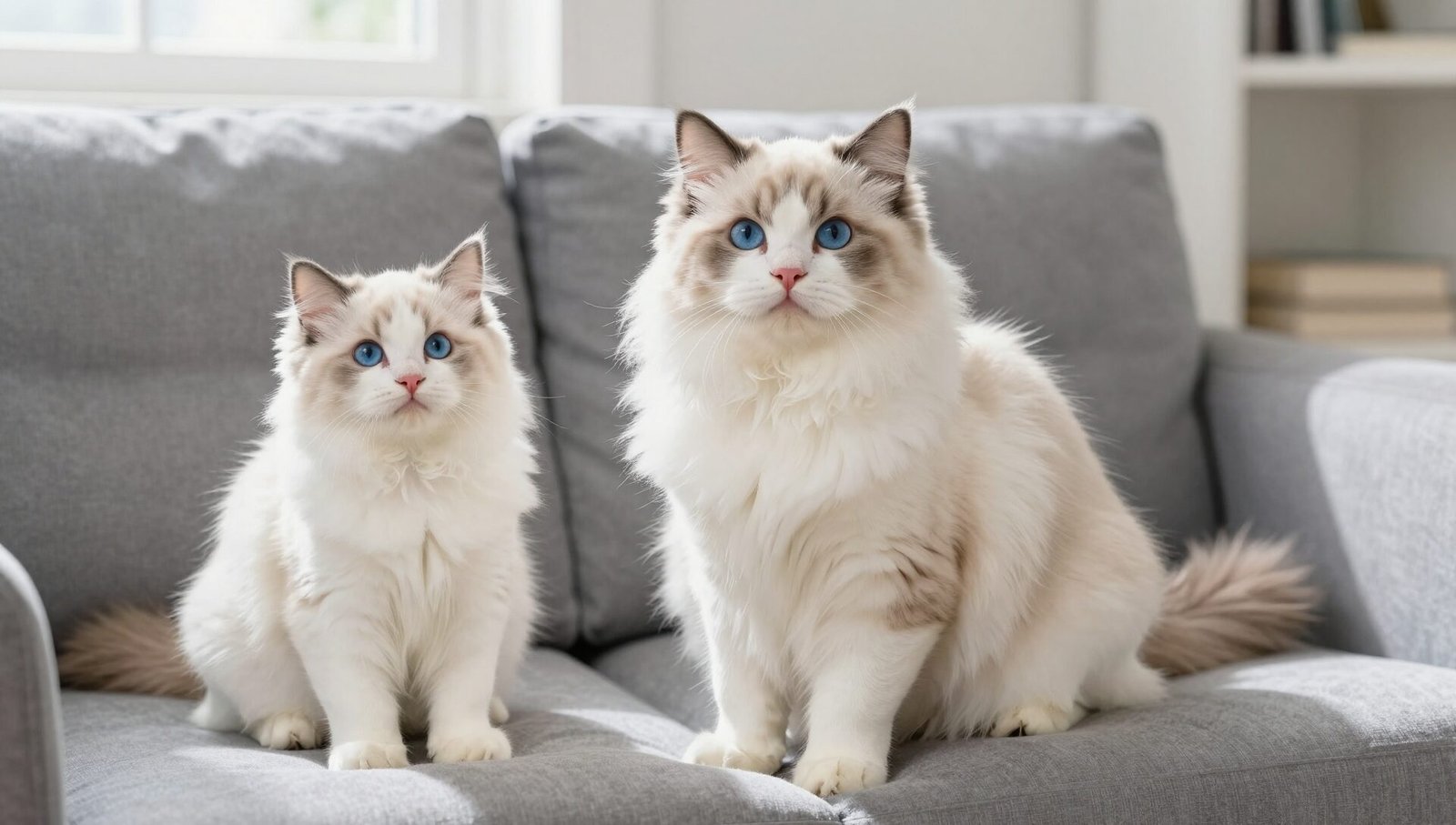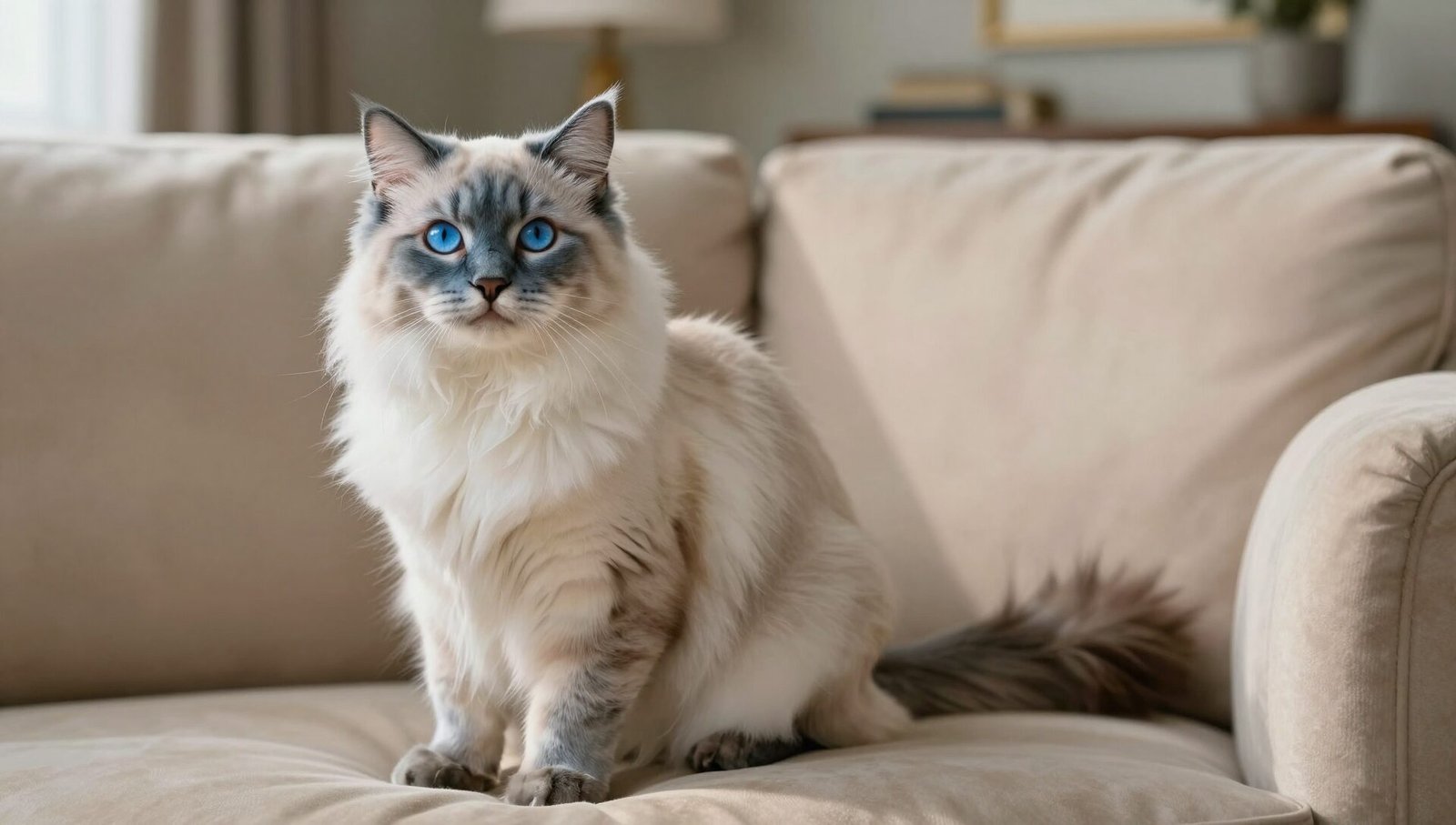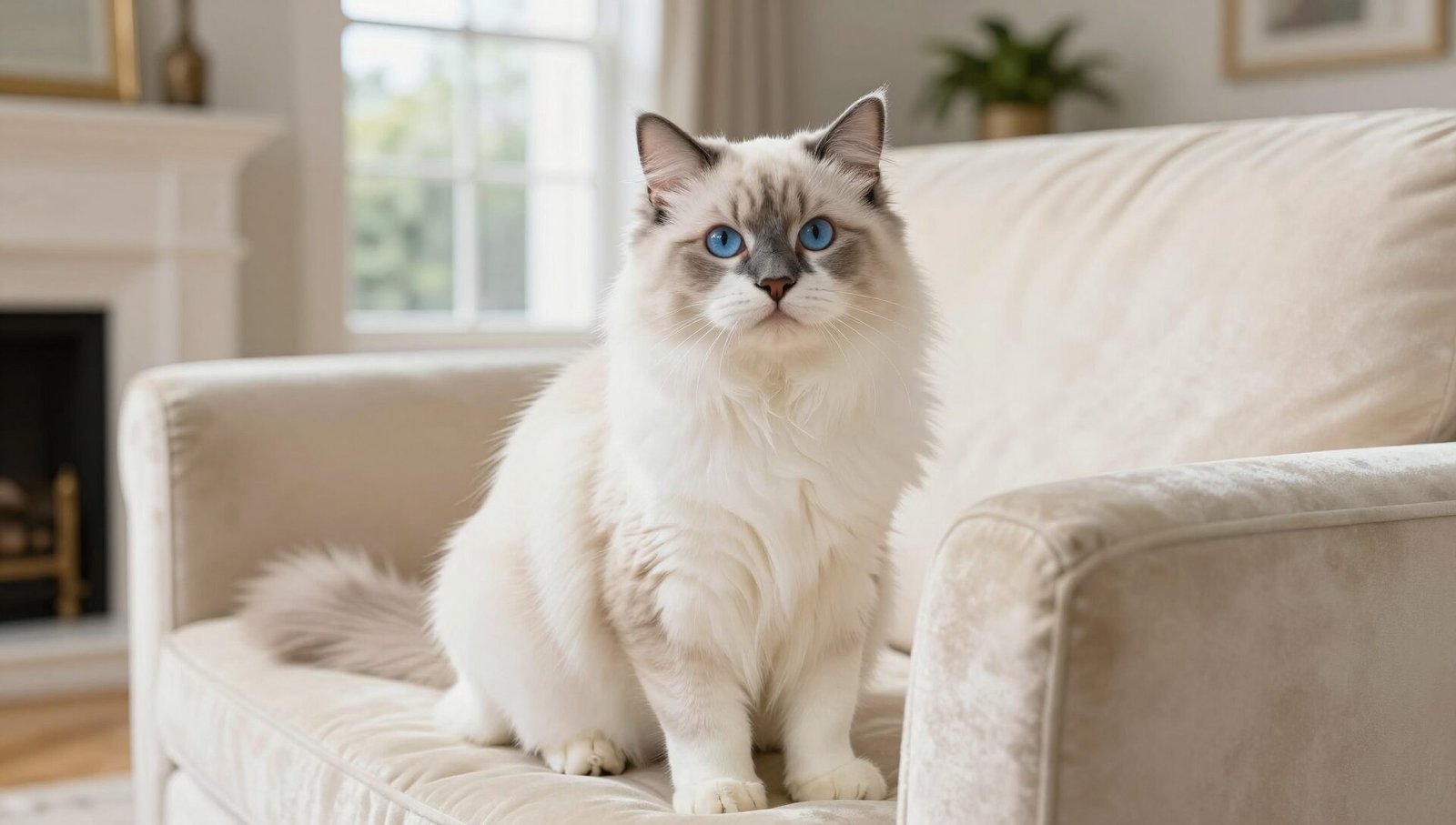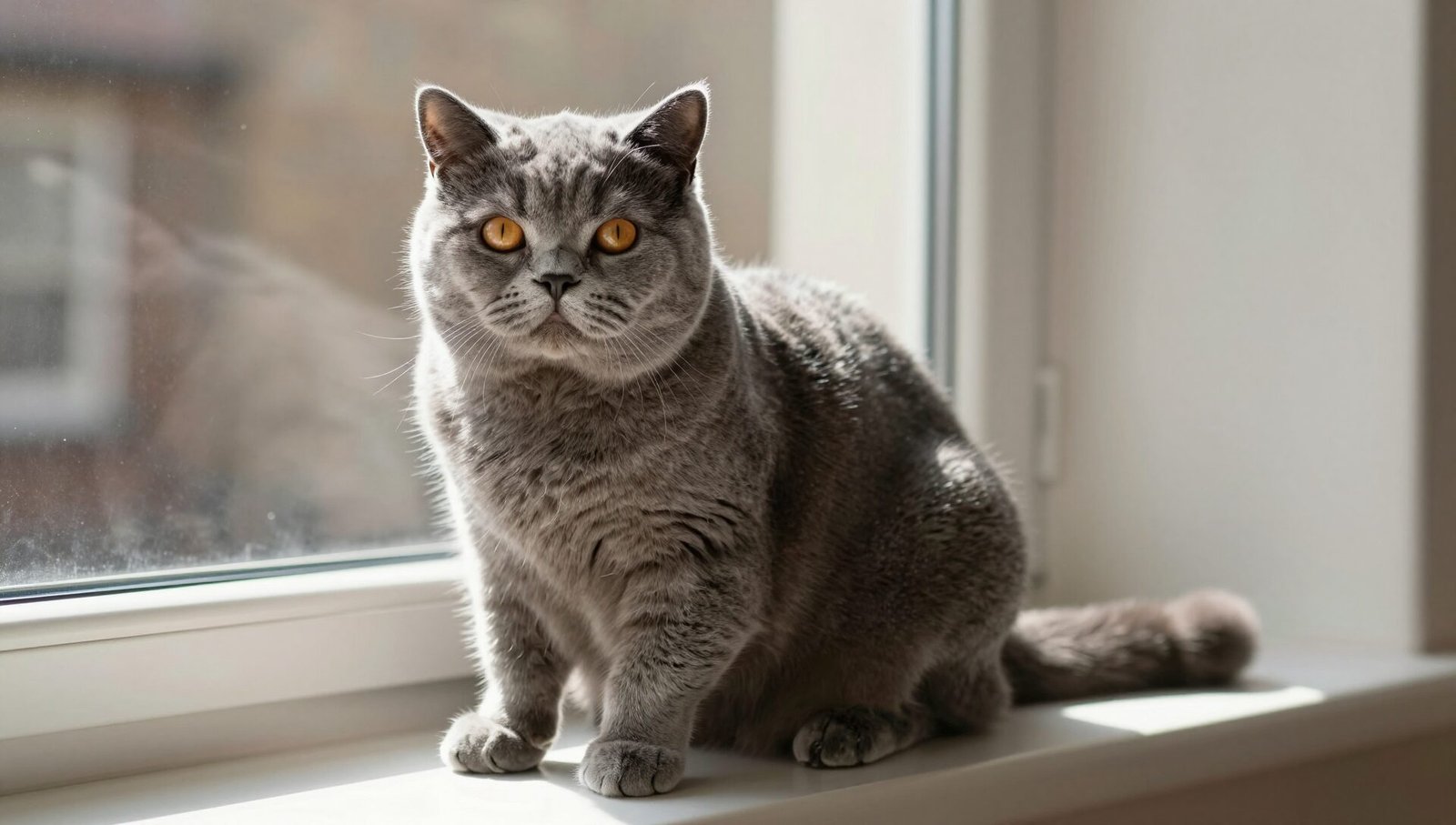
If you’ve ever spotted a chunky, blue-grey feline with an impossibly round face and thought, “That cat looks like it runs a very successful business from a Victorian counting house,” congratulations — you’ve met a British Shorthair. 😺
As someone who’s spent years around these gloriously stoic creatures, I can tell you that British Shorthair cats are far more than their Instagram-worthy looks. They’re a breed steeped in history, brimming with personality, and — perhaps most importantly — surprisingly low-maintenance compared to many other pedigree breeds.
But before you rush out to find your own fluffy companion, there’s a lot you should know. From typical costs and health concerns to their famously laid-back temperament, this comprehensive guide covers everything a prospective UK owner needs to understand about British Shorthair cats. Whether you’re a first-time cat owner or a seasoned feline enthusiast looking to add to your furry family, I’ll walk you through the real-world realities of living with this iconic British breed.
Let’s dive in, shall we?
The Fascinating History of British Shorthair Cats
Here’s something that genuinely surprised me when I first started researching this breed: British Shorthairs have roots stretching back possibly over 2,000 years. Tradition holds that Roman invaders brought Egyptian domestic cats to Britain, where they bred with local wildcats and eventually evolved into what we now recognise as the British Shorthair.
That’s right — your chunky sofa companion has ancient Roman heritage. No wonder they carry themselves with such imperial dignity. 👑
The breed as we know it today was formally developed during the Victorian era, when selective breeding became fashionable. Breeders wanted to emphasise the cat’s dense coat, stocky build, and round facial features. The result? A breed that looks perpetually surprised and slightly judgemental — in the most endearing way possible.
The British Shorthair also holds the distinction of being Britain’s most popular pedigree cat breed, surpassing 63 other breeds in registrations according to the Governing Council of the Cat Fancy (GCCF). Despite this achievement, it’s worth noting that domestic moggies — your standard non-pedigree house cats — remain far more common overall across the UK.
Understanding this history helps explain why British Shorthairs are so well-adapted to British life. They’ve literally been shaped by the British climate and lifestyle over millennia. Their dense, weather-resistant coats and robust constitutions are the product of centuries of natural and selective breeding in UK conditions.
British Shorthair Cats: Appearance and the Iconic British Blue
Let’s talk about what makes these cats so visually striking. British Shorthairs are medium-to-large cats with a distinctively stocky, cobby build — that’s fancy cat-breeding speak for “broad, muscular, and compact.” They have wide chests, strong legs, and perhaps their most recognisable feature: an impressively round head with full cheeks that gives them a permanent expression of dignified bewilderment.
The Famous British Blue
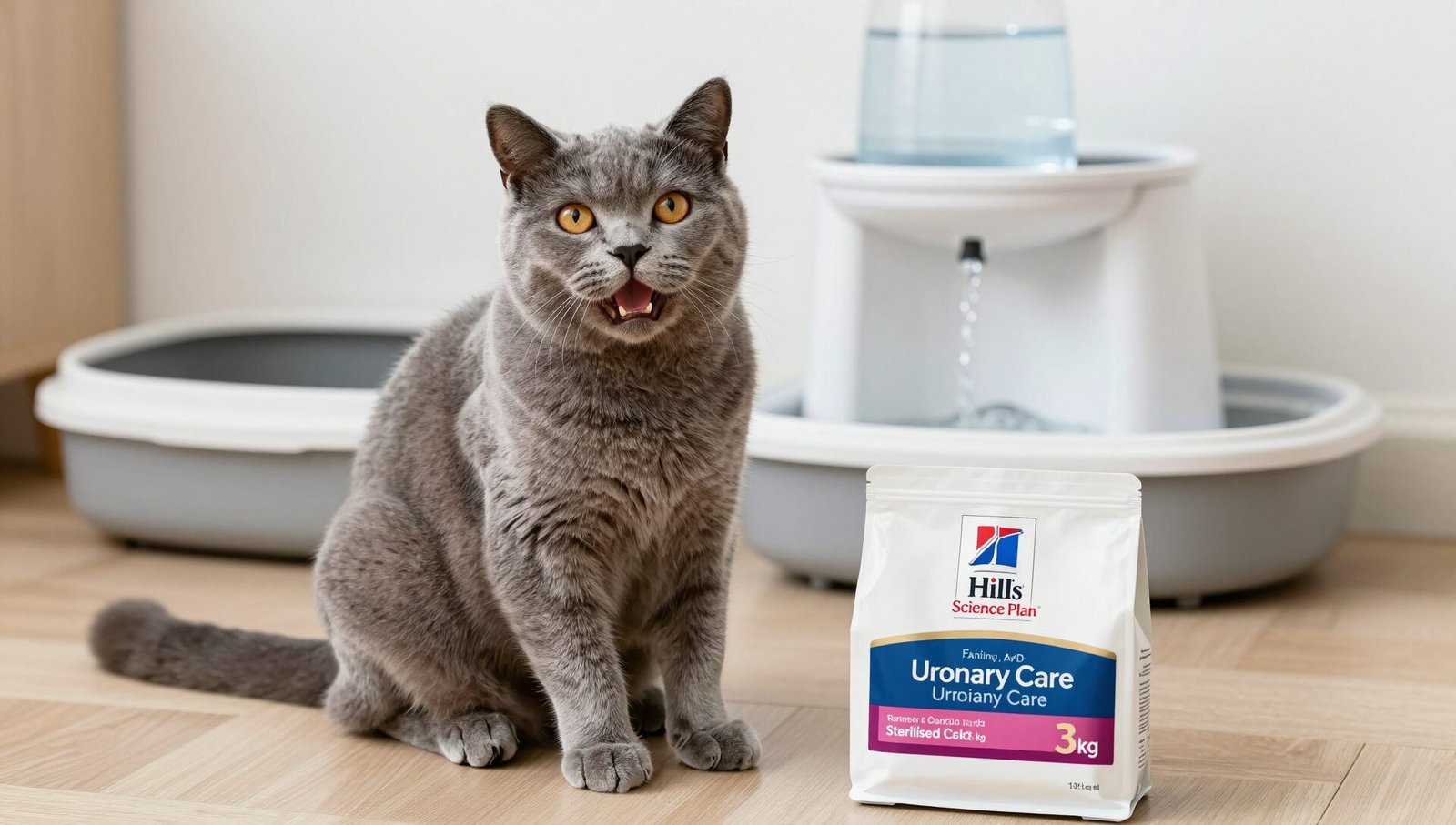
While British Shorthairs come in a variety of nine officially recognised colours, nothing quite matches the iconic “British Blue.” This isn’t your average grey cat, mind you. The British Blue sports a dark, steely grey coat with a distinctive shiny, plush texture that’s been described as feeling like dense velvet. Running your fingers through that coat is genuinely one of life’s small pleasures.
The breed’s round copper or gold eyes against that blue-grey fur create a striking contrast that’s absolutely mesmerising. It’s no wonder this particular colour variant remains the most popular and well-known.
Other Colour Varieties
Beyond the classic blue, British Shorthairs come in:
- White — striking and pure, often with blue or odd-coloured eyes
- Black — sleek and elegant
- Cream — a warm, soft tone
- Red (Ginger) — vibrant and eye-catching
- Chocolate and Lilac — rarer and highly sought after
- Tabby patterns — including classic, mackerel, and spotted
- Bicolour and Colourpoint — for those who like variety
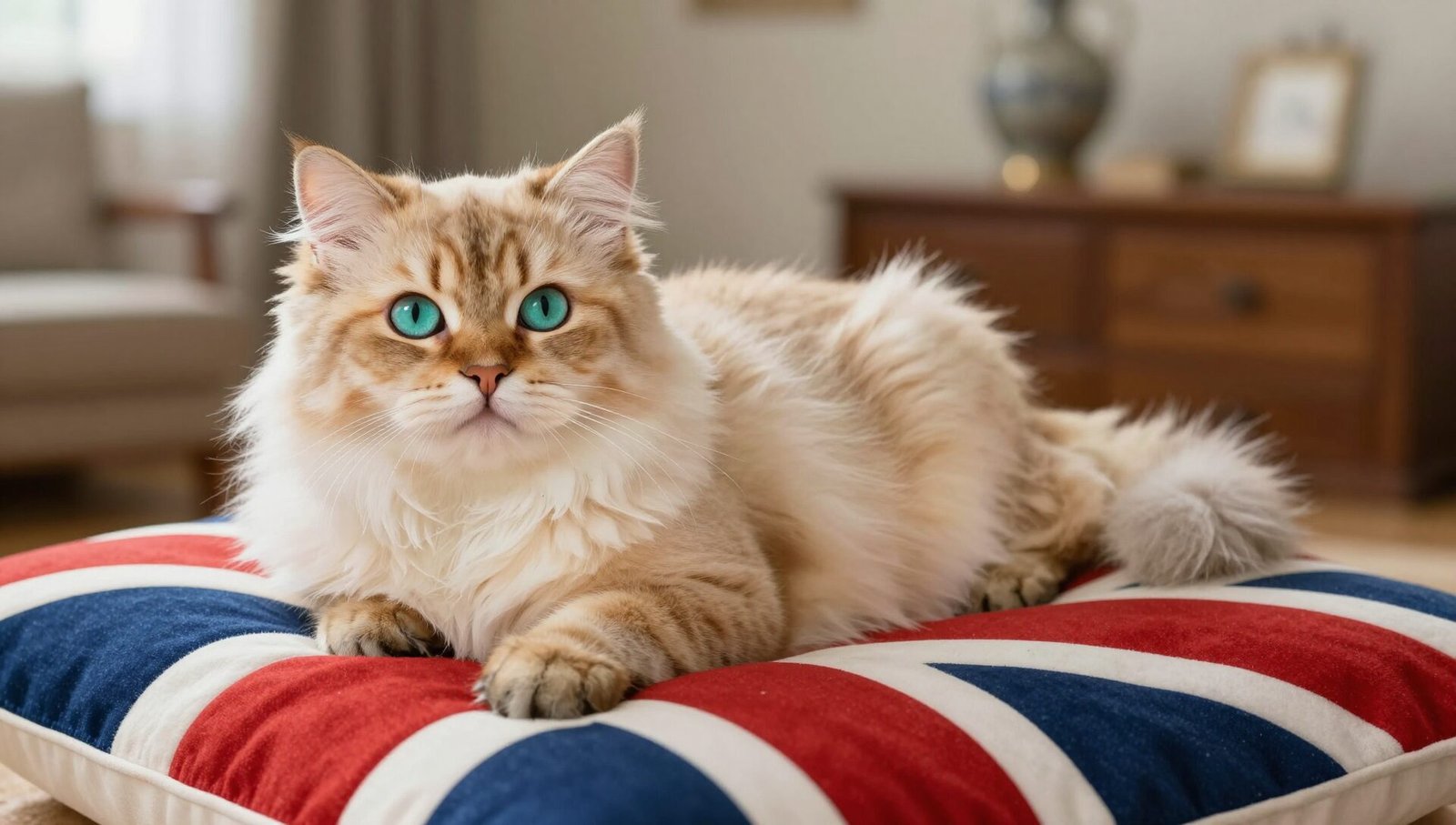
There’s also the British Longhair, a closely related cousin that shares many traits but requires significantly more grooming due to its dense, long coat. If you love the British Shorthair look but want even more fluff, the Longhair might be worth considering — just be prepared for extra brushing sessions!
Temperament and Personality: What Living with a British Shorthair Is Really Like
Here’s where British Shorthair cats truly shine, in my opinion. Their temperament is, quite frankly, a dream for most households.
These cats are renowned for being laid-back, affectionate, and personable without being demanding or clingy. Think of them as the friend who’s always happy to see you but doesn’t need to text you every five minutes. They’ll follow you from room to room, settle nearby, and simply enjoy your company without constantly demanding attention.
Key Personality Traits
| Trait | Rating (1-5) | Notes |
|---|---|---|
| Affection Level | ⭐⭐⭐⭐ | Loves cuddles on their terms |
| Independence | ⭐⭐⭐⭐⭐ | Happy alone during work hours |
| Playfulness | ⭐⭐⭐ | Moderate — enjoys short bursts |
| Intelligence | ⭐⭐⭐⭐ | Quick learners, problem solvers |
| Vocalisation | ⭐⭐ | Generally quiet breed |
| Good with Children | ⭐⭐⭐⭐⭐ | Patient and tolerant |
| Good with Other Pets | ⭐⭐⭐⭐ | Generally adaptable |
British Shorthairs are generally excellent with children and other pets, making them ideal family companions. They tend to tolerate the enthusiastic handling of little ones with remarkable patience, though they’ll quietly remove themselves if things get too much — a quality I deeply respect.
One thing I’ve noticed is that British Shorthairs aren’t typically “lap cats.” They prefer sitting next to you rather than on you. They show affection through proximity, slow blinks, and the occasional head bump. If you want a cat that acts more like a loyal, slightly aloof roommate than an attention-seeking puppy, you’ll love this breed.
They adapt well to both indoor and outdoor living, though early introduction to the outdoors is recommended if you plan to give them garden access. Their calm nature also makes them well-suited to flat living — a real bonus for urban UK cat owners.
Feeding and Feline Nutrition for British Shorthairs
Now, here’s a topic close to my heart — and my wallet. British Shorthairs have a stocky, muscular build, which means they have specific nutritional needs that differ from leaner breeds.
Dietary Requirements
These cats are prone to weight gain if overfed, so portion control is absolutely essential. I’ve learned this the hard way with my own experiences — those round faces are incredibly persuasive when they’re begging for extra treats.
Recommended feeding approach:
- High-quality protein should be the foundation of their diet (look for named meat sources as the first ingredient)
- Moderate fat content to maintain their muscular build without excess weight
- Age-appropriate food — kitten formula until 12 months, then adult, and senior formulations from around 7-10 years
- Measured portions rather than free-feeding — British Shorthairs will absolutely eat more than they need if given the chance
- Fresh water always available, ideally from a cat water fountain (many cats prefer running water)
Wet vs Dry Food Comparison
| Factor | Wet Food | Dry Food |
|---|---|---|
| Hydration | Excellent | Poor — supplement with water |
| Dental Health | Minimal benefit | Some abrasive cleaning |
| Cost | Higher | Lower |
| Convenience | Requires refrigeration after opening | Easy to store and serve |
| Palatability | Generally more appealing | Good for grazing |
| Shelf Life | Short once opened | Long-lasting |
Most feline nutrition experts recommend a combination of both wet and dry food. I’ve found this approach works brilliantly — a measured portion of wet food twice daily with a small amount of dry food for grazing keeps most British Shorthairs healthy and satisfied.
Pro tip: If your British Shorthair is a picky eater (and some certainly are!), try warming wet food slightly to release the aroma. It works like magic, trust me.
Grooming Needs: Maintaining That Plush Coat
Despite their dense, luxurious coat, British Shorthairs are surprisingly low-maintenance in the grooming department. Their short, thick fur doesn’t tangle or mat easily, which is a massive relief compared to long-haired breeds.
Weekly Grooming Routine
- Brush once or twice weekly with a stainless steel comb or rubber grooming mitt
- Increase to 3-4 times weekly during shedding seasons (spring and autumn)
- Check ears weekly for wax buildup or signs of infection
- Trim nails every 2-3 weeks or as needed
- Brush teeth regularly — dental disease is common in all cats
The main grooming challenge? Hair. During shedding season, British Shorthairs produce impressive quantities of fur. Invest in a good lint roller and a quality vacuum cleaner — you’ll thank me later.
One quirk I’ve noticed: many British Shorthairs absolutely love being brushed. My experience suggests that grooming sessions quickly become a bonding ritual. Just watch for overstimulation — if the tail starts twitching rapidly or the ears flatten, it’s time to stop before you get a swat.
Bathing
British Shorthairs rarely need baths. Their dense coat is naturally somewhat water-resistant, and most cats keep themselves impeccably clean. A bath is only necessary if they’ve gotten into something particularly messy. When you do bathe them, use a cat-specific shampoo and ensure they’re thoroughly dried — those dense coats take ages to dry naturally.
Health Considerations and Lifespan
This is perhaps the most important section for any prospective owner. While British Shorthairs are regarded as a generally long-lived and robust breed, there are specific health concerns you should be aware of.
Average Lifespan
UK veterinary data shows an average lifespan of approximately 12 years, though many British Shorthairs live happily into their mid-teens with proper care. Some have been documented living to 20 years and beyond.
Breed-Specific Health Concerns
| Condition | Description | Prevention/Management |
|---|---|---|
| Hypertrophic Cardiomyopathy (HCM) | Thickening of the heart muscle — the most significant concern for this breed | Regular cardiac screening; ask breeders for HCM-tested parents |
| Polycystic Kidney Disease (PKD) | Genetic condition causing cysts in the kidneys | DNA testing available; responsible breeders screen for this |
| Obesity | Very common due to their build and love of food | Strict portion control and regular exercise |
| Haemophilia B | Blood clotting disorder found in some lines | Genetic testing of breeding cats |
| Dental Disease | Common in all cats, including British Shorthairs | Regular dental care and vet dental checks |
Keeping Your British Shorthair Healthy
- Annual vet check-ups minimum — twice yearly for senior cats
- Vaccinations kept up to date (core vaccines for all UK cats)
- Regular flea and worming treatments — even for indoor cats
- Weight monitoring — weigh your cat monthly and adjust food accordingly
- Pet insurance — highly recommended given potential cardiac issues; budget around £20-40 per month
My honest advice: Always ask breeders for health test results for the parents, specifically screening for HCM and PKD. A responsible breeder will be happy to share this information. If they’re reluctant, walk away — no exceptions.
Indoor vs Outdoor Living: What Works Best?
This is one of the most debated topics in UK cat ownership, and British Shorthairs can thrive in both environments.
Indoor Living
British Shorthairs adapt exceptionally well to indoor-only living, making them popular choices for flats and urban homes. Their calm, low-energy temperament means they don’t need vast amounts of space.
Essentials for indoor British Shorthairs:
- Multiple scratching posts (vertical and horizontal)
- Cat trees and climbing opportunities
- Interactive toys and puzzle feeders
- Window perches for bird-watching
- Regular play sessions (15-20 minutes twice daily)
- Clean litter trays (one per cat plus one extra)
Outdoor Access
If you have a garden and want to give your British Shorthair outdoor access, early introduction is key. Cats introduced to the outdoors as kittens generally adapt more confidently.
Options for safe outdoor access:
- Catios (enclosed outdoor spaces) — the gold standard for safety
- Cat-proof fencing — prevents escape while allowing garden exploration
- Harness training — yes, some British Shorthairs will walk on a lead!
- Supervised garden time — good for calm breeds like British Shorthairs
The breed’s stocky build means they’re not the most agile climbers, which actually works in your favour — they’re less likely to scale fences and disappear compared to more athletic breeds.
Training and Enrichment: Keeping Your British Shorthair Happy
Don’t let their laid-back demeanour fool you — British Shorthairs are intelligent cats who need mental stimulation to stay happy and healthy.
Litter Training
The good news? British Shorthairs are generally exceptionally easy to litter train. Most kittens take to the litter tray almost instinctively. Place them in the tray after meals and naps, and they’ll typically figure it out within days.
Common litter training issues and solutions:
- Avoiding the tray? Check cleanliness — British Shorthairs are fastidious. Scoop daily, fully change weekly
- Going near but not in the tray? The tray might be too small or in a high-traffic area
- Sudden regression? Vet check first — this often indicates a medical issue
Scratching Behaviour
British Shorthairs need appropriate scratching outlets. Invest in sturdy, tall scratching posts — their weight means flimsy posts will topple, and they’ll simply use your sofa instead. Place posts near sleeping areas (cats love to scratch after waking up) and near furniture they’re targeting.
Enrichment Ideas
| Enrichment Type | Examples | Frequency |
|---|---|---|
| Puzzle Feeders | Treat balls, snuffle mats, food-dispensing toys | Daily rotation |
| Interactive Play | Wand toys, feather teasers, laser pointers | 15-20 mins, twice daily |
| Environmental | Cat trees, window perches, cardboard boxes | Permanent features |
| Social | Gentle handling, grooming sessions, calm conversation | Daily |
| Novelty | New toys, cardboard tunnels, paper bags | Weekly rotation |
Pro tip: British Shorthairs tend to prefer “hunt and pounce” play styles over chasing games. Wand toys that mimic bird or mouse movements are usually irresistible.
The True Cost of Owning British Shorthair Cats in the UK
Let’s talk money — because owning a pedigree cat is a significant financial commitment.
Initial Costs
- Pedigree kitten from a reputable breeder: Approximately £600 (mid-range for pedigree cats)
- Non-pedigree cat of similar appearance: Around £440
- Essential supplies (bed, litter tray, toys, grooming tools, food bowls): £150-300
- Initial vet costs (vaccinations, microchipping, neutering): £150-300
Ongoing Annual Costs
| Expense | Estimated Annual Cost |
|---|---|
| Food (quality diet) | £300-500 |
| Litter | £150-250 |
| Pet Insurance | £240-480 |
| Routine Vet Care | £100-200 |
| Flea/Worming Treatments | £60-120 |
| Toys and Accessories | £50-100 |
| Total Annual Estimate | £900-1,650 |
Pros and Cons Summary
✅ Pros:
- Calm, gentle temperament — ideal for families
- Low-maintenance grooming needs
- Adaptable to indoor living
- Generally good health
- Excellent with children and other pets
- Quiet — won’t disturb neighbours
- Perfect for first-time cat owners
- Incredible cultural heritage
❌ Cons:
- Prone to weight gain without careful feeding
- Can be expensive to purchase initially
- Not typically “lap cats” — may disappoint cuddle-seekers
- Potential breed-specific health issues (HCM, PKD)
- Heavy shedding twice yearly
- Can be stubborn about dietary changes
- Less playful than some other breeds
Questions to Ask When Buying British Shorthair Cats
If you’ve decided that a British Shorthair is right for you, choosing a reputable breeder is absolutely critical. Here are the essential questions to ask:
- Can you provide health test results for the parents? Specifically screening for HCM, PKD, and other genetic issues
- How are the kittens socialised? Good breeders handle kittens daily and expose them to household sounds
- What breeding practices do you follow? Responsible breeders prioritise health over appearance
- Has the kitten received vaccinations, microchipping, and deworming? These should be included or documented
- Do you offer a return policy? Good breeders will always take a cat back if the owner can’t care for it
- Can I visit and meet the parents? Never buy from a breeder who won’t let you see the kitten’s living environment
- Are the kittens registered with the GCCF? For pedigree assurance
Red flags to watch for: Multiple litters available at once, reluctance to show health certificates, kittens available before 12-13 weeks, pressure to buy quickly, and meeting in public places rather than the breeder’s home.
British Shorthair Cats: Are They Right for You?
These magnificent cats represent one of the finest examples of British breeding heritage. Their combination of stunning appearance, manageable care requirements, and wonderful temperament makes them an excellent choice for many UK households.
A British Shorthair might be perfect for you if:
- You want a calm, independent companion
- You live in a flat or smaller home
- You have children or other pets
- You’re a first-time cat owner
- You appreciate a cat that’s affectionate without being clingy
A British Shorthair might not be ideal if:
- You want a highly active, playful cat
- You need a constant lap companion
- You’re unwilling to manage potential health screening costs
- You prefer a cat that can keep up with outdoor adventures
Whatever you decide, research thoroughly, meet reputable breeders, and understand the breed’s needs before making this wonderful commitment. A well-cared-for British Shorthair will reward you with years of loyal, dignified, and utterly charming companionship.
Frequently Asked Questions
How much does a British Shorthair kitten cost in the UK?
A pedigree British Shorthair kitten typically costs around £600 from a reputable breeder, though prices can range from £500 to over £1,000 depending on colour, lineage, and breeder reputation. Non-pedigree cats of similar appearance may be available for approximately £440. Always factor in initial setup costs of £300-600 for supplies, vaccinations, and neutering on top of the purchase price.
Are British Shorthair cats good for first-time owners?
Absolutely! British Shorthairs are widely regarded as one of the best breeds for first-time cat owners. Their relatively undemanding nature, calm temperament, and manageable grooming needs make them forgiving of beginner mistakes. They’re patient, adaptable, and don’t require the intensive care that some high-maintenance breeds demand.
How long do British Shorthair cats live?
UK veterinary data indicates an average lifespan of approximately 12 years, though many British Shorthairs live well into their mid-teens with proper care, nutrition, and regular veterinary check-ups. Some have been known to reach 17-20 years. Maintaining a healthy weight and keeping up with preventive healthcare significantly impacts longevity.
Do British Shorthair cats shed a lot?
British Shorthairs have a dense double coat that sheds moderately year-round and heavily during spring and autumn. Regular brushing (1-2 times weekly, increasing during shedding season) helps manage loose fur. Investing in a good vacuum and lint rollers is practically essential. Despite the shedding, their grooming needs remain relatively low compared to long-haired breeds.
Can British Shorthair cats live indoors only?
Yes, British Shorthairs adapt exceptionally well to indoor-only living. Their calm, low-energy temperament makes them well-suited to flat and apartment life. However, indoor cats need adequate enrichment including scratching posts, climbing structures, interactive toys, and regular play sessions to stay physically and mentally healthy.
What health problems are common in British Shorthair cats?
The most significant breed-specific health concerns are hypertrophic cardiomyopathy (HCM) and polycystic kidney disease (PKD). Obesity is also very common due to their build and appetite. Reputable breeders screen for genetic conditions, and regular veterinary check-ups help catch issues early. Pet insurance is strongly recommended given these potential health risks.
Final Thoughts
British Shorthair cats are a true British treasure — there’s no other way to put it. From their ancient Roman roots to their modern-day status as the UK’s most popular pedigree breed, these cats have earned their place in our hearts and homes.
If you’re considering bringing one into your family, take your time, do your research, and choose a responsible breeder. The investment in a healthy, well-bred kitten pays dividends in years of companionship with a cat that’s as dignified as it is loving.
Good luck on your British Shorthair journey — and remember, once you’ve been chosen by one of these magnificent cats, there’s no going back. 😺