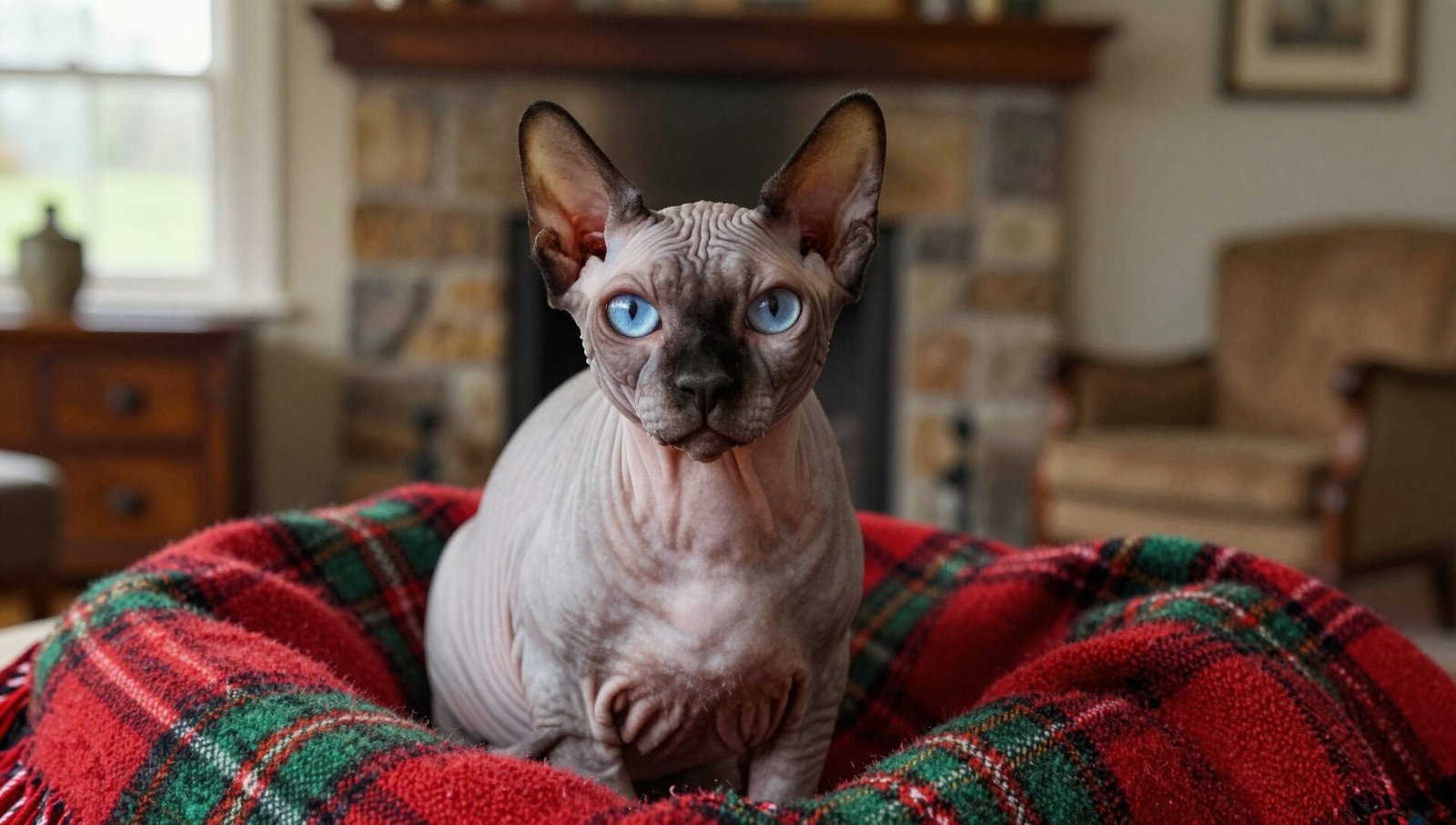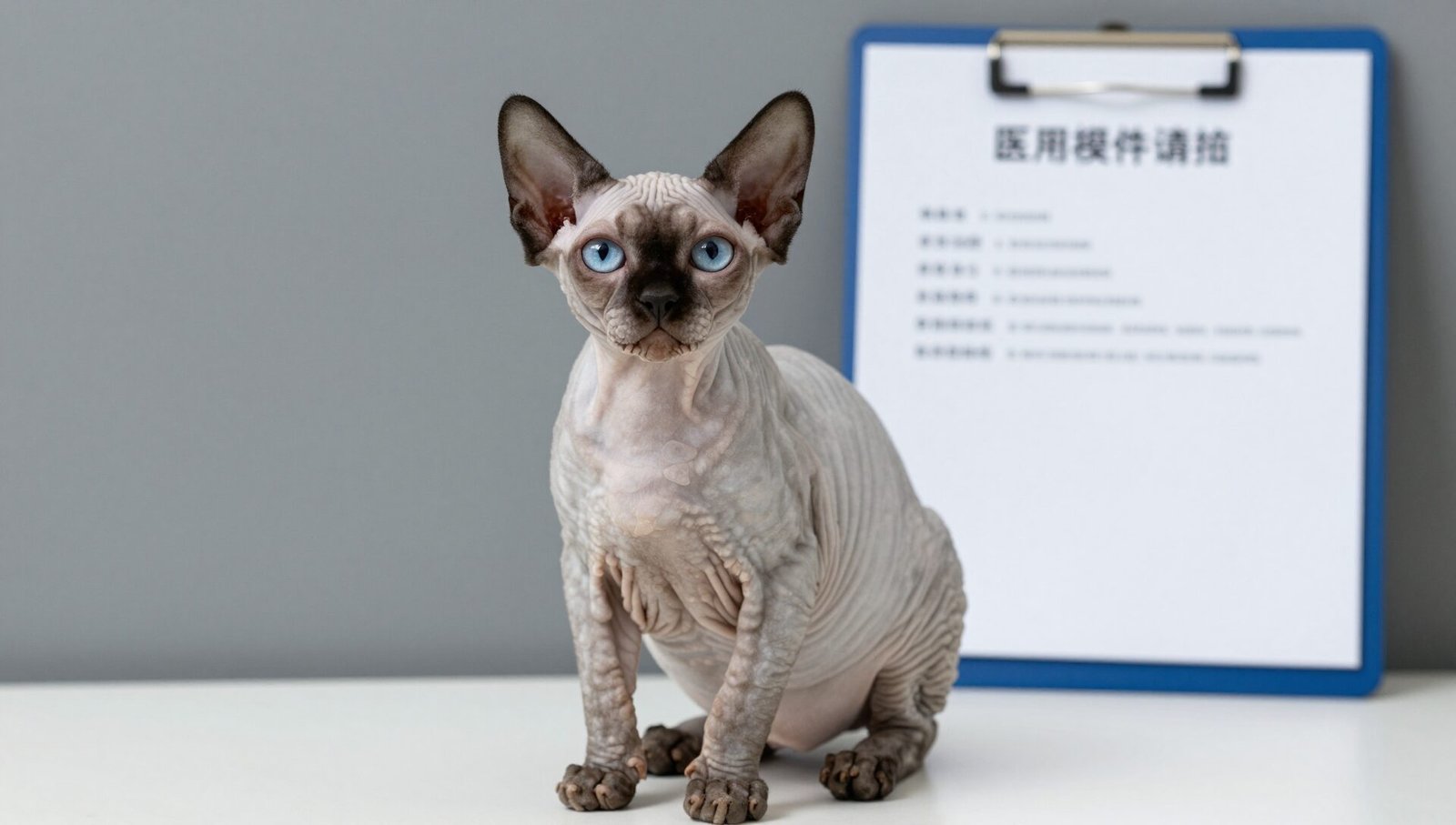
If you are reading this, you have likely already succumbed to the charms of the Sphynx cat. It is hard not to, isn’t it? With their suede-like skin, elfin ears, and personalities that are often described as “a monkey crossed with a dog,” they are utterly captivating. I still remember the first time I met one; I expected them to be aloof or fragile, but instead, this warm, wrinkly creature launched itself onto my shoulder and started purring like a tractor.
However, buying a Sphynx is not like picking up a generic tabby from the farm down the road. These are highly specialised pedigreed cats with specific health and care requirements. The decision you make right at the start—who you buy your kitten from—will dictate the health and happiness of your feline friend for the next 15 years. Finding the right sphynx kitten breeder is the single most important step in your journey.
In this guide, I am going to walk you through exactly what to look for, what to avoid, and how to prepare for life with a hairless companion.
Why the Source Matters: The Role of a Reputable Breeder
You might wonder why you can’t just find a kitten on a general sales website. The truth is, the Sphynx breed is prone to certain genetic issues. A responsible breeder does not just “make kittens”; they dedicate their lives to improving the breed. They spend thousands of pounds on veterinary screening, high-quality food, and socialisation.
When you buy from a reputable source, you are paying for peace of mind. You are ensuring that your kitten has been raised in a home environment, exposed to household noises, and handled by humans from birth. A kitten raised in a spare room with little interaction can grow up to be fearful or aggressive. A good breeder invests time in the kitten’s “software” (temperament) just as much as their “hardware” (genetics).
Furthermore, a good sphynx kitten breeder acts as your support system for life. If you have a question about diet, grooming, or strange behaviour at 2:00 AM, they should be the first person you feel comfortable calling.
1. Check for Essential Health Screening
This is non-negotiable. The Sphynx cat is unfortunately predisposed to Hypertrophic Cardiomyopathy (HCM), a heart disease that thickens the heart muscle. A responsible breeder will scan their adult cats annually using an echocardiogram performed by a veterinary cardiologist.
What to ask for:
- HCM Scans: Ask to see the certificates. Do not accept “the vet listened to the heart and said it was fine.” That is not a screen for HCM.
- FIV/FeLV Status: The parents should be tested negative for Feline Immunodeficiency Virus and Feline Leukaemia Virus.
- Genetic Testing: They should be testing for breed-specific genetic markers like CMS (Congenital Myasthenic Syndrome).
If a breeder gets defensive when you ask for health paperwork, walk away immediately. No paperwork, no kitten.
2. The Home Visit (or Video Tour)
You wouldn’t buy a house without viewing it, so don’t buy a living creature sight unseen. A legitimate breeder will welcome visits, though many will ask you to wait until the kittens have had their first vaccinations due to biosecurity risks.
When you visit, use your nose and your eyes.
- Smell: Does the house smell of ammonia (urine)? Or does it smell fresh?
- Living Conditions: Are the cats living in the family home (“underfoot”), or are they confined to kennels or cages?
- Interaction: Do the adult cats approach you, or do they cower? This tells you volumes about how they are treated.
I once visited a cattery where the cats were in pristine condition, but the stud cats were isolated in a separate building. It felt sterile and lonely. I left without a kitten. You want a breeder whose cats are part of the family.
3. Temperament and Socialisation
The hallmark of the Sphynx is their outgoing, affectionate nature. They are often called “Velcro cats” because they stick to you. However, this temperament doesn’t happen by magic; it is the result of early socialisation.
A good sphynx kitten breeder will start “gentling” the kittens from day one. They should be used to being held, having their paws touched (for claw clipping), and hearing the vacuum cleaner.
Green Flags:
- The kittens are raised in the living room or kitchen, not a back room.
- There are other pets (dogs, other cats) that the kittens interact with safely.
- The breeder asks you questions to ensure their kitten is going to the right home.
4. Understanding the Contract and Guarantees
Never buy a kitten without a written contract. This document protects both you and the breeder. It should clearly outline:
- Health Guarantee: Most reputable breeders offer a guarantee against fatal genetic defects for a set period (often 1 to 2 years).
- Neuter/Spay Clause: Pet kittens are usually sold on the “Active Register” only if they are for show, or the “Supplementary Register” for pets. Most breeders sell kittens to be neutered/spayed before or shortly after collection.
- Return Policy: A responsible breeder will always take a cat back if you can no longer care for it, no matter the age. This ensures their cats never end up in shelters.
5. The “Waiting List” Reality Check
We live in an age of instant gratification, but good things take time. If a breeder has kittens available immediately with no waiting list, ask yourself why.
Top-tier breeders often have waiting lists of 6 to 12 months. Paying a small, non-refundable deposit to join a list is standard practice. This wait can actually be a good thing—it gives you time to “Sphynx-proof” your home and stock up on supplies!
6. Coat, Skin, and Colour Variations
While we call them “hairless,” Sphynx cats are actually covered in a fine down, like a peach. They come in every colour and pattern that a normal cat does—black, white, tabby, tortie, and pointed.
When visiting a breeder, check the skin condition of the adults. It should be clean and supple, not flaky or cracked. While some oil buildup is normal (and a sign of a healthy cat), excessive blackheads or sores can indicate poor diet or hygiene. A good breeder will have already started the kittens on a bathing routine, so the kitten should be relatively accustomed to water.
7. Nutrition: What Are They Feeding?
Sphynx cats have a faster metabolism than furred cats because they burn energy to stay warm. They are notorious for being “dustbin” cats (eating everything) but also having sensitive stomachs.
Ask the breeder what the kittens are eating.
- High-Quality Diet: Look for breeders feeding premium wet food or a raw diet, supplemented with high-quality biscuits.
- Transition: You don’t want to change a kitten’s diet the day they arrive. It causes stress and diarrhoea. A good breeder will send you home with a “puppy pack” (or kitten pack!) containing a week’s supply of their usual food.
8. Indoor vs. Outdoor Living
Sphynx cats are strictly indoor cats. This is for two reasons:
- Temperature: They have no fur to protect them from the UK rain or winter chill.
- Skin: Their skin is susceptible to sunburn and damage from thorns or other animals.
A responsible breeder will have a clause in their contract stating the cat must be kept indoors or in a secure “catio.” If a breeder tells you it’s fine to let them roam outside in the UK, they are prioritising a sale over the animal’s welfare.
To keep an indoor Sphynx happy, you need enrichment:
- Cat trees (they love to climb).
- Window perches (for bird watching).
- Scratching posts (save your sofa!).
9. Red Flags to Avoid
Unfortunately, where there is demand, there are scammers and “kitten mills.” Here are the immediate deal-breakers:
- Multiple Breeds: A breeder who has Sphynx, Bengals, and Persians all at once is likely a commercial operation, not a hobbyist passionate about one breed.
- No Questions Asked: If they don’t ask about your home, work schedule, or other pets, they don’t care where the kitten ends up.
- Cash Only / No Receipts: Lack of paper trail suggests they aren’t declaring income or providing legit guarantees.
- Price Gouging: While Sphynx are expensive (£1,200 – £2,500 in the UK), charging exorbitant fees for “rare” colours like “painted” or “mink” without health backing is a scam.
10. The Cost of Ownership
Finally, ensure you are financially prepared. The kitten price is just the beginning.
- Vaccinations & Microchipping: Usually included by the breeder.
- Pet Insurance: Essential. Sphynx can have heart issues.
- Food & Litter: High-quality food isn’t cheap.
- Heating: Your energy bill might go up as you keep the house warm for your naked friend!
Grooming: The “Naked” Truth
One of the biggest misconceptions is that Sphynx are low maintenance because they have no fur. In reality, they are higher maintenance than a Persian in some ways!
Bathing: They need regular baths (every 1-2 weeks) because they secrete natural oils that aren’t absorbed by fur. If you don’t wash them, they leave greasy brown marks on your sheets and furniture. It is essential to start bathing them as kittens so they get used to it.
Ears and Nails: Their large ears produce copious amounts of wax. You will need to clean them weekly with a cotton pad and a vet-approved solution. Their claws also get waxy buildup around the sheath, which needs gentle cleaning.
Pros and Cons of Owning a Sphynx
To give you a balanced view, here is a quick breakdown:
| Pros | Cons |
|---|---|
| Incredibly Affectionate: They are like hot water bottles that love you back. | High Maintenance Skin: Baths, ear cleaning, and nail cleaning are mandatory. |
| Hypoallergenic: Many allergy sufferers tolerate them well (though no cat is 100% hypoallergenic). | Health Risks: Prone to HCM and other genetic issues if bred poorly. |
| Intelligent & Playful: They can learn tricks and walk on leads. | Expensive: Purchase price and potential vet bills are high. |
| Sociable: They get along great with kids, dogs, and other cats. | Messy: They can be “greasy” and leave residue if not bathed. |
Conclusion
Finding a good sphynx kitten breeder takes patience, research, and a healthy dose of scepticism. Do not rush the process. It is better to wait a year for a healthy, well-socialised kitten from a breeder who screens for HCM, than to buy a “bargain” kitten next week that breaks your heart in two years due to a preventable genetic defect.
Ask the awkward questions. Demand the paperwork. Visit the home. When you finally bring that warm, wrinkly bundle of joy home, you will know you did it right. And trust me, once you’ve had a Sphynx snuggle up to your neck on a cold night, you’ll wonder how you ever lived without one.
FAQ
How much should I pay for a Sphynx kitten in the UK?
In the UK, you should expect to pay between £1,200 and £2,500 for a pet-quality Sphynx kitten. If the price is significantly lower, it is a major red flag that health screenings (like HCM scans) have been skipped. Show-quality kittens or those with rare colour points may cost even more.
Are Sphynx cats actually hypoallergenic?
While no cat is 100% hypoallergenic, Sphynx cats are often much better for people with allergies. The allergen Fel d 1 is found in cat saliva and skin secretions. Because Sphynx have no fur to trap the dander and spread it around the house, many allergy sufferers find they can live comfortably with them.
How long do Sphynx cats live?
With a good diet, proper care, and genetics from a responsible breeder, the average lifespan of a Sphynx cat is between 12 and 15 years. Some have been known to live even longer.
Do Sphynx cats get lonely?
Yes, absolutely. Sphynx cats are incredibly social and hate being alone. If you work long hours away from home, it is highly recommended to get two cats (they don’t both have to be Sphynx) to keep each other company.
Do Sphynx cats smell?
The cats themselves do not have a distinct “cat smell,” but because they have no fur to absorb the oils from their skin, they can leave a slightly greasy residue on fabrics. Regular baths (every 1-2 weeks) and clean bedding will prevent any unpleasant odours.
What should I look for in a sphynx kitten breeder contract?
A good contract should include a health guarantee against genetic defects, a return policy (the breeder takes the cat back if you can’t keep it), proof of vaccination and microchipping, and a clause regarding spaying/neutering if it’s a pet-quality kitten.