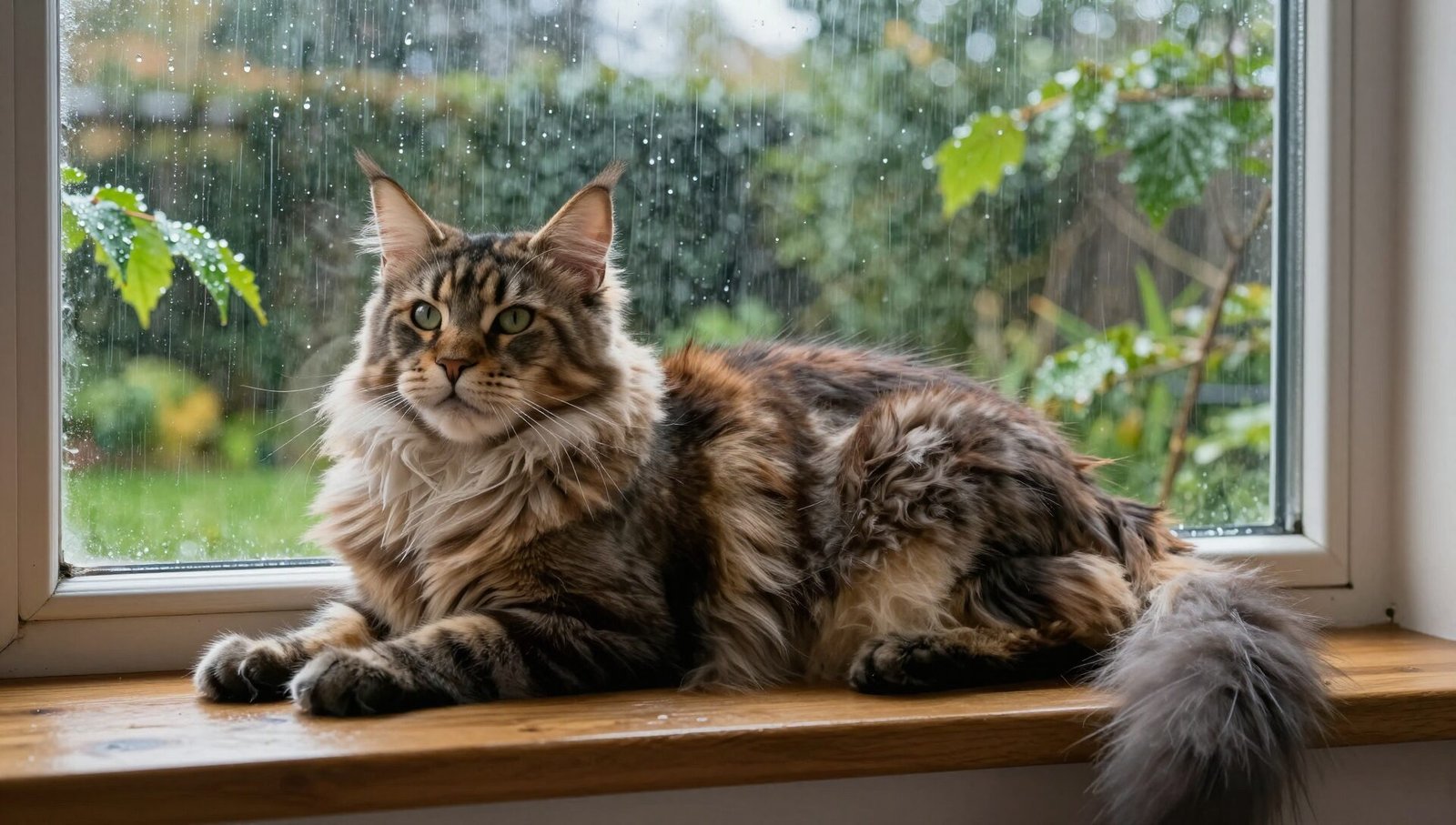
I still remember the first time I met a Maine Coon at a rescue centre in Manchester. I thought someone had smuggled a small wildcat in by mistake! These cats are massive, magnificent, and utterly charming. If you are lucky enough to share your home with one of these “gentle giants,” you will inevitably wonder: how long does a Maine Coon live?
It is the million-pound question for every owner. Because these cats take up so much space on our sofas and in our hearts, we want them to stay with us as long as possible. In this comprehensive guide, we will look at the average Maine Coon lifespan, the health issues that can shorten it, and—most importantly—what you can do to give your cat the best shot at a long, healthy life.
Understanding the Maine Coon Lifespan
So, let’s get straight to the point. How long does a Maine Coon live? On average, a healthy Maine Coon enjoys a lifespan of 12 to 15 years. That is a solid innings for a domestic cat, and perfectly in line with the average for most breeds in the UK.
However, unlike dog breeds where larger sizes often mean shorter lives, a Maine Coon’s size does not automatically cut their years short. We have all heard stories of Maine Coons living well into their late teens or even early twenties. While these are outliers, they show what is possible with excellent genetics and outstanding care.
Their longevity is influenced by a cocktail of factors. Genetics are the foundation—bad breeding can introduce hereditary defects. Environment plays a huge role; an indoor cat is statistically safer than one roaming the streets of London. Finally, preventative healthcare is the glue that holds it all together. Regular vet check-ups, a stress-free home, and proper nutrition are your best tools for extending that lifespan. I have seen cats with rough starts in life thrive into old age simply because their owners were vigilant and proactive about their care.
Common Health Issues in Maine Coons
Maine Coons are generally robust, but being a purebred cat comes with a specific set of genetic vulnerabilities. Knowing what to watch for is half the battle.
The most serious and common condition is Hypertrophic Cardiomyopathy (HCM). This is a thickening of the heart muscle, which can lead to heart failure. It is a silent killer, often showing no symptoms until it is advanced. Regular cardiac screenings with your vet are essential.
Another major concern is Hip Dysplasia. Given their size—males can weigh up to 12kg or more—their hip joints can develop abnormally, leading to arthritis and mobility issues. You might notice them hesitating before jumping or becoming less active.
Polycystic Kidney Disease (PKD) is also a risk. This hereditary condition causes fluid-filled cysts to develop in the kidneys, eventually leading to renal failure. Finally, Spinal Muscular Atrophy (SMA) affects the motor neurons in the spinal cord, causing muscle wasting. While it impacts mobility, many cats with SMA live comfortably with adapted care.
I once looked after a Maine Coon named Barnaby who started limping at just six years old. It was early-onset arthritis linked to hip dysplasia. Catching it early meant we could manage it with joint supplements and weight control, keeping him active for years. Vigilance is everything.
The Role of Genetics and Breeding
When it comes to the Maine Coon lifespan, genetics is the wildcard. You can do everything right with diet and environment, but if your cat has inherited a faulty gene, it can still develop serious conditions. This is why where you get your kitten matters immensely.
I always tell people: do your homework on breeders. A reputable breeder in the UK will have their breeding cats screened for HCM, SMA, and PKD. They will happily show you the paperwork. They will also let you meet the mother cat (the queen) and see the conditions the kittens are raised in.
Avoid “backyard breeders” or anyone selling kittens cheaply on classified ads without health certificates. I have seen heartbreaking cases where people saved money on a kitten only to face thousands in vet bills down the line for preventable genetic conditions.
If you are adopting from a rescue, you may not have the full genetic history, but a good rescue will have done a basic health check. In either case, once you have your cat, pet insurance is non-negotiable. It provides a safety net for those unexpected health crises. Think of it as an investment in their future.
Nutrition and Diet for Longevity
You are what you eat, and the same is true for your cat. Proper feline nutrition is one of the most powerful tools you have to influence your Maine Coon’s lifespan.
Maine Coons are obligate carnivores. They need a diet rich in high-quality animal protein—think chicken, turkey, or fish as the primary ingredient. Avoid foods packed with cheap fillers like corn or wheat. These offer little nutritional value and can contribute to weight gain.
Key dietary tips:
- Kittens: They grow slowly, not reaching full maturity until 3 to 5 years old. Feed them kitten-specific food to support this extended growth period.
- Adults: Once they are fully grown, watch the calories. Obesity is a major risk factor for diabetes, joint problems, and heart disease.
- Seniors: Older cats (10+) may benefit from food with added joint support (like glucosamine) and highly digestible proteins.
Hydration is another critical factor. Cats are notoriously poor drinkers. I always recommend a mix of wet and dry food to boost their water intake. A cat water fountain can also work wonders—my own cat drinks twice as much since I got one. It mimics running water, which many cats instinctively prefer.
Grooming and Coat Maintenance
That glorious, flowing coat is one of the Maine Coon’s most defining features. It is also one of the most high-maintenance. Neglecting grooming is a fast track to a matted, uncomfortable cat.
I recommend brushing your Maine Coon at least three times a week, though daily is ideal, especially during shedding season (spring and autumn). Use a stainless steel comb to work through the thick undercoat and a slicker brush for the top layer.
Pay special attention to the “trousers” (the fur on their back legs) and the belly—these areas mat incredibly quickly. If a mat does form, never try to cut it out with scissors. It is far too easy to accidentally cut their delicate skin. Use a mat splitter or take them to a professional groomer.
Beyond the coat, dental care is often overlooked but vital. Maine Coons are prone to gum disease, which can lead to bacteria entering the bloodstream and damaging the heart and kidneys. Get them used to having their teeth brushed when they are young, or use dental treats and water additives. I brush my cat’s teeth while watching the telly—it makes it a quick, routine task rather than a battle.
Indoor vs Outdoor Living in the UK
This is a hot debate among UK cat owners. Many of us grew up with cats roaming freely, but for a Maine Coon, I strongly advocate for an indoor lifestyle.
The risks outside are significant: traffic, theft (Maine Coons are valuable and friendly, making them targets), and exposure to diseases like FIV from fights with strays. An indoor cat can easily live into its late teens; an outdoor cat faces far more hazards.
However, keeping a big cat indoors requires effort. You cannot expect them to be happy sleeping 24/7. Enrichment is key:
- Cat Trees: Essential for climbing and scratching.
- Window Perches: They love “Cat TV”—watching birds and the world go by.
- Secure Gardens: If budget allows, a “catio” or cat-proof fencing lets them enjoy fresh air safely.
I have found that with enough vertical space, scratching posts, and interactive play, indoor cats are just as content as outdoor ones. It is all about creating an environment that stimulates their natural instincts without the dangers.
Enrichment, Play, and Mental Stimulation
A bored Maine Coon is a destructive Maine Coon. These cats are highly intelligent and playful. If you do not provide an outlet for that energy, they will find one—and it might be your curtains or your favourite armchair.
Enrichment is not just about physical exercise; it is about mental stimulation. Here are my top tips:
- Interactive Toys: Wand toys that mimic prey (feathers, ribbons) get their hunting instincts going. Aim for two 15-minute play sessions daily.
- Puzzle Feeders: Instead of a bowl, put their food in a puzzle toy. It slows eating and keeps their brain sharp.
- Toy Rotation: Cats get bored of the same toys. Rotate them every week to keep things fresh. I hide toys for a fortnight and bring them back out—my cat acts like it is Christmas morning!
- Training: Maine Coons are one of the few cat breeds you can train to do tricks, walk on a harness, or play fetch. It is a fantastic bonding activity.
Mental stimulation is just as tiring as physical exercise. A cat that has been “working” on a puzzle feeder all afternoon will be far less likely to cause trouble in the evening.
Pros and Cons of Maine Coon Ownership
Before you commit, let’s look at the full picture. They are magnificent, but they are not for everyone.
Pros:
- Temperament: They are affectionate, loyal, and great with children and other pets. They are often called “dog-like” in their devotion.
- Intelligence: Highly trainable—many learn to fetch, walk on a lead, and respond to their name.
- Personality: Quirky, playful, and vocal. They “chirp” and trill rather than standard meowing, which is utterly delightful.
Cons:
- Size: They need space. Large litter trays, robust furniture, and room to roam are essential.
- Cost: They eat more, insurance costs more, and vet bills can be higher due to breed-specific conditions.
- Grooming: The shedding is legendary. If you are fastidious about a fur-free home, be prepared for a constant battle.
If you want a cat that ignores you, this is not the breed. If you want a companion who follows you from room to room and greets you at the door, you are in for a treat.
Maine Coon Lifespan Compared to Other Breeds
Context is helpful. Here is how the Maine Coon stacks up against other popular UK breeds.
| Breed | Average Lifespan | Key Health Notes |
|---|---|---|
| Maine Coon | 12–15 Years | Prone to HCM, Hip Dysplasia |
| British Shorthair | 12–20 Years | Prone to heart disease, obesity |
| Siamese | 15–20 Years | Generally hardy, dental issues |
| Persian | 12–17 Years | Respiratory and kidney issues |
| Bengal | 12–16 Years | Prone to HCM |
As you can see, the Maine Coon sits comfortably in the middle. With excellent care, there is no reason they cannot match or even exceed the longevity of a British Shorthair.
How Long Does a Maine Coon Live? 8 Tips to Extend Their Life
This is where we take control. While we cannot change their genetics, we can significantly influence how long a Maine Coon lives through our actions.
- Regular Vet Visits: Do not wait for them to be sick. Annual check-ups are vital. Once they hit 10, switch to twice-yearly visits.
- Weight Management: Keep them lean. Obesity is a major killer, leading to diabetes and joint strain.
- Dental Care: Dental disease can lead to organ damage. Brush their teeth or use dental treats.
- Hydration: Wet food is better than dry for hydration. A water fountain is a great investment.
- Stress Reduction: Cats hate change. Keep their environment predictable. Use Feliway diffusers during stressful events like moving house.
- Safety First: Keep them indoors or in a secure garden to prevent accidents and disease.
- Mental Health: Play with them daily. A happy, stimulated cat is a healthy cat.
- Genetic Screening: If buying a kitten, ensure the parents have been tested for HCM, SMA, and PKD.
Frequently Asked Questions
How long does a Maine Coon live indoors compared to outdoors?
Indoor Maine Coons typically live significantly longer—often reaching 12 to 15 years or more—because they are protected from traffic accidents, predators, fights, and infectious diseases. Outdoor cats face much higher risks and often have a shorter average lifespan, sometimes as low as 5 to 7 years. Keeping your Maine Coon indoors is one of the single best things you can do for their longevity.
Are Maine Coons high maintenance?
Yes, they are higher maintenance than a typical domestic shorthair. Their long, thick coat requires regular grooming several times a week to prevent painful mats. They also need more food due to their size, larger litter trays, and sturdy, oversized cat furniture. Crucially, they demand significant time for play and interaction because they are so social and intelligent. They are not a “feed it and forget it” pet.
What age is a Maine Coon considered a senior?
A Maine Coon is generally considered a senior cat around 10 to 11 years of age. However, they mature more slowly than other breeds, not reaching full physical size until around 3 to 5 years old. Once they hit double digits, you may notice them slowing down, sleeping more, and developing age-related stiffness. This is the time to switch to senior-specific food and increase vet check-ups to twice a year.
Do Maine Coons have a lot of health problems?
They are generally robust, but they are genetically predisposed to certain conditions. The most common are Hypertrophic Cardiomyopathy (HCM), a heart condition, and hip dysplasia due to their large size. They can also suffer from Polycystic Kidney Disease (PKD) and Spinal Muscular Atrophy (SMA). Buying from a reputable breeder who screens for these conditions significantly reduces the risk, but regular vet check-ups are essential.
How big do Maine Coons get?
They are one of the largest domestic cat breeds. Males typically weigh between 6kg and 12kg, while females are slightly smaller at 4kg to 8kg. They can reach lengths of up to 100cm including their tail. They do not stop growing until they are around 3 to 5 years old, much later than most cats. It is quite normal for them to look like kittens for a surprisingly long time before filling out into magnificent, lion-like adults.
Why is my Maine Coon drinking so much water?
While Maine Coons need plenty of water, excessive drinking can signal an underlying health issue like kidney disease, diabetes, or hyperthyroidism. However, if they eat mostly dry food, they will naturally drink more to compensate for the lack of moisture. If you notice a sudden increase in water intake or urination, it is crucial to book a vet appointment to rule out any serious conditions.
Conclusion
So, how long does a Maine Coon live? While the average is 12 to 15 years, the real answer depends on you. By understanding their genetic predispositions, providing a high-quality, protein-rich diet, maintaining their magnificent coat, and keeping them safe and stimulated indoors, you give them the best possible chance at a long and happy life.
These gentle giants bring so much joy, personality, and fluff into our lives. It is our responsibility to return the favour by being the best owners we can be. Whether you are navigating the challenges of a picky eater or revelling in the joy of a cat that actually plays fetch, the bond you build with a Maine Coon is truly special. Here’s to many happy, healthy years with your majestic companion.