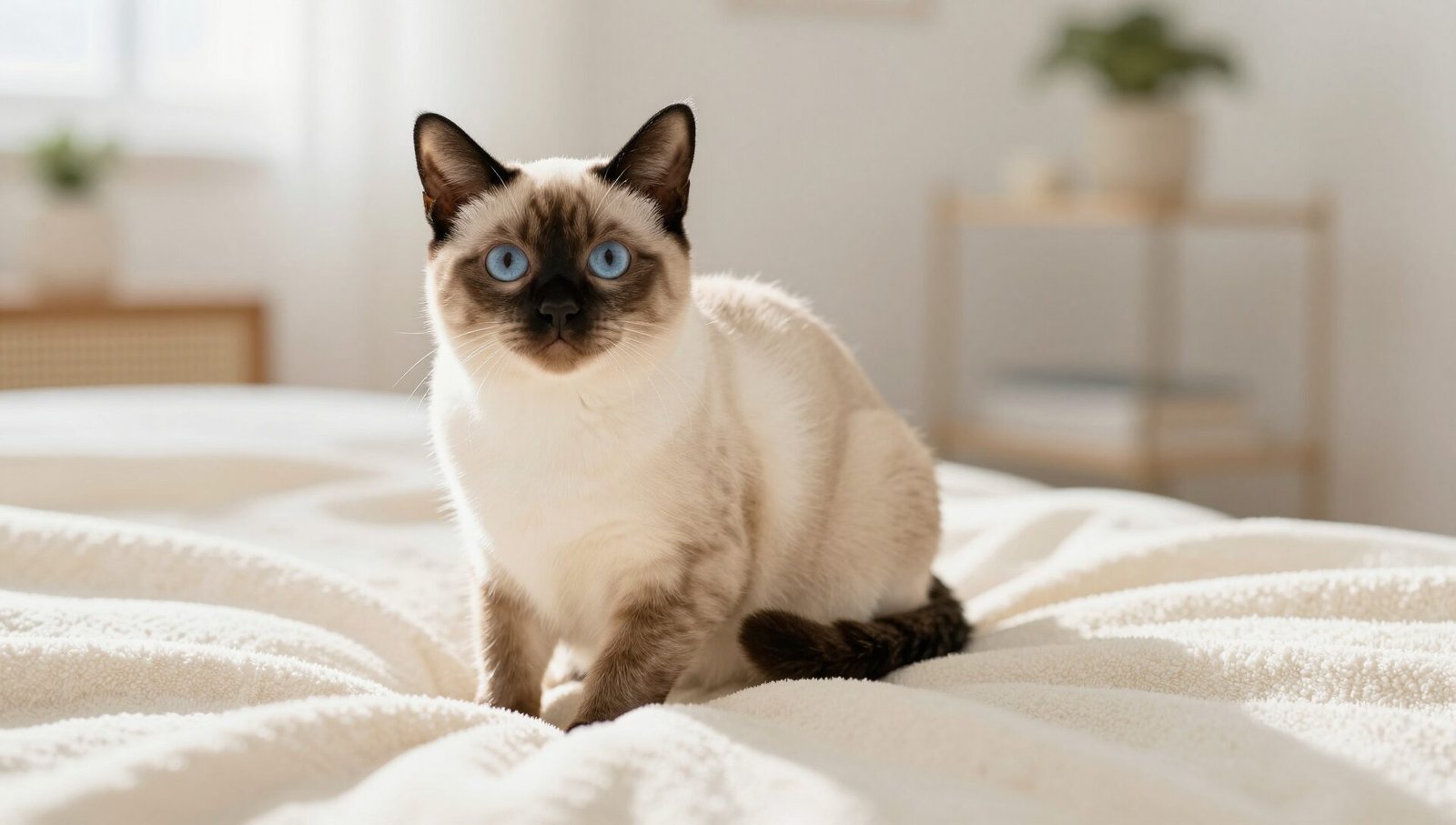
There is something undeniably magical about the Siamese cat. With their piercing blue eyes and elegant coats, they have captured hearts for centuries. But if you’re anything like me, you might prefer the look of the traditional variety—the “Applehead”—over the extreme, angular features of the modern show cat.
Finding the right applehead siamese cattery can feel like searching for a needle in a haystack. Unlike their modern wedgehead cousins, these traditional cats aren’t always the focus of mainstream show breeders. This means you need to be a bit of a detective to find a healthy, well-bred kitten.
In this guide, I’ll walk you through everything I’ve learned about this charming breed, from their royal origins to the nitty-gritty of choosing a responsible breeder. Whether you’re a first-time owner or a seasoned cat lover, this article will help you navigate the journey to finding your perfect feline friend.
What Exactly is an Applehead Siamese?
Before you start emailing breeders, it’s vital to understand what you’re looking for. The term “Applehead” refers to the traditional body type of the Siamese cat, which was the standard before selective breeding altered the breed for the show ring.
The “Wedgehead” vs. The “Applehead”
| Feature | Applehead (Traditional) | Modern (Wedgehead) |
|---|---|---|
| Head Shape | Rounded, apple-shaped | Triangular, angular |
| Ears | Smaller, set higher on head | Very large, wide at base |
| Body | Muscular, robust, heavier | Slender, tubular, fine-boned |
| Muzzle | Broad, defined whisker pads | Long, tapering wedge |
| Eyes | Deep blue, rounded | Deep blue, almond-shaped |
Historically, these were the cats revered by royalty in Siam (now Thailand). They were believed to receive the souls of dying royals and lived in luxury tended by monks. When they arrived in the UK in the 19th century, they looked much more like the robust Applehead we see today than the modern show variety.
If you are visiting an applehead siamese cattery, you should expect to see cats with a distinct “break” in the nose profile and a rounder, fuller head shape. They are sturdy little tanks compared to their sleeker modern relatives.
Temperament: More Than Just a Pretty Face
One of the biggest misconceptions I encounter is that all Siamese cats are noisy. While the modern Wedgehead is famous for its loud, “yowling” vocals, the Applehead is generally considered to be a bit more reserved.
Personality Traits:
- Affectionate: They are true “Velcro cats.” If you want a lap cat, this is your breed.
- Intelligent: They can be trained to play fetch, walk on a lead, and open doors (watch out for that last one!).
- Less Vocal: They communicate, but usually with softer chirps rather than the loud wails of the modern type.
- Social: They hate being alone. If you work long hours, I always recommend getting two.
I once looked after an Applehead named “Suki” for a friend. She was the quietest cat I’d ever met, but she had a habit of staring at me with those blue eyes until I felt compelled to give her treats. They have a way of training you rather than the other way around.
When visiting a breeder, observe the parents. Do they seem confident and friendly? Temperament is genetic, and a good applehead siamese cattery will prioritise personality just as much as looks.
How to Identify a Reputable Applehead Siamese Cattery
This is the most critical part of your journey. The UK has strict laws regarding animal breeding, but unfortunately, kitten farming still exists. A responsible breeder isn’t just selling a product; they are curating a bloodline and caring for a life.
Signs of a Good Breeder:
- Registration: They should be registered with a governing body like the GCCF (Governing Council of the Cat Fancy) or TICA.
- Cleanliness: The cattery should be clean, smell fresh, and have enrichment for the cats.
- Transparency: They will happily show you the mother (and father if on-site).
- No “Ready Now” Pressure: Good breeders have waiting lists. If they have a kitten available immediately and pressure you to buy, walk away.
- Contract: You should receive a sales contract outlining health guarantees and neutering requirements.
I once visited a “breeder” who kept the cats in a garage. The smell hit me before I even opened the door, and the kittens were terrified. Trust your gut. If something feels off, it probably is.
Questions You Must Ask a Breeder
When you contact an applehead siamese cattery, have your questions ready.
- “Can I see the parents?” This confirms lineage and health.
- “What is your vaccination protocol?” Kittens should have their first vaccinations at 9 weeks.
- “How are the kittens socialised?” They should be used to household noises and handling.
- “Do you offer a health guarantee?” Most reputable breeders offer a genetic health guarantee.
- “Why did you choose to breed the Applehead variety?” Passionate breeders will talk your ear off about the history.
Diet and Feline Nutrition for Your New Kitten
Bringing a kitten home is exciting, but their tummy can be sensitive. The breeder should provide you with a diet sheet and a few days’ worth of their current food.
Feeding Tips:
- Hydration is Key: Siamese cats are prone to urinary issues. I highly recommend a mix of high-quality dry food and wet food.
- Picky Eaters: Siamese cats can be notoriously fussy. If your kitten turns their nose up at food, try warming it slightly to release the aroma.
- Routine: Cats love routine. Feed them at the same times every day.
Feline Nutrition Comparison:
| Food Type | Pros | Cons |
|---|---|---|
| Dry (Kibble) | Good for dental health, easy to store. | Low moisture content. |
| Wet (Pouches) | High hydration, palatable. | Spoils quickly if left out. |
| Raw Diet | Natural, high protein. | Requires careful handling/hygiene. |
A friend of mine spent a fortune on premium raw food only for her Applehead to refuse it entirely and demand the cheap supermarket stuff! You can lead a horse to water, or in this case, a cat to gourmet pâté, but you can’t make them eat.
Grooming and General Cat Care
You’ll be pleased to know that the Applehead Siamese is relatively low maintenance compared to long-haired breeds like the Persian. Their coat is short, fine, and lies close to the body.
Grooming Routine:
- Brushing: A weekly brush with a rubber grooming mitt is usually enough to remove loose hair and distribute oils.
- Dental Care: This breed can be prone to dental issues. Start brushing their teeth early with enzymatic toothpaste.
- Ears: Check their ears weekly for dirt or redness. A cotton pad with ear cleaner is sufficient.
- Nails: Trim claws every 2-3 weeks.
One thing I’ve learned the hard way: introduce grooming early. My first cat used to treat the nail clippers like a mortal enemy. Now, I start handling kittens’ paws from day one. It makes vet visits and grooming sessions infinitely easier.
Common Health Issues and Lifespan
The Applehead is generally considered a robust breed, often healthier than the extreme modern type. However, there are specific conditions to watch out for.
Potential Health Issues:
- Amyloidosis: A protein buildup that can affect the liver.
- Dental Disease: Common in Siamese lines.
- Asthma: Some Siamese are prone to respiratory issues.
- Crossed Eyes / Kinked Tail: These are genetic cosmetic traits common in traditional lines. They don’t usually affect health but aren’t standard in show cats.
Lifespan: You can expect your Applehead to live for 15–20 years with proper care.
Vet Visit Checklist:
- Vaccinations: Feline Enteritis and Cat Flu (usually combined).
- Microchipping: A legal requirement in many parts of the UK now.
- Insurance: Get this sorted before you bring the kitten home.
When choosing your kitten from an applehead siamese cattery, ask for proof of vaccination and deworming. A good breeder will provide a veterinary health check certificate.
Indoor vs Outdoor Care: Creating a Safe Home
The debate between indoor and outdoor cats is fierce in the UK. However, for pedigree cats like the Applehead, I strongly lean towards keeping them indoors or providing a secure “catio.”
Why Indoor is Safer:
- Theft: Pedigree cats are targets for thieves.
- Traffic: Siamese are fearless and curious, often oblivious to cars.
- Disease: Outdoor cats are exposed to FIV and FeLV.
Enrichment Ideas for Indoor Cats: Indoor cats need stimulation to prevent boredom and behavioural issues like scratching furniture.
- Cat Trees: They love to climb and survey their domain.
- Puzzle Feeders: Engages their hunting instincts.
- Window Perches: “Cat TV” is essential. Watching birds keeps them entertained for hours.
- Interactive Toys: Wand toys are great for bonding.
I built a DIY “catio” out of an old window frame and some mesh. It was a bit wonky, but my cats loved it. It gave them the fresh air and sights of the outdoors without the danger.
The True Cost: Budgeting for Your Kitten
Let’s talk money. Cats are a long-term financial commitment. The initial purchase price is just the tip of the iceberg.
Estimated Costs:
| Item | Estimated Cost (£) |
|---|---|
| Kitten Price | £500 – £900 |
| Initial Vet (Vaccines/Chip) | £100 – £150 |
| Microchipping | £20 – £30 |
| Spay/Neuter | £60 – £100 |
| Starter Kit (Bed, Litter, Bowls) | £100 – £200 |
| Monthly Food/Litter | £40 – £60 |
| Annual Insurance | £200 – £400 |
If a breeder is selling kittens for £200, alarm bells should ring. They are likely cutting corners on health checks, food, or socialisation. A reputable applehead siamese cattery invests heavily in their cats, and the price reflects that.
Pros and Cons of Owning an Applehead Siamese
No breed is perfect for everyone. Here is a balanced view to help you decide.
Pros:
- Stunning Appearance: Those blue eyes and round faces are irresistible.
- Affectionate: They form incredibly strong bonds with their owners.
- Intelligent: Easy to train and fun to interact with.
- Quiet(er): Less vocal than modern Siamese.
- Good with Families: Generally great with children and other pets.
Cons:
- Needy: They require a lot of attention and can suffer from separation anxiety.
- Health Costs: Potential for genetic issues means insurance is a must.
- Destructive if Bored: Without enrichment, your curtains might pay the price.
- Expensive: The initial outlay and ongoing costs are significant.
If you work from home and want a shadow that follows you everywhere (including the bathroom), this is your perfect match. If you value your personal space… maybe consider a goldfish. 😺
Conclusion
Choosing the right applehead siamese cattery is the most important decision you’ll make in your journey to cat ownership. It requires patience, research, and a healthy dose of skepticism. Don’t be afraid to walk away if a breeder raises red flags.
The Applehead Siamese is a magnificent blend of history, beauty, and personality. They offer a slightly calmer, sturdier version of the classic Siamese charm. By prioritising health, temperament, and ethical breeding, you’re not just buying a pet; you’re welcoming a new family member who will be by your side for years to come.
Take your time. Visit the breeders. Ask the hard questions. The perfect kitten is worth the wait.
Frequently Asked Questions
How much does an Applehead Siamese kitten cost in the UK?
Prices typically range from £500 to £900 depending on the pedigree, breeder reputation, and location. Be wary of prices that seem too good to be true, as they often indicate a kitten mill or a lack of health testing.
Are Applehead Siamese cats hypoallergenic?
No cat is truly hypoallergenic. However, the Applehead Siamese has a short, fine coat that produces less dander than many other breeds. Some allergy sufferers find them more manageable, but it depends on the individual.
How long do Applehead Siamese cats live?
With good nutrition, regular vet care, and a safe indoor environment, they commonly live between 15 and 20 years. Some even reach their early twenties.
What is the difference between a traditional and modern Siamese?
The primary difference is physical. The traditional (Applehead) has a round head, robust body, and smaller ears. The modern (Wedgehead) has a triangular head, tubular body, and very large ears. Temperament-wise, the Applehead is often quieter.
Can I keep an Applehead Siamese as an indoor-only cat?
Absolutely. In fact, for pedigree cats, indoor living (or a secure catio) is recommended to protect them from theft, traffic, and disease. Ensure you provide plenty of vertical space and interactive toys.
Do Applehead Siamese cats get along with dogs?
Yes, they are known for their social and confident nature. Early introduction is key, but they often become best friends with cat-friendly dogs and enjoy the company.