Bringing a new pet into your home is a momentous occasion, but before you fall head over heels for those whiskers, there is a mountain of practical information to digest. If you want to ensure a long, happy life for your new companion, knowing exactly what to know when buying a kitten is vital.
I remember the day I brought my first kitten home. I was overwhelmed by the cuteness, completely unprepared for the energy levels, and frankly, terrified I’d break her. Years later, having navigated the joys of litter training mishaps and the “3 AM zoomies,” I can tell you that preparation is the key to sanity. This guide is designed to walk you through every step of the process, ensuring you don’t just get a cute face, but a healthy, well-adjusted family member.
Finding the Right Source: Rescue vs. Breeder
The first hurdle in your journey is deciding where your new friend will come from. In the UK, we are fortunate to have incredible rescue centres like Battersea, Cats Protection, and countless local charities. These organisations do incredible work matching cats to homes. Often, rescue cats come with their initial vaccinations, microchipping, and neutering covered in the adoption fee, which is a massive bonus.
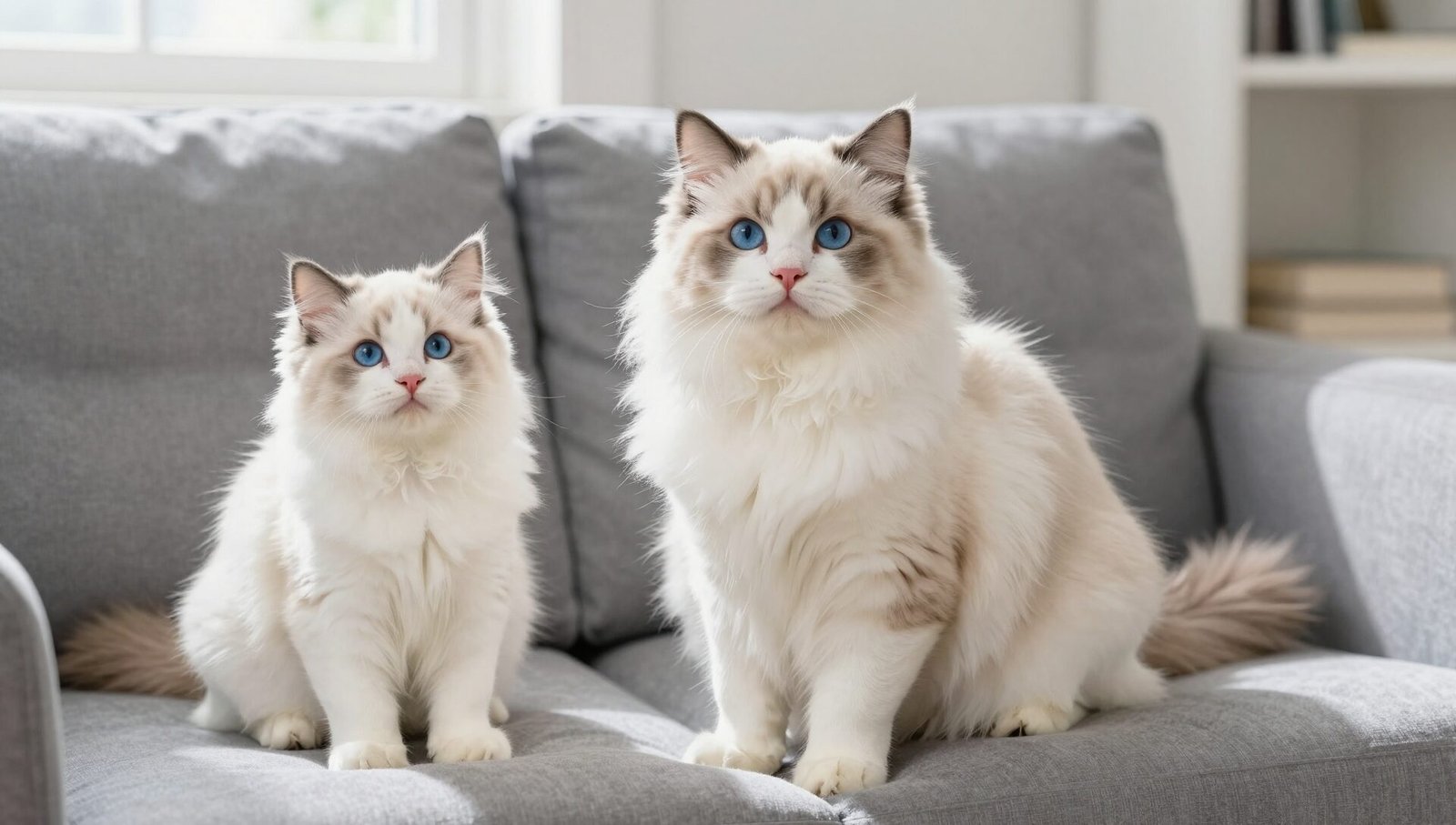
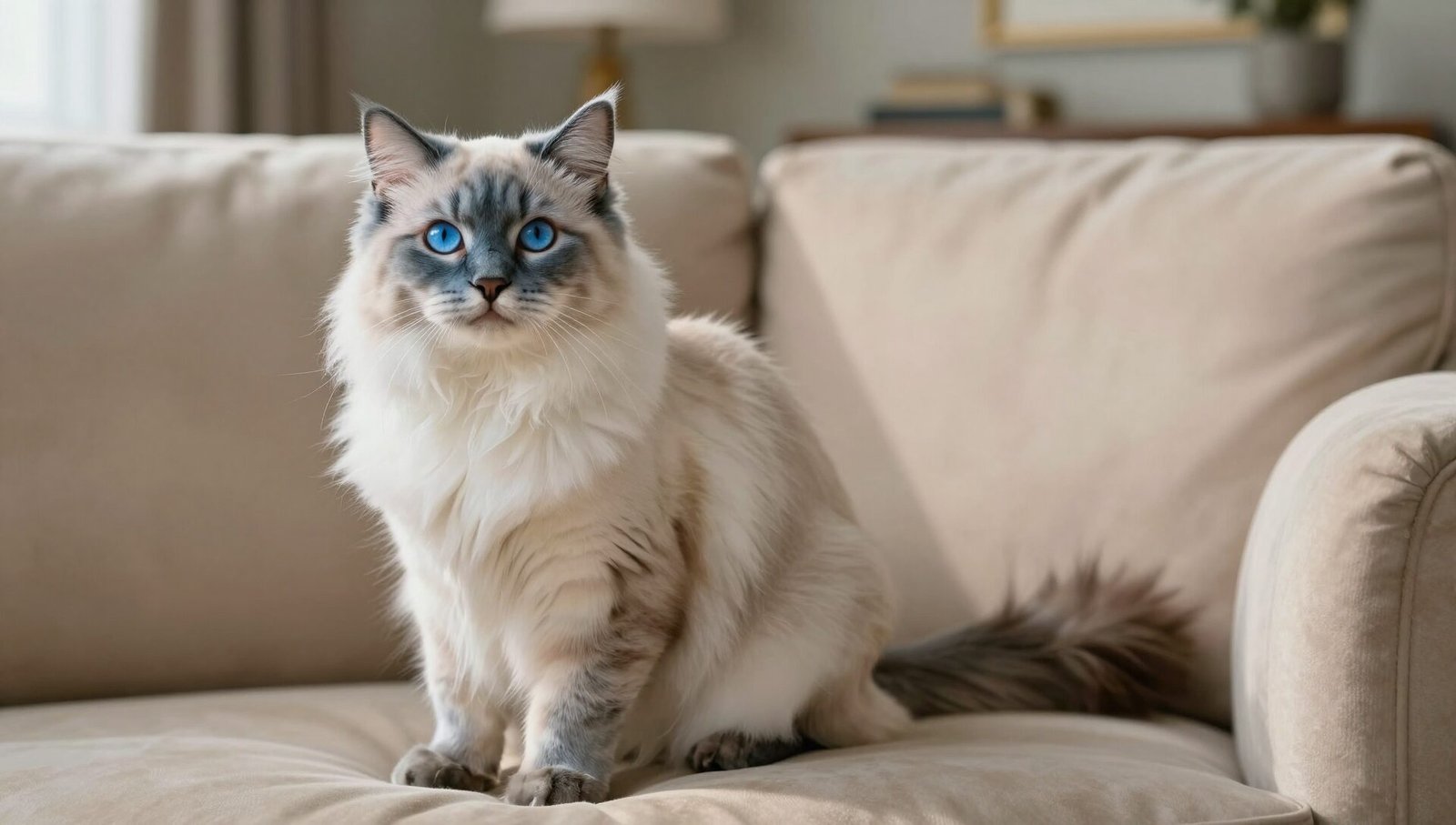
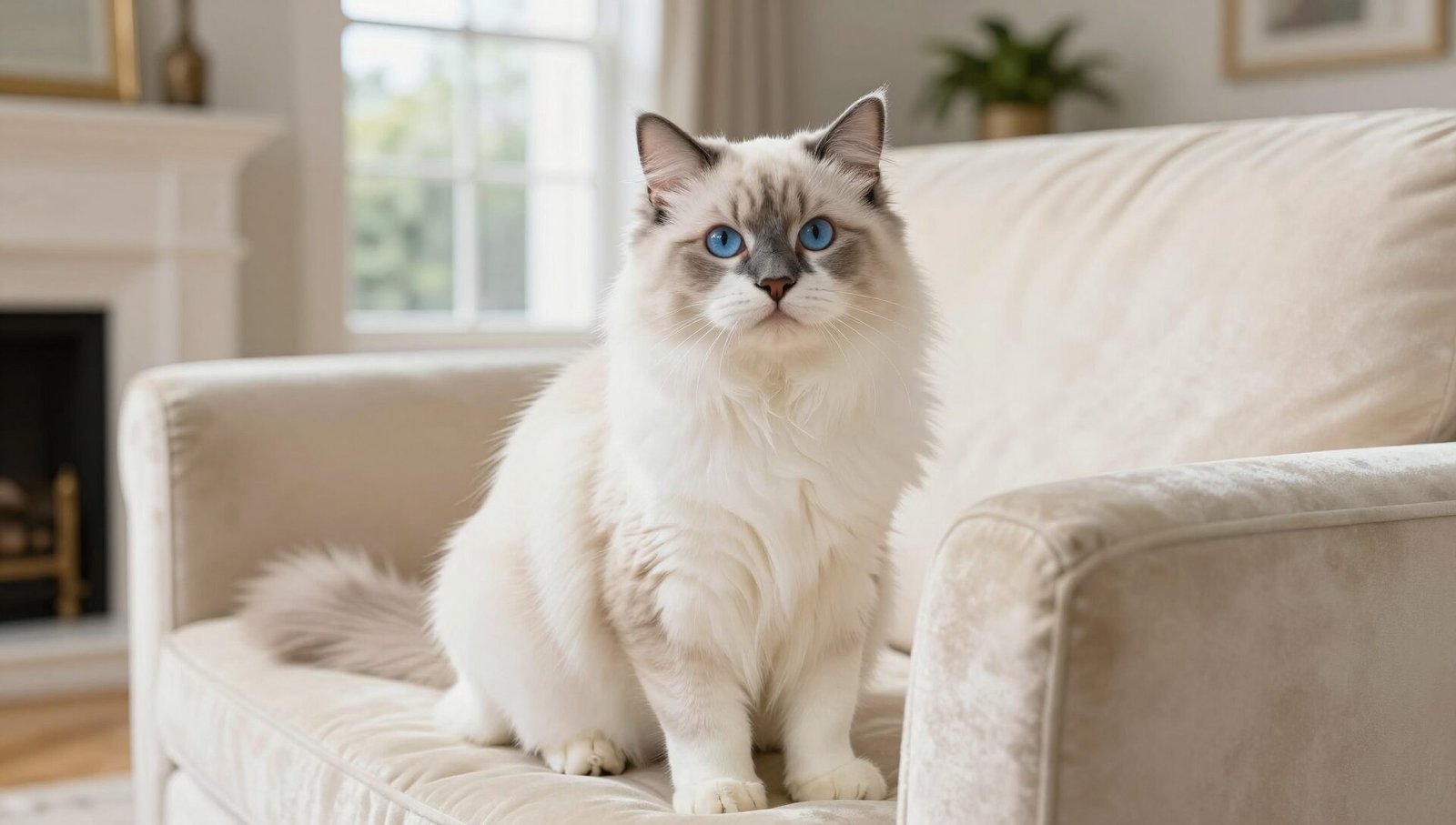
However, if you have your heart set on a specific breed—perhaps the vocal Siamese or the fluffy Ragdoll—you’ll likely be looking at a breeder. This is where you need to keep your wits about you. The internet is awash with listings, but not all are created equal. Avoid “kitten farms” or sellers who want to meet you in a car park. A reputable breeder will invite you into their home, let you meet the mother, and ask you questions about your suitability.
Red Flags to Watch For
When visiting a breeder, trust your gut. If the environment smells foul, if the kittens look lethargic with runny eyes, or if the seller pressures you to take a kitten that is less than eight weeks old, walk away. Good breeders will have a waiting list and won’t rush you. Always ask to see the vaccination records and the parents. If they hesitate, that’s a red flag the size of a double-decker bus.
The Critical Health Checks
You wouldn’t buy a car without checking the engine, so you certainly shouldn’t buy a kitten without checking its health. A healthy kitten should have bright, clear eyes (no discharge), clean ears, and a shiny coat. They should be playful and inquisitive, not hiding in a corner.
The Veterinary Checklist
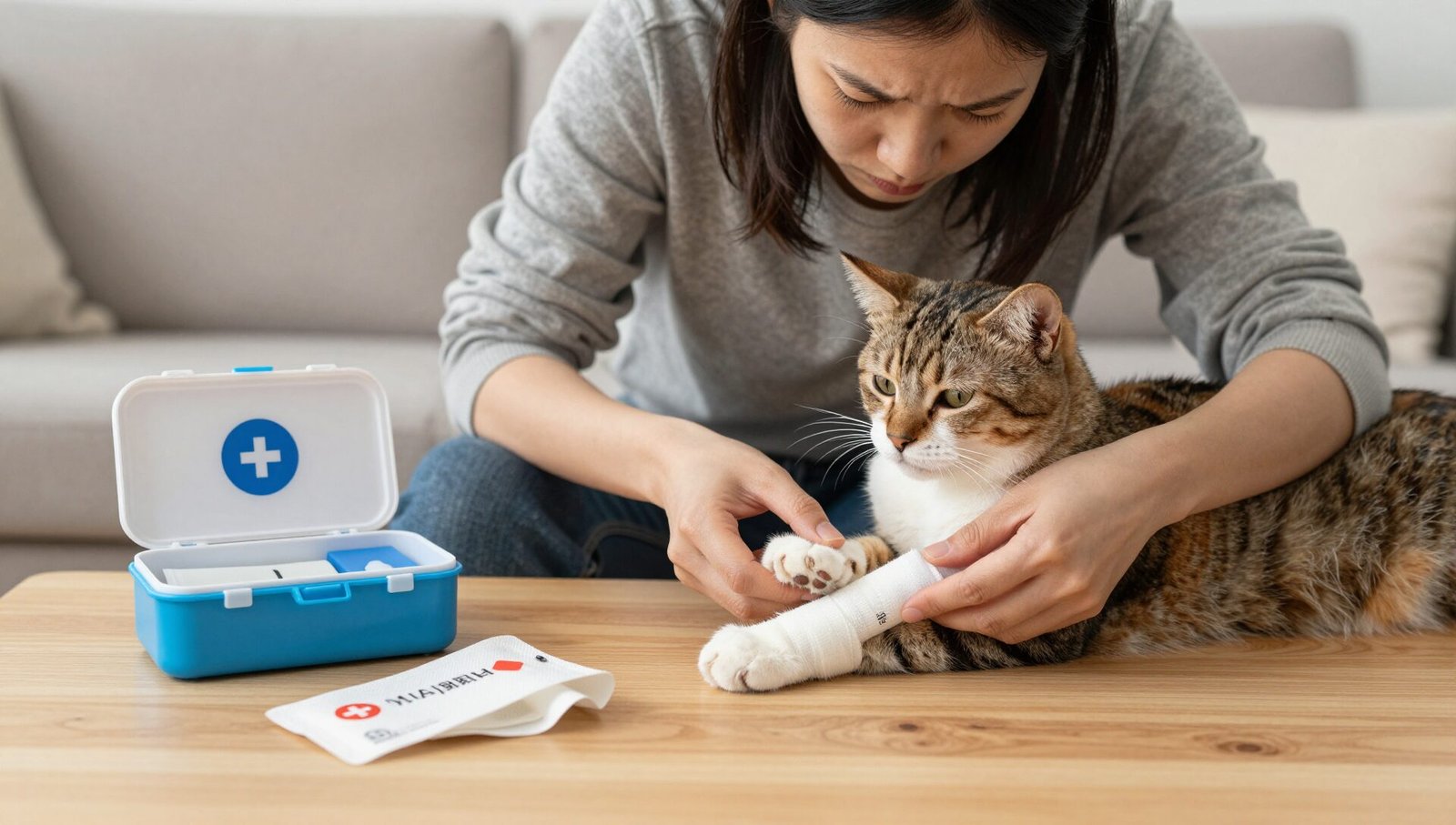
Before you commit, ask the breeder about the kitten’s medical history. Ideally, the kitten should have had its first vaccination at around nine weeks of age. You should also inquire about deworming and flea treatments.
One of the most common questions I hear is about vaccination costs. In the UK, you can expect to pay between £60 and £80 for the initial course. It’s an expense, but it protects your kitten against nasty viruses like feline enteritis and cat flu.
Table 1: Essential Health Costs in the First Year
| Item | Estimated Cost (£) | Notes |
|---|---|---|
| Initial Vaccinations | £60 – £80 | Two injections, usually 3-4 weeks apart. |
| Microchipping | £15 – £20 | Mandatory by law in many scenarios. |
| Neutering/Spaying | £80 – £120 | Crucial for health and preventing unwanted litters. |
| Flea/Worming | £10 – £15/month | Ongoing preventative care. |
| Pet Insurance | £20 – £40/month | Highly recommended for emergencies. |
Understanding Kitten Behaviour and Temperament
Every cat is an individual, but genetics play a huge role. If you want a lap cat, buying a Bengal kitten bred for agility might lead to disappointment. Conversely, if you want a running partner, a Persian might be too chill.
When you visit the litter, watch how the kittens interact. The “bold” kitten might be fun, but they might also be a handful for a first-time owner. The shy one might hide under the sofa for the first week. Spend time with them. Do they hiss when you approach, or do they purr when picked up?
Socialisation is paramount. Kittens should stay with their mother and siblings until at least eight weeks of age—twelve weeks is even better. This period teaches them “cat etiquette,” such as how hard they can bite during play without causing injury. A kitten taken away too early often grows up to be a bit of a “cat-bully” or overly anxious.
Kitten-Proofing Your Home
Before the little paws cross your threshold, you need to make your home safe. Kittens are toddlers with claws; they will get into everything.
Checklist for Kitten-Proofing:
- Hide Cables: Kittens love chewing. Use cable tidies or spiral wraps to protect your electronics and their teeth.
- Secure Windows: Ensure windows close securely. High-rise syndrome (cats falling from windows) is a real danger.
- Remove Toxic Plants: Lilies are highly toxic to cats—even the pollen can be fatal. Check every plant in your house against a pet-safe list.
- Lock Away Chemicals: Cleaning products and antifreeze taste sweet but are lethal.
I once had a kitten who figured out how to open the cupboard under the sink in about ten minutes. Child-proof locks aren’t just for humans anymore!
Nutrition and Feeding Routines
A kitten’s stomach is tiny, but their nutritional needs are huge. They require a diet specifically formulated for kittens, which is higher in calories and protein than adult cat food.
Wet vs. Dry Food
The debate rages on, but a mix of both is usually best. Wet food helps with hydration, which is vital for kidney health, while dry food is great for dental hygiene and can be left out for grazing (though watch the waistline!).
List of Safe Human Foods for Occasional Treats:
- Cooked chicken (plain, no bones)
- Cooked fish (boneless, like salmon or tuna)
- Scrambled eggs (no milk or butter)
- Steamed broccoli or carrots
Foods to Avoid:
- Onions and garlic (toxic)
- Chocolate
- Grapes and raisins
- Dairy (most cats are lactose intolerant—sorry, cartoons lied to us)
Litter Training and Hygiene
Most kittens learn the basics from their mother, so you often don’t have to do much training at all. However, location and substrate matter.
Place the litter tray in a quiet, accessible spot—not right next to their food bowl. In the beginning, gently place them in the tray after meals and naps. If they have an accident, clean it up with an enzymatic cleaner (not bleach, which smells like ammonia and encourages re-marking) and just pop them in the tray.
Comparison of Litter Types:
| Litter Type | Pros | Cons |
|---|---|---|
| Clay (Clumping) | Easy to scoop, cats like the texture. | Dusty, heavy to carry, not biodegradable. |
| Wood Pellets | Eco-friendly, smells nice, low tracking. | Some cats dislike the texture; requires specific tray types. |
| Silica Crystals | Excellent odour control, absorbs liquid. | Expensive, some cats eat it (dangerous). |
| Paper | Great for post-surgery or sensitive paws. | Poor odour control, needs changing often. |
Grooming and Physical Care
Even shorthaired cats need grooming. It removes loose fur, prevents hairballs, and is a great bonding activity.
Grooming Essentials:
- Brushing: Once or twice a week for shorthairs; daily for longhairs like Maine Coons.
- Nail Clipping: Start early! If you don’t trim claws, your sofa will pay the price.
- Ear Cleaning: Check weekly for dirt or mites.
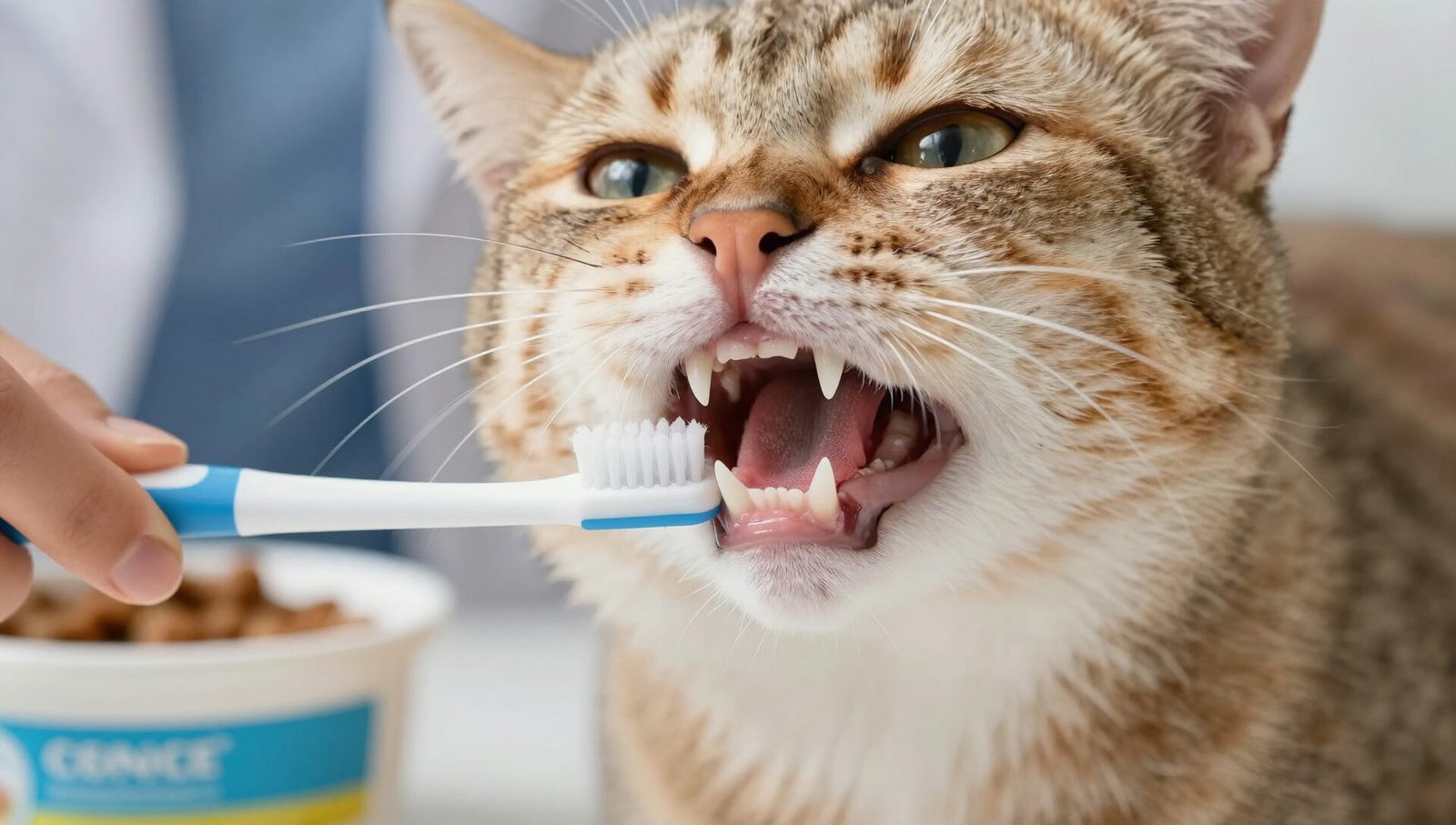
- Dental Care: Ideally, brush their teeth with cat-safe toothpaste. It sounds crazy, but it prevents costly dental work later.
Indoor vs. Outdoor: The Great Debate
In the UK, many owners let their cats roam. However, keeping cats indoors is becoming more popular, especially in busy cities.
Pros of Indoor Cats:
- Safe from traffic and predators.
- Less risk of picking up diseases like FIV.
- Won’t disturb local wildlife.
Cons of Indoor Cats:
- Higher risk of obesity and boredom.
- Requires more enrichment from you.
If you keep your cat indoors, you must provide stimulation. Cat trees, window perches (“cat TV”), and interactive toys are non-negotiable. An bored indoor cat becomes a destructive indoor cat.
Enrichment and Play
Cats are predators. They need to hunt, stalk, and pounce. Without this outlet, they become stressed.
Invest in a variety of toys. My cats go absolutely wild for a simple feather wand, but they ignore the expensive electronic toy I bought them. Typical.
Top Enrichment Ideas:
- Vertical Space: Shelves and cat trees allow them to survey their kingdom.
- Puzzle Feeders: Slows down eating and engages their brain.
- Cardboard Boxes: It’s a scientific fact that cats love boxes more than the items that came in them.
- Window Perches: Watching birds is the feline equivalent of Netflix.
The First Night: Surviving the Transition
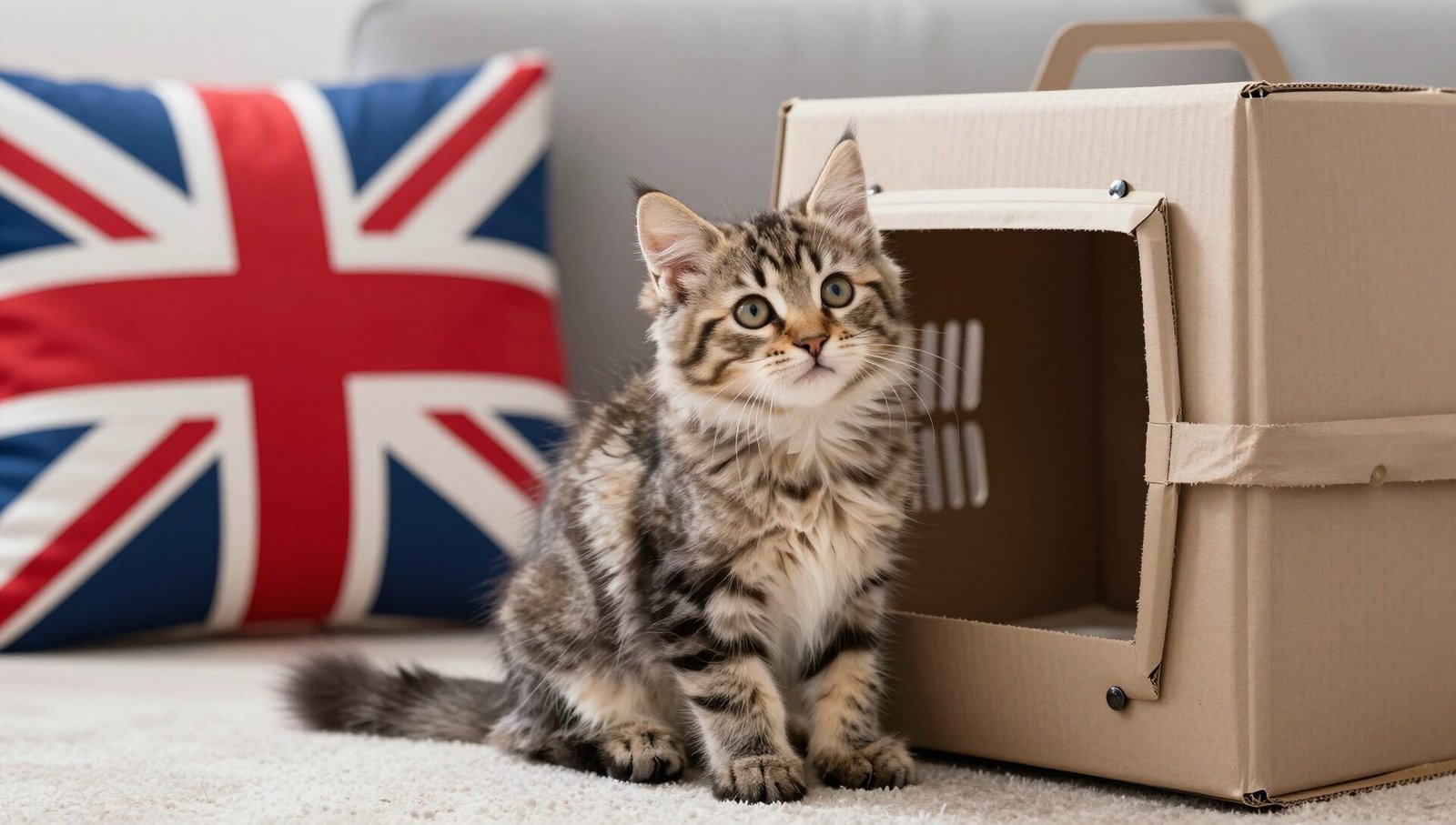
The first night is often the hardest. The kitten is in a new place, smells are different, and they are likely missing their siblings. Expect crying.
Keep them in one room for the first few days to let them acclimatise slowly. Put their bed, food, water, and litter tray in that room. It limits the overwhelm.
Don’t be surprised if they refuse to eat for the first 24 hours, though they should be drinking water. If they haven’t eaten after 48 hours, call the vet.
Financial Commitment: The Real Cost
Many people underestimate the cost of owning a cat. The initial purchase or adoption fee is just the tip of the iceberg.
Estimated Annual Costs (UK):
- Food: £300 – £500
- Insurance: £240 – £480
- Routine Vet Care (flea/worm): £100 – £150
- Litter: £100 – £200
- Total: £740 – £1,330 (excluding emergencies)
If your cat breaks a leg or needs dental surgery, you could be looking at a bill of £1,000+. Insurance is your best friend here.
Common Health Issues in Kittens
While generally robust, kittens can be prone to certain issues.
- Upper Respiratory Infections: Like a human cold. Symptoms include sneezing, watery eyes, and lethargy.
- Fleas and Worms: Very common, especially in rescues. Regular treatment solves this.
- Diarrhea: Often caused by a change in diet or stress. If it persists for more than 24 hours, see a vet.
Pros and Cons of Buying a Kitten
Let’s be real for a second. Kittens are hard work.
Pros:
- You get to shape their personality.
- Maximum cuteness factor.
- They bond deeply with you.
- You know their full medical history (if from a good breeder).
Cons:
- They have “witching hours” (usually 3 AM).
- They require constant supervision.
- Higher initial cost than adopting an adult.
- They destroy things.
Frequently Asked Questions
When is the best time to buy a kitten? Traditionally, “kitten season” is in the spring and summer. However, breeders have litters year-round. Adopting in the winter can be lovely, as they are less busy and you get a cozy companion for the cold nights.
How do I introduce a kitten to my resident cat? Slowly. Keep them separated for at least a week. Swap bedding so they get used to each other’s scent. Feed them on opposite sides of a closed door. Only introduce them face-to-face when there is no hissing through the door. Patience is key here.
Should I get pet insurance immediately? Yes. Do not wait until they get sick. Get insurance sorted the day you bring them home. It provides peace of mind for accidents and illnesses.
How often should I feed a kitten? Kittens under six months should eat three to four times a day. From six months to a year, twice a day is usually sufficient. Always follow the guidelines on the food packaging.
Is it okay to have just one kitten? It depends on your lifestyle. Two kittens are often easier than one because they entertain each other. However, if you work from home or have other pets, a single kitten can thrive with plenty of human interaction.
What if my kitten scratches the furniture? Provide scratching posts near the furniture they target. Use catnip or sprays to attract them to the post. Trim their nails regularly. Never declaw a cat—it is cruel and illegal in many parts of the world for good reason.
Conclusion
Navigating what to know when buying a kitten involves more than just picking the cutest fluffball. It requires a deep dive into health checks, breeder vetting, and a genuine understanding of feline needs. By preparing your home, budgeting for ongoing costs, and committing to proper socialisation, you set the stage for a rewarding relationship that will last for years. Enjoy every purr, pounce, and headbutt—it’s a wild ride, but absolutely worth it.
If you’re buying a kitten, I already know two things about you. First, you have excellent taste in