Introduction
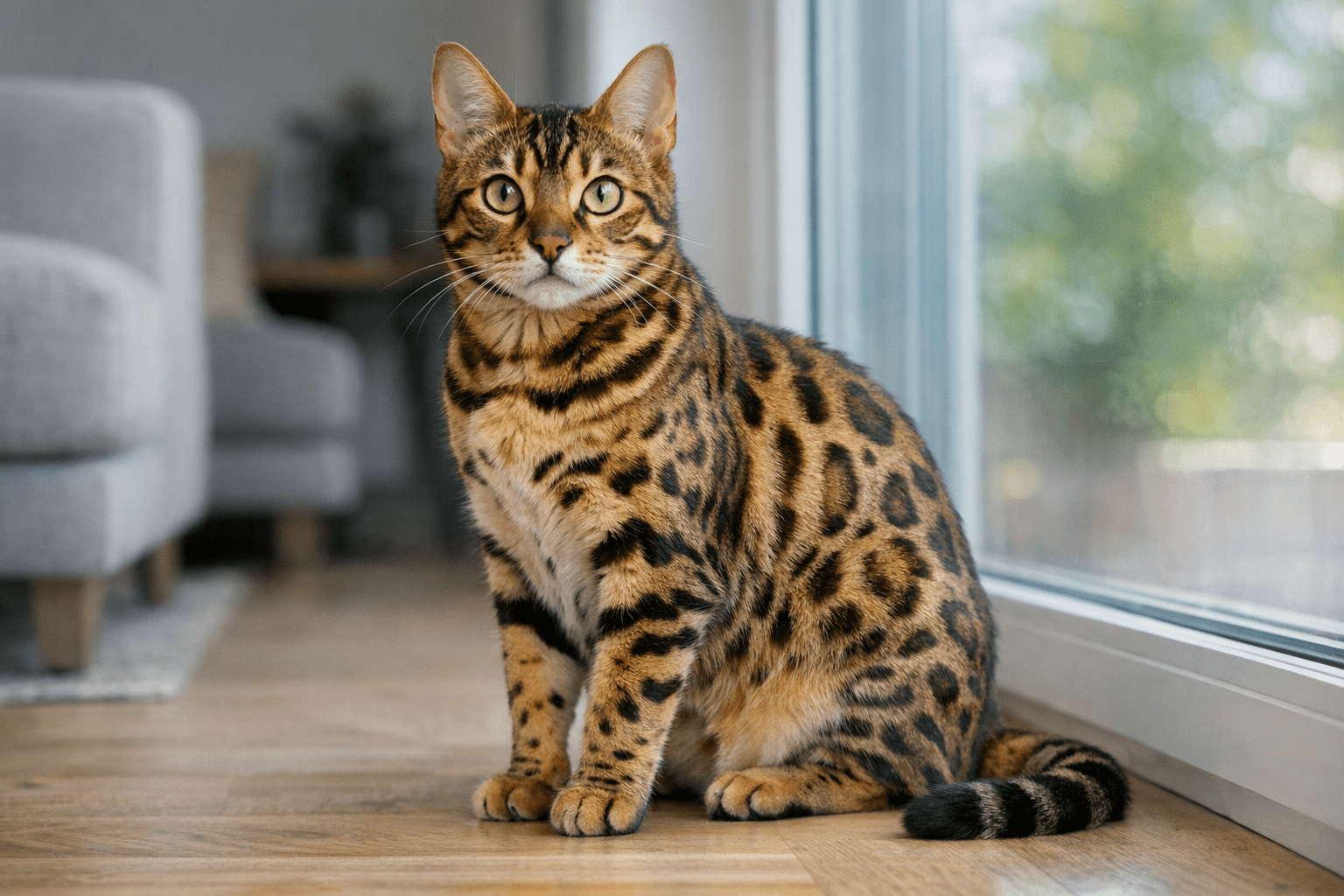
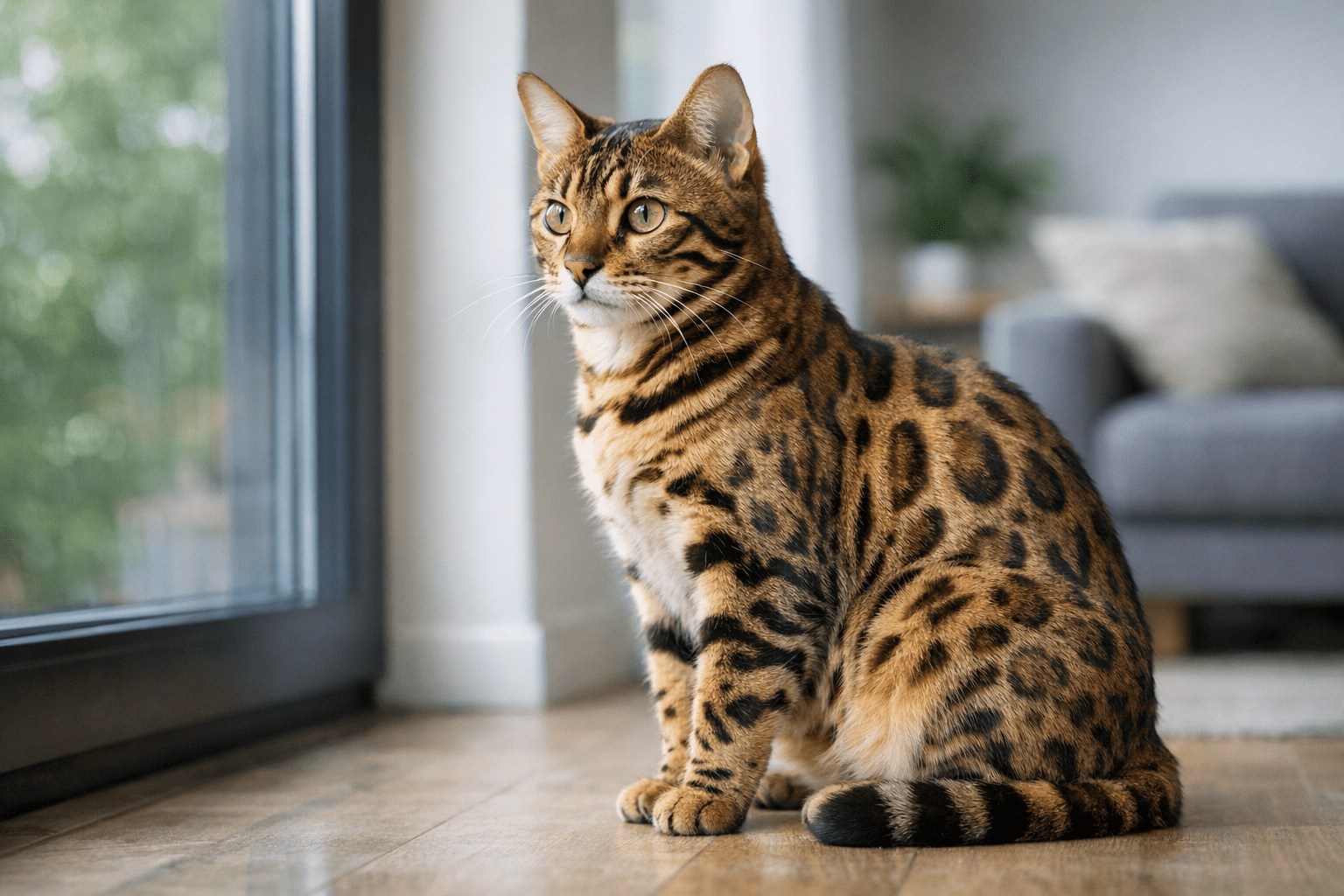
Let me guess — you’ve fallen head over heels for those stunning spotted coats and those wild, amber eyes, haven’t you? I don’t blame you one bit. Bengal cats are quite simply showstoppers. They look like they’ve just walked out of a jungle, yet they curl up on your lap like any other domestic moggy. But here’s the million-pound question that keeps cropping up in my inbox: are Bengal cats legal in the UK?
I remember the first time I met a Bengal. I was volunteering at a cat rescue, and this magnificent creature strode past me with the confidence of a lion. “Surely that can’t be legal,” I whispered to the shelter manager. She laughed. “Perfectly legal, love. But you wouldn’t believe how many people ask that.”
And she was right. The confusion is understandable. You hear whispers about bans in Australia, restrictions in New York, and outright prohibition in Hawaii. It’s enough to make any prospective cat owner’s head spin. So let’s cut through the noise together. I’ve done the research, spoken to breeders, and consulted the legislation so you don’t have to.
Today, I’m going to walk you through everything you need to know about owning a Bengal cat in the UK. From the legal nitty-gritty to whether this high-energy feline is actually right for your home. By the time you finish reading, you’ll know exactly where you stand.
The Legal Status: Are Bengal Cats Legal In the UK?
Let me put your mind at ease right away. Yes, Bengal cats are completely legal in the UK. Full stop. No ifs, no buts, no hidden loopholes.
But here’s the interesting bit — it wasn’t always this straightforward. Until 2007, Bengal cats fell under the Dangerous Wild Animals Act 1976, which meant you needed a special licence to own one. Can you imagine? A licence for a cat! The government essentially treated Bengal cats the same way they treated wolves and venomous snakes. Barmy, right?
Thankfully, the Department for Environment, Food and Rural Affairs (DEFRA) saw sense and removed those restrictions in 2007. The reasoning was sound: by the fourth generation (F4 and beyond), Bengal cats are sufficiently domesticated to pose no greater risk than your average tabby.
So if you’re wondering “are Bengal cats legal in the UK without a licence?” — the answer is a resounding yes. You can walk into a reputable breeder’s home, pick up a Bengal kitten, and drive home without filling out a single government form.
However, and this is crucial, the law applies to later-generation Bengals specifically. First-generation (F1) hybrids are still considered wild animals and remain regulated. But the Bengals you’ll find advertised as pets? They’re F4 or later, and they’re as legal as fish and chips on a Friday night.
Understanding Bengal Cat Generations: F1 to F4 Explained
Now, I know what you’re thinking — “What on earth does F1, F2, F3 mean?” Don’t worry, I had the exact same confusion when I first started researching. Let me break it down in plain English.
An F1 Bengal is the direct offspring of an Asian Leopard Cat (a wild species) and a domestic cat. These cats are 50% wild and 50% domestic. They’re not really pets — they’re more like wild animals in your living room. And yes, these are the ones that still require licensing in the UK.
Here’s how the generations work:
| Generation | Wild Ancestry | Legal Status in UK | Suitable as Pet? |
|---|---|---|---|
| F1 | 50% wild | Requires licence | No |
| F2 | 25% wild | Requires licence | Rarely |
| F3 | 12.5% wild | Previously regulated | Occasionally |
| F4+ | Less than 6.25% wild | Fully legal | Yes |
By the time you reach F4 and beyond, the wild characteristics have been diluted through generations of selective breeding. These cats are considered domestic animals under UK law. They’ve got the looks of a leopard but the temperament of a house cat.
When breeders advertise Bengal kittens, they’ll always tell you the generation. If they don’t, that’s a red flag. A responsible breeder will proudly share that information because it demonstrates their commitment to ethical breeding.
Why Some Countries Have Banned Bengal Cats
Here’s where things get really interesting — and a bit maddening. If Bengal cats are legal in the UK, why are they banned elsewhere? Let me take you on a quick world tour.
Australia recently implemented a complete ban on importing Bengal cats. Their reasoning? These cats could become an invasive species that threatens native wildlife. Given Australia’s tragic history with invasive species (remember the cane toad disaster?), I can understand their caution.
Hawaii has banned Bengal cats entirely under their Plant Quarantine law. The main concern is toxoplasmosis, a parasite that cats can carry and that has devastated the endangered Hawaiian monk seal population.
New York City prohibits Bengal cats that are fewer than five generations removed from their wild ancestors. F5 Bengals are allowed in the state, just not within the five boroughs. Though, between you and me, enforcement seems to be… let’s say flexible.
Singapore and Hong Kong restrict imports to F5 Bengals and beyond.
The common thread? Concerns about:
- Impact on native wildlife
- Potential for disease transmission
- Questions about domestication
But here’s the thing — these concerns apply to all cats, not just Bengals. Your typical domestic shorthair kills plenty of birds. The UK government conducted thorough research and concluded that properly domesticated Bengals (F4+) pose no unique threat. They’re cats. Lovely, spotted, energetic cats.
Bengal Cat Temperament: What to Expect When You’re Expecting a Mini-Leopard
Right, let’s get real about what living with a Bengal is actually like. Spoiler alert: it’s not for everyone.
I once looked after a friend’s Bengal for a weekend. Within the first hour, she had:
- Opened a kitchen cupboard and stolen a packet of biscuits
- Figured out how to turn on the bathroom tap
- Climbed to the top of my bookshelf and surveyed her kingdom
And I loved every minute of it. But honestly? It was exhausting.
Bengals are intelligent, athletic, and endlessly curious. They’re not the type of cat to spend 20 hours a day sleeping in a sunbeam. Oh no. These cats need stimulation, interaction, and plenty of things to climb. If you work long hours and want a low-maintenance pet, a Bengal might drive you up the wall.
Here’s what you need to know about Bengal temperament:
| Trait | Description |
|---|---|
| Intelligence | Extremely high — they learn tricks, open doors, solve puzzles |
| Energy Level | Very high — needs daily play sessions |
| Affection Level | High — but on their terms |
| Trainability | Excellent — many Bengals learn to walk on a lead |
| Vocalisation | Moderate — they’ll chat with you, but not excessively |
| Compatibility | Good with children and other pets if socialised early |
The golden rule? A tired Bengal is a happy Bengal. If you can provide enrichment, playtime, and mental stimulation, you’ll have an incredible companion. If you can’t, you might end up with shredded curtains and a cat that seems permanently annoyed with you.
Diet and Nutrition: Feeding Your Bengal Cat
Let’s talk about food, glorious food. Bengals have a wild ancestry, and their digestive systems sometimes reflect that.
I remember my friend’s Bengal turning her nose up at a premium brand of cat food that my own moggy would have sold her soul for. “She only eats the stuff with real meat content,” my friend explained. “She knows when it’s rubbish.”
And she wasn’t wrong. Bengals often prefer high-protein, low-carbohydrate diets that mirror what their wild ancestors would eat. This doesn’t mean you need to feed them raw meat from the butcher (though some owners do), but it does mean you should be choosy about what goes in their bowl.
My feeding recommendations:
- Look for food with at least 40-50% protein content
- Avoid fillers like corn, wheat, and soy
- Wet food is generally better than dry kibble
- Consider grain-free options
- Some Bengals do well on raw or freeze-dried diets
One thing I cannot stress enough: don’t overfeed your Bengal. These cats are naturally muscular and lean. An overweight Bengal isn’t just unhealthy — it’s heartbreaking because these cats are built to move.
Also, get yourself a slow feeder or puzzle feeder. Bengals are clever, and eating from a regular bowl bores them. My friend’s Bengal has to work for every single kibble through a puzzle toy. She seems to genuinely enjoy the challenge.
Grooming Needs: Surprisingly Low Maintenance
Here’s some good news for anyone intimidated by that stunning coat — Bengals are remarkably low-maintenance when it comes to grooming.
Unlike Persians or Maine Coons, Bengals have short, dense coats that don’t mat or tangle. Their fur has an almost satiny texture that feels absolutely gorgeous to touch. I could stroke a Bengal’s coat for hours. In fact, I have.
Grooming schedule:
| Task | Frequency |
|---|---|
| Brushing | Once a week |
| Nail trimming | Every 2-3 weeks |
| Ear cleaning | Monthly |
| Bathing | Rarely needed (but some Bengals enjoy water!) |
Speaking of water — Bengals are famously fascinated by it. I’m not sure why, but many of them love to play in running water, dip their paws in their water bowl, or even join you in the shower. One Bengal owner I know had to install a cat water fountain because his Bengal refused to drink from a bowl.
That said, bathing is rarely necessary. Cats are excellent self-groomers, and Bengals are no exception. A weekly brush to remove loose hair is usually sufficient.
Health and Lifespan: What to Watch For
Bengals are generally healthy cats, but like all pedigree breeds, they have certain health conditions you should be aware of.
Average lifespan: 12-16 years (some live into their early 20s)
Common health issues:
- Progressive Retinal Atrophy (PRA) — an eye condition that can lead to blindness
- Hypertrophic Cardiomyopathy (HCM) — a heart condition common in many cat breeds
- Patellar Luxation — kneecap issues (more common in Bengals than other breeds)
- Pyruvate Kinase Deficiency — a genetic disorder affecting red blood cells
My advice for keeping your Bengal healthy:
- Choose a breeder who health tests for PRA, HCM, and PK deficiency
- Schedule annual vet check-ups without fail
- Keep vaccinations up to date
- Maintain a healthy weight through diet and exercise
- Consider pet insurance (Bengals are expensive to treat!)
I always tell new cat owners to set up a vet relationship before they even bring their cat home. Find a vet who knows Bengals. Ask about their experience with the breed. A good vet is worth their weight in gold.
Indoor vs Outdoor Care: The Great Debate
Should you let your Bengal cat outside? This is a hot topic in the cat world, and I have strong opinions on it.
The case for indoor living:
- Bengals are valuable (and temptation for thieves)
- They’re at risk from traffic, predators, and other dangers
- Their exotic appearance might attract unwanted attention
- They’re less likely to hunt native wildlife
The case for outdoor access:
- Bengals have high energy levels and natural instincts
- A secure garden can provide excellent enrichment
- Some Bengals become frustrated without outdoor stimulation
My recommendation? Build a catio or use a cat harness. Many Bengals can be trained to walk on a lead, which gives them the best of both worlds — outdoor stimulation with complete safety.
I’ve seen too many heartbreaking stories of Bengals being stolen or hit by cars. A supervised outdoor experience is far better than free-roaming.
Training and Enrichment: Keeping Your Bengal Happy
If you want a cat that just sits there and looks pretty, get a stuffed toy. A Bengal needs a job.
Training tips that actually work:
Bengals respond brilliantly to positive reinforcement. Use treats, praise, and play to reinforce desired behaviours. They’re smart enough to learn:
- Sitting on command
- High-five
- Fetch (yes, fetch!)
- Walking on a harness
- Using puzzle feeders
Enrichment ideas:
| Activity | How Often | Why It Works |
|---|---|---|
| Interactive wand toys | Daily, 15-20 minutes | Satisfies hunting instincts |
| Puzzle feeders | Daily | Mental stimulation |
| Cat trees and shelves | Always available | Climbing opportunities |
| Clicker training | 5-10 minutes daily | Bonding and mental work |
| Water play | Supervised | Many Bengals love it |
I cannot overstate how important enrichment is for this breed. A bored Bengal is a destructive Bengal. You’ll find your curtains shredded, your cupboards opened, and your ornaments knocked off shelves.
Pros and Cons of Bengal Cat Ownership
Let’s be brutally honest. Bengal cats are wonderful, but they’re not for everyone.
Pros:
- Stunning, unique appearance
- High intelligence and trainability
- Affectionate and loyal to their humans
- Low-maintenance grooming
- Playful well into adulthood
Cons:
- Very high energy — needs daily exercise
- Can be destructive if bored
- Expensive to purchase (£800-£2,000+)
- May not suit sedentary households
- Some have strong opinions about food and routines
Who should get a Bengal? Active individuals or families who can dedicate time to play, training, and interaction. Owners who appreciate a cat with personality and aren’t afraid of a bit of chaos.
Who should avoid Bengals? Busy professionals who are rarely home, elderly individuals with limited mobility, or anyone wanting a low-maintenance “hands-off” pet.
Frequently Asked Questions
Where can I find a reputable Bengal cat breeder in the UK?
Start with the Governing Council of the Cat Fancy (GCCF) or the Bengal Cat Club. They maintain lists of registered breeders who follow ethical practices. Never buy from pet shops or online marketplaces without thorough vetting.
How much does a Bengal kitten cost in the UK?
Expect to pay between £800 and £2,000 for a pet-quality Bengal kitten from a reputable breeder. Show-quality cats can cost significantly more. If a price seems too good to be true, it probably is.
Do Bengal cats get along with other pets?
Generally, yes — especially if socialised from kittenhood. Bengals tend to be confident and can hold their own with dogs. However, they might not be the best choice for homes with small pets like hamsters or birds.
Are Bengal cats hypoallergenic?
No cat is truly hypoallergenic, but Bengals produce less of the Fel d 1 protein that causes allergic reactions in humans. Some allergy sufferers report fewer symptoms around Bengals, but results vary.
Do Bengal cats need special insurance?
Not legally, but pet insurance is strongly recommended. Bengals are expensive to treat, and some conditions like HCM can require specialist care. Shop around for policies that cover pedigree cats.
Can I keep a Bengal cat in a flat or apartment?
Yes, but you’ll need to work harder on enrichment. Provide cat trees, shelves, puzzle toys, and daily play sessions. A Bengal in a flat without stimulation will be a Bengal that redecorates your walls with claw marks.
Conclusion
So there you have it — the complete, no-nonsense truth about Bengal cats in the UK. They’re legal, they’re wonderful, and they’re absolutely not for everyone.
If you’re considering adding a Bengal to your family, my advice is simple: do your homework. Visit breeders. Meet adult Bengals. Talk to owners. Understand what you’re getting into.
Bengals are not difficult cats — they’re demanding cats. There’s a difference. They’ll challenge you, entertain you, and drive you slightly mad. But they’ll also curl up on your chest and purr like a motorboat, and in those moments, you’ll forget every shredded curtain and stolen biscuit.
Are Bengal cats legal in the UK? Yes. But more importantly, are they the right cat for you? Only you can answer that.
Now go forth, do your research, and maybe — just maybe — let a little bit of the wild into your living room.