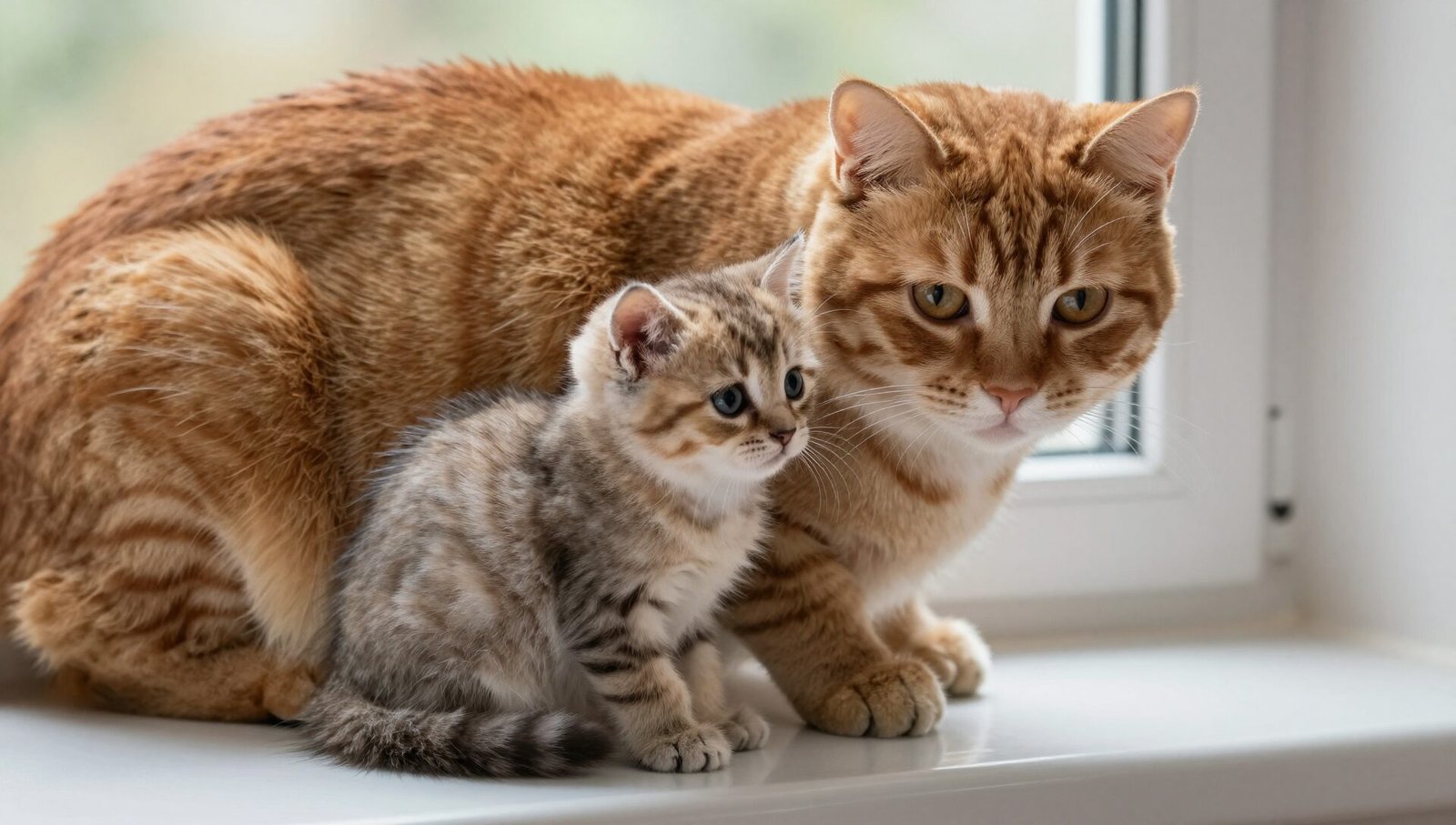
If you have ever found yourself staring at your feline friend and asking, “why is my cat so small?”, you are certainly not alone. As a cat owner, I have been in that exact position, watching my little companion hop onto the windowsill and look positively miniature next to the neighbourhood moggies. It is a common query in the world of cat care, and the answer is rarely as simple as just “bad luck.”
In my years of experience with kitten care and observing feline growth, I have learned that size is a complex puzzle. It involves genetics, diet, health, and even gender. While we all adore our pets regardless of their stature—after all, good things often come in small packages—it is natural to worry if your cat seems too petite.
This guide is designed for cat owners in the UK who want to understand the intricacies of why is my cat so small. We will explore everything from natural cat breeds and growth timelines to feline nutrition and potential medical conditions. Whether you have a tiny kitten or a fully grown adult who just never hit the “average” weight, we will cover the bases to put your mind at ease and help you provide the best care possible.
Are They Still Growing?
One of the most common reasons your cat looks small is simply that they haven’t finished growing yet. Kitten care involves a lot of patience, and it is easy to forget just how much development happens in the first year. Cats grow at an astonishing rate, particularly in the first six months.
Most domestic cats will reach their full adult size by around nine to twelve months of age. However, some larger breeds, like the Maine Coon, can continue to grow for up to two years! If you have a kitten, their size now is not necessarily indicative of their final stature. I remember looking at my own cat at six months and thinking he was going to be tiny forever. He then proceeded to put on another kilogram in the next three months.
Key Growth Stages:
- 0-6 Months: Rapid growth phase. Kittens are vulnerable and need high-calorie kitten food.
- 6-12 Months: Growth slows significantly. Sexual maturity occurs around 5-6 months.
- 12+ Months: Most cats are fully grown, though they may fill out slightly.
It is also worth noting that “full size” can vary. A cat might be genetically predisposed to be lighter-boned or shorter than average without having any health issues.
The Breed Factor
If you have a purebred cat, breed is the single biggest factor influencing their size. The world of cat breeds is incredibly diverse, and some cats are simply designed to be small. If you are wondering why is my cat so small, checking their breed standard might give you the answer immediately.
In the UK, we see a lot of variety. The average domestic shorthair weighs around 4-5kg, but some breeds are significantly smaller. For instance, the Singapura is known as one of the world’s smallest cat breeds, rarely exceeding 2kg. The Munchkin, famous for its short legs due to a genetic mutation, also tends to be on the smaller side.
Comparison of Small vs Large Cat Breeds:
| Breed | Average Weight (kg) | Characteristics |
|---|---|---|
| Singapura | 1.8 – 2.7 | One of the smallest breeds, large eyes, active nature. |
| Munchkin | 2.0 – 4.0 | Short legs, playful, kitten-like appearance. |
| Devon Rex | 2.5 – 4.5 | Slender, large ears, curly coat. |
| Maine Coon | 5.0 – 11.0 | One of the largest breeds, gentle giants. |
| British Shorthair | 4.0 – 8.0 | Stocky, dense coat, broad chest. |
If your cat is a mix, their size might be a genetic lottery. A kitten from a large father and small mother might end up anywhere in between.
Gender Differences
Just like in humans, gender plays a significant role in the size of your cat. Generally speaking, male cats are larger than female cats. This is a natural sexual dimorphism present in most animal species. If you have a female cat, especially one that has been spayed, she is likely to be on the smaller side.
Spaying and neutering can also affect growth. Cats that are neutered before reaching full maturity may end up slightly larger than their unneutered counterparts. This is because the hormones that signal the growth plates in the bones to close are delayed, allowing the cat to grow for a slightly longer period.
I have two cats, a male and a female from different litters. The male is a robust 5kg, while the female hovers around 3.5kg. They eat the same food and live the same lifestyle. The difference? Just their gender.
In short:
- Males: Tend to be larger, heavier, and more muscular.
- Females: Tend to be smaller, lighter, and more slender.
- Neutering: Can lead to slightly longer limbs if done early.
The Role of Feline Nutrition
This is a big one. Feline nutrition is the foundation of a cat’s health, and a poor diet can absolutely stunt a cat’s growth. If you are asking why is my cat so small, it is worth taking a hard look at what and how you are feeding them.
Cats are obligate carnivores. This means they require a diet rich in animal protein to thrive. A diet that is too low in protein, or filled with cheap fillers like corn and wheat, will not support optimal growth. This is particularly critical during kitten care. Kittens need specially formulated kitten food that is higher in calories and protein to fuel their rapid development.
Nutritional Requirements for Kittens vs Adults:
- Kittens: Need about 30% protein and 20% fat in their diet. They should eat kitten-specific food until they are about one year old.
- Adults: Need about 26% protein and 9% fat. Adult cat food is formulated for maintenance, not growth.
Feeding a kitten adult cat food is a common mistake that can lead to nutrient deficiencies. Similarly, underfeeding or providing low-quality food can result in a cat that does not reach its genetic potential.
Tips for Optimal Feline Nutrition:
- Choose High-Quality Food: Look for foods where a named meat source (e.g., chicken, salmon) is the first ingredient.
- Feed Age-Appropriate Food: Ensure your kitten is eating kitten food until they are fully grown.
- Monitor Portions: Follow the feeding guidelines on the packet, but adjust based on your cat’s activity level and body condition.
- Consider Wet Food: Wet food can be a great way to add hydration and protein to your cat’s diet.
Genetics and Dwarfism
In rare cases, the answer to why is my cat so small lies in genetics, specifically in a condition known as dwarfism. Feline dwarfism is a real, albeit uncommon, condition. It is caused by genetic mutations that affect the production of growth hormones or the development of cartilage and bone.
There are two main types of dwarfism in cats:
- Proportionate Dwarfism: The entire cat is smaller than normal, but all body parts are in proportion.
- Disproportionate Dwarfism: This is more common and is often associated with the Munchkin breed, where the legs are significantly shorter than the body.
True dwarfism (not the Munchkin’s selected trait) is often associated with other health issues, such as skeletal deformities, organ problems, and a shortened lifespan. If you suspect your cat has dwarfism due to a genetic anomaly rather than a breed trait, a veterinary examination is essential.
It is important to distinguish between a “small breed” cat and a cat with a medical condition. A healthy small cat will be active, have a good coat, and have a proportional body. A cat with dwarfism-related health issues may have trouble moving, breathing, or eating.
Parasites and Health Concerns
If your cat is eating well but still not growing or is losing weight, parasites could be the culprit. Internal parasites like tapeworms, roundworms, and hookworms live in the cat’s intestines and steal vital nutrients from their food. This is a very common issue, especially in kittens.
A heavy worm burden can lead to:
- A pot-bellied appearance (especially in kittens)
- Weight loss or failure to gain weight
- Dull coat
- Vomiting or diarrhoea
Regular worming is a cornerstone of cat care. In the UK, it is recommended to worm kittens every two weeks until they are twelve weeks old, and then monthly until six months. Adult cats should be wormed at least every three months, or more frequently if they are hunters.
Beyond parasites, other medical conditions can cause a cat to be small or lose weight:
- Hyperthyroidism: Common in older cats, it causes an overactive metabolism, leading to weight loss despite a ravenous appetite.
- Diabetes: Can cause weight loss, increased thirst, and frequent urination.
- Inflammatory Bowel Disease (IBD): Affects nutrient absorption, leading to weight loss and poor condition.
If you notice sudden weight loss or a failure to thrive, a trip to the vet is non-negotiable. These conditions are treatable, but early diagnosis is key.
Indoor vs Outdoor Lifestyle
A cat’s lifestyle can also influence their size and weight. Indoor cats are often more sedentary than their outdoor counterparts. While this doesn’t necessarily make them smaller, it can lead to weight management issues.
Outdoor cats burn more calories through hunting, exploring, and simply navigating a larger territory. They tend to be leaner and more muscular. Indoor cats, if not provided with enough enrichment and playtime, can become overweight. However, the flip side is also true: an indoor cat that is underfed or not given enough calorie-dense food could be smaller.
Enrichment is vital for indoor cats. Without it, they can become bored and stressed, which can affect their appetite and overall health.
- Provide vertical space: Cat trees, shelves, and window perches.
- Use puzzle feeders: Makes mealtime more engaging and slows down fast eaters.
- Schedule play sessions: At least 15-20 minutes of interactive play per day with toys like wands or laser pointers.
Whether your cat is indoor or outdoor, their environment and activity level should be balanced with their diet.
Common Myths vs Facts
Let’s bust some myths about small cats.
- Myth: Small cats are always runts of the litter.
- Fact: The “runt” is simply the smallest kitten, but they often catch up to their littermates with proper care.
- Myth: You can tell how big a kitten will be by their paw size.
- Fact: This is largely an old wives’ tale. Paw size is not a reliable predictor of adult size.
- Myth: Small cats are less healthy.
- Fact: A cat’s size is not an indicator of their health. A small cat can be perfectly healthy, just as a large cat can have health issues.
- Myth: Neutering makes cats fat.
- Fact: Neutering can slow metabolism slightly, but weight gain is due to overfeeding and lack of exercise, not the procedure itself.
When to Consult a Vet
While many small cats are perfectly healthy, there are times when you should seek professional advice. If you are consistently asking why is my cat so small and are concerned, your vet is your best resource.
See a vet if your cat:
- Is losing weight unexpectedly.
- Has a poor appetite or is a picky eater.
- Shows signs of lethargy or weakness.
- Has vomiting, diarrhoea, or changes in litter box habits.
- Is a kitten that is not growing as expected.
- Has a dull, unkempt coat.
A vet can perform a full health check, run blood tests, and check for parasites. They can rule out underlying conditions and give you peace of mind or a clear treatment plan.
Frequently Asked Questions
How big should my cat be at six months?
At six months, a domestic cat should weigh approximately 2.5 to 3.5 kg. However, this can vary significantly by breed. Larger breeds like the Maine Coon may be over 4kg, while smaller breeds like the Singapura may be closer to 1.5kg. If you are concerned about your kitten’s growth, consult your vet.
Can a cat’s diet affect its size?
Absolutely. Feline nutrition is one of the most critical factors in a cat’s growth and development. A diet lacking in essential nutrients, particularly protein, can stunt a kitten’s growth. Always feed a high-quality, age-appropriate diet to support healthy development.
Are small cats less healthy than big cats?
Not necessarily. A cat’s size is primarily determined by genetics and breed. A small cat that is active, has a good appetite, and maintains a healthy weight is likely perfectly healthy. Size alone is not a reliable indicator of health.
Why is my kitten not growing?
If your kitten is not gaining weight or growing as expected, the most common causes are poor feline nutrition, intestinal parasites, or an underlying health issue. Ensure they are eating kitten-specific food and are up to date on worming treatments. If the problem persists, a veterinary check is essential.
Do indoor cats stay smaller?
Indoor cats do not inherently stay smaller, but their activity level and diet must be managed carefully. They may be less active than outdoor cats, so their calorie intake should be adjusted to prevent obesity. Conversely, if an indoor cat is under-stimulated and under-eats, they could be smaller than average.
When do cats stop growing?
Most domestic cats reach their full size by 9 to 12 months of age. However, some larger breeds, like the Maine Coon, can continue to grow until they are 2 years old or even older.
Is my cat the runt?
Being the smallest in the litter (the runt) doesn’t necessarily mean your cat will be small for life. With proper nutrition and care, many runts catch up to their siblings. However, if the runt was significantly smaller and experienced health issues early on, they may remain smaller as an adult.
Conclusion
So, why is my cat so small? As we have explored, the answer can be anything from their breed and gender to their diet and health. Most of the time, a small cat is simply a product of their genetics, and they are perfectly healthy and happy at their size.
The key takeaways are:
- Know your breed: Some cats are naturally small.
- Prioritise nutrition: Feed a high-quality, age-appropriate diet.
- Stay on top of health care: Regular vet check-ups and parasite control are essential.
- Don’t panic: A small cat is often just a small cat.
If you have ruled out breed, gender, and age, and your cat is still not thriving, a visit to the vet is the best course of action. They can help you get to the bottom of any potential health issues and ensure your feline friend lives a long, healthy, and happy life—no matter their size.