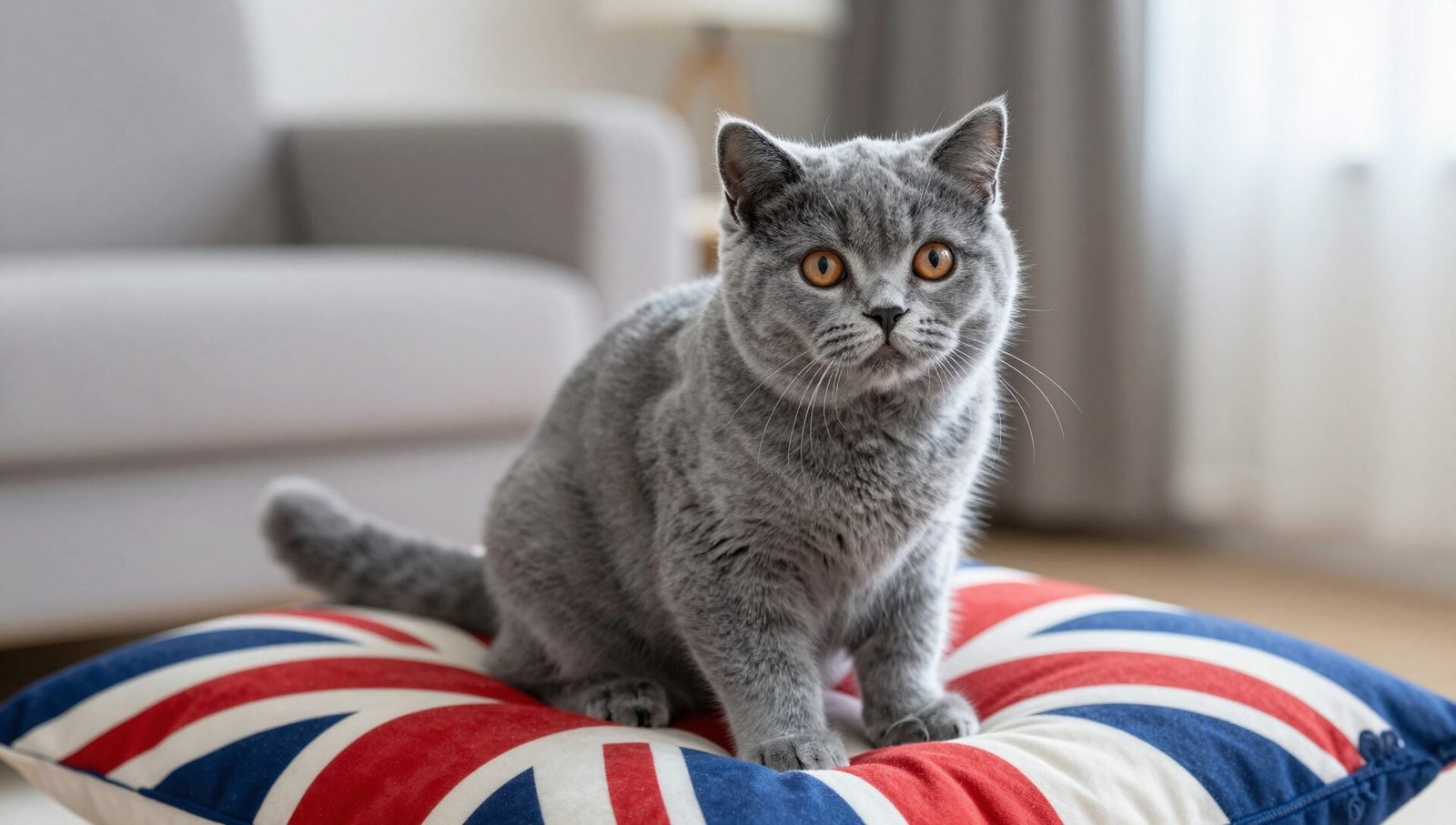
If you’ve been scrolling through listings of British Shorthair kittens for sale in the UK, you’re not alone — this breed consistently ranks among the most popular feline companions in Britain. With their iconic teddy-bear faces, plush coats, and wonderfully calm temperaments, it’s easy to see why so many families fall head over paws for them.
But before you commit to bringing one home, there’s a lot to consider. I’ve spent years around cats — fostering, adopting, and advising friends through the kitten-buying process — and I can tell you this: a pretty face is only the beginning. In this guide, I’ll walk you through everything you need to know, from breed characteristics and costs to health, grooming, and what life with a British Shorthair actually looks like day to day.
Let’s get stuck in.
British Shorthair Breed Overview: What Makes Them So Special?
The British Shorthair (often abbreviated to BSH) is one of the oldest and most recognisable cat breeds in the world. Originally bred from street cats in Britain, the breed was refined in the late 19th century and has been a firm favourite ever since.
Here’s what sets them apart:
- Build: Stocky, broad-chested, and powerful — they’re the tank of the cat world
- Head: Round with full cheeks, a wide nose, and large, round eyes (usually copper or gold in blue-coated cats)
- Coat: Dense, plush, and famously “crisp” to the touch — like stroking a cloud made of velvet
- Personality: Calm, independent, affectionate but not clingy — the perfect “roommate cat”
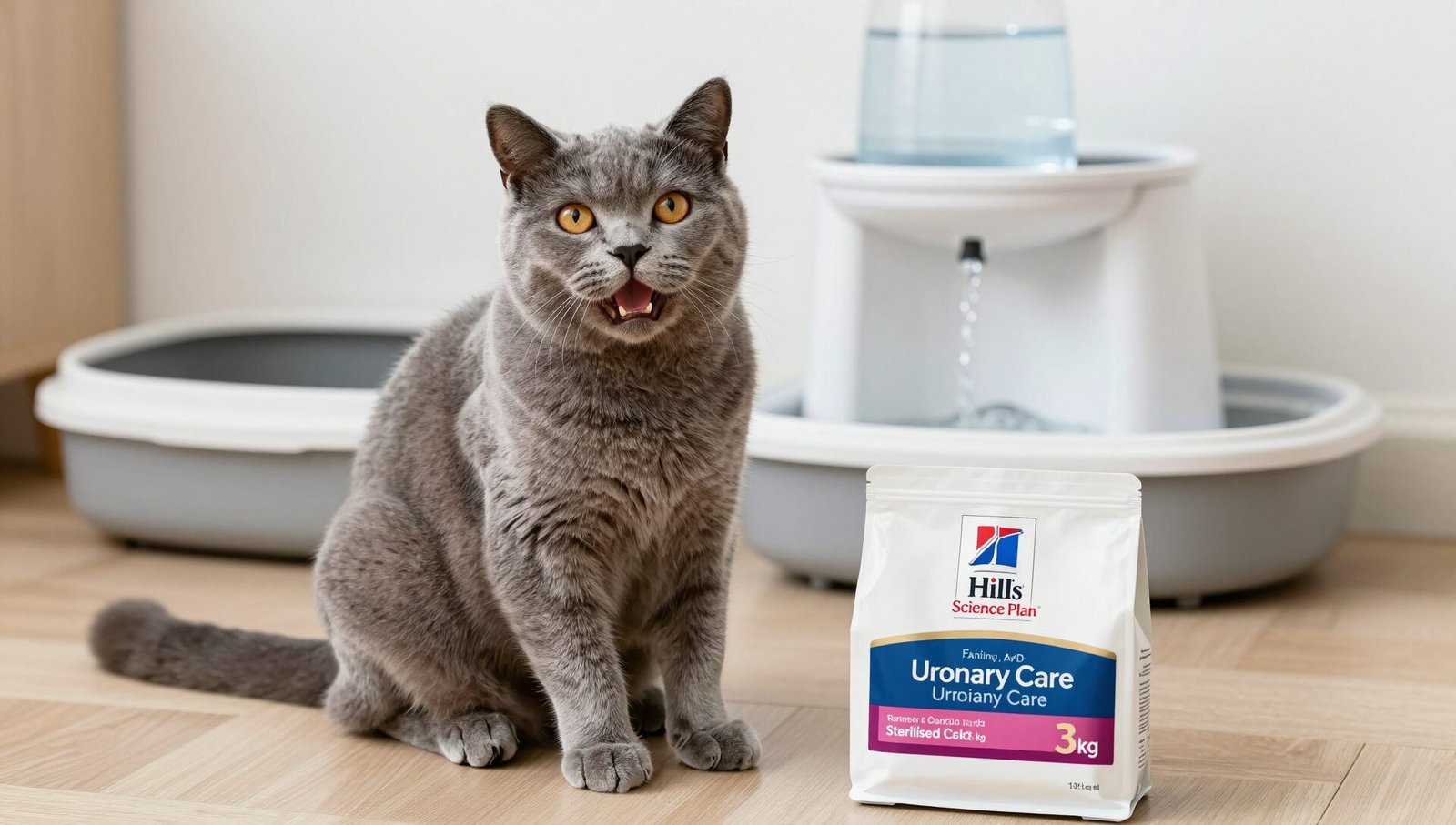
The most iconic colour is British Blue — a solid blue-grey coat with striking copper eyes — but BSHs come in over 100 colour variations, including lilac, chocolate, black, white, cream, tabby, tortoiseshell, and colourpoint.
| Feature | Details |
|---|---|
| Origin | United Kingdom |
| Size | Medium to large (4–8 kg) |
| Lifespan | 12–20 years |
| Temperament | Calm, loyal, independent |
| Coat type | Short, dense, plush |
| Colours | 100+ recognised varieties |
They’re essentially the feline equivalent of a reliable British car — sturdy, classic, and built to last.
Temperament and Personality: Is a BSH Right for Your Home?
One of the biggest reasons people seek out British Shorthair kittens for sale in the UK is their famously laid-back temperament. These are not cats that will scale your curtains or knock your ornaments off the shelf at 3 a.m. (Well, not usually.)
Here’s what to expect:
- Independent but affectionate. They enjoy your company but won’t demand constant attention. Think of them as the friend who’s happy to sit in the same room reading their own book.
- Great with children and other pets. Their patience and gentle nature make them ideal family cats.
- Quiet communicators. They’re not especially vocal — no 4 a.m. yowling here. A soft chirp or trill is more their style.
- Not massive lap cats. They’ll sit near you rather than on you. Don’t take it personally — it’s just their dignified British nature.
That said, every cat is an individual. I’ve met BSHs who act more like golden retrievers — following their owners from room to room and demanding belly rubs. The breed gives you a strong foundation of traits, but personality is always a bit of a lucky dip.
My advice? Spend time with the kitten before committing. A good breeder will let you visit and interact with the litter, giving you a feel for each kitten’s temperament.
Health and Lifespan: Common Issues to Watch For
British Shorthairs are generally robust, healthy cats with a lifespan of 12 to 20 years — impressive for a purebred. However, like all breeds, they’re predisposed to certain health conditions.
Common BSH health concerns include:
- Hypertrophic Cardiomyopathy (HCM): A heart condition common in many cat breeds. Responsible breeders screen for this.
- Polycystic Kidney Disease (PKD): A genetic condition that causes cysts in the kidneys. DNA testing can identify carriers.
- Obesity: BSHs are naturally stocky and love their food, which makes them prone to weight gain. A chunky BSH might look adorable, but extra pounds strain their joints and organs.
- Haemophilia B: A blood clotting disorder more common in BSH lines.
| Health Issue | Prevalence | Prevention/Management |
|---|---|---|
| HCM | Moderate | Annual cardiac screening |
| PKD | Moderate | DNA testing of parents |
| Obesity | High | Portion control, play |
| Haemophilia B | Low–Moderate | Genetic testing |
Pro tip: Always ask breeders for health screening certificates for the parents. A reputable breeder will be happy to share them — and if they’re not, walk away.
Keep up with annual vet check-ups, vaccinations, and flea/worm treatments, and your BSH should enjoy a long, healthy life.
Diet and Nutrition: Feeding Your British Shorthair
Let’s talk food — because BSHs certainly will. These cats are enthusiastic eaters, and left unchecked, they’ll happily eat their way to an unhealthy weight.
Key dietary principles for BSHs:
- High-protein, low-carbohydrate diet. Cats are obligate carnivores. Look for foods where meat or fish is the first ingredient — not cereals or fillers.
- Wet vs dry food: A mix of both is ideal. Wet food supports hydration (important for urinary health), while dry food helps maintain dental health.
- Portion control is essential. Follow the feeding guidelines on the packet, but adjust based on your cat’s body condition. Your vet can help you determine the ideal weight.
- Avoid free-feeding. Leaving food out all day is a recipe for a tubby tabby. Scheduled meals work best.
| Food Type | Pros | Cons |
|---|---|---|
| Wet food | Hydrating, palatable | Shorter shelf life once opened |
| Dry food | Convenient, dental benefits | Lower moisture content |
| Raw diet | Natural, high protein | Requires careful handling and balance |
| Combination | Best of both worlds | Requires more planning |
I once had a BSH foster who would only eat pâté-style wet food — nothing with chunks. Cats can be hilariously picky. If yours turns their nose up at something, try a different texture before assuming they’re being difficult. They might just have standards.
Fresh water should always be available. Many BSHs enjoy running water, so a cat water fountain can be a worthwhile investment.
Grooming Needs: Managing That Iconic Plush Coat
Despite being a shorthaired breed, British Shorthairs have one of the densest coats in the feline world. That plush, teddy-bear texture? It requires more maintenance than you might think.
Grooming essentials:
- Brush once or twice weekly with a slicker brush or grooming mitt to remove loose hair and prevent matting.
- Increase brushing during shedding season (spring and autumn), when they’ll blow their undercoat. Expect fur tumbleweeds across your floor.
- Baths are rarely needed. BSHs are fastidious self-groomers. Only bathe if they get into something messy.
- Check ears, eyes, and teeth regularly. Weekly ear checks and gentle eye wiping help prevent infections. Dental treats or regular toothbrushing support oral health.
- Nail trimming every 2–3 weeks keeps claws at a manageable length, especially for indoor cats.
One thing I’ve noticed is that BSH kittens can be surprisingly tolerant of grooming — probably because they’re so laid-back. Start grooming routines early, pair them with treats, and your cat will soon associate brushing with positive experiences.
That said, don’t be fooled by the “shorthair” label into thinking this is a zero-maintenance coat. During peak shedding, you will find blue fur on clothes you haven’t worn yet. It’s a rite of passage.
Indoor vs Outdoor Living: What’s Best for a British Shorthair?
This is one of the most debated topics among UK cat owners. British Shorthairs adapt well to both indoor and outdoor lifestyles, but there are important considerations for each.
Indoor living — pros:
- Protection from traffic, predators, and disease
- No risk of theft (BSHs are valuable and targeted)
- Longer average lifespan
- Easier to monitor health and diet
Indoor living — cons:
- Requires more enrichment and stimulation
- Risk of obesity if not enough exercise
- Can lead to boredom-related behaviours
Outdoor access — pros:
- Natural stimulation and exercise
- Satisfies hunting and exploring instincts
- Reduces boredom
Outdoor access — cons:
- Traffic accidents
- Exposure to parasites, diseases, and other animals
- Risk of theft (BSHs can fetch high resale prices)
| Consideration | Indoor | Outdoor |
|---|---|---|
| Safety | ✅ High | ⚠️ Variable |
| Stimulation | Needs effort | Natural |
| Health monitoring | ✅ Easy | Harder |
| Exercise | Needs planning | Built-in |
| Lifespan | Generally longer | Generally shorter |
My recommendation? A catio (enclosed outdoor space) or supervised garden access offers the best of both worlds. Many UK cat owners also leash-train their BSHs — and because of their calm temperament, they often tolerate it better than most breeds.
If you keep your BSH fully indoors, invest in climbing trees, window perches, and interactive toys to keep them mentally stimulated.
Training and Enrichment: Keeping Your BSH Happy
British Shorthairs are intelligent cats, but they’re not going to perform tricks on command like a border collie. Their style of learning is more… considered. They’ll do things on their own terms, thank you very much.
Litter training is rarely an issue — most BSH kittens are already litter-trained by the time they leave the breeder at 12–13 weeks. If you need to reinforce the habit, simply place them in the litter tray after meals and naps.
Scratching behaviour is natural and necessary. Provide:
- A sturdy scratching post (vertical and horizontal options)
- Sisal-covered surfaces
- Placement near their favourite sleeping spots (cats love to scratch after a nap)
Enrichment ideas for indoor BSHs:
- Puzzle feeders (great for slowing down greedy eaters)
- Interactive wand toys
- Window bird feeders (cat TV, basically)
- Rotating toy selection to prevent boredom
- Cardboard boxes — the ultimate free cat entertainment
Clicker training is possible with BSHs, especially if food-motivated. I’ve seen BSHs learn to sit, high-five, and even navigate agility courses. It just takes patience — and really good treats.
The key is consistency and short sessions. Five minutes of focused play or training is worth more than an hour of half-hearted effort.
Costs and What to Expect When Buying
Let’s talk money. If you’re searching for British Shorthair kittens for sale in the UK, you’ll notice prices vary wildly. Here’s a realistic breakdown:
| Item | Estimated Cost |
|---|---|
| Kitten (pet quality) | £400–£1,200 |
| Kitten (show/breeding quality) | £1,200–£2,500+ |
| Vaccinations | £60–£100 |
| Microchipping | £15–£30 |
| Neutering/spaying | £50–£150 |
| Insurance (annual) | £150–£400 |
| Food (annual) | £300–£600 |
| Litter (annual) | £150–£300 |
| Vet check-ups | £50–£100 per visit |
Red flags to watch for when buying:
- Kittens offered below £300 (may be from kitten farms)
- No health screening documentation
- Kittens released before 12 weeks
- Breeders unwilling to let you visit or meet the parents
- No GCCF, TICA, or FIFe registration
Green flags:
- Breeder asks you questions (about your home, lifestyle, experience)
- Kittens are well-socialised and confident
- Health records and vaccination cards provided
- Contract of sale with return policy
- Happy to stay in contact after purchase
A good breeder isn’t just selling a kitten — they’re entrusting you with a life they’ve invested months of care into.
Pros and Cons of Owning a British Shorthair
Pros:
- ✅ Calm, gentle temperament — perfect for families
- ✅ Beautiful, iconic appearance
- ✅ Low-maintenance grooming (compared to longhaired breeds)
- ✅ Adaptable to apartment or house living
- ✅ Good with children and other pets
- ✅ Long lifespan for a purebred
- ✅ Independent — suitable for working owners
Cons:
- ❌ Prone to obesity if diet isn’t managed
- ❌ Can be expensive to purchase
- ❌ Susceptible to certain genetic conditions
- ❌ Not the most playful or energetic breed
- ❌ Heavy shedding, especially seasonally
- ❌ Can be reserved with strangers
- ❌ Valuable — increasing risk of theft
Honestly? For most households, the pros far outweigh the cons. They’re wonderful, undemanding companions that fit seamlessly into family life.
Frequently Asked Questions
Are British Shorthair kittens good for first-time cat owners?
Absolutely. British Shorthairs are one of the best breeds for first-time owners. Their calm temperament, low-maintenance grooming, and easy trainability make them forgiving of beginner mistakes. They’re patient, adaptable, and generally straightforward to care for.
How much do British Shorthair kittens cost in the UK?
Prices typically range from £400 to £1,200 for pet-quality kittens, with show or breeding lines costing £1,200 to £2,500 or more. Prices vary by colour, pedigree, breeder reputation, and registration status. Rare colours like golden or shaded tend to command higher prices.
At what age can I bring a British Shorthair kitten home?
Reputable breeders release kittens at 12 to 13 weeks old, once they’ve been weaned, vaccinated, and socialised. Any breeder offering kittens under 8 weeks should be avoided — it’s both unethical and often illegal under UK animal welfare guidelines.
Do British Shorthairs get along with dogs?
Yes, generally. BSHs are known for their tolerance and calm demeanour, which helps them coexist with dogs. Early, careful introductions are key. Many BSH owners report their cats becoming best mates with family dogs — though the cat usually rules the roost.
Are British Shorthair kittens hypoallergenic?
No breed is truly hypoallergenic, and British Shorthairs are not considered a low-allergen breed. Their dense coat produces a moderate amount of Fel d 1 protein (the main cat allergen). If you have allergies, spend time around BSHs before committing.
How big do British Shorthairs get?
Adult BSHs are medium to large cats, typically weighing between 4 and 8 kg. Males are generally larger than females. They’re slow to mature, often not reaching full size until 3 to 5 years of age. They’re solid, muscular cats — not fat, just substantial.
Final Thoughts
Searching for British Shorthair kittens for sale in the UK is the exciting first step in what can be a truly rewarding journey. These cats bring a unique combination of beauty, calm companionship, and robust health to any home.
But the key to a great experience is doing it right — buying from a reputable breeder, preparing your home, understanding the ongoing costs, and committing to proper care for the next 12 to 20 years.
Take your time. Ask questions. Visit breeders. And when you finally bring that round-faced, plush-coated bundle of joy home? You’ll understand exactly why the British Shorthair has been one of Britain’s most beloved cats for over a century.
Good luck — and happy kitten hunting! 🐾