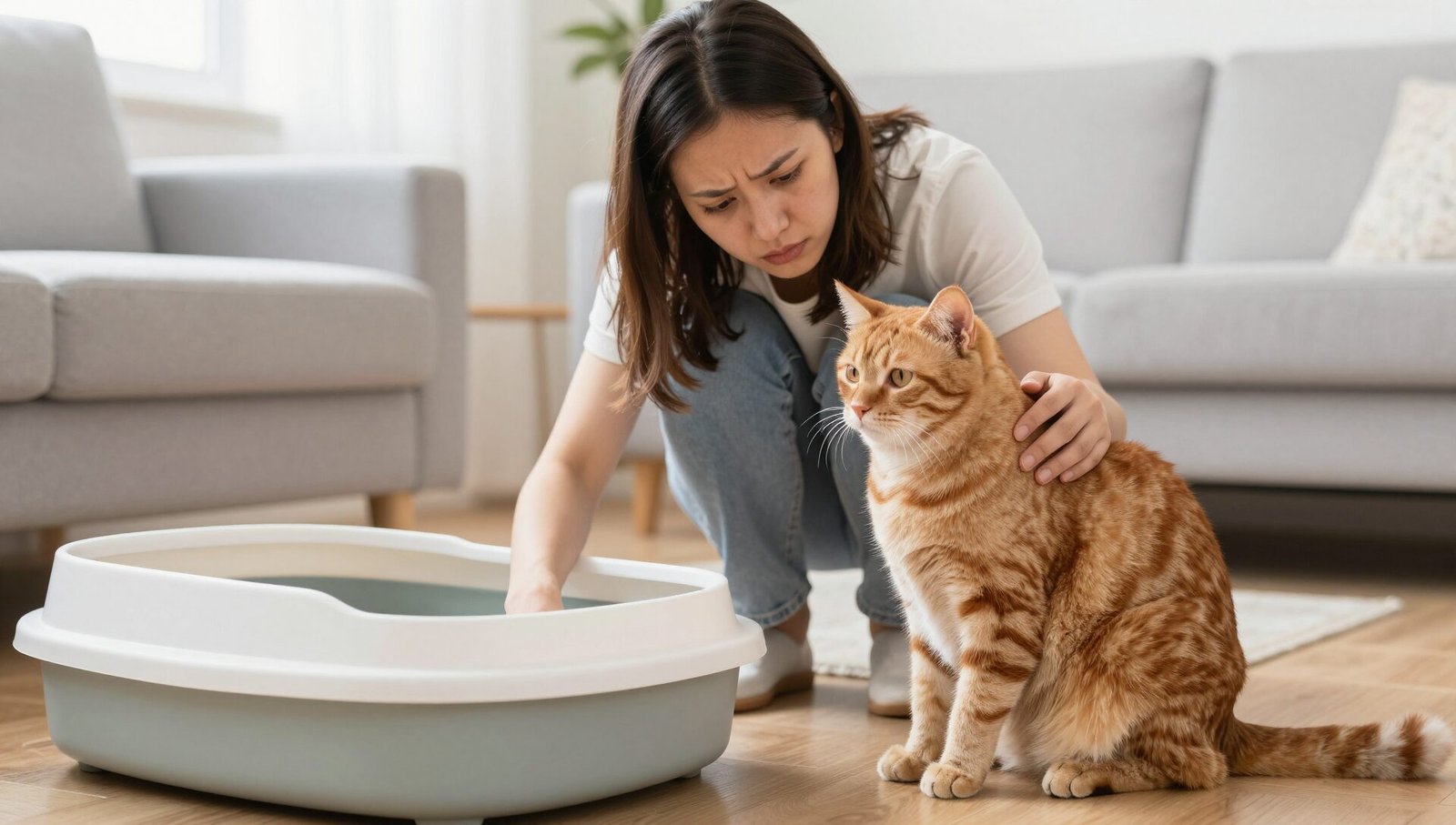
If you have ever walked into the living room to find a suspicious wet patch on the rug—or worse, the sofa—you know the sinking feeling that comes with it. Is your cat acting out, or is something medically wrong? As a cat owner myself, I have learned the hard way that cats rarely soil the house out of spite. More often than not, it is their way of waving a red flag about their health.
In the feline world, urinary issues are incredibly common. We are talking about Feline Lower Urinary Tract Disease, or FLUTD. It sounds scary, but understanding it is the first step to helping your furry friend. FLUTD isn’t actually a single disease; it is an umbrella term used by veterinarians to describe a group of conditions affecting the bladder and urethra of cats. It is the veterinary equivalent of saying “my tummy hurts” without specifying exactly why.
In this comprehensive guide, we will explore everything from the subtle signs you might miss to the gritty details of treatment and prevention. Whether you are dealing with a kitten who hasn’t quite got the hang of things or a senior cat with health issues, knowing about FLUTD is essential for every responsible owner.
Understanding Feline Lower Urinary Tract Disease
So, what exactly is happening when a cat has Feline Lower Urinary Tract Disease? Essentially, we are looking at inflammation or irritation in the lower part of the urinary system—the bladder (where urine is stored) and the urethra (the tube that carries urine out of the body).
According to the experts at International Cat Care, and supported by general veterinary consensus, the most common culprit behind these symptoms is actually a mystery—technically speaking. It is known as Feline Idiopathic Cystitis (FIC). “Idiopathic” is a fancy medical term meaning “we don’t know the specific cause.” It accounts for a whopping 60-70% of FLUTD cases. It is believed that stress plays a massive role here. Cats are sensitive creatures; a change in routine, a new pet, or even moving the furniture can trigger a stress response that manifests as bladder inflammation.
However, it is not always stress. Other causes include urinary stones (urolithiasis), which are hard mineral collections in the bladder, and urethral plugs—accumulations of protein, crystals, and debris that block the flow. While bacterial infections are a common cause of urinary issues in dogs and humans, they are actually quite rare in cats, particularly younger ones.
The Types of FLUTD
To give you a clearer picture, here is a quick breakdown of the common causes:
| Cause | Description | Prevalence |
|---|---|---|
| FIC | Inflammation with no clear cause, often stress-related. | ~60-70% |
| Urolithiasis | Bladder stones (Struvite or Calcium Oxalate). | ~10-15% |
| Urethral Plugs | Blockage in male cats (emergency). | Variable |
| Bacterial Infection | Rare in young cats, more common in seniors. | <5% |
| Anatomical/Tumour | Birth defects or cancer (rare). | Rare |
Recognising the Warning Signs
Cats are masters of disguise. In the wild, showing signs of illness makes you a target, so your domesticated tabby will often hide their pain until it becomes unbearable. However, when it comes to urinary problems, the signs are usually visible in the litter tray—if you know what to look for.
The classic signs include pollakiuria (urinating frequently but only in small amounts) and dysuria (straining or crying out in pain while trying to pee). You might notice your cat popping into the litter tray every few minutes. Another tell-tale sign is periuria—urinating outside the tray. If your cat is peeing in the bath or on the bed, it might be because they associate the litter tray with pain.
A critical emergency sign is stranguria: straining to pass urine. If you see your cat squatting for a long time but nothing is coming out, you need to act fast. Male cats, with their narrower urethras, are particularly prone to blockages (urethral obstruction). This is a life-threatening emergency.
5 Signs of Feline Lower Urinary Tract Disease
- Frequent Trips: Going to the tray constantly with little output.
- Blood in Urine (Haematuria): Pinkish tinge in the tray or on the floor.
- Overgrooming: Excessive licking of the belly or genital area, leading to bald patches.
- Painful Vocalisation: Crying or yowling while trying to urinate.
- Change in Location: Peeing on soft surfaces like beds, carpets, or laundry.
Risk Factors and Causes
Why does this happen to your cat? While any cat can develop FLUTD, certain factors increase the odds. Statistically, FLUTD affects about 1-3% of the cat population annually. It is most common in middle-aged cats, neutered cats, and those carrying a bit of extra weight.
Indoor cats are also at higher risk. Why? Because they are often less active and use the litter tray exclusively, meaning they may hold their urine longer or urinate less frequently. Diet plays a huge role too. Cats on exclusively dry diets (kibble) may have a lower overall water intake, leading to more concentrated urine and a higher chance of crystal formation.
Lifestyle Checklist for Prevention:
- Weight: Keep your cat at an ideal body condition score.
- Diet: Wet food generally provides more moisture than dry food.
- Exercise: Encourage play to keep the bladder active and reduce stress.
- Environment: Minimise stressful changes in the household.
Diagnosis: What to Expect at the Vet
If you spot the signs, a trip to the vet is non-negotiable. When you arrive, your vet will likely want a urine sample. Sometimes you can bring one from home (using non-absorbent litter), but they may also perform a cystocentesis. Don’t let the name scare you—it just means they use a fine needle to take a sample directly from the bladder. It sounds worse than it is; most cats don’t even flinch!
Your vet will check the urine for crystals, blood, pH levels, and signs of infection. They may also use imaging.
- Radiographs (X-rays): To spot larger bladder stones. Sometimes a “contrast dye” is used to highlight the bladder’s shape.
- Ultrasound: Excellent for seeing bladder wall thickening or smaller stones missed on X-ray.
- Blood Tests: To rule out systemic issues like kidney disease or diabetes.
Treatment and Management Strategies
Once the diagnosis is confirmed, treatment begins. The immediate goal is to alleviate pain and resolve any blockages.
For simple cystitis (FIC), treatment is often supportive. We need to increase water intake to flush out the bladder. This is where “soup” for cats comes in—adding warm water to wet food or using water fountains to encourage drinking.
If bladder stones are found, the approach depends on the type:
- Struvite Stones: Often dissolvable with a prescription diet that alters urine pH.
- Calcium Oxalate Stones: Usually require surgical removal, as diet cannot dissolve them.
For blocked cats (urethral obstruction), the cat must be hospitalised. They will be sedated, a urinary catheter passed to flush the blockage, and put on intravenous fluids. It is a stressful time for everyone, but survival rates are good if caught early.
Comparing Urinary Diets
| Feature | Standard Dry Food | Prescription Urinary Diet | Wet Food Only |
|---|---|---|---|
| Moisture Content | Low (~10%) | Low to Medium | High (~80%) |
| Calorie Density | High | Moderate | Lower |
| Stone Prevention | Low | High (Controls pH/Minerals) | Moderate |
| Palatability | Variable | High (Designed for cats) | Usually High |
The Role of Stress and Enrichment
Since FIC is the most common cause of Feline Lower Urinary Tract Disease, we cannot ignore the mental health of our cats. Stress reduction is a medical treatment in this context.
Think like a cat. They need vertical space, hiding spots, and routine.
- Resources: Ensure you have one litter tray per cat, plus one extra, in different locations.
- Play: Interactive play (with a wand toy) mimics hunting and burns off nervous energy.
- Safe Zones: Don’t let the dog chase the cat off the sofa. Everyone needs their own “safe chair.”
I once had a client whose cat kept getting cystitis every time they redecorated. Once they plugged in a Feliway diffuser (a synthetic pheromone that mimics the “happy” scent cats leave when they rub their faces on things), the episodes stopped. It is often about creating a sense of security.
Indoor vs. Outdoor Considerations
Indoor cats are magnificent—they are safer from cars and fights, but they are prone to boredom and obesity, both of which feed into FLUTD. If you keep your cat indoors, you must provide an enriched environment.
However, if your cat has urinary issues, being indoors means you can monitor their litter tray output closely. You can’t do that if they are roaming the garden. So, while indoor life requires more effort from the owner regarding entertainment, it offers a significant advantage in managing health conditions.
Diet and Hydration: The Cornerstone of Care
I cannot stress this enough: Hydration is king. Cats evolved as desert animals, getting most of their water from their prey (mice are about 70-80% water). A bowl of dry kibble and a side of water is not how nature intended them to eat.
To support urinary health:
- Switch to Wet Food: It provides significantly more moisture.
- Water Fountains: Cats prefer running water. It tastes fresher.
- Multiple Bowls: Place water bowls away from food bowls. In the wild, cats don’t drink where they eat to avoid contamination.
Grooming and General Health
While urinary issues are “internal,” they manifest externally. You will often see a cat with FLUTD overgrooming their tummy and private parts. This is a pain response. If your cat has a bald patch on their belly, don’t assume it’s just fleas—check their urination habits.
Regular vet check-ups are vital. As cats age, the risk of kidney disease and diabetes increases, both of which can complicate urinary health.
Pros and Cons of Ownership (Managing FLUTD)
Owning a cat with a history of Feline Lower Urinary Tract Disease requires commitment. Here is an honest look at what that entails:
Pros:
- Closer Bond: You become incredibly attuned to your cat’s subtle needs.
- Healthier Pet: Managing FLUTD often leads to a better diet and weight for the whole household.
- Peace of Mind: Knowing the signs means you won’t panic as much during a flare-up.
Cons:
- Cost: Vet visits, prescription diets, and ultrasounds can add up. Pet insurance is highly recommended.
- Maintenance: Cleaning litter trays twice daily is mandatory to monitor output.
- Laundry: If there is an accident, you are the one scrubbing the carpet at 2 AM.
Frequently Asked Questions
What is the difference between Feline Idiopathic Cystitis and FLUTD?
Feline Idiopathic Cystitis (FIC) is actually a specific cause of FLUTD. FLUTD is the general term for the signs (straining, blood in urine), while FIC is the diagnosis when no infection or stones are found and stress is suspected.
Can Feline Lower Urinary Tract Disease be cured?
It depends on the cause. Bacterial infections and some struvite stones can be cured completely. However, FIC is often a lifelong condition that goes into “remission” rather than being cured, meaning you will need to manage the cat’s environment and diet permanently.
Why are male cats more at risk of urinary blockages?
Male cats have a much longer and narrower urethra than females. As it travels towards the exit, it passes through the penis where it becomes even narrower. A small crystal or plug that a female might pass easily can completely block a male.
Should I restrict water for my cat if they are urinating outside the tray?
Absolutely not! Restricting water will make the urine more concentrated and painful. You need to encourage more drinking to flush out the bladder.
How often should a healthy cat urinate?
On average, a healthy cat urinates 2-3 times a day. If your cat is going 5-6 times a day, or not at all for 24 hours, you need to see a vet.
Is blood in the urine always a sign of FLUTD?
While it is a hallmark sign of FLUTD, it can also indicate other issues such as trauma or, rarely, tumours. Any visible blood warrants a veterinary visit.
Conclusion
Dealing with Feline Lower Urinary Tract Disease can feel overwhelming, but it is one of the most manageable conditions in feline medicine once you understand it. The key takeaways are simple: watch the litter tray like a hawk, keep your cat hydrated, reduce stress, and maintain a healthy weight.
Remember, FLUTD is not a death sentence; it is a signal that your cat needs a little extra help from you. By partnering with your vet and making a few lifestyle tweaks, you can ensure your feline companion lives a comfortable, happy, and “accident-free” life. Stay vigilant, and keep those litter trays clean