There are few things more heartwarming than settling down on the sofa, only for your favourite feline to hop up, turn a few circles, and begin rhythmically pushing their paws into your jumper or the nearest blanket. It’s a behaviour we lovingly call “making biscuits,” and it’s one of the most endearing quirks our cats possess. If you’ve ever found yourself mesmerised by this gentle, repetitive motion and wondered, why do cats knead, you’re in the right place.
As a lifelong cat owner and feline enthusiast, I’ve experienced this countless times. My old tabby, Jasper, was a champion biscuit-maker, especially on a freshly washed fleece blanket. While it often left a few stray threads, it was his way of showing ultimate contentment. But is it just about happiness, or is there more to this fascinating feline habit? Let’s delve into the soft, squishy world of cat kneading and uncover the adorable science behind it.
What Exactly is Cat Kneading?
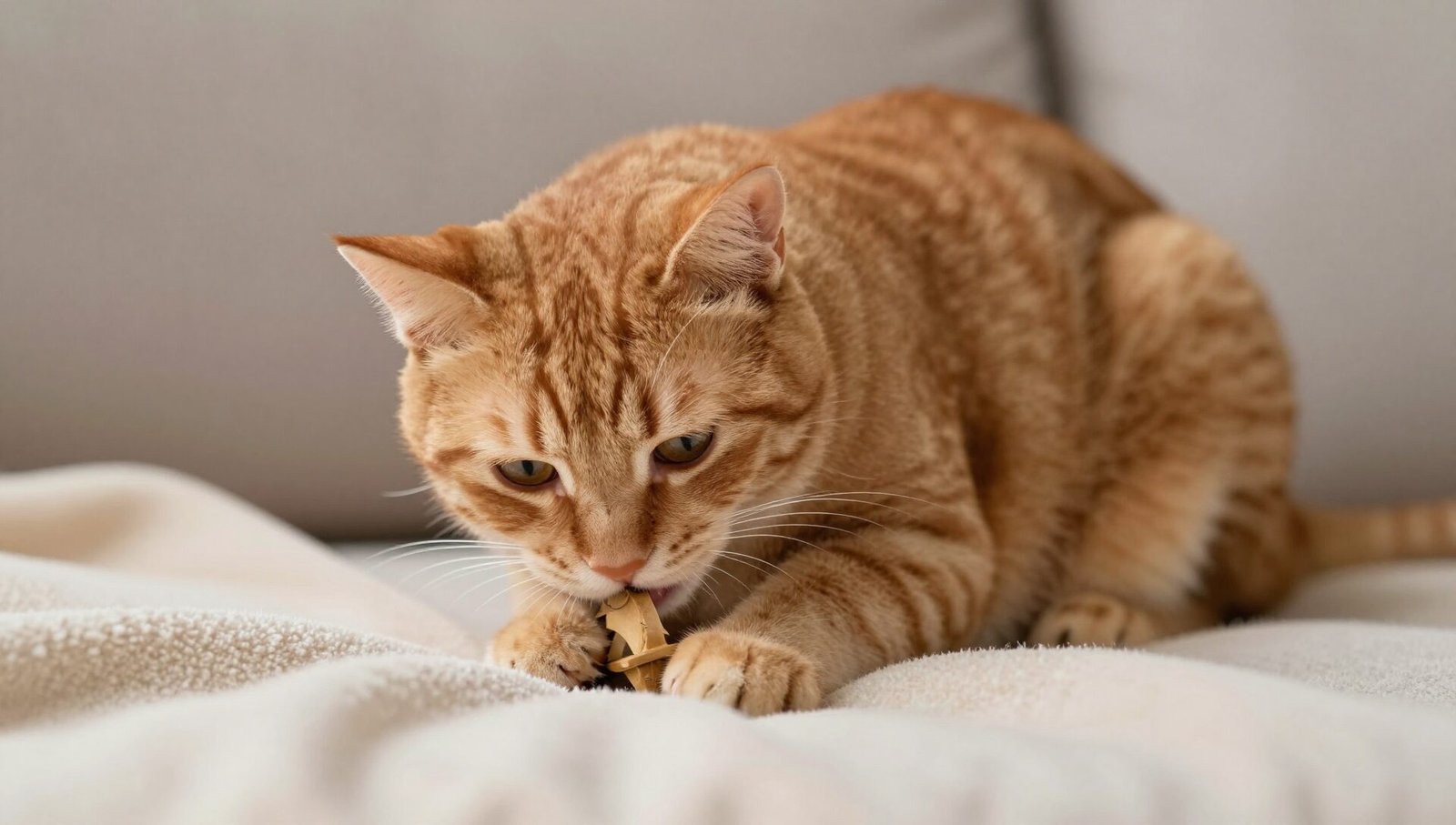
Before we explore the reasons, let’s define the behaviour. Cat kneading is the rhythmic, alternating motion of a cat pushing and pulling with their front paws against a soft surface, be it a blanket, a pillow, a piece of furniture, or your own lap. It’s often accompanied by a dreamy, half-closed eye expression and a deep, rumbling purr.
The term “making biscuits” is perfectly descriptive, as it mimics the action of a baker kneading dough. Some cats are delicate and use soft paws with their claws retracted. Others, however, can be a bit more enthusiastic, extending their claws with each push. This isn’t an act of aggression; it’s simply part of their deep-seated instinct. This normal behaviour is a fundamental part of feline behaviour and is almost always a positive sign, indicating your cat is in a state of relaxation and happiness. Understanding this basic cat care quirk is the first step to appreciating the bond you share.
The Kitten Connection: Nurturing Instincts
The origins of kneading begin in the earliest days of a cat’s life. When they are newborns, kitten kneading is an essential survival skill. Kittens use this exact motion on their mother’s mammary glands to stimulate the flow of milk during nursing. It’s their very first job, and they take it very seriously!
This powerful association between the kneading motion and the ultimate feelings of safety, warmth, and nourishment is imprinted on them for life. As they grow into adult cats, the act of kneading often triggers a comforting, almost nostalgic memory of being a tiny kitten, snuggled safely against their mother. It’s a self-soothing behaviour that brings them back to a time when their world was simple and secure.
When your adult cat kneads on you, it’s a profound compliment. They are essentially reverting to a state of pure contentment and associating you with the same safety and comfort they felt with their mother. It’s a clear sign of deep-seated trust and affection, a truly special moment in your shared bond.
Showing Love and Affection
While the kitten connection is the origin story, kneading in adult cats is a powerful tool for cat affection and communication. When your cat chooses to knead on you, whether it’s your lap, your chest, or your arm, it’s a deliberate act of love. They are seeking closeness and reinforcing their bond with their favourite human.
Think of it as a furry hug. In the world of feline behaviour, actions speak louder than words, and this is one of the most eloquent gestures a cat can make. It’s their way of saying, “I feel safe with you, I trust you, and I’m happy.” You are their person, and they want you to know it.
I once had a rescue cat, a timid tortoiseshell named Pippa, who took months to settle in. The first time she climbed onto my lap and started to softly knead, I knew we had finally turned a corner. It was her way of accepting me into her world. So, if your cat reserves this special action for you, give yourself a pat on the back—you’ve earned a place in their heart.
Marking Their Territory: The Scent of Home
Here’s a fascinating piece of feline biology that adds another layer to the question of why do cats knead. Cats have scent glands located in the soft pads of their paws. When they engage in kneading, these glands release pheromones, which are unique chemical scent markers.
By kneading on a blanket, the sofa, or even you, your cat is leaving their personal, familiar scent behind. This is a form of territorial marking, but don’t worry—it’s not a hostile takeover. In the cat world, this is a way of creating a safe, familiar environment. They are essentially putting a “scent sticker” on their favourite things to make them feel more like home.
This is a core part of cat communication. It helps them feel secure in their surroundings and creates a communal scent profile within their family group, which includes you. When they knead you, they are claiming you as part of their trusted inner circle. It’s one of the highest compliments a cat can bestow!
Getting Comfortable: The Wild Ancestor’s Bed-Making
Ever noticed your cat kneading their bed or a blanket right before they settle down for a nap? This behaviour is another throwback to their wild ancestors. Before the luxury of plush cat beds and heated blankets, wild felines would pat down tall grass, leaves, or undergrowth to create a soft, safe, and warm place to rest.
This action of “nesting” served a dual purpose: it created a more comfortable sleeping surface and also allowed them to check for any hidden dangers, like snakes or insects, before settling in. While your pampered indoor cat has no need to worry about such things, the instinct remains.
So, when you see your cat kneading their favourite cushion, they are simply following an ancient feline instinct to prepare a perfect sleeping spot. They are ensuring their temporary territory is safe, comfortable, and ready for a solid 16-hour nap. It’s a charming reminder of the wild predator that lives within our domesticated companions.
A Sign of a Happy and Content Cat
As we’ve established, kneading is a multi-faceted behaviour rooted in instinct, comfort, and affection. At its core, it is a sign of a profoundly happy cat. The rhythmic motion, often paired with purring and a relaxed posture, indicates that your feline friend is in a state of bliss.
This isn’t just a feeling; there’s science to back it up. The act of kneading can trigger the release of endorphins in a cat’s brain. These are the “feel-good” hormones that promote feelings of calm, security, and well-being. It’s a natural stress-reliever for them.
Furthermore, if your cat is purring while kneading, you’ve hit the jackpot of contentment signals. Purring itself is also thought to have self-soothing properties. The combination of the two is your cat’s ultimate expression of “I am happy, I am safe, I am home.” For us as owners, it’s a clear and rewarding signal that we are doing a good job of providing a loving and secure environment for our feline companions.
How to Handle Kneading: Embrace or Redirect?
For the most part, kneading is a behaviour to be celebrated. However, for some owners, it can be a little problematic. If you have a cat that extends their claws, those biscuit-making sessions can become a bit ouchy, especially on bare skin. So, what’s the best approach?
First and foremost, never punish your cat for kneading. They are expressing a positive emotion, and scolding them will only create confusion and anxiety. Instead, try these simple cat care solutions:
- Create a Barrier: Keep a thick blanket or a dedicated cushion on your lap when you expect your cat to settle. This protects your skin and gives them a perfect surface to work on.
- Redirect Their Focus: If they start kneading on a sensitive area, gently encourage them onto a nearby soft blanket or cat bed.
- Regular Nail Trimming: Keeping your cat’s claws trimmed through regular grooming can make kneading more comfortable for everyone. Use proper cat nail clippers and be careful not to cut the “quick” (the pink part of the nail containing blood vessels).
- Provide Alternatives: Ensure your cat has plenty of soft, tempting surfaces like cat beds, blankets, or pillows to call their own. If they have a designated “kneading spot,” they may be less likely to use your favourite cashmere jumper.
Pros and Cons of Cat Kneading
Like many aspects of cat ownership, kneading comes with its own set of positives and a few minor potential downsides.
Pros:
- A Sign of Deep Trust: It’s a clear indication your cat feels safe and bonded with you.
- Self-Soothing: It helps your cat manage stress and feel calm.
- Scent Marking: It allows your cat to feel secure by marking their environment (and you!) with their familiar scent.
- Endearing Behaviour: It’s an adorable and heartwarming quirk to witness.
Cons:
- Sharp Claws: For cats that extend their claws, it can be uncomfortable or even painful, especially on skin or delicate fabrics.
- Drooling and Sucking: Some cats may drool or suck on the fabric they are kneading, which can be a bit messy.
- Fabric Damage: Enthusiastic kneading with claws can sometimes snag or pull threads in blankets and clothing.
The takeaway is that the pros far outweigh the cons. With a little understanding and management, you can enjoy this special feline behaviour without the ouch.
Your Top Questions About Cat Kneading Answered (FAQs)
Why do cats knead and purr at the same time?
This combination is the ultimate sign of feline contentment. The kneading behaviour stems from the comfort and security of kittenhood, while the deep rumble of purring is a self-soothing mechanism. Together, they indicate your cat is in a state of deep relaxation and happiness, feeling safe and loved in their environment.
Is it bad if my cat never kneads?
Not at all! Just like people, all cats have different personalities and ways of expressing themselves. Some cats are prolific biscuit-makers, while others rarely do it. It doesn’t mean they are any less happy or bonded with you. They may simply show their affection in other ways, such as head-bunting, following you around, or slow-blinking.
Why does my cat knead with their back paws too?
While kneading is most commonly a front-paw action, some cats will use all four paws. This is simply a more enthusiastic, full-body version of the behaviour. It’s the same instinct at play—they are just really getting into it! It’s perfectly normal and just another charming variation of cat kneading behaviour.
Should I be worried if my cat suddenly starts kneading more?
If your cat has a sudden and dramatic increase in kneading, it could be a sign that they are feeling a bit more anxious or stressed than usual and are seeking comfort. Consider if anything in their environment has changed recently (new pet, moving house, etc.). However, if the behaviour is accompanied by other changes in appetite, litter box habits, or mood, it’s always wise to consult your vet to rule out any underlying feline health issues.
Why does my cat drool when they knead?
Drooling during kneading is often linked back to the kitten nursing instinct. The anticipation of milk from their mother’s teats would cause kittens to salivate. In some adult cats, this powerful association is so strong that the kneading motion itself can trigger a drool response. It’s a harmless, if slightly messy, sign of ultimate bliss.
Can I train my cat to stop kneading on me?
Since kneading is a deeply ingrained and instinctual comfort behaviour, it’s not something you should try to “train” out of them. Instead of stopping the behaviour, focus on redirecting it. As mentioned in our cat care tips, providing a soft blanket for them to knead on instead of your bare skin is the most effective and kindest approach.
Final Thoughts on the Art of Making Biscuits
So, the next time you feel the rhythmic push-pull of your cat’s paws, you’ll know you’re witnessing a behaviour rich with meaning. The answer to why do cats knead is a beautiful tapestry woven from threads of instinct, memory, comfort, and affection. It’s a primal action that connects them to their kittenhood, to their wild ancestors, and, most importantly, to you.
From creating a comfy nest to marking you as their own trusted human, kneading is one of the most genuine and heartfelt ways our cats communicate their well-being. It’s a furry, four-pawed compliment that says, “Life is good, and you’re a big part of the reason why.”
So grab a blanket, settle in, and enjoy the biscuit-making session. It’s a small, gentle reminder of the special bond we share with our enigmatic and wonderful feline friends. Happy purrs and happy kneading