We have all been there. You are curled up on the sofa, enjoying the peace and quiet, when suddenly a noise starts up that sounds like a small, malfunctioning chainsaw. You look around for the source, only to realise it is coming from the ball of fluff curled up in the sunbeam. Cat snoring can be adorable, hilarious, and sometimes a little concerning.
If you have ever wondered, “Is it normal for my cat to snore?”, you are in good company. While we often associate snoring with bulldogs or perhaps a tired human partner, our feline friends are quite capable of making a racket when they are catching their z’s.
As a cat lover and owner, I know that any change in our pets’ behaviour can send us down a rabbit hole of worry. In this guide, we will explore the science behind the sound, why some cats are louder than others, and—most importantly—when cat snoring is a sign that you need to book a trip to the vet.
Understanding the Mechanics of Cat Snoring
To understand why cat snoring happens, we need to look at how breathing works. When air moves through a completely clear, open passage, it is virtually silent. However, when air has to squeeze through a tight gap or swirl around an obstruction, it creates turbulence. This turbulence is what we hear as sound.
In cats, the primary culprits for this noise are the soft tissues at the back of the throat—specifically the soft palate, the uvula, and the tonsils. When your cat is wide awake, these muscles are taut, keeping the airway open. However, when a cat enters a deep sleep (often known as REM or Rapid Eye Movement sleep), these muscles relax.
If the tissues relax enough to partially obstruct the airway, the incoming and outgoing air causes them to vibrate. That vibration is the snore. It is essentially the same physics as human snoring, just in a much smaller, cuter package.
The Anatomy of a Cat Nap
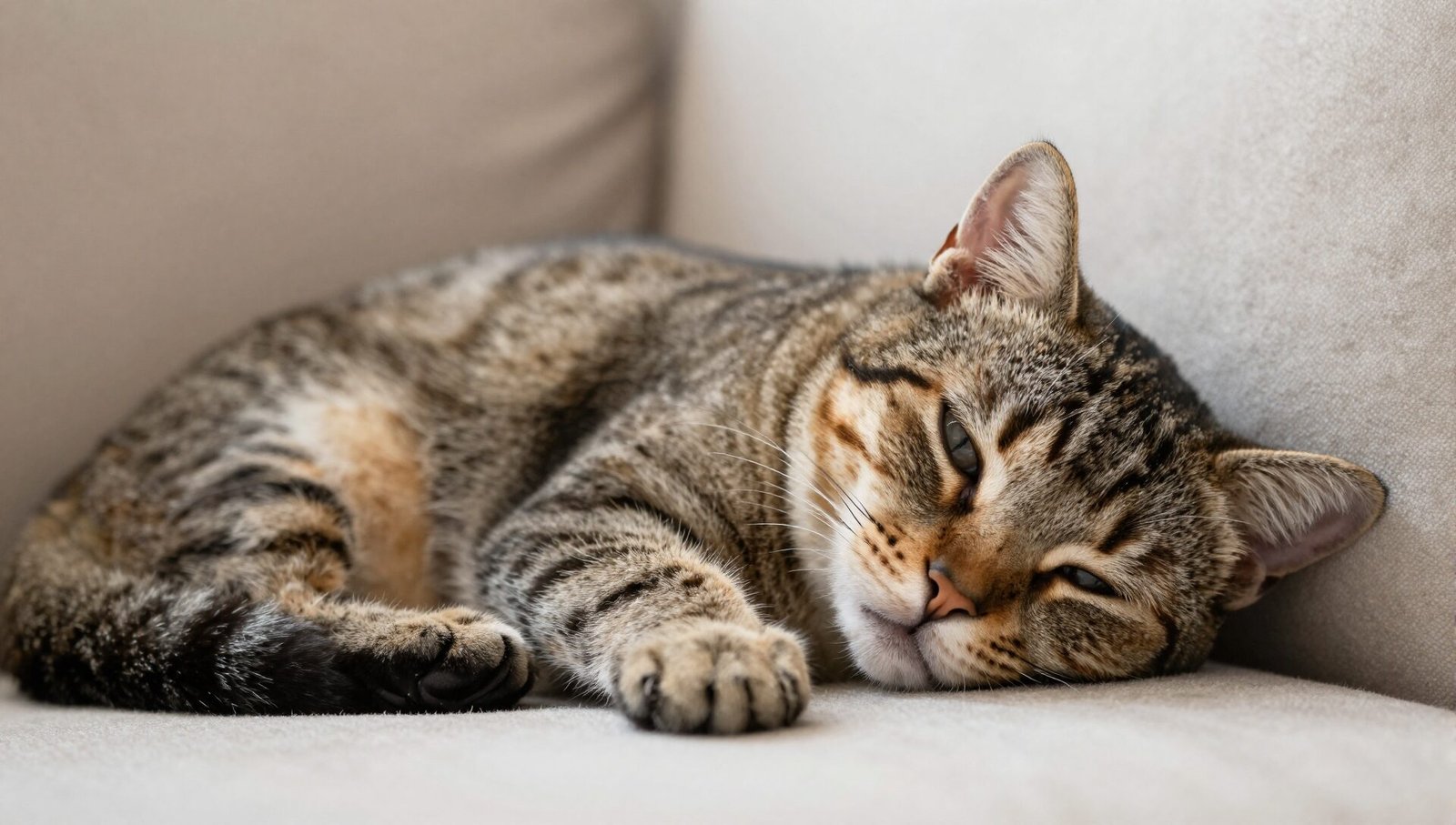
It is worth remembering just how much time our cats spend in this state. On average, a cat sleeps for around 16 hours a day. That is a lot of opportunity for snoring to occur! During this time, they cycle between light sleep and deep sleep. It is in those deep, relaxed moments—often when they are curled into a tight ball or sprawled out like a furry starfish—that the snoring is most likely to happen.
Common Causes of Cat Snoring
While the basic mechanics involve relaxed throat muscles, several factors can influence why your specific cat snores. Some are completely benign, while others relate to their breed or environment.
Sleeping Position
This is the most common cause of harmless snoring. If your cat sleeps with their head resting on a cushion, tucked tightly into their body, or draped awkwardly over the arm of a chair, their neck may be compressed. This position can restrict the airway slightly, causing air to force its way through and create noise.
Personal Tip: I have a ginger tom who sleeps in the most contorted positions imaginable. If he sleeps with his chin tucked down, he snores like a trooper. The moment he stretches his neck out, the noise stops. If your cat only snores in specific positions, it is almost certainly nothing to worry about.
Breed Specifics: Brachycephalic Cats
If you own a flat-faced cat, you are likely familiar with snoring. These are known as brachycephalic breeds. Because they have shortened skulls, their internal anatomy is compressed. They have the same amount of soft tissue as a normal cat, but it is squeezed into a much smaller space.
Breeds prone to this include:
- Persian cats
- Exotic Shorthairs
- Himalayans
For these breeds, cat snoring is often a lifelong feature rather than a bug. However, owners need to be extra vigilant, as they are more prone to respiratory distress.
Obesity
Just as in humans, extra weight plays a massive role in snoring. If your cat is carrying a few extra pounds, there may be fat deposits accumulating around the throat and neck. This extra “padding” puts pressure on the airway when the cat is relaxed.
Maintaining a healthy weight is crucial not just for reducing snoring, but for overall feline health. If your cat is overweight and snoring, a diet plan is the first step to a quieter night’s sleep.
When Cat Snoring Signals a Health Issue
While much snoring is harmless, there are times when it indicates a medical problem. It is vital for cat owners to distinguish between “noisy sleeping” and respiratory distress.
Respiratory Infections
Upper respiratory infections (URIs) are the feline equivalent of a bad cold or flu. Viruses like Feline Herpesvirus (FHV-1) and Feline Calicivirus (FCV) can cause inflammation in the nasal passages and throat.
When the nasal passages are swollen or filled with mucus, the air has a harder time getting through, resulting in snoring, wheezing, or even rattling sounds. If your cat has suddenly started snoring and is also sneezing, has watery eyes, or a runny nose, they likely have an infection.
Allergies and Asthma
Cats can suffer from allergies and asthma just like us. Common allergens include dust mites, pollen, mould, and even certain types of cat litter.
Asthma in cats causes the airways to constrict and become inflamed. While an asthma attack usually presents as coughing or wheezing while awake, chronic mild inflammation can lead to snoring when they are asleep.
Nasal Obstructions
Sometimes, the cause is something physical blocking the nose. This could be:
- Foreign bodies: A blade of grass or a seed stuck in the nasal passage.
- Polyps: Benign growths that can block airflow.
- Tumours: More common in older cats, cancer (neoplasia) can obstruct the nasal passages.
If you notice your cat snoring loudly from only one side of their nose, or if they have discharge (especially bloody discharge) from one nostril, get them to a vet immediately.
Warning Signs: When to See the Vet
How do you know if your cat’s snoring is just a quirk or a cry for help? You need to look at the bigger picture. Cat snoring rarely happens in isolation if there is an underlying health issue.
Here is a checklist of symptoms that, when paired with snoring, warrant a veterinary visit:
- Changes in breathing pattern: Is the snoring getting louder or more frequent?
- Discharge: Any mucus, pus, or blood coming from the nose.
- Behavioural changes: Is your cat lethargic, hiding more than usual, or aggressive when touched?
- Appetite loss: Cats rely heavily on their sense of smell. If their nose is blocked, they often stop eating.
- Open-mouth breathing: This is a veterinary emergency. Cats rarely pant like dogs unless they are in severe distress.
- Pawing at the face: This suggests pain or irritation in the nose or mouth.
The “New Snore” Rule
I always tell fellow cat owners to follow the “New Snore” rule. If your cat has snored for years, it is likely their normal. If they have never snored before and suddenly start doing it consistently, it is time for a check-up.
Treatment and Management
If your vet rules out serious medical conditions, managing cat snoring usually involves lifestyle adjustments.
Weight Management
If obesity is the cause, your vet will help you set up a weight loss plan. This usually involves switching to a high-protein, low-carbohydrate diet and increasing exercise. Interactive toys and puzzle feeders can help get a lazy cat moving.
Environmental Changes
- Air Quality: If allergies are the culprit, improve your air quality. Use an air purifier and vacuum regularly to reduce dust mites.
- Humidity: Dry air can irritate the nasal passages. A humidifier in the room where your cat sleeps can help keep their airways moist and reduce snoring.
- Litter Choice: Avoid dusty cat litters if your cat has respiratory sensitivities. Opt for low-dust or dust-free alternatives.
Surgical Intervention
For brachycephalic cats with severe breathing difficulties, surgery may be necessary. This can involve widening the nostrils (nares) or shortening an elongated soft palate. This is usually a last resort but can dramatically improve the cat’s quality of life.
Cat Snoring vs. Other Noises
It is important to differentiate snoring from other respiratory sounds. Here is a quick guide to help you identify what you are hearing.
| Sound | Description | Likely Cause | Action |
|---|---|---|---|
| Snoring | Rhythmic sound during sleep. | Relaxed throat tissues. | Monitor usually. |
| Wheezing | High-pitched whistle, often when awake. | Asthma or foreign object. | See vet. |
| Coughing | Hacking sound, often crouched low. | Hairballs, asthma, or heart disease. | See vet if frequent. |
| Stridor | Loud, high-pitched sound when inhaling. | Laryngeal issues or obstruction. | Urgent vet visit. |
| Stertor | Low-pitched snoring sound when awake. | Blockage in the back of the nose/throat. | See vet. |
Frequently Asked Questions
Is it normal for my cat to snore loudly? Yes, it can be normal, especially if your cat is a brachycephalic breed like a Persian, or if they are a bit overweight. If they have always snored loudly and are otherwise healthy, eating well, and active, it is likely just their quirk.
Should I wake my cat up if they are snoring? Generally, no. Just like humans, cats need uninterrupted sleep. Waking them can cause stress and startle them. The only exception is if they seem to be struggling to breathe or having a nightmare (twitching and crying out), in which case a gentle nudge is okay.
Can cat snoring be a sign of a cold? Yes. If your cat has suddenly started snoring and has a runny nose, sneezing, or watery eyes, they likely have an upper respiratory infection. Keep them warm and hydrated and consult your vet.
Do cats snore more as they get older? They can. Older cats may have less muscle tone in their throat, making them more prone to snoring. However, older cats are also more susceptible to nasal polyps and tumours, so any new snoring in a senior cat should be checked out.
How can I stop my cat from snoring? You cannot always stop it, but you can try encouraging them to sleep in a different position (gently repositioning them) or using a humidifier. If they are overweight, helping them lose weight is the most effective solution.
My cat snores while awake, is that normal? No. If your cat is making snoring or rattling sounds while awake, it indicates a blockage or inflammation in the airways. This is not true snoring and requires veterinary attention.
Conclusion
Cat snoring is one of those charming little quirks that comes with sharing your life with a feline. In most cases, it is simply the sound of a happy, deeply relaxed cat enjoying a well-deserved nap.
However, as responsible pet parents, we must keep an ear out for changes. By understanding the difference between harmless positional snoring and the sounds of respiratory distress, you can ensure your cat stays healthy and comfortable. If in doubt, always trust your gut and consult your vet. Now, go enjoy the symphony of purrs and snores