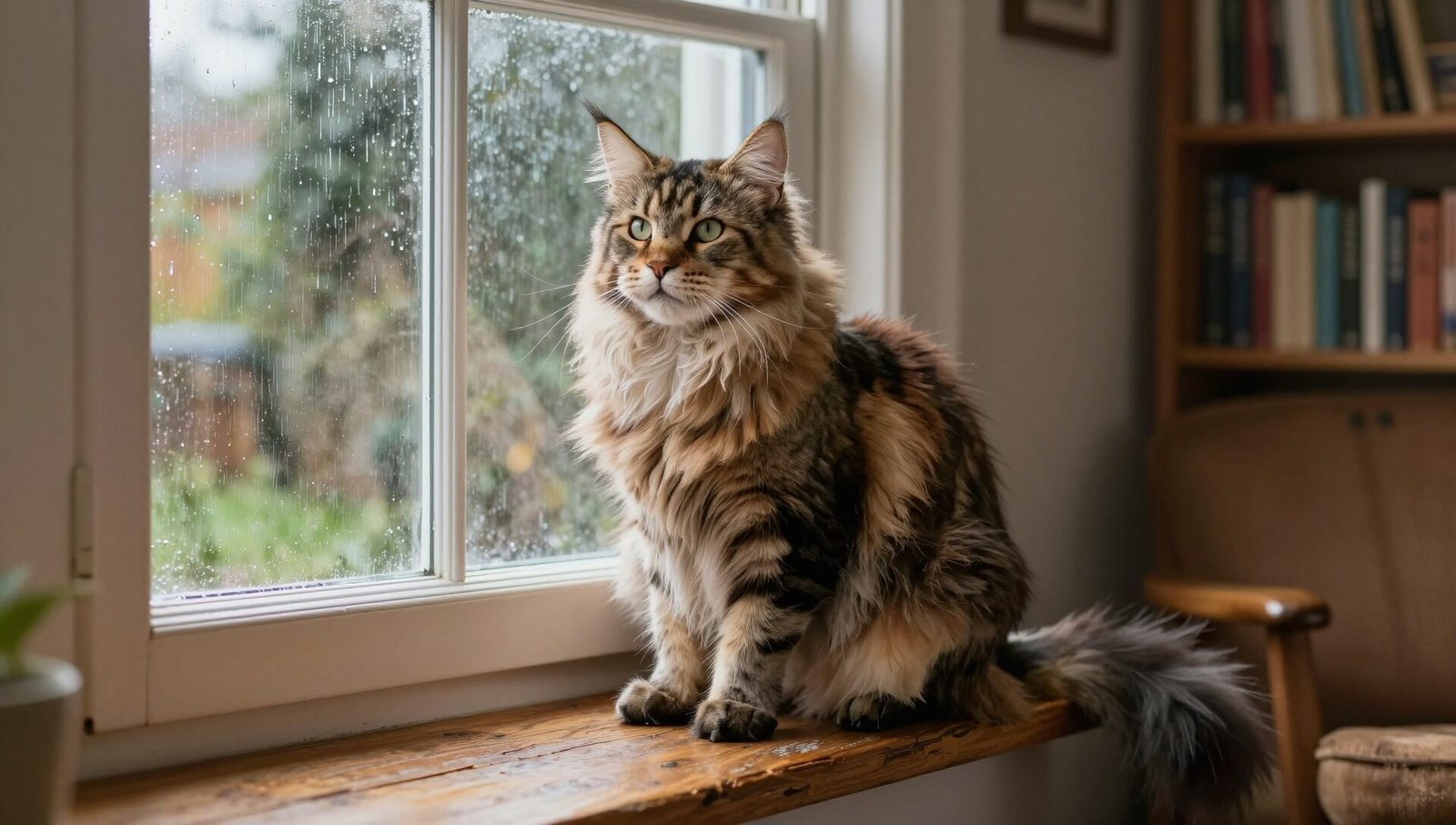
Planning to Maine Coon cats buy? You’re about to embark on a journey with one of the most magnificent felines on the planet. Often referred to as the “dogs of the cat world,” these gentle giants are a breed apart. I still remember the first time I saw a Maine Coon in person; I honestly thought someone had brought a small lynx into the living room! 😺 Their tufted ears, piercing eyes, and impressive size are enough to make anyone fall head over heels.
However, bringing a kitten into your home is a massive commitment. It’s not just about falling in love with a fluffy face online; it’s about understanding their unique needs, temperament, and the logistics of living with a miniature lion. Whether you are a seasoned feline enthusiast or a first-time owner, this guide is designed to give you the honest, practical advice you need. We’ll cover everything from their vocal trills to their grooming needs, ensuring you are fully prepared for the pitter-patter of very large paws.
In this article, we will explore why these cats are so special, how to care for them, and what you really need to know before making that life-changing decision.
The Majestic Gentle Giant: Breed Overview
The Maine Coon is one of the oldest natural breeds in North America, specifically hailing from the state of Maine, where they are also the official state cat. But don’t let their rugged origins fool you; while they might look like they’ve just walked out of a snowy forest, they are absolute sweethearts.
Physical Characteristics: They are big. Really big. We are talking about a cat that can easily weigh between 6 to 11 kg (13 to 24 lbs) and measure over a meter in length from nose to tail tip. They have a rectangular, muscular body, tufted paws that act like natural snowshoes, and a bushy tail that rivals a feather duster.
Temperament: I always tell people that if you want a cat that ignores you, don’t get a Maine Coon. These cats are incredibly sociable, intelligent, and playful. They are known for “trilling” and “chirping” rather than standard meowing. I once had a Maine Coon named Barnaby who would greet me at the door every single day like a loyal retriever. They thrive on companionship and generally get along famously with children, dogs, and other cats.
| Feature | Maine Coon | Typical Domestic Shorthair |
|---|---|---|
| Weight | 6 – 11 kg | 3 – 5 kg |
| Personality | Dog-like, loyal, playful | Independent, varies widely |
| Grooming | High (Daily brushing) | Low (Weekly brushing) |
| Vocalisation | Trills and chirps | Standard meows |
| Lifespan | 12 – 15 years | 12 – 18 years |
Preparing Your Home for a Giant
Before you Maine Coon cats buy, you need to “cat-proof” your home, but with a twist. Because these cats are larger and more athletic than your average moggy, standard cat furniture often won’t cut it.
I learned this the hard way when I bought a standard scratching post for Barnaby. He took one look at it, stretched, and the whole thing toppled over like a Jenga tower. You need heavy, floor-to-ceiling cat trees that can support their weight without wobbling.
Key Preparations:
- Supersized Litter Trays: Don’t even bother with small trays. You need a large, high-sided litter box to accommodate their size and prevent litter from being kicked everywhere.
- Secure Windows: They are climbers. Ensure your windows have secure screens, especially if you live in a flat.
- Hidden Cables: Maine Coon kittens are incredibly playful and curious. I’ve lost count of how many phone chargers I’ve had to replace because they look like snake toys to a kitten.
Remember, a bored Maine Coon is a destructive Maine Coon. They are highly intelligent and require mental stimulation.
Maine Coon Nutrition: You Are What You Eat
Feline nutrition is critical for this breed. Because they grow for much longer than other cats—often not reaching full physical maturity until they are three to five years old—their diet needs to support this extended development.
The Meat of the Matter: Cats are obligate carnivores. This means they must eat meat to survive. When looking at food labels, the first ingredient should always be a named meat source (e.g., “Chicken” or “Salmon”), not “meat derivatives” or grains.
I once tried to switch Barnaby to a cheaper brand to save a few quid, and let’s just say the subsequent digestive protest was something I never wish to repeat. High-quality protein is non-negotiable for maintaining their impressive muscle mass and that glorious coat.
Hydration: Maine Coons are prone to kidney issues, so hydration is key. I highly recommend incorporating wet food into their diet. Many cats are notoriously bad at drinking water. If your cat is a picky drinker, invest in a cat water fountain. The running water mimics a natural stream, and my cats drink significantly more since I got one.
Foods to Avoid:
- Onions and garlic (toxic)
- Chocolate
- Grapes and raisins
- Raw dough
The Fluffy Truth About Grooming
Let’s address the elephant in the room: the fur. When you Maine Coon cats buy, you are signing up for a lifetime commitment to grooming. Their coat is long, silky, and dense, designed to keep them warm in harsh winters.
Brushing Routine: You will need to brush your Maine Coon at least a few times a week, if not daily. I usually do a quick brush while we watch the telly in the evening. If you skip this, you will face mats—painful clumps of tangled fur that can pull on the skin.
Tools of the Trade:
- Slicker Brush: Great for removing loose fur and preventing tangles.
- Wide-tooth Comb: Essential for working through the thick ruff around their neck.
- Mat Splitter: For those stubborn knots that appear behind the ears.
Bathing: Unlike most cats, many Maine Coons actually enjoy water! I was shocked the first time Barnaby tried to join me in the shower. However, they don’t need frequent baths—perhaps once every few months unless they’ve gotten into something messy.
Health and Lifespan
Generally, Maine Coons are hardy cats, but like many purebreds, they are prone to certain genetic conditions. Being aware of these before you Maine Coon cats buy can save you heartache and expensive vet bills down the line.
Common Health Issues:
- Hypertrophic Cardiomyopathy (HCM): This is a heart condition that is common in the breed. Reputable breeders will screen their breeding cats for this.
- Hip Dysplasia: Due to their large size, they can suffer from joint issues.
- Spinal Muscular Atrophy (SMA): A genetic condition affecting the muscles.
Vet Visits and Insurance: Pet insurance is an absolute must. I cannot stress this enough. Vet bills in the UK can skyrocket quickly if surgery is needed. Ensure your kitten has had their first vaccinations and has been microchipped before they come home.
Regular check-ups (at least once a year) are vital to catch any issues early.
Training and Enrichment
If you think you can’t train a cat, you’ve never met a Maine Coon. They are whip-smart and highly trainable.
Litter Training: Most kittens take to the litter tray like ducks to water. However, cleanliness is next to godliness for these cats. If the tray is even slightly dirty, they might turn their nose up at it. I learned to scoop twice a day to avoid accidents on the carpet.
Positive Reinforcement: Use treats and praise. Barnaby learned to “sit” and “high five” within a week using this method. Clicker training works brilliantly for them.
Enrichment:
- Puzzle Feeders: Slow down their eating and engage their brains.
- Interactive Toys: Wand toys are fantastic for bonding.
- Catios: If you have a garden, a secure enclosure (catio) is the best way to let them enjoy the outdoors safely.
Indoor vs. Outdoor Life
In the UK, the debate rages on about whether cats should be indoors or outdoors. For Maine Coons, I lean heavily towards keeping them as indoor cats, or providing a secure outdoor space.
The Risks: Maine Coons are valuable and friendly—they are prime targets for theft. They also lack the “street smarts” of a standard moggie and may wander off or get into trouble with traffic.
The Solution: Leash training! It sounds daft, but Maine Coons can be trained to walk on a harness. It gives them the stimulation of the outdoors without the risks. Alternatively, a “catio” attached to a window or back door is the gold standard for safety and enrichment.
Pros and Cons of Ownership
Before making the final decision to Maine Coon cats buy, weigh up the good with the challenging.
Pros:
- Incredible Companionship: They are loyal and affectionate.
- Good with Families: Great with kids and dogs.
- Playful Personalities: They stay kitten-like well into adulthood.
Cons:
- High Maintenance Grooming: Requires daily effort.
- Cost: They are expensive to buy, feed, and insure.
- Space: They are big and need room to roam and climb.
- Destructive Potential: If bored, they will redecorate your furniture with their claws.
How to Buy Responsibly in the UK
This is perhaps the most important section. The demand for Maine Coons is huge, and unfortunately, this attracts scammers and bad breeders.
Red Flags:
- Price too good to be true: If a kitten is £200, run away. You are likely looking at a kitten mill.
- No Health Checks: A good breeder will show you HCM screening results for the parents.
- Kitten Availability: Reputable breeders often have waiting lists. If they have 10 kittens ready to go immediately, be wary.
The Process:
- Research: Look for breeders registered with GCCF (Governing Council of the Cat Fancy), TICA, or FIFe.
- Visit: Always visit the breeder and see the kitten with its mother.
- Contract: A proper contract should be provided outlining health guarantees.
FAQ
Are Maine Coon cats good pets? Yes, Maine Coon cats are excellent pets known for their sociable, affectionate, and intelligent nature. They have a relaxed personality that makes them great with children and other pets.
How much does a Maine Coon cat cost? In the UK, a Maine Coon kitten from a reputable breeder typically costs between £800 and £1,500. Prices can be higher for show-quality cats or rare colours.
What is the lifespan of a Maine Coon cat? With good care, regular vet check-ups, and a high-quality diet, a Maine Coon cat can live between 12 to 15 years.
Do Maine Coons need a lot of grooming? Yes. Their long, dense coat requires daily brushing to prevent matting. They have a heavy ruff around their neck and tufted paws that need regular attention.
Are Maine Coon cats indoor or outdoor cats? While they can go outdoors, they are best kept as indoor cats or allowed outside in a secure “catio” or on a harness due to their value and friendly nature.
Are Maine Coons vocal? They are very vocal, but not in a loud, annoying way. They are famous for their “trills” and “chirps,” which they use to communicate with their owners.
Do Maine Coons get along with dogs? Generally, yes. Their dog-like, sociable nature means they usually integrate well with cat-friendly dogs, especially if introduced properly.
Conclusion
Deciding to Maine Coon cats buy is a decision that will bring immense joy, laughter, and a fair amount of fur into your life. These cats are truly special creatures with personalities as big as their paw prints. However, they require a dedicated owner who can meet their needs for grooming, nutrition, and companionship.
If you are prepared for the commitment, you won’t just be getting a pet; you’ll be gaining a loyal, chatty, and majestic family member. Take your time, find a responsible breeder, and get ready for the adventure of a lifetime.