If you’ve ever watched your poor moggy sneeze for the tenth time in a row, eyes streaming like they’ve just watched Marley & Me, you’ll know the sinking feeling that comes with feline herpesvirus. I’ve been there — mopping up eye discharge at 2 a.m., Googling remedies in a panic, wondering if I should ring the emergency vet. That’s when my vet first recommended Enisyl-F oral paste for cats, and honestly, it changed everything.
This L-lysine supplement has become a staple in our cat care routine. It’s not a miracle cure (nothing truly is), but it’s one of the most effective tools I’ve found for managing upper respiratory infections, supporting eye health, and giving the immune system a proper leg-up. In this article, I’ll walk you through everything you need to know about Enisyl-F — from how it works to how to get even the fussiest feline to take it.
Whether you’re a seasoned cat owner or you’ve just adopted your first kitten, this guide is packed with practical, real-world advice. I’ll share my own experiences, the good and the messy, and help you decide if this supplement deserves a spot in your feline health toolkit.
What Exactly Is Enisyl-F Oral Paste for Cats?
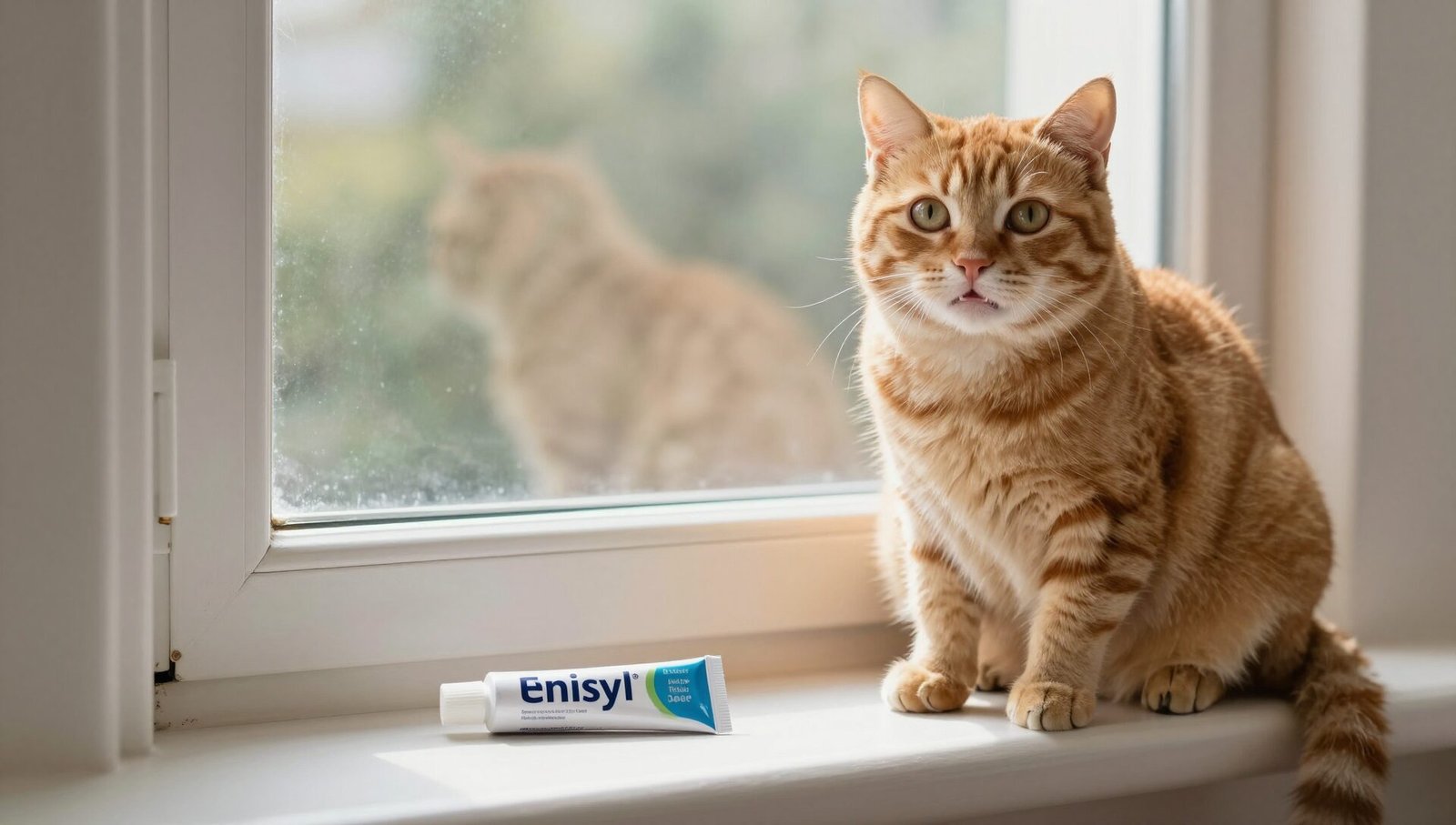
Enisyl-F oral paste for cats is a veterinary-recommended L-lysine supplement made by Vetoquinol. It comes in a 100 ml tube with a handy pump dispenser, making dosing straightforward even when you’ve got a wriggly cat in your arms. The paste itself has a distinct fishy smell — which, let me tell you, is far more appealing to your cat than it is to you.
L-lysine is an essential amino acid, meaning cats can’t produce it naturally. They need to get it from their diet or through supplementation. The clever bit is that L-lysine works by competing with another amino acid called arginine, which feline herpesvirus (FHV-1) needs to replicate. Less arginine available means the virus struggles to multiply. It’s not quite putting the cat among the pigeons, but it’s a neat bit of biochemistry.
The product is classified as a nonprescription cat medication, so you don’t need a vet’s prescription to buy it. That said, I’d always recommend chatting with your vet first — especially if your cat has underlying health conditions. It’s available through most UK pet supply retailers and online shops.
Understanding Feline Herpesvirus (FHV-1) and Why It Matters
Before we dive deeper into the benefits of Enisyl-F, it’s worth understanding what you’re actually dealing with. Feline herpesvirus is incredibly common — studies suggest that up to 90% of cats have been exposed at some point. It’s one of the leading causes of upper respiratory infections in cats, and once a cat catches it, the virus stays in their system for life. Think of it as the feline equivalent of cold sores in humans.
Common Symptoms of FHV-1
- Sneezing (sometimes relentlessly)
- Watery or cloudy eyes
- Nasal discharge
- Conjunctivitis
- Loss of appetite
- Lethargy
The virus tends to flare up during periods of stress — moving house, a new pet, cattery stays, or even a change in routine. I once had a cat who’d flare up every single Bonfire Night because the fireworks stressed her out. Knowing the triggers helped me manage her condition much more effectively.
How L-Lysine Helps Manage FHV-1
L-lysine doesn’t eliminate the virus. Let’s be clear about that. But what it does do is reduce the severity and frequency of flare-ups by inhibiting viral replication. Several veterinary studies support its use, though the evidence is mixed in some quarters. In my experience, the difference is noticeable — fewer sneezing fits, clearer eyes, and a much happier cat.
The Top Five Benefits of Enisyl-F Oral Paste for Cats
Here’s where we get into the meat of it. After using this product across multiple cats over several years, these are the benefits I’ve personally observed and that align with what other cat owners report.
Supports Upper Respiratory Health
This is the big one. Enisyl-F helps reduce symptoms like sneezing, nasal congestion, and watery eyes. When one of my cats developed a nasty upper respiratory infection, the vet recommended L-lysine alongside her other treatment. Within about 36 hours, the constant sneezing had calmed down significantly, and she was eating again.
If your cat has stopped eating because they can’t smell their food (cats rely heavily on scent), getting those nasal passages clear is critical. A cat that won’t eat for more than 24–48 hours can develop hepatic lipidosis, a serious liver condition. So anything that helps them get back to their food bowl is worth its weight in gold.
Promotes Eye Health
Weepy, squinty eyes are one of the hallmark signs of feline herpes. Enisyl-F supports normal eye function and can help reduce ocular discharge. One reviewer shared that their cat’s “weepy eyes improved greatly” after starting the paste — and I’ve seen similar results myself.
For cats prone to recurrent conjunctivitis or corneal ulcers, ongoing L-lysine supplementation can be a game-changer. It won’t replace veterinary eye drops when needed, but it’s a solid supportive measure.
Boosts the Immune System
L-lysine plays a role in overall immune function, making it particularly beneficial for cats with compromised immune systems — including those with FIV (Feline Immunodeficiency Virus). My vet once described it as “giving your cat’s immune system a bit of extra armour,” which I thought was a lovely way to put it.
A stronger immune system means your cat is better equipped to fend off secondary bacterial infections that often piggyback on viral flare-ups. It’s not a substitute for proper veterinary care, but it’s an excellent complementary supplement.
Easy to Administer
The pump dispenser is a stroke of genius. You can give the paste directly into your cat’s mouth, dab it on their paw for them to lick off, or — and this is what works best for my lot — mix it into their wet food. The strong fishy smell actually helps here; most cats find it irresistible.
I’ve tried pill-form L-lysine in the past, and let me tell you, hiding a tablet in a piece of cheese only works until your cat decides cheese is suddenly suspicious. The paste format is far less stressful for everyone involved.
Rapid Results
One of the most impressive things about Enisyl-F is how quickly it can work. Many cat owners, myself included, report noticeable improvement within 24–48 hours for acute symptoms. One US reviewer described their 17-year-old cat going from refusing food and water to eating, drinking, and cuddling within a single day. That’s remarkable.
For chronic management, results are more gradual but no less meaningful. Consistent daily supplementation tends to reduce the frequency of flare-ups over time.
How to Give Enisyl-F Oral Paste to Your Cat
Administration is straightforward, but every cat is different. Here’s what I’ve learned works best.
Methods of Administration
| Method | Best For | Tips |
|---|---|---|
| Direct oral | Cooperative cats | Aim for the side of the mouth, not the back of the throat |
| Mixed with wet food | Fussy eaters | Use a strong-smelling food like fish pâté |
| Dabbed on paw | Cats who resist food mixing | They’ll lick it off instinctively |
| Under the nose | Cats refusing everything else | Works in a pinch, but messy |
Dosage Guidance
The standard recommendation is typically one to two pumps daily for an adult cat, but always follow the instructions on the packaging or your vet’s advice. For acute flare-ups, some vets recommend a higher initial dose that tapers down once symptoms improve.
Getting Fussy Cats to Cooperate
I once had a cat who could detect a supplement in her food from three rooms away. She’d sniff it, give me a look of utter betrayal, and walk off. The trick? Mixing the paste with a small amount of something truly irresistible — a bit of tuna juice, a spoonful of plain Greek yoghurt, or their favourite treat. Start with a tiny amount and work up.
Enisyl-F Compared to Other L-Lysine Supplements
There are several L-lysine products on the UK market, so how does Enisyl-F stack up?
| Feature | Enisyl-F Paste | Lysine Aid Gel | Liquid L-Lysine | Tablet Form |
|---|---|---|---|---|
| Volume | 100 ml | 50 ml | 60 ml | Varies |
| Form | Paste (pump) | Gel (syringe) | Liquid dropper | Tablet/pill |
| Flavour | Fish | Salmon | Chicken | Often unflavoured |
| Ease of use | ★★★★★ | ★★★★ | ★★★ | ★★ |
| Palatability | High | High | Moderate | Low |
| Price (approx.) | £12–18 | £8–14 | £10–15 | £6–12 |
Enisyl-F’s key advantage is its generous volume and the pump dispenser, which makes one-handed dosing possible (a real blessing when you’re holding a cat with the other hand). It’s pricier than some alternatives, but you get more product and a delivery method that most cats tolerate well.
Real-Life Scenarios: When Enisyl-F Makes the Difference
Let me paint you a few pictures from real cat ownership.
The cattery return. Every time my cat came back from the cattery, she’d develop sneezing fits within 48 hours. Stress-induced flare-ups are incredibly common. Starting Enisyl-F a few days before the cattery stay and continuing for a week after made a dramatic difference.
The senior cat. Older cats with weakened immune systems are especially vulnerable. A friend’s 17-year-old tom stopped eating due to a URI. After one dose of Enisyl-F, he was back at his food bowl. It’s not always that dramatic, but it happens.
The kitten with chronic eye issues. Some kittens develop persistent conjunctivitis from early FHV-1 exposure. Daily L-lysine supplementation from a young age can help manage these symptoms long-term.
The multi-cat household. If one cat in your home has FHV-1, there’s a good chance others have been exposed. Some owners supplement all their cats during an outbreak — a sensible precaution in close quarters.
Pros and Cons of Enisyl-F Oral Paste
Pros
- Effective L-lysine delivery for managing FHV-1 symptoms
- Easy-to-use pump dispenser
- High palatability — most cats enjoy the taste
- Generous 100 ml volume
- Nonprescription and widely available in the UK
- Rapid improvement in acute symptoms
- Supports both respiratory and eye health
Cons
- Strong fishy smell (off-putting for humans, though cats love it)
- More expensive than some alternatives
- Not all cats will accept it directly — may need food mixing
- Evidence for L-lysine efficacy is debated in some veterinary circles
- Not a standalone treatment for severe infections — vet care still needed
Tips for Maximising Effectiveness
Over the years, I’ve picked up a few tricks for getting the most out of Enisyl-F.
- Start early. If you spot the first signs of a flare-up — a sneeze here, a watery eye there — begin supplementation immediately. Early intervention consistently produces better results.
- Be consistent. Daily supplementation is more effective than sporadic use, especially for cats with chronic conditions.
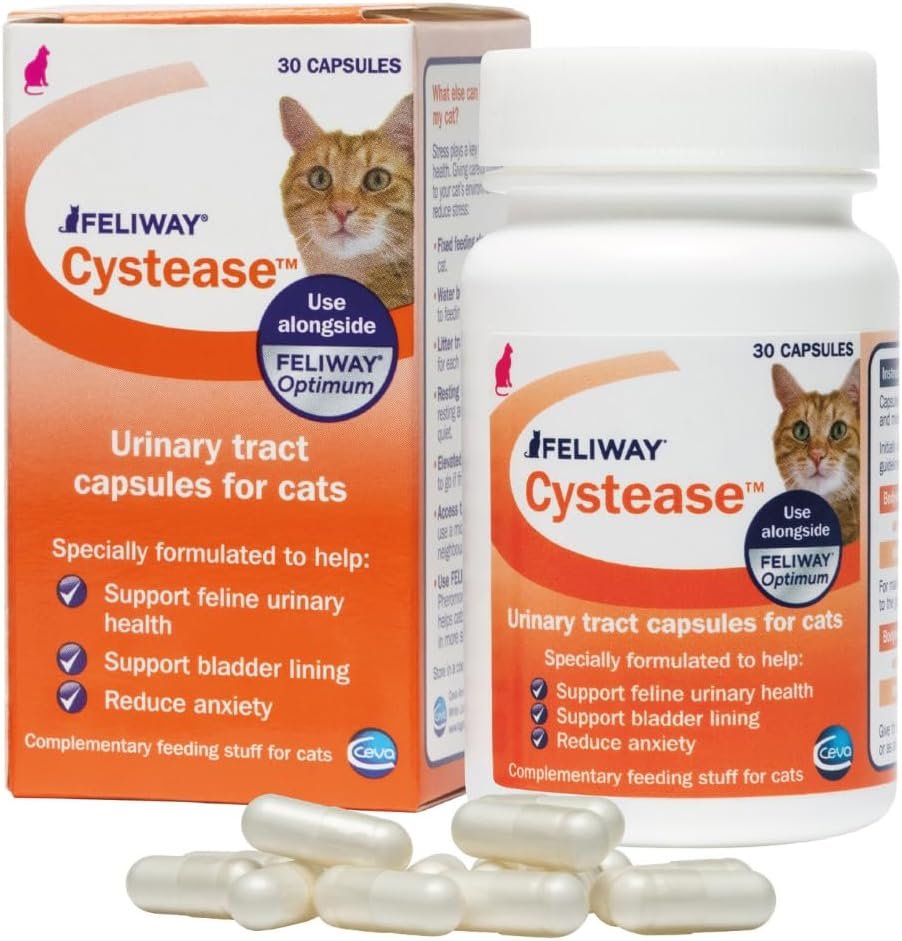
- Reduce stress. Since stress is a major trigger for FHV-1 flare-ups, combine L-lysine with stress-reduction strategies. Feliway diffusers, quiet hiding spots, and maintaining routines all help.
- Store properly. Keep the tube at room temperature, away from moisture. The pump can occasionally clog — a quick wipe with a warm cloth usually sorts it.
- Track symptoms. Keep a simple diary of your cat’s symptoms. It helps you spot patterns and assess whether the supplement is working.
Frequently Asked Questions
Is Enisyl-F oral paste safe for all cats?
Enisyl-F is generally considered safe for cats of all ages, including kittens and seniors. However, I’d always recommend consulting your vet before starting any new supplement, particularly if your cat has kidney issues or is on medication. The product is designed as a nonprescription supplement, but “nonprescription” doesn’t mean “one-size-fits-all.” Every cat is an individual, and your vet knows your cat’s full health history.
How quickly does Enisyl-F oral paste start working?
For acute symptoms like sneezing and watery eyes, many cat owners report noticeable improvement within 24–48 hours. For chronic management, it may take a week or two of consistent daily use before you see the full benefit. I’ve personally seen one of my cats go from constant sneezing to nearly symptom-free within two days. That said, if symptoms worsen or don’t improve within a few days, it’s time to ring the vet.
Can I give Enisyl-F to my cat every day?
Yes, daily supplementation is not only safe but recommended for cats with recurring FHV-1 symptoms or chronic upper respiratory issues. Many vets suggest ongoing daily use for cats who are prone to flare-ups. The dosage on the packaging provides clear guidance, and your vet can adjust this based on your cat’s specific needs. Think of it like a daily vitamin — a small investment in long-term feline health.
What if my cat refuses to eat the paste?
This is more common than you’d think, and it’s not the end of the road. Try mixing the paste with a strongly flavoured food — tuna, sardines, or a favourite wet food usually does the trick. You can also dab it on their paw or just under their nose. Some cats need a few attempts before they accept it. My top tip: warm the food slightly to enhance the smell. Cats eat with their noses first.
Is L-lysine scientifically proven to help with feline herpesvirus?
The evidence is somewhat mixed. Several veterinary studies support L-lysine’s role in reducing viral replication by competing with arginine. However, some recent research has questioned the degree of benefit. In practical terms, many vets still recommend it, and countless cat owners — myself included — have seen real improvement. I’d describe it as a low-risk, potentially high-reward supplement. The worst that typically happens is nothing changes; the best is a significant reduction in symptoms.
Where can I buy Enisyl-F oral paste in the UK?
Enisyl-F is available through most UK online pet retailers, including Amazon, Animed Direct, and various veterinary supply websites. Some brick-and-mortar pet shops also stock it. Prices typically range from £12 to £18 for a 100 ml tube, which lasts roughly three weeks with daily use. It’s worth shopping around, as prices can vary quite a bit between sellers.
Can Enisyl-F replace veterinary treatment?
Absolutely not. Enisyl-F is a supportive supplement, not a replacement for professional veterinary care. If your cat has severe symptoms — difficulty breathing, complete loss of appetite, high temperature, or significant eye swelling — you need to see a vet promptly. L-lysine works best as part of a broader care plan, not as a standalone solution. Think of it as one tool in the toolkit, not the whole toolbox.
Conclusion
If there’s one thing I’ve learned from years of living with cats, it’s that managing feline herpesvirus is a marathon, not a sprint. There’s no magic wand, but there are tools that genuinely help — and Enisyl-F oral paste for cats is one of the best I’ve come across.
It’s easy to administer, most cats actually enjoy the taste (the fishy smell is a feature, not a bug, apparently), and the results speak for themselves: fewer sneezing fits, clearer eyes, better appetite, and a generally happier cat. The pump dispenser is a small design detail that makes a big practical difference, and the 100 ml volume means you’re not constantly reordering.
Is it perfect? No. It’s pricier than some alternatives, the evidence base is debated, and it won’t replace a trip to the vet when your cat genuinely needs one. But as a daily supplement for cats prone to respiratory issues and herpes flare-ups, it’s earned its place on our shelf.
If your cat struggles with recurring symptoms, I’d encourage you to have a conversation with your vet about L-lysine supplementation. And if you do try Enisyl-F, give it time — the best results often come with consistency. Your cat might not thank you verbally, but a purr and a headbutt say more than words ever could. 😺