🐱 Introduction to Gabapentin for Cats Liquid
Gabapentin for cats liquid is a medicine that cat owners in the UK might find really helpful. Gabapentin is a special drug that vets use to help cats feel less pain and to calm them down when they are anxious or stressed. It works well for cats who have long-term pain problems like arthritis or those who get very nervous during visits to the vet or car trips.
The liquid form of gabapentin is especially useful because it can be easier to give to cats who don’t like pills. Sometimes cats refuse tablets, but with liquid gabapentin, you can give the right amount more gently, which helps make the treatment less stressful for both you and your furry friend.
🔑 What You’ll Learn & Why It Matters
- Understanding Gabapentin: Learn what gabapentin is and why it is used in cats for pain and anxiety relief.
- Benefits of Liquid Gabapentin: Know why the liquid form is preferred, especially for smaller or pill-averse cats.
- Safe Use and Side Effects: Discover how to safely administer gabapentin liquid, what side effects to watch for, and when to consult your vet.
💊 What is Gabapentin?
Gabapentin is a type of medicine known as an anticonvulsant and pain reliever. As an anticonvulsant, it helps control seizures, which are sudden bursts of electrical activity in the brain that can cause shaking or other symptoms. As a pain reliever, gabapentin is especially good at reducing neuropathic pain — this is pain that comes from damaged nerves and might feel like burning or shooting sensations.
🇬🇧 What does gabapentin do for cats in the UK?
Gabapentin is commonly used by vets in the UK to help cats in several ways. It treats chronic pain, like arthritis, that some older or unwell cats might have. It also calms cats down before trips to the vet or car journeys, which can be very stressful for them. This sedating effect makes it easier for both cats and their owners during travel or vet visits.
While gabapentin can also be used alongside other treatments to help control seizures in cats, it is not usually used alone for this purpose. Its calming and pain-relieving qualities are what make it valuable for many UK cat owners.
💊 Forms of Gabapentin for Cats
- Tablets or capsules: These are common but can be tricky for some cats to take, especially if they don’t like swallowing pills. Often, the powder inside capsules is mixed with soft food to help cats take it more easily.
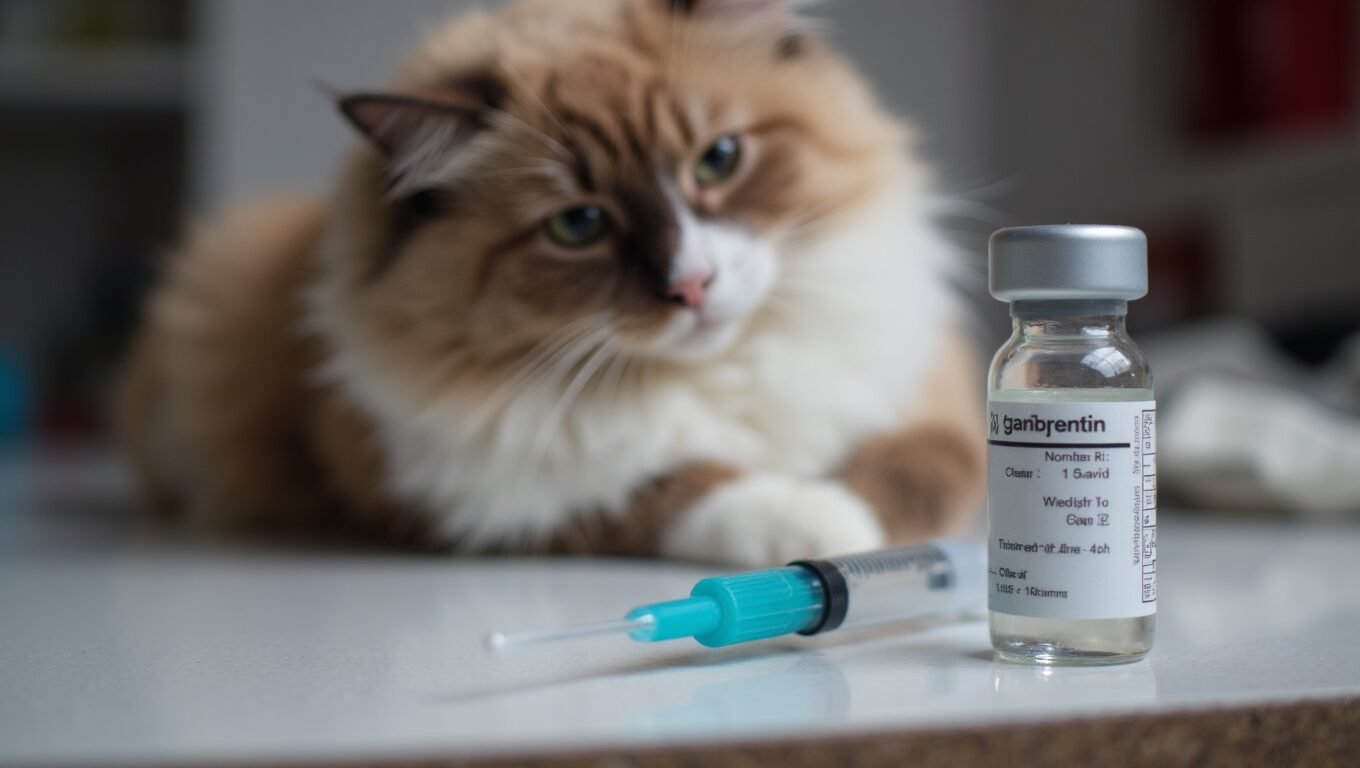
- Liquid (Oral Solution): This is called gabapentin for cats liquid, usually at a concentration of 50 mg/ml. Liquid gabapentin is very important for smaller or picky cats where tablet doses are too big or hard to manage. It can be given by syringe and can be easier to adjust the dose precisely.
- Topical cream or gel: These are less common and usually made by special compounding pharmacies as custom preparations.
💡 Importance of Liquid Gabapentin
The liquid form is especially useful because it allows vets and owners to carefully tailor the dose to each cat’s size and needs. This is important because giving too much can cause strong sedation or unsteadiness, while too little might not help with pain or stress. Liquid gabapentin often needs to be stored in the fridge to keep it fresh and effective.
Some commercial liquid gabapentin contains an ingredient called xylitol, which is safe for cats but toxic to dogs, so households with both pets should be careful with this form.
🧠 How does gabapentin work?
Gabapentin affects the nervous system by calming certain nerve signals that cause pain or seizures. Although its exact way of working isn’t fully understood, it reduces the release of chemicals that excite nerves. This calming effect helps to relieve nerve pain and can also help keep cats relaxed.
—
If your cat is prescribed gabapentin, you’ll usually give it following your vet’s instructions carefully. Whether you’re using tablets, capsules, or liquid, the goal is to manage pain, anxiety, or seizures while keeping your pet comfortable and safe. Always check with your UK vet for the best form and dose for your kitty.
🌟 Benefits of Using Gabapentin for Cats in Liquid Form
Why is liquid gabapentin preferred for dosing smaller cats or those who dislike pills?
Liquid gabapentin is easier to give to cats who are small or don’t like swallowing pills. Instead of struggling to force a tablet down your cat’s throat, you can use a syringe to give the liquid medicine directly into their mouth. This makes dosing simpler and less stressful for both of you. For tiny cats, liquid medicine can also be measured more precisely in small doses, which helps avoid giving too much or too little medication.
How does liquid gabapentin help with neuropathic pain in cats?
Neuropathic pain is pain that comes from nerves or the nervous system, often described as shooting or burning pain. Gabapentin works by calming nerve signals that cause this type of pain. Using the liquid form ensures your cat gets the right amount consistently, which supports better pain control. This is especially useful for chronic conditions like arthritis, making your cat more comfortable.
Why use liquid gabapentin for sedation before vet visits?
Many UK cat owners know how stressful vet visits can be for their kitties. Gabapentin in liquid form can be given at home a few hours before the appointment to gently calm and sedate your cat. This helps reduce fear and stress during handling and examination, making the trip safer and easier. Liquid gabapentin works quickly and allows you to adjust the dose as needed to get just the right calming effect.
How does liquid gabapentin reduce stress during travel?
Car trips or flights can make many cats anxious and scared. A dose of liquid gabapentin a few hours before travel can help your cat relax. This medication reduces anxiety, making your cat less restless and less likely to panic in the carrier. The liquid form makes it easier to dose for cats of all sizes, which is important for travel safety and comfort on journeys in the UK.
—
Using liquid gabapentin in cats offers practical dosing benefits, helps with nerve-related pain, and eases stress during vet visits and travel. It’s a helpful option to discuss with your vet if your cat needs pain relief or calming support.
🧴 How to Safely Use Gabapentin Liquid for Cats
If your vet has prescribed gabapentin liquid for your cat, it’s important to use it safely. Gabapentin is a medication often used to ease chronic pain, calm stress, or help with seizures in cats. Here’s what you need to know to use gabapentin for cats liquid safely at home in the UK.
What Dose of Gabapentin Liquid Should I Give My Cat?
Dosage depends on your cat’s size and why they need the medicine. For most cats, vets recommend doses between 50mg and 100mg per day. This is enough to help with pain or anxiety without causing too much sleepiness. Sometimes vets will ask you to give the medicine twice a day, especially if it’s for pain relief.
Always follow your vet’s exact instructions. Never change the dose on your own. Even if your cat seems better, stopping medication suddenly isn’t advised without vet advice.
How Should I Store Gabapentin Liquid?
The liquid form of gabapentin usually needs to be kept in the fridge, ideally between 2-8°C (36-46°F). This keeps the medicine stable and working well. If left out of the fridge for a few hours, it is generally still safe, but if it’s left out overnight or longer, it may lose effectiveness.
If your vet gives you compounded gabapentin liquid (made specially by a pharmacy), check with them about storage. Some compounded forms might not need refrigeration.
Why Is Following Vet Instructions So Important?
Your vet knows your cat’s health history and condition. Gabapentin can be safe, but it must be given in the right way. Giving too much can cause side effects, while too little may not work. Also, cats with liver or kidney problems need special care because their bodies process the drug slowly.
Talking with your vet if you notice anything unusual is key. If your cat becomes too sleepy or unsteady, your vet might change the dose.
What Side Effects Should I Watch For?
Gabapentin liquid can cause some side effects, though most cats tolerate it well. The most common ones are:
- Lethargy: Your cat might seem very sleepy.
- Ataxia: This means your cat may walk unsteadily or seem wobbly.
These effects usually wear off within 12 hours after giving the medicine. If these side effects are severe or your cat shows weakness or trouble walking, talk to your vet. They might lower the dose to keep your cat safer.
What Precautions Are Needed for Cats with Kidney or Liver Conditions?
Cats with kidney or liver disease process gabapentin more slowly. This means the medicine stays in their body longer, increasing the chance of side effects. It’s very important to tell your vet if your cat has any liver or kidney issues.
Your vet might choose a lower dose or monitor your cat closely for any problems. Never give gabapentin to a pregnant cat unless your vet has approved it.
—
By understanding how to give gabapentin liquid correctly, store it properly, and watch for side effects, you help keep your cat safe and comfortable. Always use gabapentin for cats liquid exactly as your vet says, and keep them informed about how your cat is doing. That way, you can both work together for the best care for your furry friend.
⚠️ Common Side Effects and How to Handle Them
When your cat is given gabapentin in liquid form, it’s usually to help with pain or to calm them down before a stressful event like a vet visit or travelling. Gabapentin is sometimes called a “cat sedation medicine” because it can make cats feel more relaxed. But, like any medicine, it can cause side effects. Let’s look at the common ones and how you can spot and handle them.
What Are Common Gabapentin Side Effects in Cats?
Sedation (Sleepiness):
Your cat may seem very tired or sleepy after taking gabapentin. This is normal because the medicine helps calm them down — sometimes that means they just want to nap more than usual.
Wobbliness or Ataxia:
Gabapentin can cause wobbly walking or trouble keeping balance. This effect is called ataxia, meaning the cat’s coordination is off. You might see your cat stumble or sway a little when walking.
Lethargy:
Lethargy means your cat may be less active or playful than usual. They might hide or seem unwilling to move around as much.
These side effects usually start within a couple of hours after giving the medicine and wear off within 8 to 12 hours. Gabapentin side effects in cats usually aren’t dangerous if the dose is right, but they can be worrying to watch.
How Do You Recognise These Side Effects?
Keep an eye on your cat after the first few doses, especially if it’s the first time they are taking gabapentin. Look out for:
– Excessive sleeping or difficulty waking up
– Trouble walking or a “wobbly” gait
– Weakness or reluctance to jump or climb
– Any signs of distress, like crying or vocalising unusually
Sometimes feeling a bit off is expected if your cat is taking gabapentin as a sedation before a vet appointment or travel, but sudden or severe changes should be noticed.
What Should You Do If You Notice Side Effects?
If your cat is a bit sedated or wobbly but still responsive and seems comfortable, give them space to rest. Make sure they are in a safe area where they won’t fall or hurt themselves.
If side effects seem very strong, or if they last longer than expected, contact your vet. Also reach out if your cat:
– Falls repeatedly or seems very uncoordinated
– Stops eating or drinking
– Shows signs of severe distress or pain
– Has any unusual behaviour that worries you
Your vet might adjust the dose or give you advice specific to your cat’s health.
Tips for UK Cat Owners Managing Gabapentin Side Effects
- Always follow your vet’s instructions exactly. Gabapentin doses are carefully decided to balance helping your cat with limiting side effects.
- If your cat is older or has kidney or liver problems, they may process the medicine slower, so side effects might last longer.
- Gabapentin liquid must be refrigerated if it’s a commercial 50mg/ml form, so keep it chilled between 2-8°C as instructed to keep it effective.
- Avoid giving gabapentin with other sedatives unless your vet says it’s OK.
- Keep your cat indoors and in a safe environment during times when they might feel sedated or unsteady.
When Is It Time to Call Your Vet?
Contact your vet if:
– Your cat’s sedation or wobbliness is severe or suddenly worse
– You see signs of allergy like swelling, face rubbing, or trouble breathing (very rare)
– Your cat refuses food or water for more than 24 hours
– Behaviour changes or side effects do not improve within 12-24 hours
– You have any questions or concerns about your cat’s dose or overall health
Your vet is your best resource to help your cat stay comfortable and safe while using gabapentin.
—
Remember, gabapentin is a useful cat sedation medicine and pain treatment, but it’s normal to see some side effects like sleepiness or wobbliness. By watching your cat closely and keeping an open line with your vet, you can make sure your feline friend is safe and cared for while using this medication. If anything feels off, don’t hesitate to reach out for help.
❓ Frequently Asked Questions about Gabapentin Liquid for Cats
How often should I give gabapentin to my cat?
Gabapentin dosing for cats usually depends on why your vet prescribed it. For pain management, it’s common to give gabapentin every 12 hours, but sometimes vets ask for every 8 hours if needed. When it’s used to calm your cat before stressful events like vet visits or travel, vets often recommend giving it the night before and then again 2 to 3 hours before the event. Always follow your vet’s instructions because the dose can vary based on your cat’s size and health.
How long does gabapentin last in cats?
After giving gabapentin, you’ll often see its effect last roughly 8 to 12 hours. This means if you are giving it for calming or pain relief, the medicine should help for most of the day or the duration of a stressful situation like a car trip. Side effects like sleepiness or unsteady walking usually start to wear off within 12 hours.
Does gabapentin liquid need to be refrigerated?
If you have liquid gabapentin for your cat, storage depends on the type. The commercial liquid gabapentin (usually 50mg/ml) should be kept in the fridge at around 2 to 8 degrees Celsius (36-46°F). Some reports say it stays okay for up to 7 days out of the fridge if the temperature isn’t higher than about 30 degrees Celsius (85°F), but it can lose some of its strength.
If you use compounded gabapentin liquid (made specially by a pharmacy), storage rules might be different. Compounded versions may or may not need refrigeration depending on how they were prepared. The best advice is to check with your vet or the pharmacy that supplied it for the exact storage instructions.
What is the typical gabapentin dose for cats?
Most cats are given a dose between 25mg and 100mg of gabapentin. For calming doses, vets usually don’t exceed 100mg per cat. For pain relief, doses also stay within this range but follow your vet’s advice to keep your cat safe.
Can gabapentin cause side effects in cats?
Yes, gabapentin can cause some side effects, but they usually wear off within a day. The most common ones are sleepiness (lethargy) and unsteady walking (called ataxia). These effects are sometimes helpful when gabapentin is used as a sedative but can be unwanted if the dose is too high. If your cat seems too drowsy or clumsy, talk to your vet about adjusting the dose.
What if I forget to refrigerate my cat’s liquid gabapentin?
If the commercial liquid gabapentin was left out of the fridge for a short time, like a few hours, it’s usually still fine to give. However, if it was left out overnight or longer, it might lose some of its effectiveness. This won’t make it dangerous, but it might not work as well. If this happens, checking with your vet is the safest step.
Can I use gabapentin long-term for my cat?
Gabapentin is often used safely over long periods, especially for chronic pain like arthritis or to help reduce stress-related behaviors. There are no known specific long-term side effects when dosing is managed properly, but regular vet check-ups are important to make sure your cat stays healthy.
What should I do if I’m unsure about dosing or storage?
Your vet is the best source of advice for gabapentin dosing for cats and how to store liquid gabapentin safely. Always follow their instructions and ask them if you have any questions or concerns about how to give the medication or keep it right at home.
—
If you are using gabapentin liquid for your cat or considering it, keep these simple points in mind about dosing frequency, how long it lasts, and how to store it. Following your vet’s guidance will help keep your cat comfortable and safe.
❤️ Conclusion: Caring for Your Cat with Gabapentin Liquid
Using gabapentin liquid for your cat can be a helpful way to manage pain or reduce stress during vet visits and travel. It’s a medication that is generally safe when given under the guidance of a UK veterinarian. The key is careful dosing tailored to your cat’s size and health needs, and watching how your cat reacts to the medicine.
Always follow your vet’s instructions closely. Since every cat is different, your vet will help find the right dose to balance comfort without causing too much sedation or other side effects. Keep an eye on your cat when giving gabapentin liquid, especially when starting or adjusting the dose, and talk to your vet if you notice anything unusual.
Remember, your vet in the UK is the best person to give advice on gabapentin use and dosing for your specific cat. Consulting them ensures your furry friend stays safe and comfortable with the right care. Together, we can help your cat feel better while keeping their health and happiness a top priority.