🐾 Introduction to Chausie Cats in the UK
You might be wondering, are chausie cats allowed in the UK? That’s a great question because these cats are a little different from your typical pet. Chausie cats are a unique breed that comes from crossing domestic cats with wild jungle cats called servals. They have a wild look but a friendly personality, which makes them quite interesting.
In this article, we’ll explore whether chausie cats are legal to own in the UK. We’ll also share what makes them special, such as their appearance and behavior. Plus, we’ll tell you where you can find them if you’re thinking about adding one to your family. This introduction will get you started on understanding this fascinating breed and their place in the UK.
🔑 What You’ll Learn & Why It Matters
- Legality of Chausie Cats in the UK: Understanding laws prevents legal issues and ensures responsible ownership.
- Physical and Behavioral Traits: Knowing their unique traits helps in proper care and compatibility assessment.
- Where to Find Chausie Cats: Guidance on sourcing from reputable breeders or adoption centers supports ethical pet ownership.
⚖️ Are Chausie Cats Allowed and Legal in the UK?
What are Chausie Cats and Why Does Their Legality Matter?
Chausie cats are a hybrid breed made by crossing a domestic cat with a wild jungle cat called the “Jungle Cat” (Felis chaus). Because they carry wild genes, people often wonder if owning these cats is legal or restricted in certain places like the UK. The law treats them differently than normal house cats because of their wild ancestry.
Is It Legal to Own Chausie Cats in the UK?
Yes, you can own Chausie cats in the UK, but there are some important rules to know. The UK law focuses on the “Dangerous Wild Animals Act 1976”. This law controls animals that are considered dangerous or that come from wild species.
Chausie cats that are more domestic, like those several generations removed from the wild jungle cat, are usually treated like regular pets. But the very first generation hybrids (called F1) are closer to wild animals, so rules apply to them specifically.
What About F1 Chausie Cats?
The “F1” means “first generation,” referring to the first cross between a wild jungle cat and a domestic cat without other domestic generations mixed in. Because F1 Chausies have stronger wild traits, the UK treats them more like wild animals.
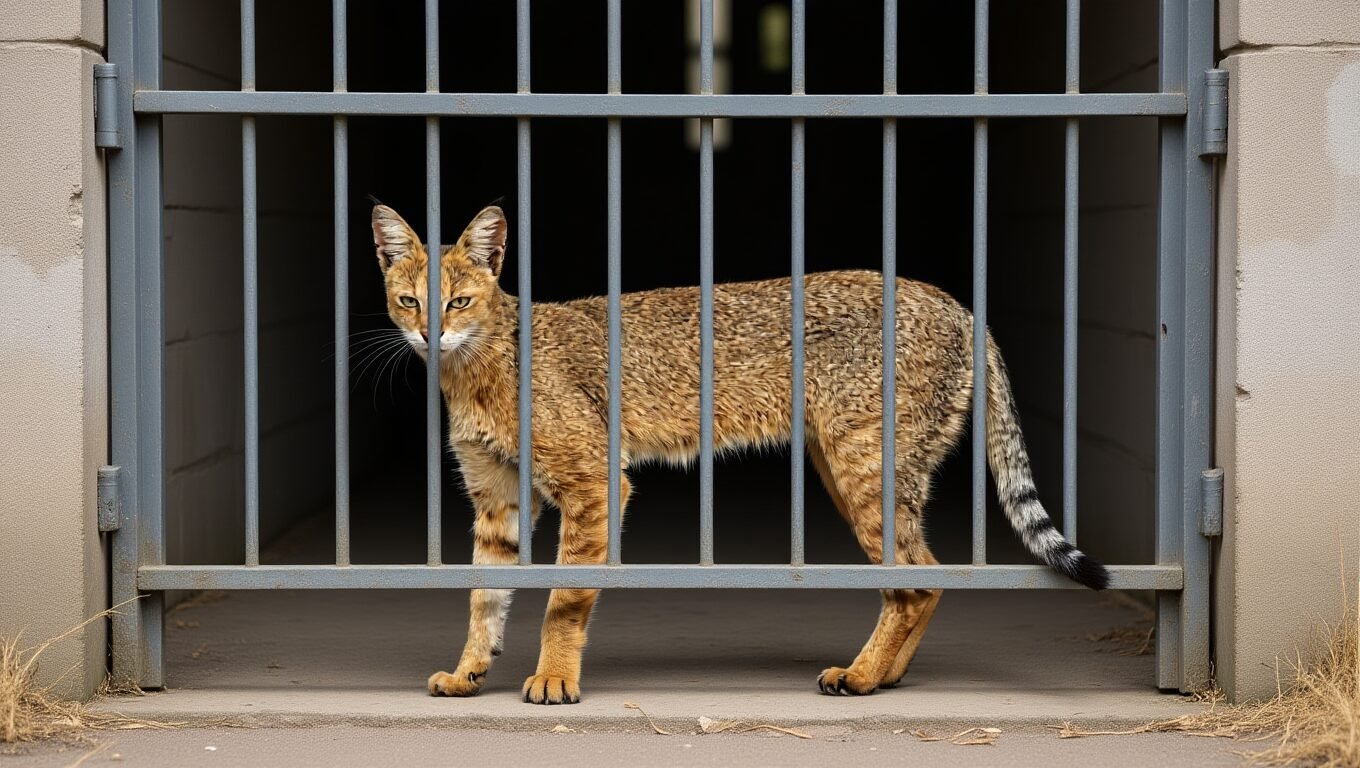
- F1 Chausie cats are generally not allowed to be kept as pets without a special license.
- To keep an F1 Chausie, you need to apply for a dangerous wild animal license from your local council.
- The council will check your home and conditions to ensure the cat is safely housed and does not pose a risk to people or other animals.
Are There Special Requirements for Owning Chausie Cats?
For generations beyond F1 (like F2, F3, or more), Chausies are often treated as regular domestic cats. Still, owners must:
- Register the cat as a pet.
- Provide good care and housing.
- Follow any local council rules for pet ownership.
For F1 cats, the special license requires you to keep the cat in a secure environment and meet strict safety standards. You might also have to have insurance and allow inspections.
Where Can You Find Reliable Information?
- The UK Government website on the Dangerous Wild Animals Act 1976 explains the rules for owning wild and hybrid animals.
- Your local council office can tell you if you need a license for a Chausie cat.
- Breed-specific organizations or rescue groups can share practical advice and the legal status of Chausie cats.
What Should Prospective Owners Do?
If you’re thinking about getting a Chausie, especially an F1:
- Check with your local council about licensing rules.
- Make sure you understand the care and safety needs of hybrid cats.
- Consider adopting a later-generation Chausie that is fully domestic.
- Seek guidance from vets and breed experts to provide safe, healthy homes.
Owning a Chausie can be rewarding, but making sure you follow the law keeps you and your cat safe.
Source: BBC News on Dangerous Wild Animals Act 1976 and exotic pet licensing in UK
Source: BBC News on animal welfare and licensing
Source: UK Government Dangerous Wild Animals Licensing Guidance
🐆 What Do Chausie Cats Look Like?
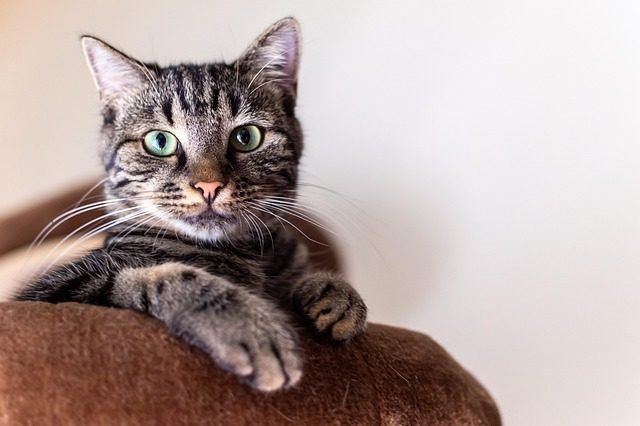
Chausie cats have a wild, striking look that’s hard to miss. They have long legs and a lean, athletic body that shows off their wild heritage. Their fur usually has a short to medium length and might be spotted or have a ticked pattern, kinda like a wild jungle cat.
📏 Are Chausie Cats Bigger Than Domestic Cats?
Yes, chausie cats are generally bigger than your regular domestic cats. The average house cat weighs around 8 to 10 pounds, while a chausie can weigh between 15 and 25 pounds. They also stand taller with long legs, which makes them look more like they’re built for jumping and running compared to most domestic cats.
🦌 Can a Chausie Cat Be the Size of a Serval?
Now, about size, servals are wild African cats, much bigger than domestic cats and chausies. A serval can weigh around 20 to 40 pounds and can be up to 24 inches tall at the shoulder. Some very large chausie cats approach the lower end of this size range, especially in height, but they usually don’t match the full size or weight of a serval. So while a chausie cat can grow big, it’s rare for one to be as big as a serval.
🔍 Distinct Physical Traits of Chausie Cats
Chausies have ears that are large and pointed, often with a little tuft of hair at the tips. Their eyes are almond-shaped and can be green, gold, or hazel. Their body is muscular but slim, giving them a fast and graceful look. Their tails tend to be medium length, sometimes with a black tip or rings.
In short, chausie cats are bigger than domestic cats but usually not as large as servals. They combine the wild features of their serval ancestors with the domestic cat’s friendly nature, making them look wild yet approachable.
❓ Are Chausie Cats Dangerous?
You might wonder, “Are chausie cats dangerous?” These cats are a mix between a domestic cat and the wild jungle cat, so their behavior can stand out. But dangerous? Not really. They’re usually playful, curious, and energetic. That wild side means they can be a bit more active and sometimes a little more unpredictable than your average house cat. Still, they’re not aggressive by nature.
Chausies can develop strong bonds with their owners. They like attention and play hard but can get stressed if left alone too long. Like with any pet, how they behave depends a lot on how they’re raised and treated. If they’re treated with care and trained well, they won’t be dangerous. They just need a bit more activity and mental stimulation than some other cats.
🤧 Are Chausie Cats Hypoallergenic?
Now, about allergies — you may ask, “Are Chausie cats hypoallergenic?” This means, do they cause fewer allergy symptoms than other cats? The answer is a bit tricky. No cat is fully hypoallergenic, but some breeds bother allergy sufferers less.
Chausie cats are considered to be somewhat hypoallergenic because they shed less hair and dander, which are common allergy triggers. Their wild ancestry gives them a short, fine coat that can reduce allergens. But, if you’re sensitive to cat allergies, you might still react to a Chausie.
If you want to test how you react, spend time around a Chausie before deciding. Also, regular grooming and keeping your home clean helps a lot with allergy symptoms.
In short, Chausies aren’t dangerous if cared for properly, and they might be a better fit for people with allergies compared to many other breeds. Just remember, getting to know their nature is key to a happy pet and owner relationship.
Source: BBC expert opinion on hybrid exotic pets safety and behaviour
Source: UK Veterinary information on cat allergies and hypoallergenic breeds
🐱 Where to Buy a Chausie Cat in the UK
How Can You Find a Reputable Chausie Cat Breeder?
Looking for a Chausie cat breeder? Start by searching for breeders who specialize in Chausie cats and are registered with recognized feline organizations. These groups set standards and often require ethical breeding practices. You can use websites of cat associations like The Governing Council of the Cat Fancy (GCCF) to find breeders.
Good breeders will be open about their cats’ health, lineage, and living conditions. They often invite you to meet the kittens and their parents in a clean, caring environment. Before buying, ask for health certificates and vaccination records. This shows they care about the kitten’s well-being.
Can You Adopt a Chausie Cat Instead?
Chausies are rare, so adoption centers might have fewer of them. But it’s worth checking with specific cat rescues or shelters that sometimes have pedigree or hybrid cats for adoption.
Visit websites of local animal shelters or cat rescues and ask directly if they have or can direct you to a Chausie cat. This could be a way to give a cat a loving home while avoiding the cost of buying.
What Should You Consider Before Getting a Chausie Cat?
Chausie cats are active, intelligent, and social, and they often need a lot of interaction. They may not suit owners who are away for long hours.
Think about your lifestyle and living situation. Do you have time, space, and energy to care for a lively cat? What about other pets? Some cats live better together than others.
Check if your home is cat-safe, and make sure you understand the cat’s dietary and exercise needs. Talking to breeders or rescue workers about care specifics can help you prepare.
Are There Legal Things You Need to Check?
In the UK, selling animals requires the seller to be registered or licensed under local regulations. Ask to see this proof from the breeder or seller.
Make sure the cat has a microchip and proper vaccination and health records. This protects you and the cat. Avoid sellers who cannot provide these documents or seem reluctant to answer questions.
How Do You Stay Safe When Buying a Chausie Cat?
Trust your gut feeling. If something feels off or rushed, take a step back. A trustworthy breeder or adoption center will not pressure you and will welcome your questions.
Take your time researching. Check for reviews or references from past buyers. Consult cat-focused forums or groups to hear others’ experiences.
You’ll feel better knowing you’ve chosen a happy, healthy Chausie that fits well with your life.
Source: The Governing Council of the Cat Fancy (GCCF) UK – Finding Registered Cat Breeders
Source: RSPCA UK – Adopting Cats and Cat Welfare
🍽️ Additional Tips and Recommendations for Chausie Cat Owners
What kind of diet should a Chausie cat have?
Chausie cats are active, so they need a diet full of protein to keep their energy up. Most Chausie owners recommend feeding high-quality wet or dry cat food made from real meat like chicken or fish. Avoid foods with too many fillers like corn or soy because they don’t give much nutrition. Some owners add a little cooked meat or fish as treats, but always check with a vet first.
How active is a Chausie cat and what activities do they enjoy?
Chausies are very playful and smart. They like games that challenge their mind and body, like fetch or puzzle toys. Many owners say their Chausie loves climbing, so cat trees or shelves are great to keep them busy. Regular play sessions each day prevent boredom and help burn off their energy in a positive way.
How much space does a Chausie cat need?
Even though they can adapt to flats, Chausies do best with some room to run and explore. Taller spaces and vertical areas help since they like climbing and jumping. If you don’t have a garden, consider building a “catio” (a safe outdoor enclosure) so they can enjoy fresh air safely.
What common health concerns do Chausies have?
Chausie cats are generally healthy, but some can have issues like heart or kidney problems. Experienced owners suggest regular vet check-ups and keeping an eye on their weight because overweight cats can face more health risks. Brush their coat weekly to keep it healthy and check their ears and eyes for any signs of infection.
What do experienced Chausie owners recommend?
Many owners stress the importance of patience when training or socializing your Chausie. These cats are intelligent but sometimes independent, so using positive reinforcement (like treats and praise) works best. They also mention keeping a consistent routine helps the cat feel safe and comfortable.
This mix of good nutrition, enough activity, plenty of space, and attentive health care helps your Chausie thrive in the UK. Remember, each cat is unique, so watch your Chausie closely and adjust as you learn what they like and need.
Source: UK Veterinary advice on cat nutrition and care
Source: Royal College of Veterinary Surgeons (RCVS) UK – Healthy pet care advice
🔚 Conclusion: Summary on Owning Chausie Cats in the UK
Chausie cats are striking pets with their wild look and athletic build. They have sleek bodies, big ears, and beautiful spotted coats that make them stand out. Their energetic and playful nature means they need plenty of attention and exercise. They’re friendly but can be shy with strangers, so socializing them early is important.
In the UK, Chausie cats’ ownership is allowed as long as the legal rules are followed. They are not endangered or restricted animals, but you should always check for updated local regulations. When buying a Chausie, choosing a responsible breeder who tests for health issues and offers socialized kittens is key.
If you meet the legal requirements and can provide a loving, active home, a Chausie cat can be a fantastic companion. Their unique look and lively personality make them a special pet for the right family. Taking care of them responsibly helps ensure a happy life for both you and your new furry friend.