🐾 Bengal Cats: Heritage and Insights
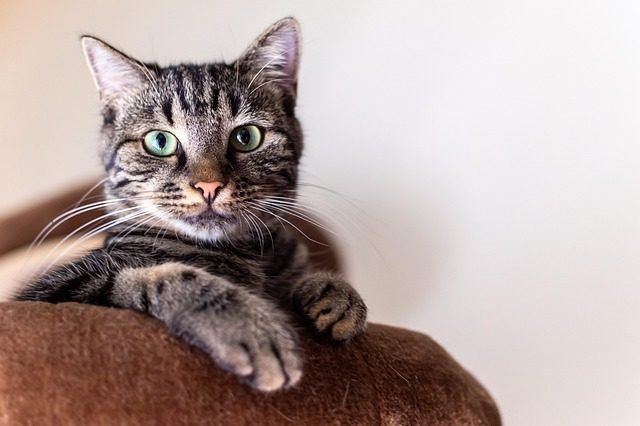
Bengal cats are a captivating breed born from the crossbreeding of wild Asian leopard cats and domestic felines. This crossbreeding results in their distinctive leopard-like coat and charming temperament. Originating in the 1960s, they have become increasingly popular for their striking appearance and playful nature.
This article will guide Bengal enthusiasts through their unique heritage, importing Bengals to New Zealand, adopting, purchasing, breeding, and registering these exquisite cats. It provides comprehensive insights for owners and breeders alike.
🧬 Origin of Bengal Cats
Bengal cats were developed in the 1960s by crossing the Asian leopard cat (Prionailurus bengalensis) with domestic cat breeds such as Abyssinians, Burmese, and Egyptian Maus. This created a beautiful hybrid with a wild yet domestic temperament.
The early work of breeders, most notably Jean Mill in the United States, focused on selectively mating these hybrid cats to gradually enhance the desired coat patterns and colours. They also ensured a friendly temperament suitable for household life.
Over successive generations, Bengal cats were bred from Bengal-to-Bengal pairings, a process that retained their exotic aesthetic appeal but established them as fully domesticated cats free from wild behavioural traits. This controlled lineage enables Bengal cats to conform to standards set by recognised feline organisations such as The International Cat Association (TICA) and the Governing Council of the Cat Fancy (GCCF), which meticulously document breed characteristics and pedigrees.
Genetically, the Bengal’s unique glitter gene gives the fur a distinctive sheen not commonly found in other breeds. The breed standard emphasises this trait alongside a robust, muscular build and a lively temperament.
For breeders and owners, understanding the Bengal’s origins is essential to preserving these breed standards and ensuring the health and wellbeing of the cats they care for. This heritage underscores the balance of wild beauty and domestic charm that makes Bengals both a challenging and rewarding breed.
Source: Bengal Cats New Zealand FAQ
🔑 What You’ll Learn & Why It Matters
- Heritage Insight: Learn the fascinating history and unique genetic traits that define Bengal cats, making them distinct among domestic felines.
- Import and Regulation: Understand the stringent regulations required for importing Bengals to New Zealand, safeguarding both pet health and national biosecurity.
- Breeding and Adoption Guidance: Gain knowledge about ethical breeding practices, adoption options, and how to find reputable breeders, ensuring the welfare and quality of Bengal cats.
✈️ Importing Bengal Cats to New Zealand
Importing Bengal cats to New Zealand is legal but involves strict regulations including import permits, health clearances, and quarantine periods to preserve biosecurity. The Ministry for Primary Industries (MPI) governs these processes.
Prospective owners must apply for an import permit prior to shipment. Cats imported must be at least nine months old to satisfy health and biosecurity standards.
Each cat must be microchipped for identification, fully vaccinated in accordance with MPI requirements, and genetically classified as “Stud Book Tradition” (SBT). This means they are five generations removed from any wild ancestors, thereby affirming their domestic lineage.
Upon arrival, Bengal cats generally undergo a mandatory quarantine period of a minimum of 10 days at an approved facility. This quarantine ensures the animals do not introduce diseases into New Zealand’s unique ecosystem.
Cats arriving from Australia are exempt from quarantine, provided they comply with biosecurity measures stipulated by MPI. It is imperative to utilise professional pet export services to navigate this complex process smoothly.
Experienced exporters are well-versed in MPI’s detailed import procedures and biosecurity protocols. This significantly reduces risks of delays or non-compliance. Strict adherence to MPI’s guidelines protects both the health of the imported Bengal and New Zealand’s environment.
For detailed, authoritative guidance, the MPI website offers comprehensive resources on bringing cats into New Zealand, including step-by-step import requirements and legal obligations.
Source: Ministry for Primary Industries
🏠 Adoption & Rehoming Bengal Cats
Options include rescues and platforms dedicated to Bengal cats, providing Bengal lovers the opportunity to adopt and rehome these beautiful cats. Adopting a Bengal cat presents a rewarding opportunity to provide a loving home to these striking and energetic felines.
Although Bengal-specific rescues like Bengal Rescue operate primarily in the United States, UK adopters can benefit from international platforms such as Petfinder and Adopt-a-Pet which occasionally list Bengals available for adoption. When considering adoption, it is crucial to examine profiles thoroughly: look for detailed information on temperament, veterinary health records, and evidence of good socialisation, ensuring the cat has been cared for in a nurturing environment.
Adoption offers significant benefits over purchasing through breeders, including supporting rescue efforts and often encountering cats with known histories and established temperaments. To facilitate a smooth transition, prepare a calm and stimulating home environment suited to a Bengal’s active nature, with plenty of playtime and mental enrichment.
Rescue success stories demonstrate how these adaptable cats thrive when given love and patience. Prospective owners should connect with respected organisations to gain guidance and ensure responsible adoption, thereby enriching both the cat’s and owner’s lives.
🌱 Becoming a Bengal Cat Breeder
Becoming a reputable Bengal breeder requires experience, health testing, mentorship, and providing excellent care for breeding cats. Serious enthusiasts should begin by gaining hands-on experience, ideally by showing altered (neutered/spayed) Bengals at cat shows. This involvement helps build connections and credibility within the Bengal community.
Once confident, prospective breeders purchase breeding-quality Bengals—intact males and females with pedigrees meeting breed standards. Key responsibilities include providing excellent veterinary care, maintaining a clean and safe birthing environment, and performing genetic testing for hereditary conditions such as Progressive Retinal Atrophy (PRA-b), Pyruvate Kinase Deficiency (PK-def), and Hypertrophic Cardiomyopathy (HCM).
Mentorship under established breeders is invaluable. Experienced mentors guide newcomers through breeding program planning, including mate selection to preserve the Bengal’s signature spotted or marbled coat and robust temperament. A thorough understanding of Bengal breed standards, genetics, and breeding ethics is essential.
To solidify credibility, breeders should pursue certification and join recognised breed organisations like The International Bengal Cat Society (TIBCS) or The Bengal Connection (TBC). These bodies offer resources, codes of ethics, and breeder directories. Expect a realistic timeline of several years to build knowledge, develop breeding lines, and meet industry standards.
Source: Bengals New Zealand FAQ
📄 Registering as a Bengal Cat Breeder
Breed associations and clubs offer certification and registration services to ensure ethical and professional breeding practices. Becoming a registered Bengal cat breeder involves commitment to ethical breeding standards and compliance with both national and international regulations.
A crucial first step is joining dedicated breed associations such as The International Bengal Cat Society (TIBCS) and The Bengal Connection (TBC). These organisations provide essential resources including codes of ethics, directories of reputable breeders, and structured certification programmes.
Registration with esteemed cat registries such as The International Cat Association (TICA) and the Cat Fanciers’ Association (CFA) is equally important. These bodies require submission of pedigrees, health documentation, and breeder information to formalise breeder credentials and maintain transparency.
Through such registrations, breeders uphold integrity and accountability, enhancing the reputation of their breeding programmes. Practical steps include providing verified health clearances, complying with breed standards, and engaging in mentorship within the community to ensure sustainable breeding practices.
Source: The Bengal Connection | Source: TICA | Source: The International Bengal Cat Society
🛒 How to Buy or Purchase a Bengal Cat
Purchasing from responsible breeders guarantees health-tested Bengals with proper documentation and socialisation. Pet-quality Bengals in the UK typically range from £1,200 to £2,500, while show-quality cats or those with rare colours command premium prices, often exceeding £3,000.
Only purchase from breeders who provide clear health testing results for genetic conditions such as hypertrophic cardiomyopathy (HCM), progressive retinal atrophy (PRA-b), and pyruvate kinase deficiency (PK-def). Reputable breeders will offer health guarantees, early socialisation, and full registration paperwork from recognised associations like the Governing Council of the Cat Fancy (GCCF) or The International Cat Association (TICA).
Contracts establishing the responsibilities of both buyer and seller are crucial for transparency and protection. Practical buying tips include visiting the breeder’s home environment, meeting the kitten’s parents, and confirming health certifications. Trusted breeder listings can be found via breed club websites or feline associations specialising in Bengals, which also verify ethical breeding practices.
📝 Registering Your Bengal Cat
Registration through organisations like TICA and CFA secures your Bengal’s pedigree and official recognition. Registering your Bengal cat is essential for confirming pedigree legitimacy, enabling show eligibility, and enhancing resale value.
To begin, gather your breeder slip or certified three-generation pedigree. Organisations such as The International Cat Association (TICA), the Cat Fanciers’ Association (CFA), and the Governing Council of the Cat Fancy (GCCF) offer registration services.
Use TICA’s online registration system, the Total Feline Management System (TFMS), for straightforward submission. Registration fees vary but typically range from £20 to £50. Upon acceptance and fee payment, you will receive an official registration certificate via email or post. Follow each registry’s step-by-step instructions carefully for a smooth process.
Source: TICA – How Do I Register My Cat?
🐱 Should You Adopt a Bengal Cat?
Bengal cats demand active, engaged care environments and suit owners prepared for their energetic and intelligent nature. They are an exceptional choice for potential owners seeking a lively and intelligent feline companion.
Known for their high activity levels and social nature, Bengals thrive in environments offering ample mental and physical stimulation. Prospective adopters must be prepared to engage with their Bengal regularly, providing interactive toys, climbing structures, and safe spaces for exploration.
Their unique affinity for water and playful energy demands owners who appreciate these traits and can accommodate their spirited personality. Ideal owners often have prior cat experience, a lifestyle that supports interactive play, and a calm household to balance the Bengal’s exuberance.
They benefit from multi-pet homes or those with structured daily routines. Adopting a Bengal fosters companionship, but it carries responsibilities such as ensuring environmental enrichment, routine health checks, and patience during adjustment periods.
By understanding these factors, Bengal enthusiasts can make informed decisions that promote the well-being of these striking and intelligent cats.
🔍 What to Look for in a Bengal Cat Breeder
Look for health testing, ethical practices, socialisation, and transparent documentation to ensure a quality Bengal kitten. Selecting a reputable Bengal cat breeder is crucial to ensure a healthy, sociable, and well-adjusted kitten.
Key criteria include comprehensive genetic and health testing of breeding cats, covering conditions such as hypertrophic cardiomyopathy (HCM), progressive retinal atrophy (PRA-b), pyruvate kinase deficiency (PK-def), and infectious agents like FIV and FeLV. These tests safeguard against hereditary diseases and infectious illnesses.
Ethical breeders adhere to recognised codes—such as those from The Bengal Connection (TBC) and The International Cat Association (TICA)—which govern breeding practices, minimum breeding age, and transparency in health records. A responsible breeder prioritises early socialisation, raising kittens in a nurturing home environment with consistent human interaction, ensuring balanced temperament and adaptability.
Documentation is paramount: verify authentic registration papers and pedigrees, examine breeder contracts detailing health guarantees and transfer terms. Buyers should request proof of health clearances and insist on visiting the breeder’s premises or virtual tours to confirm living conditions.
Experienced breeders recommend thorough vetting of breeders through associations, online reviews, and direct communication to build trust.
🌍 Where to Buy in the U.S.
A list of reputable Bengal breeders is available by region, aiding potential buyers in locating healthy, well-bred Bengals. For Bengal cat enthusiasts in the United Kingdom interested in acquiring a Bengal from the United States, several reputable regional breeders are recognised for their commitment to quality and health standards.
In California, Arkham Bengals and Cali Bengals stand out with their TICA-registered, health-tested Bengals raised in family environments. Illinois’ Chicago area boasts Chicagobengal, established in 1998, and Legacie Bengals, both noted for extensive breeding experience and adherence to ethical practices.
In the Pacific Northwest, Washington State offers Epsilon Bengals (the oldest cattery in the state), Vengalicat Bengals, and Divinus Pride Bengals—all maintaining strict health guarantees and active participation in breeding clubs. Potential buyers should also consider trusted online platforms like GoKitty, PetzLover, and PetClassifieds for local listings of Bengal cats, enabling searches for Bengals “near me.”
It is critical to avoid offers priced below $500, as these are often signs of scams or unethical breeders. Verification of breeder reputation can be achieved through requesting proof of health screenings (e.g., HCM, PRA-b), parent pedigrees, contracts with health guarantees, and club memberships such as TICA or The Bengal Connection.
These efforts align with recommendations from well-established U.S. breeders and breeder organisations, helping ensure a responsible and satisfying Bengal cat purchase.
Source: Bengal Cat Club California Breeders
Source: PetClassifieds California Bengals
Source: Chicagobengal
Source: Epsilon Bengals
Source: GoKitty Bengal Listings
📚 Summary
Bengal cats, originating from crossings with the Asian leopard cat in the 1960s, are now a beloved domestic breed. UK enthusiasts should prioritise ethical purchasing from reputable breeders who conduct essential health tests and provide transparent documentation.
Importing requires adherence to strict regulations, while adoption remains a commendable option. Prospective breeders must embrace responsibilities and register with recognised cat associations.
Informed ownership and respecting breeder ethics ensure Bengal cats thrive in caring homes, enriching the broader Bengal community.