🐾 Introduction
What makes a Bengal cat truly unique is its striking combination of wild beauty and friendly domestic nature. This breed stands out with its leopard-like spots and glittering coat, making it special among cats. Bengal cats are known for their energetic, intelligent, and social behavior.
This article will explore their distinct traits, care needs, temperament, and ownership tips to help cat lovers understand and enjoy these remarkable pets. Source: The Spruce Pets
Bengal cats stand out because of their unique and special qualities that come from their hybrid origins. They are a mix between the wild Asian leopard cat and domestic cat breeds like the Egyptian Mau and Abyssinian. This mix makes Bengals look wild and beautiful but still have the friendly, loving nature of house cats.
This is one of the main things that makes Bengal cats different from regular cats. One of the most noticeable features is their coat. Bengal cats have a beautiful pattern that looks like the spots or marble swirls on a leopard.
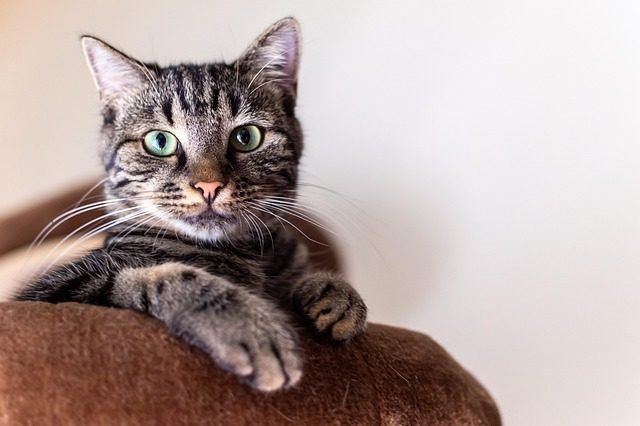
Their fur often shines with a glittery sparkle, which is rare and special among cats. They also have a distinctive “M” shaped mark on their forehead. Their bodies are muscular and strong, with broad chests, long tails, and big hind legs, giving them an athletic look and great agility.
These special features are recognized by cat breed standards, showing just how unique Bengals are. Their unusual coat, body shape, and wild ancestry answer the question of what makes Bengal cats so special. These traits make them stunning to look at and fascinating to care for, making them a favorite for people who want a beautiful and smart pet.
🔑 What You’ll Learn & Why It Matters
- Distinctive Physical Traits: Bengal cats have unique wild-like coats and muscular bodies that appeal to lovers of exotic pets.
- Special Temperament and Care: Their intelligent and social nature requires active engagement and tailored care for a happy life.
- Ownership Insights: Understanding their history, growth, and needs ensures a rewarding experience for Bengal cat owners.
🐱 Physical Appearance and Coat Types
When considering what should a Bengal cat look like, several striking features define this breed’s unique appearance. Bengals exhibit a medium-to-large, athletic build characterized by strong hind legs, a broad chest, and a long, ringed tail. Their muscular stature reflects their hybrid ancestry, originally crossed with the Asian leopard cat, lending them an exotic wild look combined with domestic agility.
Adult Bengals typically reach weights between 8 to 18 pounds, with males generally larger than females, and stand about 16 inches tall. Regarding what type of coat does a Bengal cat have, the breed is famous for its short, dense, and often cashmere-like fur that boasts either spotted or marbled patterns evocative of wild leopard markings. Their coat frequently displays a shimmering “glitter” effect, enhancing the striking visual appeal.
Common colors range from brown, silver, and snow variants. In addition to the basic spotted and marbled coat patterns, Bengals may show an “M” shape on the forehead, a trait linked to their wild heritage. When exploring what types of Bengal cats are there, you find primarily two recognized types: the spotted Bengal, showcasing clear rosettes or spots, and the marbled Bengal, featuring swirling, marble-like patterns.
These varieties offer both aesthetic diversity and are the foundation for Bengal cat breeding standards worldwide. In summary, Bengals combine a robust, athletic frame with a uniquely textured and patterned coat, making them one of the most visually captivating domestic cat breeds. Source: The Spruce Pets
😺 Temperament and Personality Traits
Bengal cats are renowned for their unique temperament and vibrant personality traits. If you’re wondering what temperament Bengal cats have, expect a blend of intelligence, high energy, and social affection that sets them apart from other breeds. Their hybrid origins link them to the wild Asian leopard cat, contributing to their striking looks and lively nature.
These traits influence how they interact with their environment and owners, offering a dynamic and engaging pet experience. Bengal cats are exceptionally intelligent and energetic. They display playful curiosity and can be trained to fetch, solve puzzles, and even walk on a leash.
This breed’s high activity level means they require plenty of stimulation to keep boredom at bay. Socially, Bengals are affectionate but in a unique way—they tend to follow their people, offer head bumps, and communicate through various vocalizations like chirps and trills. Unlike lap cats, they often prefer interactive play or sitting close by rather than being held.
Knowing what to expect with a Bengal cat helps owners prepare for frequent engagement and play sessions daily. Experts emphasize the importance of environmental enrichment, including climbing spaces and interactive toys, to accommodate their active minds and bodies. Bengals thrive in homes where their social and vocal nature is welcomed, and where mental stimulation is a priority.
Understanding these temperament characteristics is critical for providing optimal care and ensuring a rewarding relationship with your Bengal companion. Source: The Spruce Pets
🧒 Growth, Development, and Life Stages
Bengal cats reach their full size between 18 to 24 months, with males typically weighing 10–18 pounds and females 8–12 pounds. So, if you’re wondering “when are Bengal cats fully grown” or “when is a Bengal cat fully grown,” the answer is generally by two years of age. Behaviorally, Bengals remain highly active and playful through their first year but often start to settle down around 2 to 3 years old, addressing the question “when do Bengal cats settle down.”
It’s important for owners to note that spaying or neutering is best done around 5 to 6 months of age, which helps moderate hormonal behaviors while supporting healthy development. During growth, Bengals need ample stimulation, climbing spaces, and social interaction. Understanding these key growth stages helps prospective and current owners provide optimal care, ensuring Bengals mature into well-adjusted, confident adults.
🌡️ Care Requirements and Ideal Environment
Bengal cats thrive best when their environment caters to their unique needs. Addressing “what temperature for Bengal cats” is vital; these felines comfortably adapt to typical indoor household climates, ideally maintained between 68°F to 75°F. While their dense coats grant some cold tolerance, minimizing exposure to drafts and temperatures below 45°F is essential to prevent discomfort.
Providing steady warmth in cooler settings promotes their well-being. When considering “what sort of cat beds do Bengals like,” options that combine comfort and durability work well. Heated beds such as the K&H Thermo-Kitty provide gentle warmth, an excellent aid in chilly environments.
Elevated hammock beds and enclosed felt nests offer cozy, secure retreat spaces aligning with Bengals’ love for climbing and sheltering. Beds should be spacious enough (over 20 inches) to accommodate their active, muscular build. Bengals’ high energy necessitates ample daily physical and mental stimulation.
Providing climbing structures like cat trees and shelves satisfies their natural inclination to explore vertically. Interactive toys, puzzle feeders, and daily play sessions of 15–30 minutes help channel their intelligence and prevent boredom. Creating a warm, engaging, and enriched environment ensures Bengal cats remain happy and healthy indoors.
🏠 Ownership Expectations and Considerations
If you’re considering adopting a Bengal cat, it’s vital to understand what to know about Bengal cats to ensure this breed suits your lifestyle. Bengals are known for their high energy levels and intelligent nature, making what to know about owning a Bengal cat especially important for prospective owners. These cats demand daily mental and physical stimulation; without adequate activity, they can become bored and exhibit behavioral challenges.
Expect to dedicate at least 15 to 30 minutes each day to interactive play sessions involving climbing structures, puzzle toys, and fetch games that cater to their agility and curiosity. Bengals are also notably vocal and social. They often communicate through chirps and meows and tend to form strong attachments, following their owners around and engaging in interactive behaviors rather than typical lap cuddling.
Preparing your home should involve creating vertical spaces, secure play areas, and providing durable toys to satisfy their active temperament. Training Bengal cats is rewarding due to their intelligence—they respond well to positive reinforcement and can learn tricks, leash walking, and commands. Establishing consistent care schedules that blend play, rest, and exploration helps keep these cats balanced.
Expert breeders and experienced owners emphasize the importance of understanding these needs before adopting. As one owner shares, “Bengals are like having a playful, curious companion who thrives on interaction.” Being prepared for their unique energy and social requirements is key for a harmonious relationship.
In summary, what to know before getting a Bengal cat hinges on recognizing their need for dedicated engagement, social interaction, and a stimulating environment that supports their physical and mental well-being. Source: The Spruce Pets
📜 Origins, History, and Naming of Bengal Cats
Bengal cats have a fascinating hybrid origin. They were first bred in the late 1960s by crossing the wild Asian leopard cat (Prionailurus bengalensis) with domestic cat breeds such as the Egyptian Mau and the Abyssinian. This unique mix was designed to capture the exotic wild look of the leopard cat while keeping a friendly and trainable domestic temperament.
So, where are Bengal cats from? Their ancestry traces back to Asian leopard cats in Asia combined with various domestic cats originating mostly from the United States and Europe. When were Bengal cats first bred? The intentional breeding began in the 1960s and continued through the 1970s with breeders aiming for health, temperament, and stunning spotted or marbled coats.
Why are they called Bengal cats? The name “Bengal” comes from the Asian leopard cat’s scientific name, Prionailurus bengalensis, referencing their wild roots while highlighting their distinctive spotted coat reminiscent of leopards. Source: Wikipedia
🐅 Summary
Bengal cats are unique for their wild ancestry, striking coat, and high intelligence. What makes a Bengal cat special is their energetic, social nature requiring active play and mental stimulation. They thrive in engaging, structured homes where owners provide warmth, companionship, and interactive care.
Prospective owners will find Bengals rewarding and lively companions. Source: The Spruce Pets