🐾 Bengal Cats and Their Relationship with Water
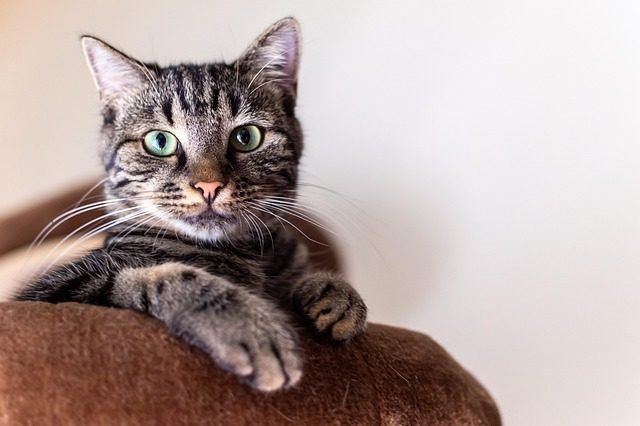
Bengal cats are a striking breed known for their wild appearance and energetic personality. But can Bengal cats swim? Unlike many domestic cats, Bengals often show a unique fascination with water, sometimes enjoying play in sinks, baths, or even pools.
This curiosity is linked to their ancestry, as they descend from Asian leopard cats, a species comfortable in watery habitats. Vet-reviewed sources and reputable breed profiles confirm that many Bengals enjoy water-related activities, though not all will take to swimming or baths. Their sleek coats dry quickly, helping make water interaction more tolerable for them.
Bengal cats’ affinity for water, combined with their playful and athletic nature, sets them apart from other cats. This introduction previews a detailed discussion on Bengals and water behaviour, how fast they can run, how high they can jump, and how best to exercise them. These insights are drawn from up-to-date, vet-reviewed research to help UK Bengal cat owners better understand and care for their lively companions.
🔑 What You’ll Learn & Why It Matters
- Bengal cats and water affinity: Understand their unique fascination with water due to wild ancestry and individual preferences, which helps owners safely engage their cats with water activities.
- Physical capabilities: Learn about Bengals’ running speeds and jumping heights based on vet-reviewed data, debunking myths and providing realistic expectations.
- Exercise and enrichment: Discover effective ways to meet Bengals’ high energy needs with interactive play, climbing structures, and optional water play to promote their health and wellbeing.
💧 Bengals and Their Affinity for Water
Unlike many typical domestic cats that tend to avoid water, Bengal cats often show a marked fascination with it. Many Bengals enjoy playing in sinks, pawing at flowing faucets, or even hopping into baths or showers alongside their owners. This unusual interest in water is widely documented by veterinary experts and breed enthusiasts alike and is believed to stem from their ancestry.
Bengals are a hybrid breed, descended from the Asian leopard cat (ALC), a wild feline species known for its comfort around water. Additionally, their sleek, short coats dry relatively quickly, making water contact less uncomfortable than it might be for breeds with denser fur. Owner surveys suggest that roughly 80% of Bengals engage in frequent water play.
However, it is important to recognise that not all Bengals share the same enthusiasm for water. While many may enjoy splashing in shallow water or watching running taps, this does not automatically mean they appreciate baths or swimming. Some Bengals dislike being fully immersed or have little interest in actual swimming. Therefore, owners should observe their cat’s individual preferences and never force a Bengal into water.
🏊♂️ Swimming Ability and Bathing Preferences
Some Bengal cats can swim if introduced gradually and in a controlled, positive environment. Starting with shallow water and gentle encouragement can help some cats build confidence, but this varies widely from one individual to another. Full swimming sessions are not a necessity for Bengal cats and should always be supervised closely.
When it comes to bathing, Bengal cats generally do not require frequent washing. Those who enjoy water baths do so on their own terms, but many prefer minimal contact. Baths should be reserved for occasions when they are truly necessary, such as if the cat gets dirty or has a skin condition.
Using cat-specific shampoos and ensuring the water is lukewarm are vital to keep the experience low stress. This careful approach helps maintain the condition of a Bengal’s coat and reduces anxiety associated with bathing.
🍼 Introducing Bengals to Water Safely
The best age to introduce Bengal kittens to water varies slightly by source, but gentle familiarisation can begin between eight and twelve weeks old. During this time, owners might introduce their kittens to running water or allow brief, shallow water play sessions. Full baths are better delayed until around three months of age, using kitten-appropriate products and ensuring warmth throughout the process.
Supervision is crucial whenever water is involved, especially for young or inexperienced Bengals. Avoid hot tubs or pools treated with chemicals, and never force your cat into water. Short, positive experiences are key to fostering a healthy relationship with water without causing fear or distress.
For owners interested in gentle water interaction or playing with water as enrichment, options like supervised tub time, shallow basins, or cat water fountains can be engaging and safe. Monitoring your cat’s behaviour will help you tailor activities to their comfort level.
🏃♂️ Bengal Cats’ Running Speed
Bengal cats are renowned for their agility and athleticism, traits that set them apart from many other domestic breeds. When it comes to running speed, Bengals can reach impressive bursts of speed up to approximately 30 miles per hour (around 48 km/h). This sprinting ability allows them to cover short distances rapidly, typically up to 50 to 100 metres, making them excellent hunters and playmates.
It’s important to clarify some common misconceptions. Despite occasional claims, Bengals do not run as fast as 40 miles per hour. Vet-reviewed studies and authoritative sources about domestic cats’ physical capabilities consistently place the upper speed limit closer to 30 mph. This figure matches the documented top speed for most domestic cats, which usually range between 25 and 30 mph.
Bengals’ athletic nature is evident in their muscular build and energetic behaviour, but their speed remains within the typical domestic cat spectrum. The Bengal’s sprinting prowess is complemented by remarkable jumping skills, with many able to leap 5 to 6 feet high, sometimes even reaching 8 or 9 feet. This combination of speed and jumping ability supports their reputation as highly active cats.
🤸 Jumping Ability of Bengals
Bengal cats are renowned for their striking athleticism, particularly showcased in their impressive jumping ability. On average, a healthy adult Bengal can leap vertically about 5 to 6 feet (approximately 1.5 to 1.8 metres), which translates to roughly five to six times their body length. Some exceptional individuals even manage to clear heights of 8 to 9 feet in a single bound, demonstrating their extraordinary physical capabilities.
The biomechanics behind these leaps involve a combination of strong hind leg muscles, a lightweight frame, and remarkable flexibility. Bengals’ muscular build and lean physique allow them to generate significant power and propulsion from their hindquarters. Additionally, their spinal flexibility enables an extended range of motion, facilitating longer, higher jumps.
These jumping skills reflect their physical fitness and their evolutionary heritage, with Bengals descending from the Asian leopard cat, known for agility and climbing prowess. Owners are encouraged to support this natural behaviour by providing ample climbing opportunities and interactive play to maintain their cat’s agility and muscle tone.
🎾 Exercise Needs and Enrichment for Bengal Cats
Bengal cats are renowned for their high energy levels and exceptional intelligence, traits that demand a dynamic and engaging lifestyle to ensure their health and happiness. Owners in the United Kingdom seeking to enrich and exercise their Bengals should aim for multiple daily interactive play sessions, each lasting between 15 and 30 minutes, accumulating to approximately one hour of active engagement per day.
🧠 Understanding the Bengal Cat’s Needs
Bengals are athletic and inquisitive, requiring both mental and physical stimulation. Their ancestry from the Asian leopard cat contributes not only to their unique coat and striking appearance but also to their affinity for activity and, often, water. This breed thrives with a variety of enrichment options that challenge their keen minds and agile bodies.
🧸 Interactive Play and Toy Recommendations
Engaging a Bengal through play is crucial. Suitable toys include wand toys, which allow for chasing and pouncing, fetch toys to stimulate retrieval instincts, and flirt poles that mimic prey movement to satisfy their hunting drive. Scheduling two to four sessions daily helps manage their energy and reduces behavioural issues stemming from boredom.
🏞️ Environmental Enrichment
Vertical climbing structures are essential for Bengals, reflecting their natural climbing and surveying tendencies. Tall cat trees, wall-mounted shelves, and window perches provide stimulating viewpoints and exercise opportunities. Puzzle feeders further enhance mental stimulation by encouraging problem-solving during feeding times.
💦 Water Play Enrichment
Many Bengals display a fascination with water, attributed to their wild ancestry. If your Bengal enjoys water, incorporating supervised water play can be an excellent form of enrichment. Safe methods include shallow basins for paw play, cat fountains for interactive drinking, or gentle tub play, always ensuring the water is lukewarm and sessions are short to prevent stress.
However, it is important to recognise that not all Bengals like water baths, so bathing should be infrequent, gentle, and limited to necessity, using cat-appropriate products.
⚠️ Physical Capabilities and Safety
Bengals can sprint at speeds up to 30 mph (approximately 48 km/h) in short bursts and can jump vertically about 5 to 6 feet (1.5 to 1.8 metres), with some exceptional individuals reaching up to 8 or 9 feet. This athleticism underscores the need for a spacious and stimulating environment to accommodate their capabilities safely.
🩺 Practical, Expert Advice
Veterinary-reviewed sources recommend structuring Bengal exercise around multiple interactive play sessions daily, environmental enrichment, and considering individual personality and preferences, especially regarding water interaction. Introducing Bengals to water should begin gently and only after approximately 8 to 12 weeks of age, with full baths reserved for later and performed only as necessary, ensuring a stress-free experience.
By investing time and resources into tailored exercise and enrichment routines, Bengal owners contribute significantly to the physical health, mental wellbeing, and overall quality of life of their remarkable feline companions.
📋 FAQ Summary for Bengal Cats
Bengals & Water: Swimming, Baths, and Affinity – Bengal cats often show notable interest in water, likely due to their Asian leopard cat ancestry. Many enjoy playing with water, though not all appreciate baths or swimming. Gradual, supervised exposure from around 8–12 weeks is advised. Use gentle, cat-specific products and avoid frequent bathing to protect their coat.
Running Speed – Bengals are agile sprinters, typically reaching speeds up to around 30 mph (48 km/h) in short bursts. Claims of 40 mph are unsupported by credible veterinary literature.
Jumping Ability – Bengals commonly jump 5–6 feet (1.5–1.8 m), about five to six times their body height, with some exceptional cats reaching 8–9 feet. Their athleticism matches well with this range.
Exercise Needs – Require multiple daily interactive play sessions (15–30 minutes each) featuring climbing, chasing, and puzzle toys. Vertical space such as cat trees and shelves is essential for physical and mental health. Supervised water play may add enrichment if the cat enjoys it.
Quick Answers to Your Questions
- Can Bengal cats swim? Some will, especially with gradual introduction; individual preference varies.
- Do all Bengal cats like baths? No; interest in water does not equal bath tolerance.
- Do Bengal cats like water? Many do, more than average cats, due to wild ancestry and coat traits.
- How fast do Bengals run? About 30 mph; 40 mph is a myth.
- How high do Bengals jump? Typically 5–6 ft, occasionally up to 8–9 ft.
- How to exercise a Bengal? Multiple short daily play sessions, vertical climbing structures, mental enrichment tools, and supervised water play if preferred.
- At what age can a Bengal be introduced to water? Gentle familiarisation after 8–12 weeks; full baths later as needed.
- Why do Bengals like water? Due to their Asian leopard cat heritage and their active, curious nature.
Sources
- Hepper – Do Bengal Cats Like Water?
- Cats.com – How Fast Can a Cat Run
- Catster – Do Bengal Cats Like Water
- Chewy – How High Can Cats Jump
- The Vet Desk – Do Bengal Cats Like Water?
- The Vet Desk – How Fast Can a Cat Run?
- Untamed – Do Bengal Cats Like Water?
- Royal Bengal Cattery – Bengal and Water
- Belle Ami Bengals – Do Bengal Cats Like Water?
- Bengal Cat Owners Facebook Group
- Reddit r/bengalcats – Bengal Kitten Water Likes
- VCA Animal Hospitals – Bengal Cat Breed