🐾 Bengal Cats: Striking Pets with Lively Personalities
Bengal cats are captivating pets known for their striking appearance and lively personality. For Bengal cat owners and enthusiasts wondering, are Bengal cats good pets, the answer is generally yes, provided their need for attention and mental stimulation is met. These intelligent, affectionate cats thrive in active homes where they can engage in play and exploration.
Understanding their unique traits helps owners provide the best care for these remarkable companions, setting the stage for detailed insights ahead.
🔑 What You’ll Learn & Why It Matters
- Bengal cats as good pets: Feedback highlights their intelligence and need for mental stimulation.
- Appearance and patterns: Feedback clarifies the diversity of Bengal coat patterns and colours.
- Care and health requirements: Feedback underscores Bengal cats’ specialized needs and maintenance.
🐈⬛ Bengal Cats: Temperament, Patterns, and Care
According to Chewy Education, are Bengal cats good pets? The answer is a confident yes, provided the owner understands their demanding needs. Bengals are remarkably intelligent and trainable cats, capable of learning tricks, walking on a leash, and responding well to interactive play.
Their social nature means they form strong bonds with their families and actively seek attention, making them affectionate companions in a uniquely playful way.
In the United Kingdom, where pet care standards emphasise both physical and mental well-being, Bengal cats require considerable mental stimulation and daily engagement to remain content. Without appropriate enrichment such as stimulating toys, climbing structures, and social interaction, Bengals can become bored, leading to destructive behaviour or excessive vocalisation. Their high energy levels and curiosity mean they thrive in homes where their adventurous spirit is supported.
Expert opinions from UK-based veterinary professionals and feline behaviourists often highlight that Bengals are best suited for owners who have experience with active breeds and can dedicate time to mental and physical exercise. They do well in homes with children, provided interactions are supervised, ensuring gentle handling and socialisation from an early age. While Bengals are hybrid descendants of wild Asian leopard cats, modern Bengals (four generations or more removed from wild ancestors) are fully domesticated with no legal restrictions in the UK.
Their exotic appearance often draws attention, but they behave like domestic cats requiring responsible care. In summary, Bengal cats can make excellent pets in the UK when their intelligence, social needs, and activity are met with patience, attention, and engagement.
🎨 Bengal Cats: Coat Patterns and Appearance
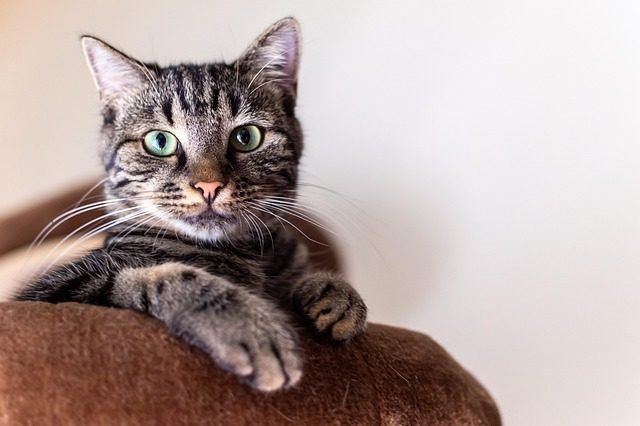
Bengal cats are renowned for their striking appearance, which often leads to questions such as, “are all Bengal cats spotted?” The answer is no; not all Bengal cats have spotted coats. While the classic and most recognised pattern in Bengals is the spotted or rosetted coat, marbled patterns are equally accepted and popular among enthusiasts and breeders alike.
The spotted coat features distinct dark markings against a lighter background, often resembling the pattern of a wild leopard. Meanwhile, the marbled pattern is characterised by swirls and horizontal streaks, creating a fluid, flowing look that contrasts with the defined spots.
Colour variants recognised by authoritative breeders and cat registries, such as The International Cat Association (TICA), include brown spotted, snow spotted, silver spotted, along with variations in the marbled category. Other less common but distinct patterns like charcoal and melanistic Bengals also exist, adding to the breed’s rich diversity.
For Bengal cat lovers and potential owners, understanding these coat variations helps in correctly identifying the breed and appreciating the range of their exotic beauty. The distinctive markings enhance their popularity, contributing to their reputation as one of the most visually stunning domestic cat breeds.
🐾 Personality and Behavioural Traits of Bengal Cats
Bengal cats are renowned for their striking appearance and distinctive personality traits that set them apart from many other domestic cat breeds. When considering “are Bengal cats adventurous,” the answer is a resounding yes. Bengals are highly adventurous, thriving on exploration, climbing, and interactive play.
Their natural curiosity and energy make them excellent companions for owners who can offer plenty of mental and physical stimulation. This high activity level, however, can sometimes lead to perceptions that Bengal cats are “crazy.” While they may seem hyperactive at times, this behaviour typically reflects boredom or a lack of enrichment rather than a true behavioural disorder.
In terms of affection, the question “are Bengal cats affectionate” reveals that they are indeed loving, but their style of affection differs from typical lap cats. They often show love by following their owners, communicating through chirps and head bunts, and engaging in interactive play rather than constant cuddling. This trait can make them intensely social but also somewhat demanding of attention.
Consequently, some owners may wonder “are Bengal cats annoying” due to their vocal tendencies and need for engagement. While some may find their chatter and activity overwhelming, with proper mental and environmental stimulation, Bengal cats become well-balanced pets. Understanding these personality features is key to recognising how Bengals fit as pets.
Their adventurous spirit and affectionate nature require an active owner ready to meet their needs. Proper enrichment ensures their energy is channelled constructively, minimising any annoyance or “crazy” behaviours. Thus, for those seeking a dynamic, loving companion with a wild appearance, Bengal cats offer an exceptional choice.
🌏 Bengal Cats: Exotic or Domestic?
Bengal cats often raise the question: are Bengal cats considered exotic or domestic pets? The answer lies in their unique hybrid origins and current domestication status. Bengals originated in the 1960s and 70s by crossing wild Asian leopard cats (Prionailurus bengalensis) with domestic breeds such as Egyptian Maus and Abyssinians.
This hybridisation gave them their distinctive spotted or marbled coats, reminiscent of their wild ancestors, contributing to their “exotic” appearance. Despite these origins, Bengal cats have been selectively bred over multiple generations—typically by the fourth or fifth generation (F4, F5+)—to be fully domesticated.
In the United Kingdom, Bengal cats beyond the early generations are regarded as domestic cats and thus do not require special licensing or permits often associated with exotic or wild animals. This legal distinction recognises their domestic temperament, sociability, and adaptability as household pets.
While Bengals retain an exotic look, their behaviour aligns with domestic cats rather than wild counterparts. They are intelligent, affectionate, and high-energy domestic companions requiring mental stimulation and social interaction. Potential owners should be aware that although Bengals appear wild, they are domesticated animals with specific care needs.
Prospective owners in the UK should follow standard pet ownership guidelines and consult reputable breeders to ensure ethical practices. For further authoritative information on Bengal cats’ hybrid background and domestication, see Source: Wikipedia and Source: The Spruce Pets.
🩺 Bengal Cats: Health and Maintenance Needs
Bengal cats are generally healthy pets but do come with specific health and maintenance requirements that prospective owners in the United Kingdom should consider. Are Bengal cats healthy? Overall, they enjoy robust health yet are prone to certain hereditary conditions such as hypertrophic cardiomyopathy (HCM), progressive retinal atrophy (PRA), and hip dysplasia.
Regular veterinary check-ups are crucial to detect and manage these issues early. Also, dental care should not be overlooked, as dental diseases can affect Bengals like many other breeds.
Regarding maintenance, are Bengal cats high maintenance? Indeed, they are moderately so. Their high energy levels demand daily interactive play and mental stimulation to prevent behavioural problems like destructive scratching or excessive vocalisation. Bengals thrive with enriched environments that include climbing structures, puzzle feeders, and engaging toys.
Without sufficient exercise and stimulation, they might become bored or stressed. Dietary needs must also be carefully met. Are Bengal cats lactose intolerant? Yes, like most cats, adult Bengals do not tolerate lactose well; feeding milk can cause digestive upset, so it should be avoided.
Instead, a balanced diet high in protein, appropriate for their active nature, is recommended. Hydration and monitoring food quality are essential, and any dietary changes should be discussed with your vet. Lifestyle-wise, Bengals require secure indoor environments as they are adventurous and may be at risk outdoors. Indoor enrichment is critical for their wellbeing.
In summary, while Bengal cats are healthy with proper care, their high energy and specialized needs mean they suit owners willing to commit time and resources to their maintenance. Following UK veterinary advice and keeping up with preventive care can help ensure your Bengal thrives.
🏠 Bengal Cats and Living Environments
Bengal cats can adapt well to a variety of living environments, including apartments, but this depends heavily on the owner’s commitment to providing adequate stimulation. Are Bengal cats good for apartments? Yes, provided they have access to vertical space like cat trees, interactive toys, and puzzle feeders to meet their high energy and curiosity levels. Without such enrichment, Bengals may become bored and develop destructive behaviours.
Regarding families, are Bengal cats good with children? With proper socialisation, they tend to be playful and can bond well with kids, though supervision is important to teach respectful interactions. Their active nature makes them an engaging companion for children but may be overwhelming for very young toddlers.
For first-time owners, are Bengal cats good for first time owners? They are more suitable for those with experience or who are willing to invest time and effort, as Bengals require regular play, mental challenges, and social interaction to thrive. Their affectionate yet spirited temperament means they thrive best in attentive households.
Overall, Bengal cats can flourish in various homes if their enrichment and social needs are prioritised for their wellbeing.
🐾 Social Traits and Suitability of Bengal Cats
Bengal cats exhibit distinctive behavioural traits that impact their social compatibility, especially in busy households with children or other pets. When well socialised, Bengals tend to be good with kids, displaying playful yet respectful interactions. However, they require supervision to ensure gentle handling, as their energetic nature might overwhelm very young children.
While not classic lap cats, Bengals can be affectionate and cuddly in their own way, often following their owners around and communicating through chirps and head bunts rather than prolonged snuggling. Their intelligence and curiosity can lead to some mischievous or naughty behaviour if they become bored or under-stimulated, which demands a committed owner willing to provide ample mental and physical enrichment.
Behavioural studies and experienced Bengal owners emphasise the importance of interactive play and structured routines to balance their high energy. Overall, Bengals suit families prepared for their active, social temperament, thriving in environments that respect their unique needs.
🌙 Activity Patterns of Bengal Cats
Bengal cats are not strictly nocturnal but rather crepuscular, which means they are most active during dawn and dusk. This pattern is common in many cat breeds and aligns with their natural hunting instincts inherited from wild ancestors. Bengals often exhibit bursts of energy at these times, engaging in play or vocalisation that might disrupt household routines if not anticipated.
Owners can manage this by providing ample stimulation and interactive play sessions before these active periods to help channel their energy constructively. Understanding these activity patterns enables better synchronization with Bengals’ behaviours, improving owner satisfaction and pet well-being. Source: Vet Explainspets
✅ Conclusion: Are Bengal Cats Good Pets?
Bengal cats are undoubtedly good pets for active and attentive owners in the United Kingdom. Their unique spotted or marbled coats, energetic and adventurous personalities, and affectionate nature make them exceptional companions for those willing to meet their mental stimulation and exercise needs. While not ideal for first-time owners or very quiet homes due to their high energy and vocal tendencies, Bengals thrive with proper care and socialisation.
Overall, are Bengal cats good pets? Absolutely, for the right family. Source: Chewy