🐾 Understanding Bengal Cat Prices in the United Kingdom
For Bengal cat owners and enthusiasts in the United Kingdom, understanding how much are Bengal house cats is essential. These beautiful felines, often registered with respected bodies like TICA or CFA, come with varied prices influenced by factors such as lineage, colour, and breeder reputation. Knowing the cost details helps in making informed decisions, ensuring you provide a loving home while respecting the unique value Bengal cats offer.
This guide aims to share clear, practical insights on Bengal cat pricing.
🔑 What You’ll Learn & Why It Matters
- Bengal Cat Pricing Factors: Understand how lineage, coat colour, and breeder reputation influence Bengal cat prices in the UK.
- Ongoing Bengal Care Costs: Learn about the monthly and initial expenses necessary to maintain a healthy, happy Bengal cat.
- Legal and Licensing Considerations: Know when licenses are required based on Bengal cat generations and legal guidelines in the UK.
💷 How Much Does a Bengal House Cat Cost in the UK?
The cost of owning a Bengal cat in the United Kingdom can vary significantly based on quality, lineage, and breeder reputation. If you’re wondering “how much does a Bengal house cat cost,” prospective buyers should expect prices for pet-quality Bengals typically to fall between £1,000 and £2,500. These cats are bred primarily as companion animals and meet the breed standard but are not bred for show.
Factors influencing this pricing include the cat’s generation—from early hybrid Bengals (F1-F3), which are rare and substantially more expensive, to SBT (Stud Book Tradition) Bengals, which comprise at least five generations removed from the wild ancestry and represent the majority of cats sold at pet-quality price points. Show-quality Bengals or those exhibiting rare coat colours, such as Silver, Snow, Charcoal, and Blue, often command higher prices, sometimes exceeding £3,000 or more.
The exclusivity of these colors and patterns, paired with champion bloodlines, leads to increased demand and consequently higher costs. Established breeders, who invest significantly in health screenings—covering hereditary conditions like hypertrophic cardiomyopathy (HCM), progressive retinal atrophy (PRA-b), and pyruvate kinase deficiency (PK-def)—tend to charge more. These health guarantees exemplify ethical breeding practices that protect purchasers against genetic diseases and justify premium pricing.
When considering “how much does a Bengal house cat cost,” it’s important to also factor in the breeder’s reputation. Reputable UK breeders often participate in recognised registries such as TICA or GCCF and offer transparent pedigrees and contracts emphasizing kitten wellbeing. Additionally, kittens from top bloodlines or show prospects may come with breeder contracts restricting breeding rights, adding to the cost.
In summary, the average cost for a pet-quality Bengal in the UK ranges from £1,000 to £2,500. For rare colour variants or show-quality Bengals, expect a premium price. Buyers are encouraged to research breeders thoroughly to ensure a healthy, ethically bred Bengal cat.
💰 Factors Affecting Bengal Cat Prices in the UK
When considering “how much is a Bengal cat worth” or asking “are Bengal cats expensive,” it is essential to understand the multitude of factors influencing their pricing in the United Kingdom. One significant determinant is the genetic background of the cat. Bengals that are classified as SBT (Stud Book Tradition) signify lineage that is at least five generations removed from wild Asian leopard cats, ensuring stable, predictable traits.
Early-generation Bengals, specifically F1 to F3 hybrids, are closer to the wild ancestors and tend to command substantially higher prices due to their rarity, exotic appeal, and the challenges involved in breeding them responsibly. Colour and pattern variations notably affect Bengal cat prices. Common colourations like brown-spotted Bengals are generally less costly compared to rarer and visually striking morphs such as Snow Bengals, Silver Bengals, or the elusive Charcoal variations.
These unique patterns require selective breeding techniques to achieve, adding to their value. Breeder reputation plays a crucial role in price determination. Ethical breeders who adhere to stringent health screening protocols—including testing for hypertrophic cardiomyopathy (HCM) and progressive retinal atrophy (PRA-b)—usually charge premium prices. Health certifications reduce potential veterinary expenses and provide assurance to potential owners about the longevity and wellbeing of their feline companion.
Location and local demand within the UK also influence Bengal costs. Urban centres with higher demand and fewer reputable breeders commonly experience elevated pricing, partially due to importation and compliance costs. Additionally, Bengals registered with esteemed organisations such as TICA (The International Cat Association) or CFA (Cat Fanciers’ Association) often fetch higher prices, as these certifications signify superior breeding standards and pedigree authenticity.
In summary, discerning buyers in the UK must consider genetics, coat pattern, breeder credibility, health assurances, geographical factors, and registration when evaluating Bengal cat prices. These elements collectively answer “how much is a Bengal cat worth” and substantiate why Bengal cats are, indeed, often considered an expensive, yet valuable, investment.
🛒 Ongoing Costs of Owning a Bengal Cat in the UK
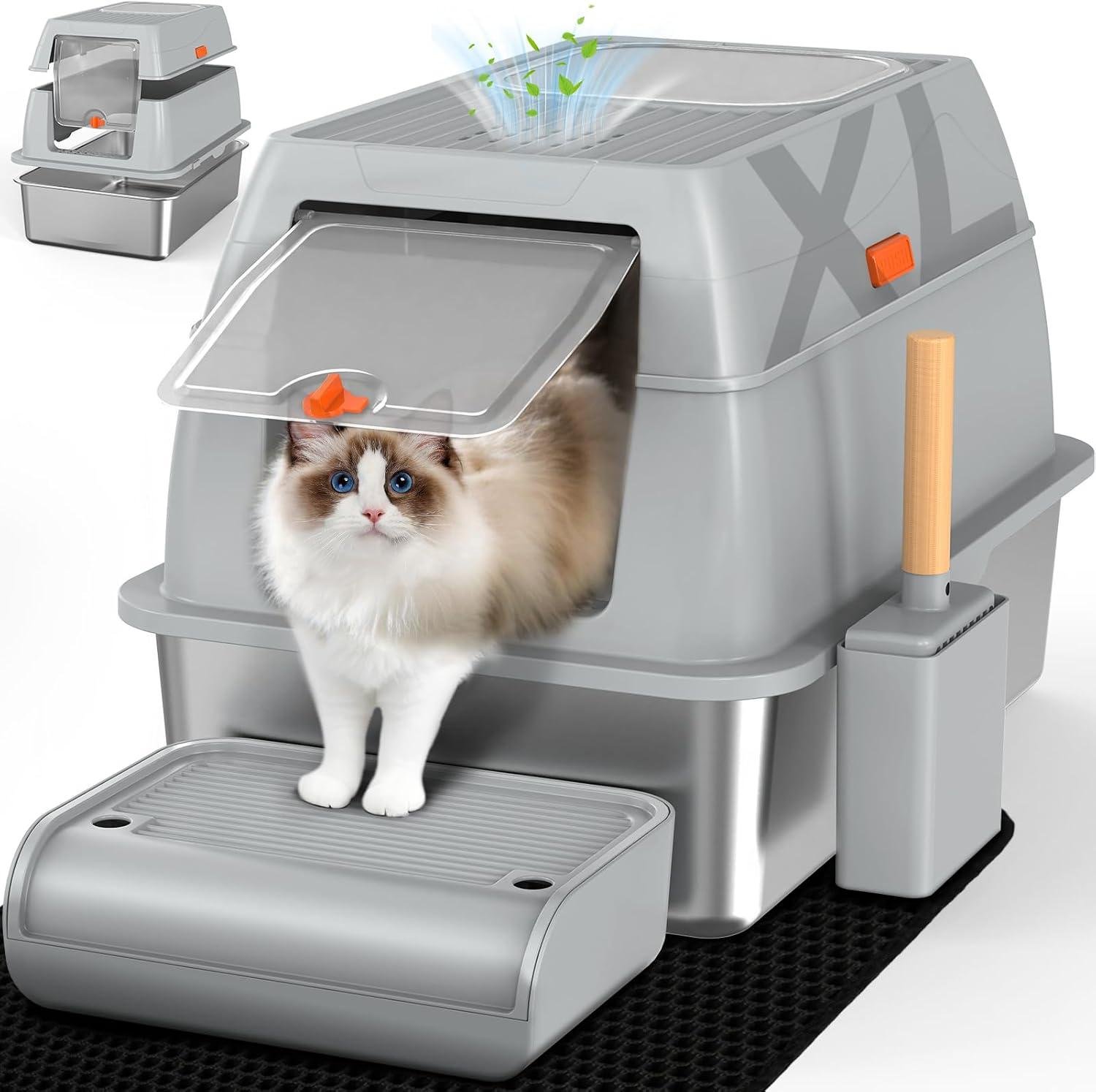
Owning a Bengal cat in the UK involves more than the initial purchase price; prospective owners should be prepared for ongoing expenses that ensure the cat’s health, happiness, and well-being. The initial setup for a Bengal typically includes essential items such as litter trays, a sturdy carrier, and engaging toys. Owners can expect to spend around £100–£200 on these necessities.
For instance, a high-quality litter tray can cost between £15–£40, while interactive toys to satisfy the Bengal’s active nature may add £20–£50 or more. Monthly upkeep is a significant consideration when evaluating how much does it cost to keep a Bengal cat. Bengals require a premium, high-protein diet to maintain their muscular physique and energy levels, which can cost between £30–£60 monthly depending on the brand and type of food chosen.
Additionally, cat litter expenses average about £10–£15 per month. Routine veterinary care, including annual vaccinations and health check-ups, can add approximately £40–£60 monthly when averaged out over the year. Insurance is a crucial factor, especially since Bengals are considered an exotic breed and might face higher premiums. The question of how expensive is it to insure a Bengal cat is often asked by potential owners.
Comprehensive pet insurance typically ranges from £20 to £35 per month but may rise with added coverage like dental care or hereditary condition protection. Insurance helps mitigate the cost of unexpected emergency vet visits, which can sometimes amount to several hundred pounds or more in acute care cases such as injury or sudden illness. In summary, beyond the initial purchase, Bengal cat owners in the UK should budget roughly £70–£100 per month for food, litter, veterinary care, and insurance, alongside initial costs for accessories.
This professional foresight ensures the Bengal leads a healthy and stimulating life while helping owners manage the financial commitment responsibly.
⚖️ Legal and Licensing Considerations for Bengal Cats in the UK
Owning a Bengal cat in the United Kingdom involves understanding specific legal and licensing considerations, particularly due to the breed’s unique heritage. Bengal cats are hybrids, originally bred from crossing domestic cats with the Asian leopard cat. In the UK, the law distinguishes between different Bengal generations, notably F1 to F4 (first through fourth generation hybrids) and SBT (Stud Book Tradition) Bengals, which are at least five generations removed from wild ancestry.
One common question is, “Do you need a license to own a Bengal cat?” For SBT Bengals, the answer is generally no. These cats are recognised as domestic breeds and do not require special permits. However, restrictions and licensing requirements become more stringent for early-generation Bengals (F1 to F4) as they retain greater wild ancestry.
In the UK and the broader European Union, owning hybrid cats closer to wild species often necessitates specific permits under wildlife and animal welfare regulations. Hybrid Bengals classified as wild or exotic animals fall under these frameworks, requiring owners to seek official licences or show adherence to containment standards. Biosecurity and import rules are also crucial, especially for those importing Bengals into the UK.
Importing early-generation Bengals involves compliance with strict health certifications and biosecurity measures to prevent disease transmission and protect native wildlife. Misconceptions persist, with some assuming all Bengals are subject to licensing, but the key factor is their generation and wild ancestry percentage. In summary, while SBT Bengals do not require licenses in the UK, early-generation hybrids may be subject to legal restrictions.
Prospective owners should consult UK animal regulations and possibly engage with reputable breeders to ensure compliance and avoid legal complications.
🌟 Why Are Bengal Cats So Expensive in the UK?
Bengal cats are renowned for their exotic appearance and lively temperament, qualities that contribute significantly to their price tag in the UK. If you’re wondering why Bengal cats are so expensive, several key factors come into play, driven by strict selective breeding, health requirements, and market demand.
Selective breeding standards in the UK are rigorous. Reputable breeders adhere to guidelines set by recognised organisations such as the Governing Council of the Cat Fancy (GCCF) and The International Cat Association (TICA). These standards ensure Bengals retain their distinctive spotted or marbled coats, muscular build, and playful personality. Achieving these traits consistently requires generations of carefully planned matings, which influences the cost.
Health testing is mandatory for responsible UK breeders. Tests for hypertrophic cardiomyopathy (HCM), progressive retinal atrophy (PRA-b), and pyruvate kinase deficiency (PK-def) are conducted to prevent passing on hereditary diseases. Such genetic screening entails additional costs for breeders, which are reflected in the kitten’s price.
Demand for rare colours and show-quality Bengals, such as Snow, Silver, or Charcoal coats, is particularly high in the UK. These coveted variants can push prices beyond the standard range. Show-quality kittens also undergo evaluation for breed standards and may command premium prices.
Breeding itself is expensive. Breeders incur costs including stud fees—payments to stud owners for breeding rights—genetic screening of parent cats, veterinary care, and registration fees with clubs like GCCF or TICA. For example, stud fees can range from £500 to over £1,000 per mating, adding to overheads.
Regarding market prices, what is the price of a Bengal cat in the UK? Pet-quality Bengals typically range between £1,000 and £2,500. Show-quality or rare colour kittens can exceed £3,000. Although a significant investment, this price reflects the breeder’s commitment to health, temperament, and breed standards.
In summary, the combination of selective breeding, mandatory health testing, breeder expenses, and high demand for rare or show-quality Bengals explains why Bengal cats are so expensive in the UK.
🔚 Conclusion: Making Informed Decisions on Bengal Cat Ownership
In conclusion, understanding how much are Bengal house cats encompasses recognising the initial purchase price—typically £1,000 to £2,500 in the UK—alongside ongoing expenses such as premium diet, veterinary care, and insurance. Factors influencing costs include breeder reputation, lineage, and rare coat patterns. Legal considerations are straightforward for SBT Bengals, which do not require a licence, unlike early-generation hybrids.
Prospective owners must consider these elements to ensure a well-informed investment. Responsible Bengal cat ownership demands commitment to health, enrichment, and lawful acquisition, fostering a rewarding experience for both cat and owner alike.
📚 Additional Related Topics for Bengal Cat Owners
When considering Bengal cat ownership in the UK, exploring surrounding topics is crucial for informed decisions. First, Bengal Cat Health and Care Costs is essential, as understanding potential veterinary expenses, nutrition requirements, and routine care ensures owners can budget for their cat’s wellbeing. Bengal cat health involves monitoring for hereditary conditions common to the breed, making preventative care vital.
Second, How to Choose an Ethical Bengal Cat Breeder in the UK addresses breeding standards in the UK and helps prospective buyers identify reputable breeders who prioritise health, temperament, and ethical practices. This knowledge reduces the risk of supporting unethical breeding and promotes the welfare of Bengals. Lastly, Best Insurance Plans for Exotic Cat Breeds in the United Kingdom provides insight into exotic cat insurance UK options, helping owners secure appropriate coverage to manage unexpected medical costs. These topics collectively offer a comprehensive perspective on Bengal cat ownership, balancing cost with quality of life.